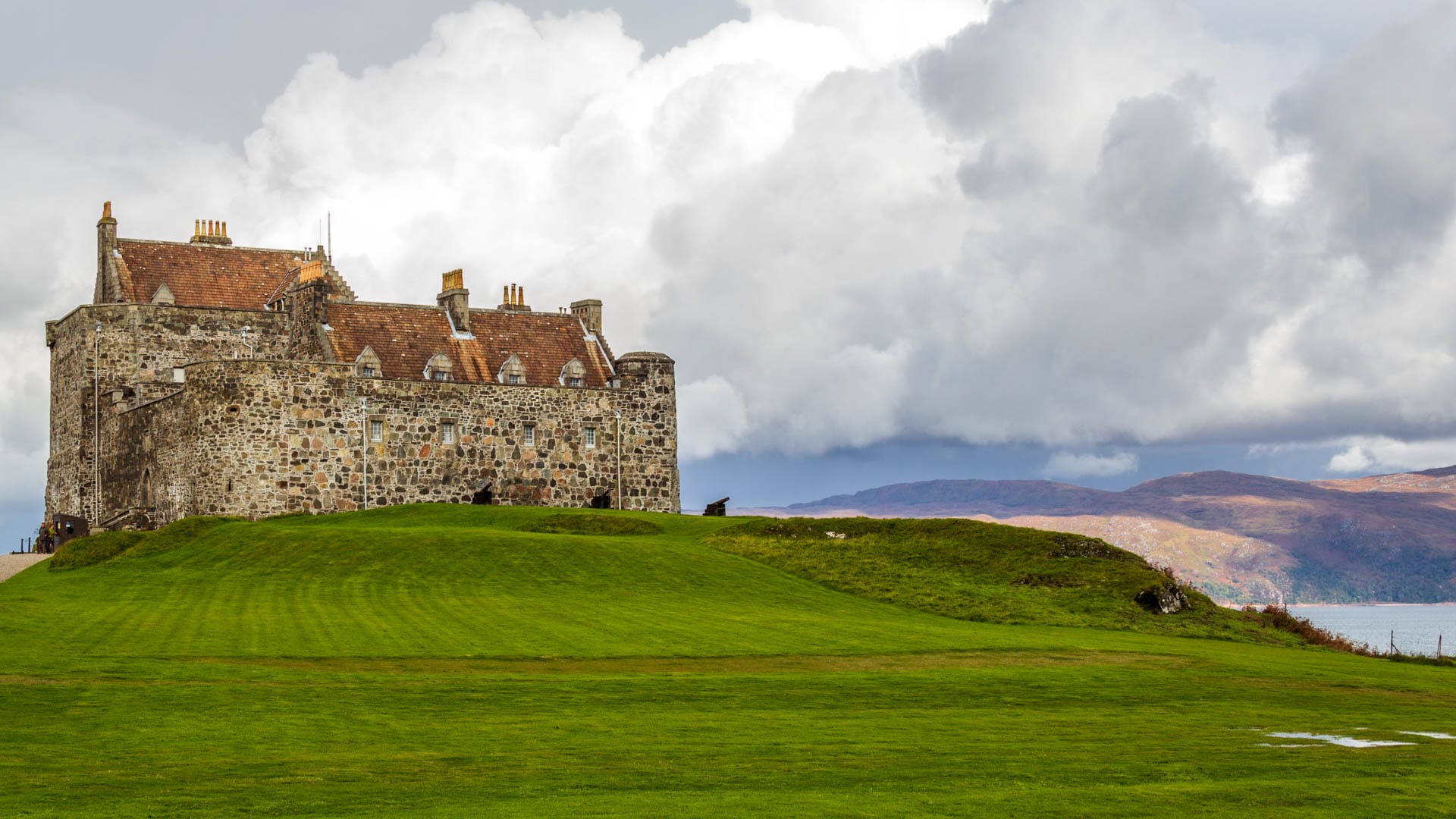
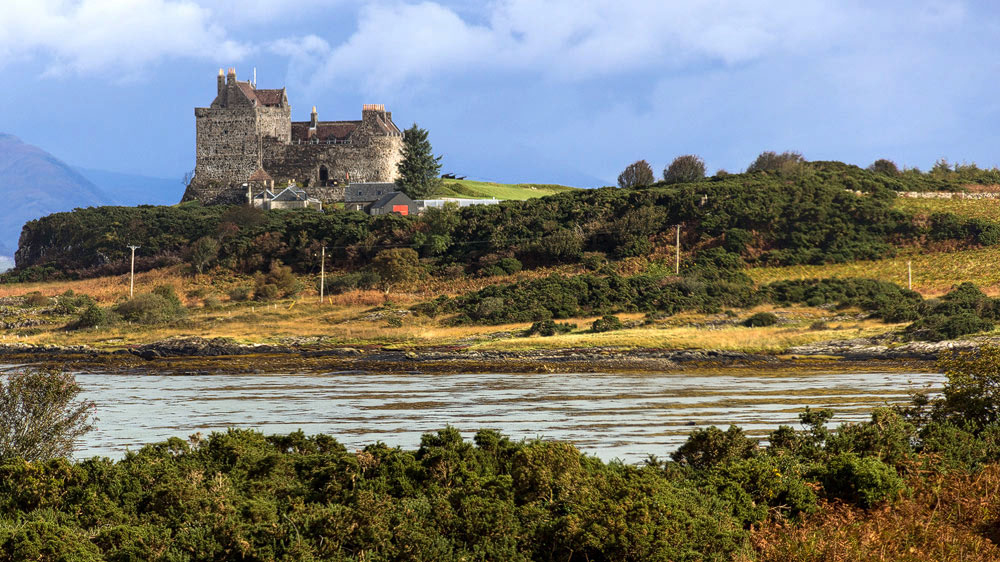
Duart Castle keeps a fearsome watch over the narrow sound off the Isle of Mull. More than once it’s proven the undoing of ships and their crews.
For the Spaniard, this was the end of the road; here, in the dark dungeon of Duart Castle. He was an officer of the crown, once part of the proud Armada. After the defeat in the English Channel against the English, his ship had managed to escape. They’d even sailed safely round the notorious Cape Wrath in the north of Scotland. And now this: a prisoner on an insignificant castle on an insignificant island.
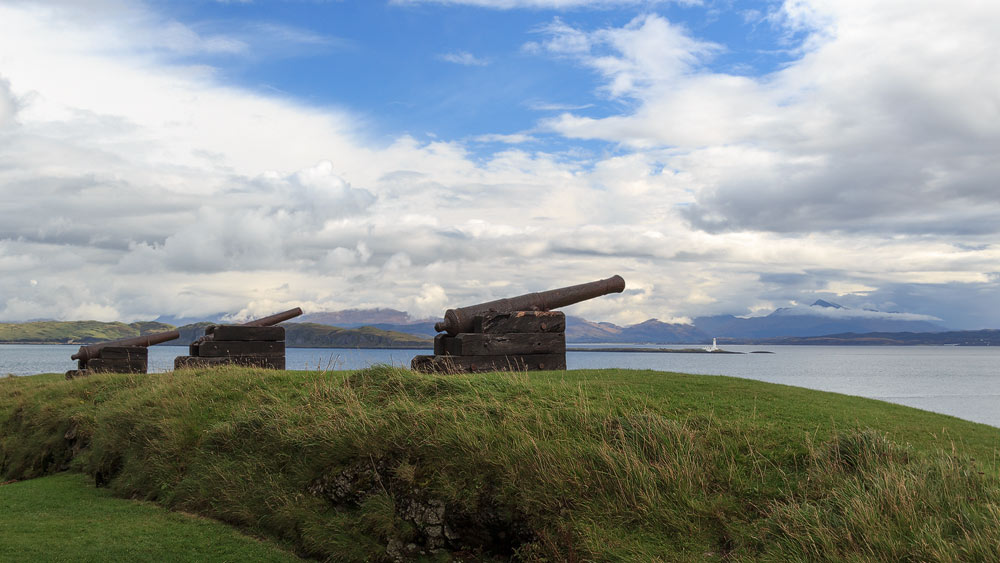
Any hope of rescue? None! His ship, his captain, his crew – they all now lay on the bottom of the bay at Tobermory. An explosion had sent the proud galleon to her watery grave. He and two of his comrades were the only survivors – because they had already been taken hostage beforehand. But was that really any better?
He would never get away from here. Duart Castle would be his dark grave. This cursed castle!
Good to know: Duart Castle and the MacLeans
One thing upfront: the Spanish officers thrown into Duart Castle’s dungeon in 1588 were eventually freed after all. They were released to Edinburgh, where they complained about the loss of their ship – without much success.
Exactly when Duart Castle was built isn’t entirely clear. What is certain, though, is that the castle belonged to the Lords of the Isles. When Lachlan Lubanach MacLean married the daughter of the ruler John of Islay, he received the castle as a dowry. Over the following centuries the MacLeans resided at Duart and extended the castle. Even so, it kept its box-like shape – Duart never went through the kind of “castle-ification” that happened to, say, Dunrobin Castle.
Debts forced the MacLeans to give up the castle in 1691, and an English garrison moved in for a few years. In 1751 they too left, and Duart Castle fell into ruin.
It wasn’t until 1910 that Sir Fitzroy Maclean bought the castle back and restored it. Today it’s the clan seat of the MacLeans and can be visited.
Visitors will find extensive collections of relics and clothing. In rooms furnished in period style, you can get a feel for the lives of the castle’s former inhabitants. You’ll also learn plenty about the clan and its history.
Tip: On the castle’s roof
At Duart Castle you wander through the various rooms and halls until you finally reach the top floor. From there a staircase continues on up to the castle roof – the view is well worth treating yourself to.
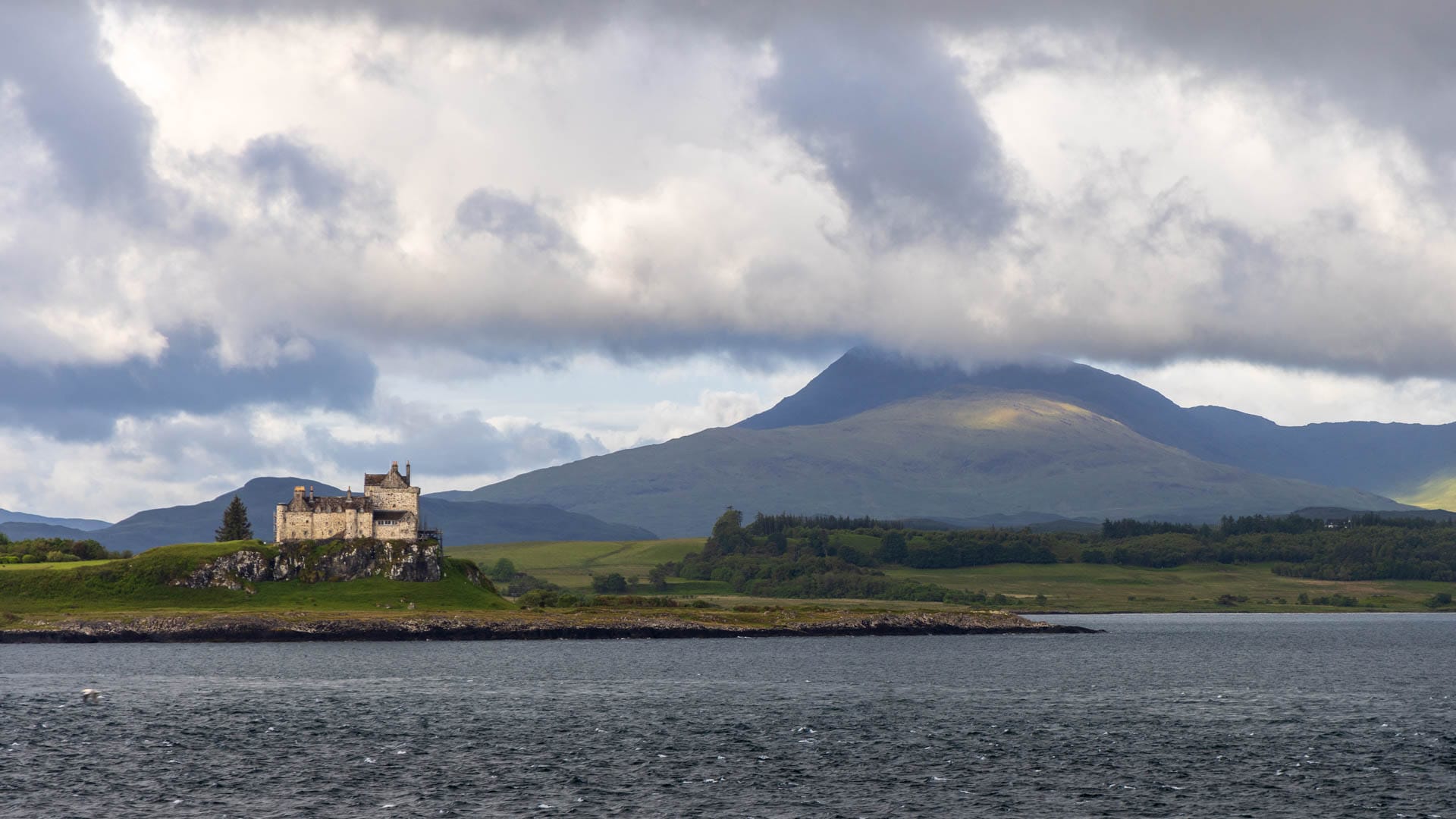
By the way: you get a wonderful view of the castle, and a great photo opportunity, from the ferry between Oban and Craignure.
Personal note: Something eerie on Lady’s Rock
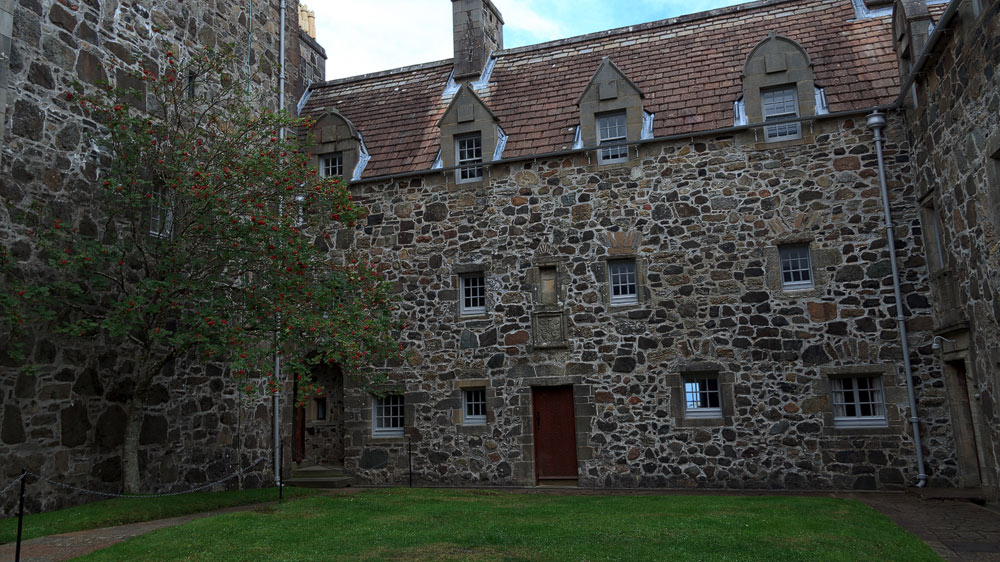
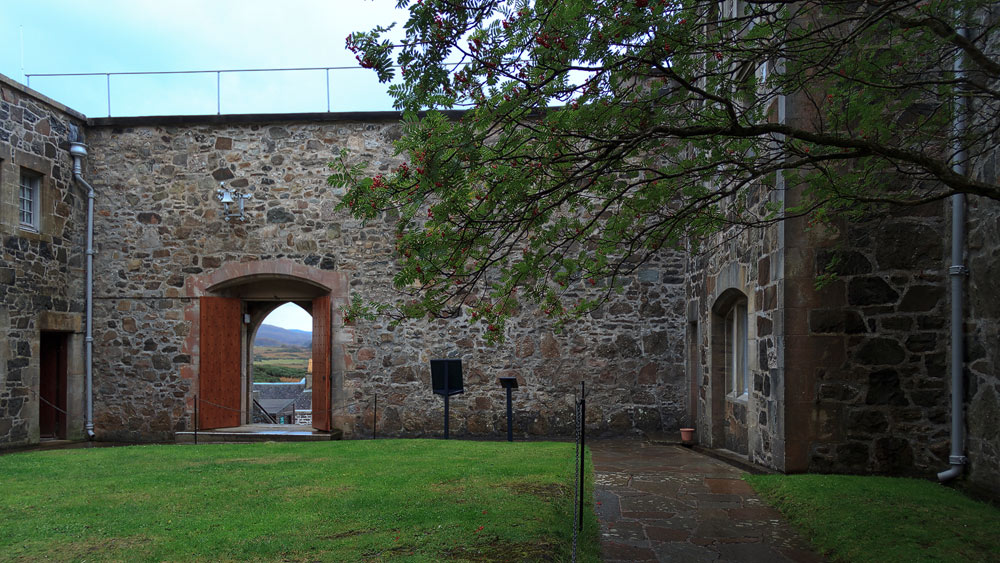
From the outside, the castle looks unassuming. But the moment we stepped into the green courtyard with its ash tree (said to ward off danger), we were rewarded. Information boards are set up everywhere, telling history and stories alike. Like that of the Spanish officers, of course, who are still on show as figures in the dungeon today. Or that of the English ship Swan, which was sunk here and is now being salvaged.
The creepiest story for me was the one about Lady’s Rock. On the rock within sight of the castle, a clan chief once left his wife to drown. It didn’t work, as she was rescued by a fisherman. Later, when the “grieving widower” announced her supposed death to her relatives, he was exposed – his wife had already arrived there before him. The disgrace cost him his life not long after.
Either way, Duart Castle was well worth the visit for us.
Getting there:
For your sat nav: Entering “PA64 6AP” gets you close to the castle. Not quite all the way, though.
Without sat nav: From Tobermory, take the A848. After about 40 kilometres and 40 minutes, a sign for “Kilpatrick” appears on the right, along with a signpost for Duart Castle. Turn left here and follow the narrow road to the car park by the castle.