A castle that brings to mind Disney, Neuschwanstein and French chateaux – right in the middle of the Highlands. Dunrobin Castle offers a dream-like backdrop directly on the North Sea.
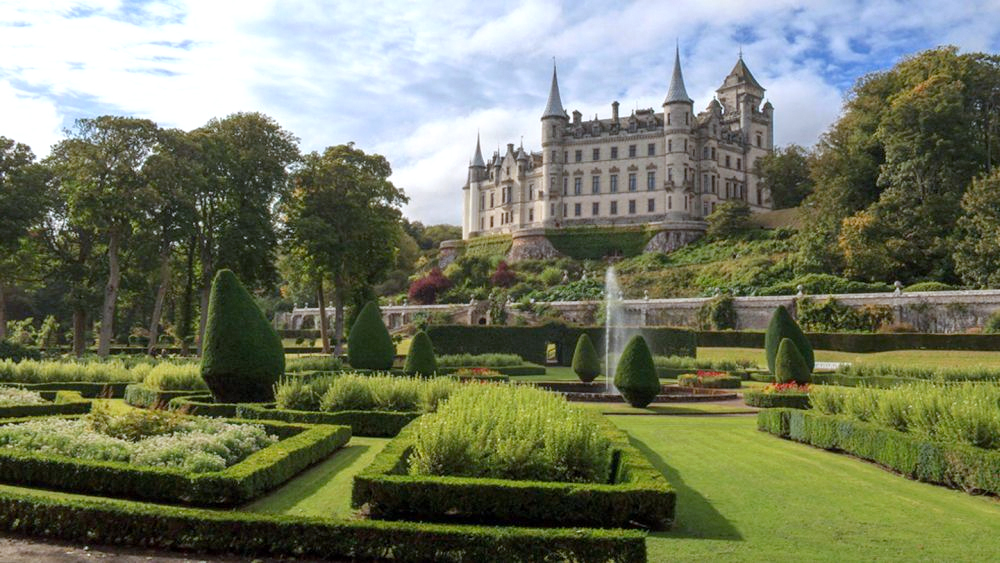
The white castle, with its many small turrets, bay windows and windows, sits enthroned above a grand garden. Behind it: nothing but the open sea.
But Dunrobin isn’t just a handsome facade – inside there are 189 rooms, most of them full of antique furniture and fascinating exhibits such as bagpipes, drinking vessels (quaichs), paintings, hunting weapons and many other interesting pieces from the castle’s history.
Special features: a 150-year-old garden
Around 1850, the castle was remodelled and the lavish garden laid out, inspired by those at Versailles in France. Some new plants have been introduced since then, but its basic form has stayed the same: everything is arranged around two circular areas, each with a fountain bubbling away.
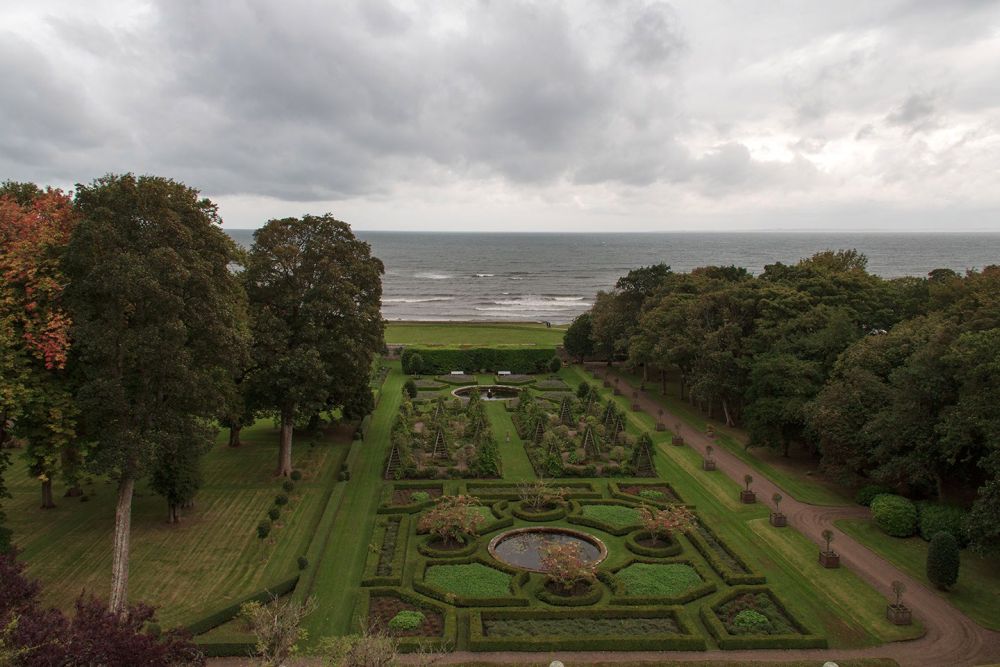
The garden ends at a wall with an iron gate. Walk through it, and you find yourself right at the sea.
Tip: the birds-of-prey flying display
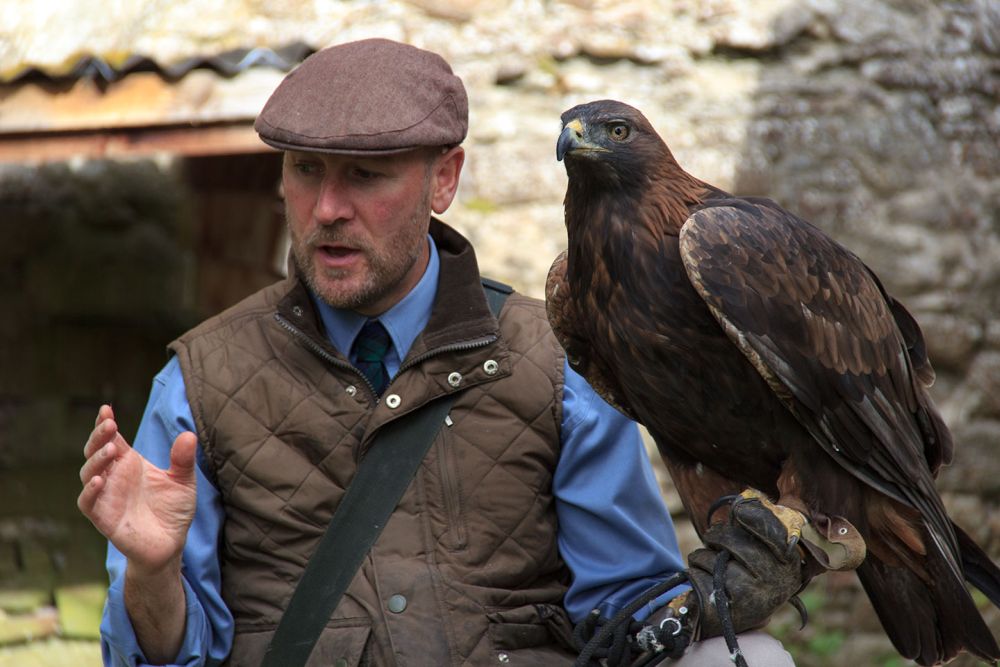
Every day at half past eleven and again at 2pm, falconer Andy Hughes puts on his flying display in the gardens, featuring owls, falcons and even golden eagles. He entertains the audience with humour and plenty of fascinating facts about birds of prey – I, for one, had never realised that a quarter of Europe’s golden eagle population lives in Scotland.
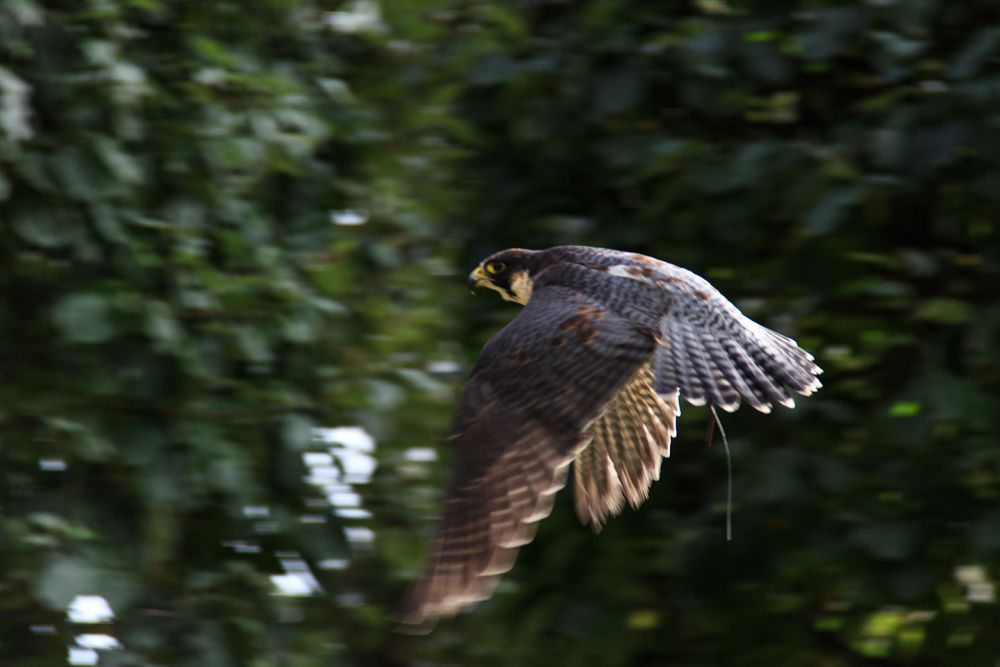
He sends the birds swooping low, right over the heads of visitors – great fun for photographers too, since you can capture the birds from very close range (in flight: burst shots with a very fast shutter speed work best).
If there aren’t too many visitors around, there’s a good chance you’ll be allowed to hold and feed an owl yourself – as my wife Katrin was.
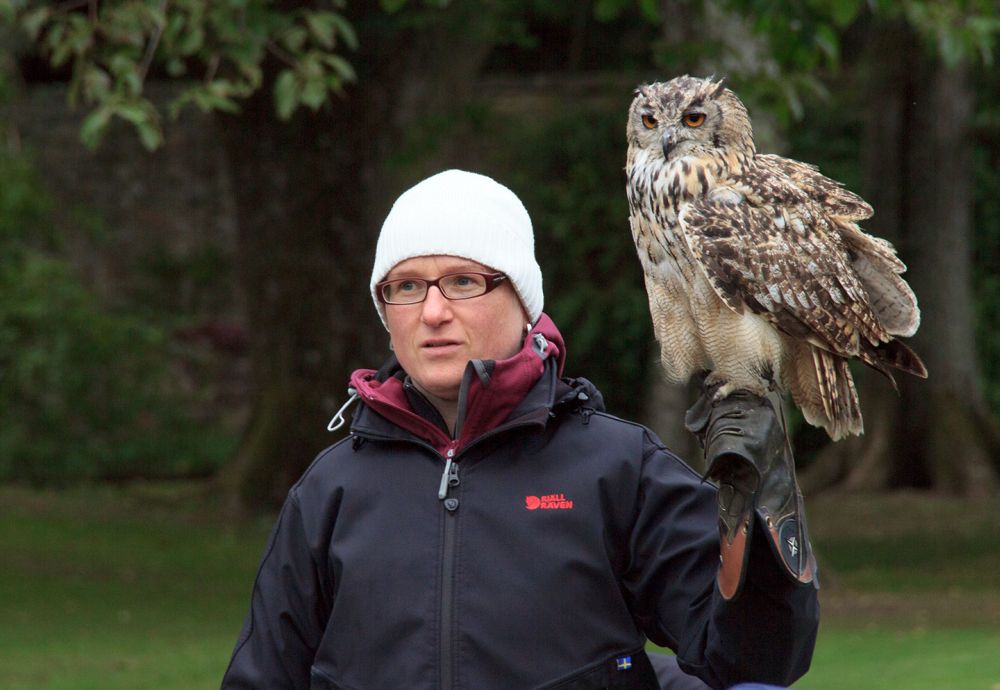
A wonderful experience!
Did you know: from castle to chateau
Dunrobin means “Robin’s fort”, likely referring to the sixth Earl of Sutherland, named Robert, who lived in the 15th century. The Sutherland family has held the castle almost continuously ever since.
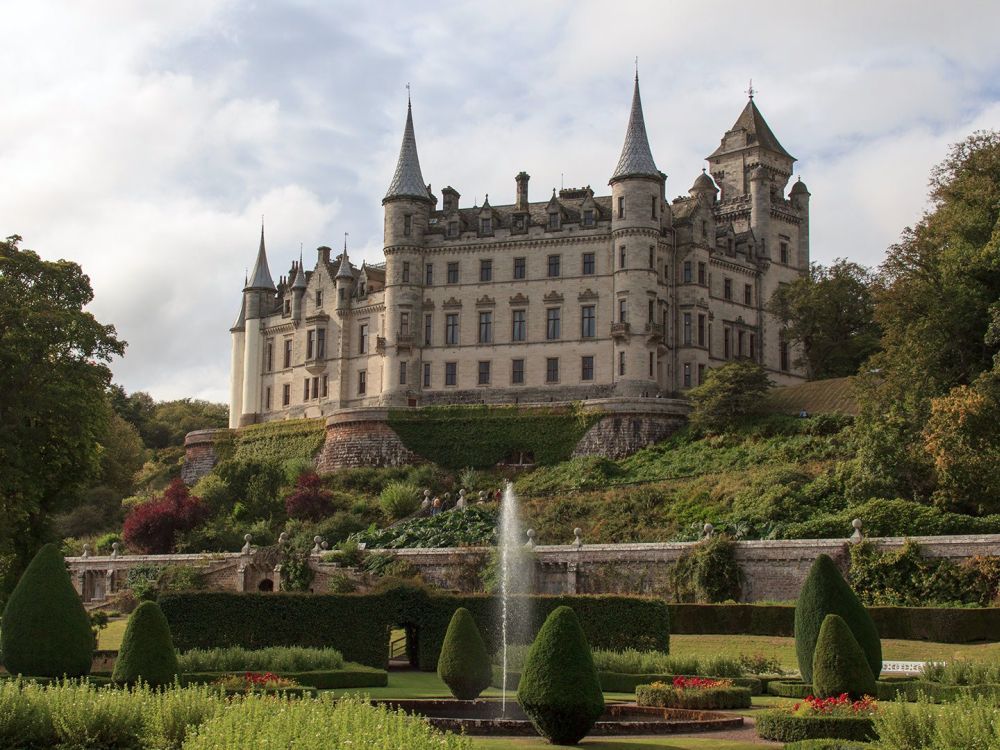
At the heart of this fairy-tale castle lies an actual fortress: a structure already stood here in the 13th century, serving the Sutherland family as a stronghold. The castle was gradually extended over time, and as the strategic value of fortresses declined, Dunrobin increasingly took on the character of a chateau in the French style. The greatest contribution to this came from a remodelling by the architect Sir Charles Barry, who had previously designed the Houses of Parliament in London.
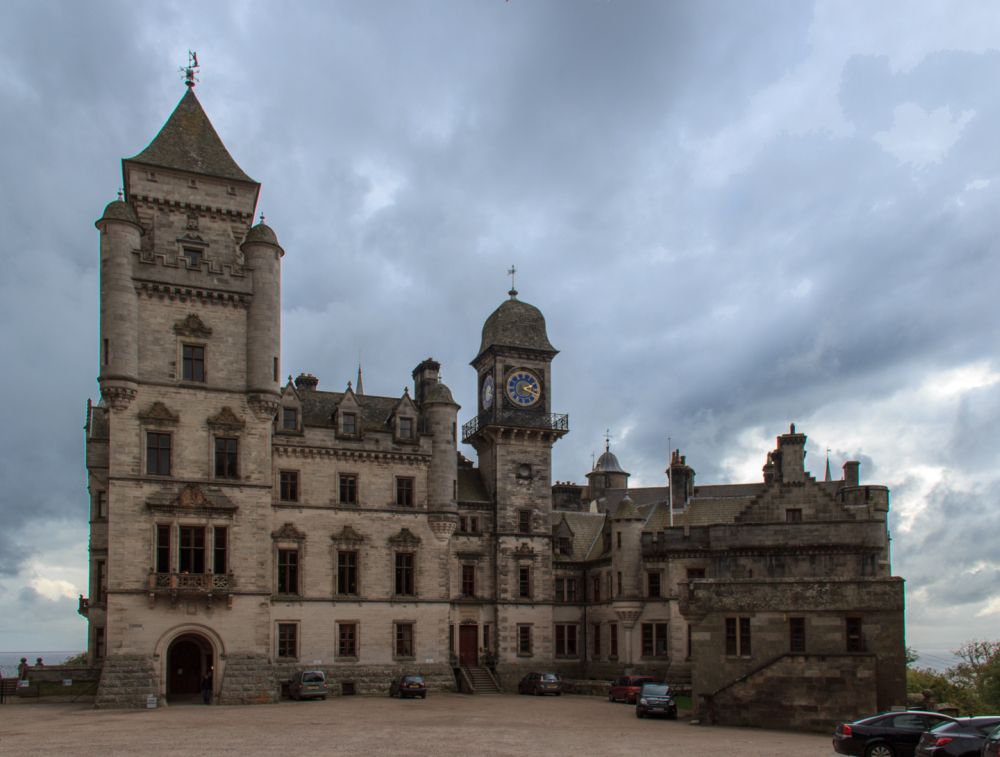
As enchanting as the castle itself is, its owners could only afford such splendour because they acted with a ruthlessness towards their own tenant farmers during the Highland Clearances that few other families matched – at times simply having tenants’ cottages burned to the ground.
In 1915, a fire gutted the castle’s interior, and it was renovated once again. In the 1960s, the building housed a boys’ school for seven years. Today it’s once again used, among other things, as the Sutherland family home – by Elizabeth Sutherland, Countess of Sutherland, and her heir, Alistair, Lord Strathnaver.
Personal note: time flew by
What an unexpected sight in moody Scotland: a castle that really looks like it belongs in France. Fascinating!
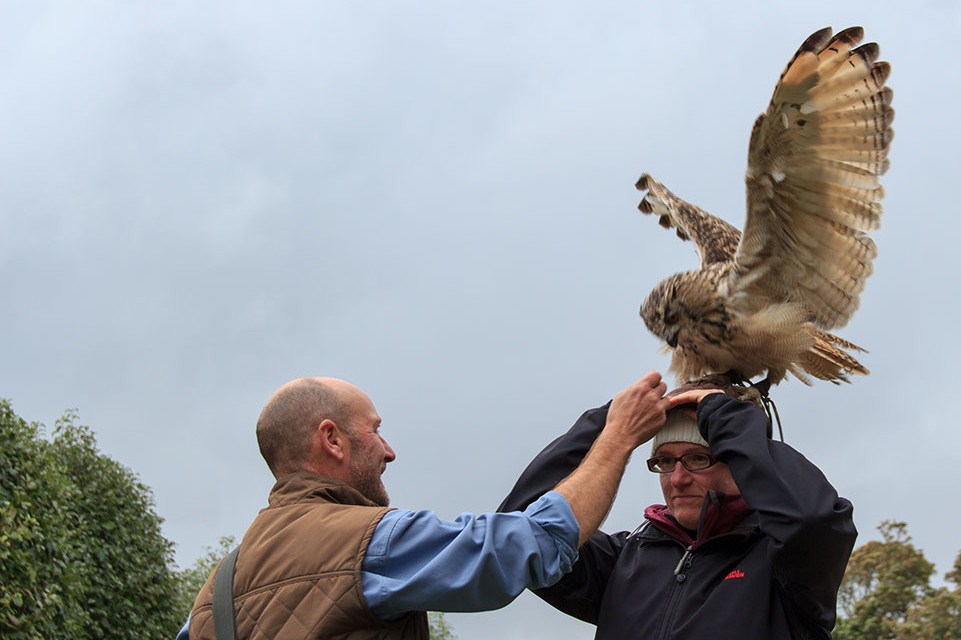
Luckily, the person at the ticket desk pointed us straight to the flying display, or we’d almost have missed out on this treat entirely. Since we watched the 2pm show and then went for a walk in the gardens afterwards, we ended up getting to the castle’s rooms so late that the staff were practically hurrying us along – they wanted to close up. So keep an eye on the clock…
Getting there:
Take the A9 from Inverness towards Helmsdale. Go through Golspie, then after around 600 metres a driveway branches off to the right – the castle is already signposted here. Continue to the large car park right by the castle.