On a barren hillside in the Highlands, a Scotsman created a Garden of Eden – Inverewe Garden. Here he coaxed magnificent plants from all over the world into thriving, and today every visitor can marvel at them.
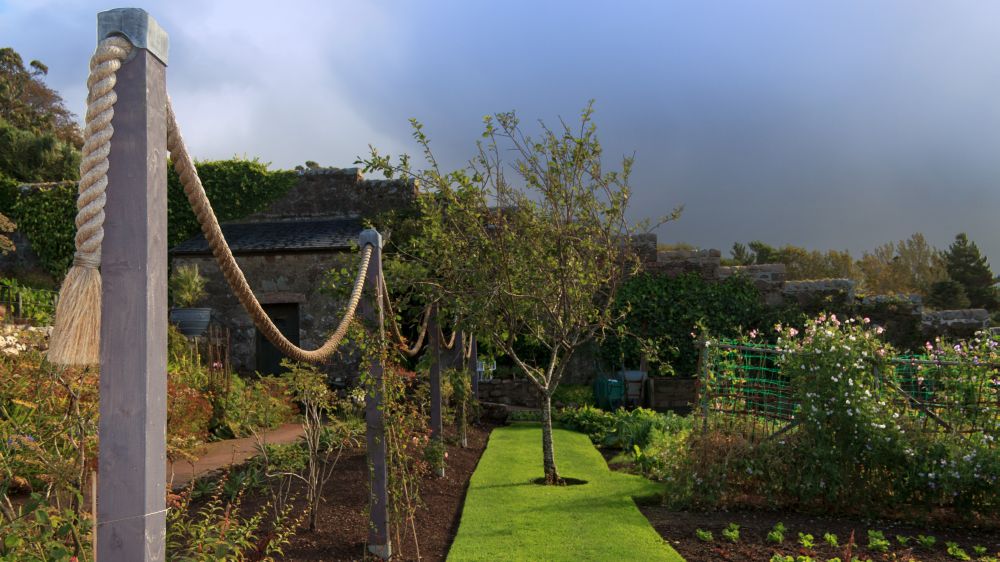
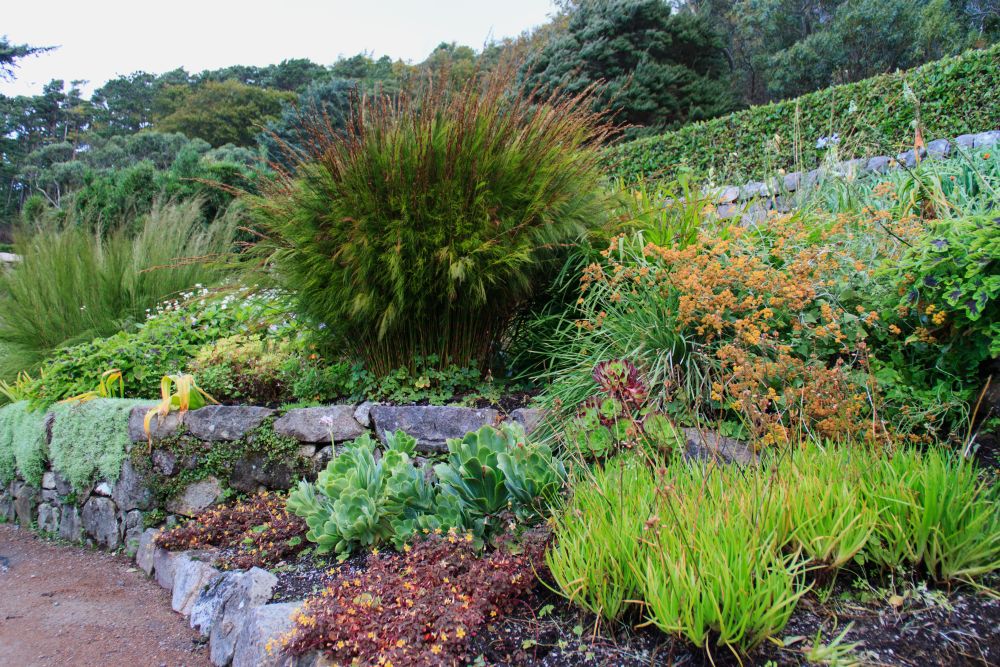
Inverewe Garden covers almost 21 hectares – roughly the size of 40 football pitches. And it needs every bit of that space, since entire continents are packed in here. There’s an Asian section called “Bambooselem”, where bamboo and rhododendrons flourish, and an American section where you can admire maples.
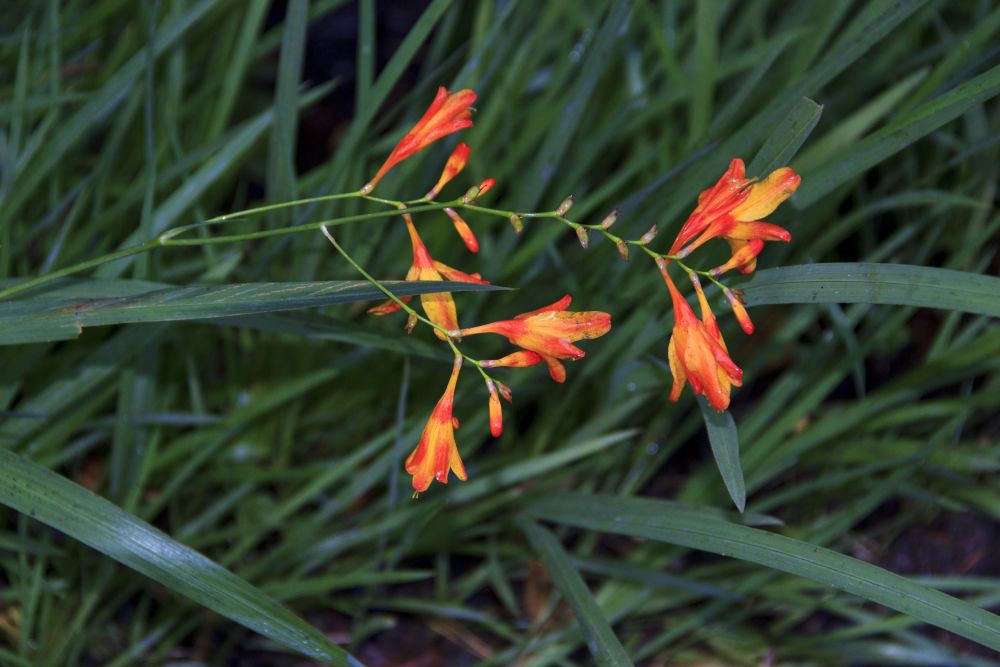
Elsewhere you’ll find plants from South America, or eucalyptus trees from Australia. Inverewe doesn’t just make botanists’ hearts beat faster – in spring and summer, it becomes a riot of colourful blooms for everyone to enjoy.
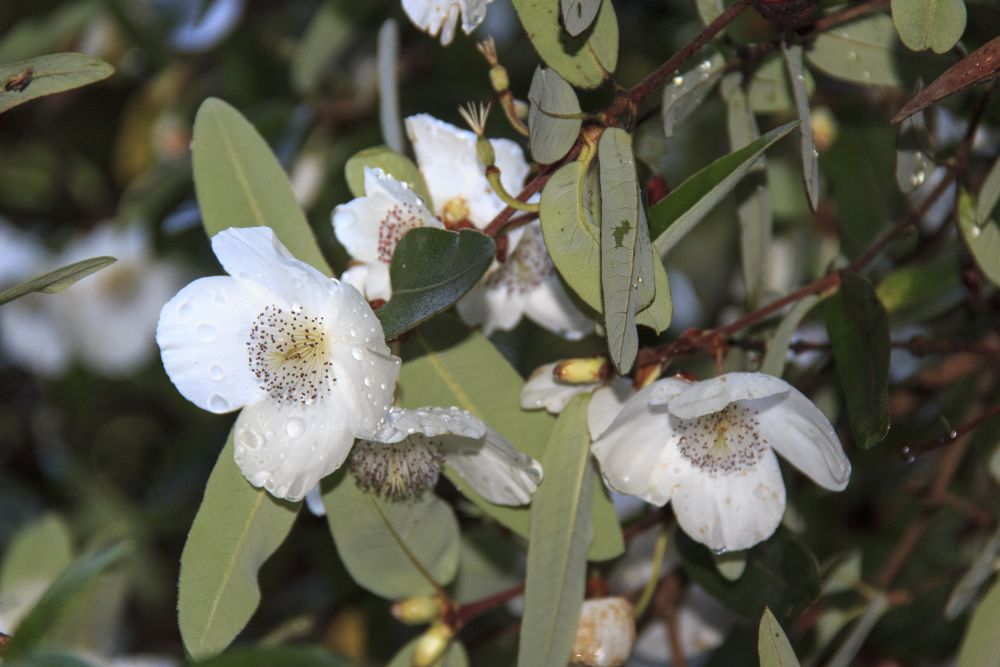
One word of caution: a stroll through the garden can quickly turn into a proper hike. From the entrance to the far end is at least a kilometre, depending on which of the winding paths you take – plus a fair bit of ascent, since the garden was built on a hillside. To help you avoid getting lost, every visitor is given a small map on entry.
Scotland has the local Osgood Mackenzie to thank for this beautiful green space. He acquired what was then a barren patch of land, and from 1862 set about realising his dream of a botanical garden. He first created the walled section, where salad greens and fruit still grow today – the “walled garden” alone took several months to complete.
Mackenzie then turned to the arboretum, the wooded area interspersed with beds, shrubs and ponds. When Osgood Mackenzie died in 1922, his daughter took over the estate and added, among other things, the “America” section.
In 1952, however, she handed the grounds over to the National Trust for Scotland, which has looked after its upkeep and maintenance ever since.
Tip: for botanists and woodland wanderers
Around the gardens stretches a further 800 hectares or so of protected woodland, well worth exploring on further walks.
Anyone with a keener interest in botany should consider the guided tour with a gardener. It sets off at 1:30pm, usually including Saturdays, though normally not on Sundays.
Did you know: the secret of the gardens
Spin the globe a little to the west and look at what lies at the same latitude in North America, and you’ll land in Canada, somewhere amid tundra or a national park for polar bears. So why does such a diversity of plants thrive at Inverewe Garden, despite its cool latitude? It’s the Gulf Stream, which reaches Scotland’s west coast and provides just the right temperatures.
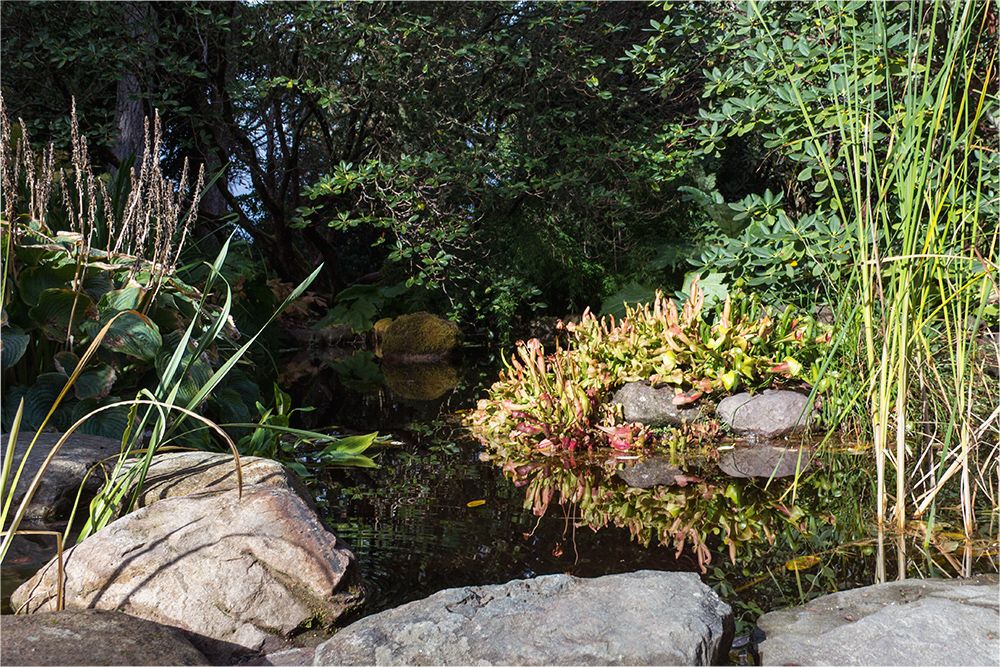
But that alone isn’t enough. When Mackenzie first began laying out the gardens, he started by planting trees as a windbreak against the fierce winds that constantly lash this land. Only once this shelter belt had grown tall enough could he cultivate more delicate greenery. The walled section is reserved for the very tenderest plants – the stones don’t just block the wind, they also store the sun’s warmth and radiate some of it back out.
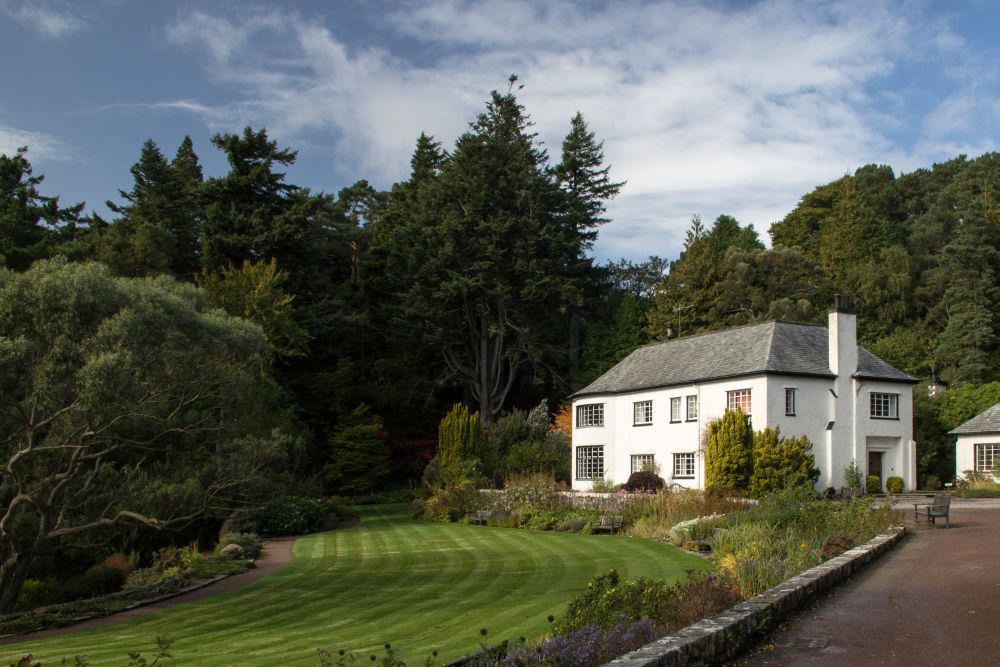
The soil of this barren Highland region still makes life difficult for the gardeners today. Around 200 tonnes of mulch and fertiliser are brought in each year just to keep the gardens going – that’s the only way this splendour at Inverewe Garden keeps growing.
Personal note: sunshine and rain
We got to experience first-hand one reason why the garden thrives so well, during the roughly three hours we spent there: warm sunshine kept suddenly switching to heavy downpours, and back again.
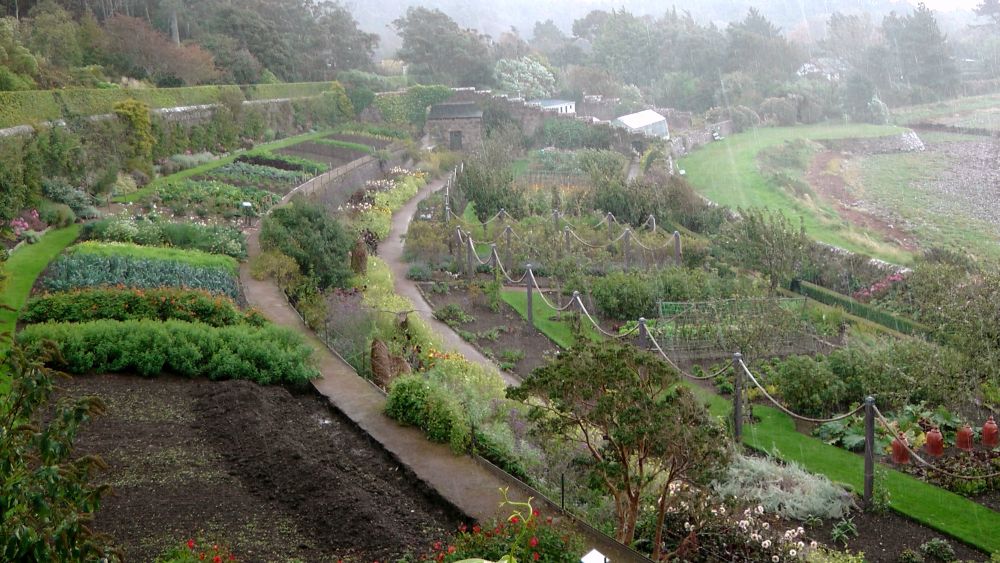
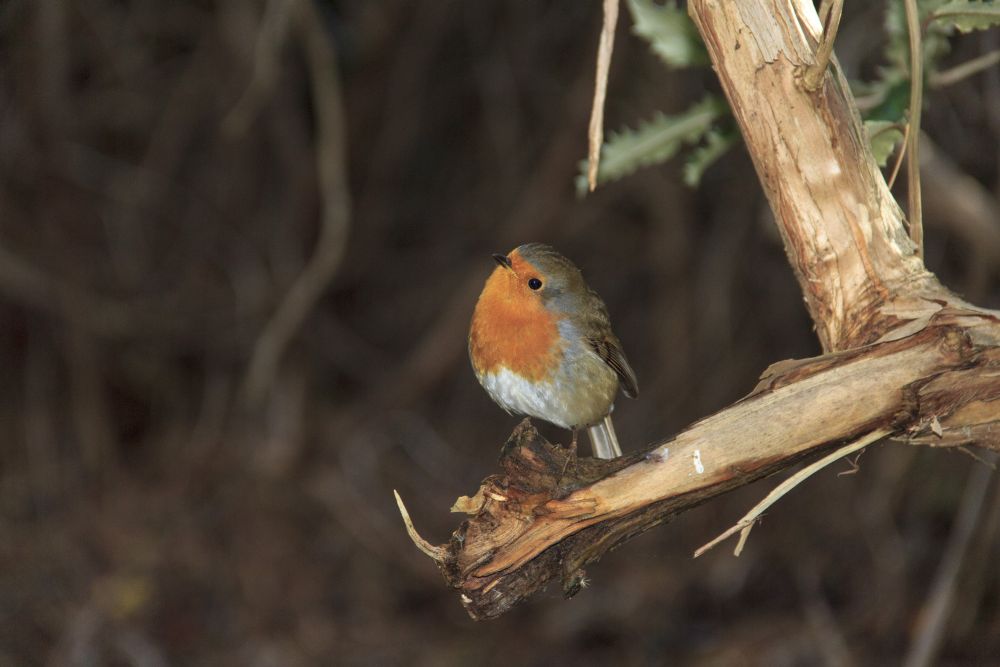
But it was worth it! Map in hand, we set off like a scout troop, and in the winding garden we even spotted fly agaric mushrooms and listened to a robin singing, perched barely an arm’s length away from us on a branch.
Getting there:
Driving from Inverness to Ullapool on the A835, the A832 to Poolewe soon branches off. Shortly before that, the road passes directly by the Inverewe Gardens car park.