Lindores Abbey Distillery calls itself the spiritual home of Scotch whisky. What’s behind that claim, and what awaits visitors there, is covered here.
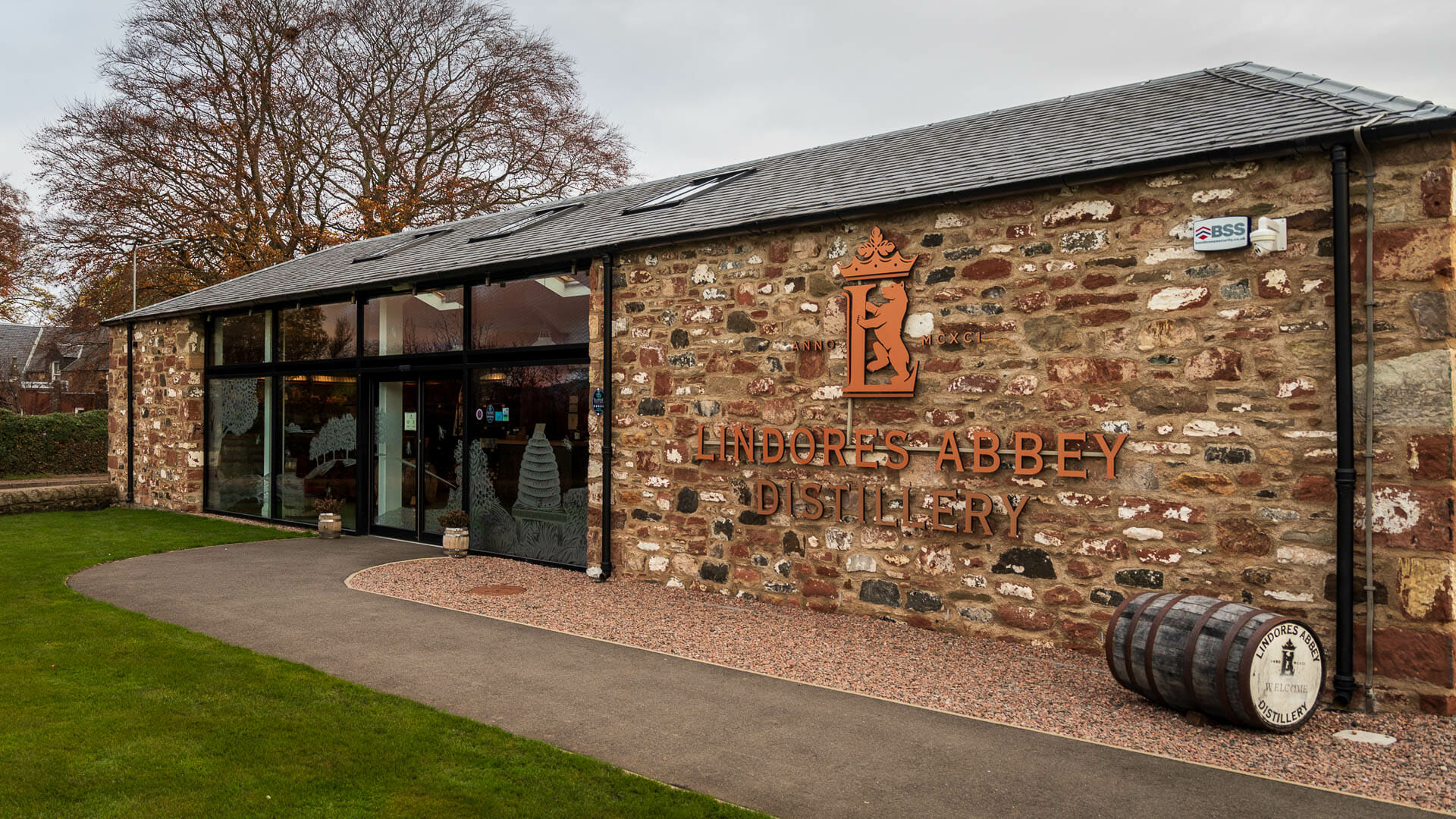
“To Brother John Cor, by order of the king, to make aqua vitae, eight bolls of malt.” – the first documented mention of whisky in Scotland simply recorded the amount of malt a friar was to use for distilling aqua vitae. This story is linked to Lindores Abbey, since that same John Cor is said to have worked here.
Put simply, the myth goes like this: in 1494, King James IV commissioned a monk at Lindores Abbey to distil whisky – and today, on this very site, there’s a distillery once again: Lindores Abbey Distillery. Its limited-edition whisky even proudly carries the Roman numerals MCDXCIV for 1494. A wonderfully neat story, and a marketer’s dream.
If it’s true, that is… but more on that later.
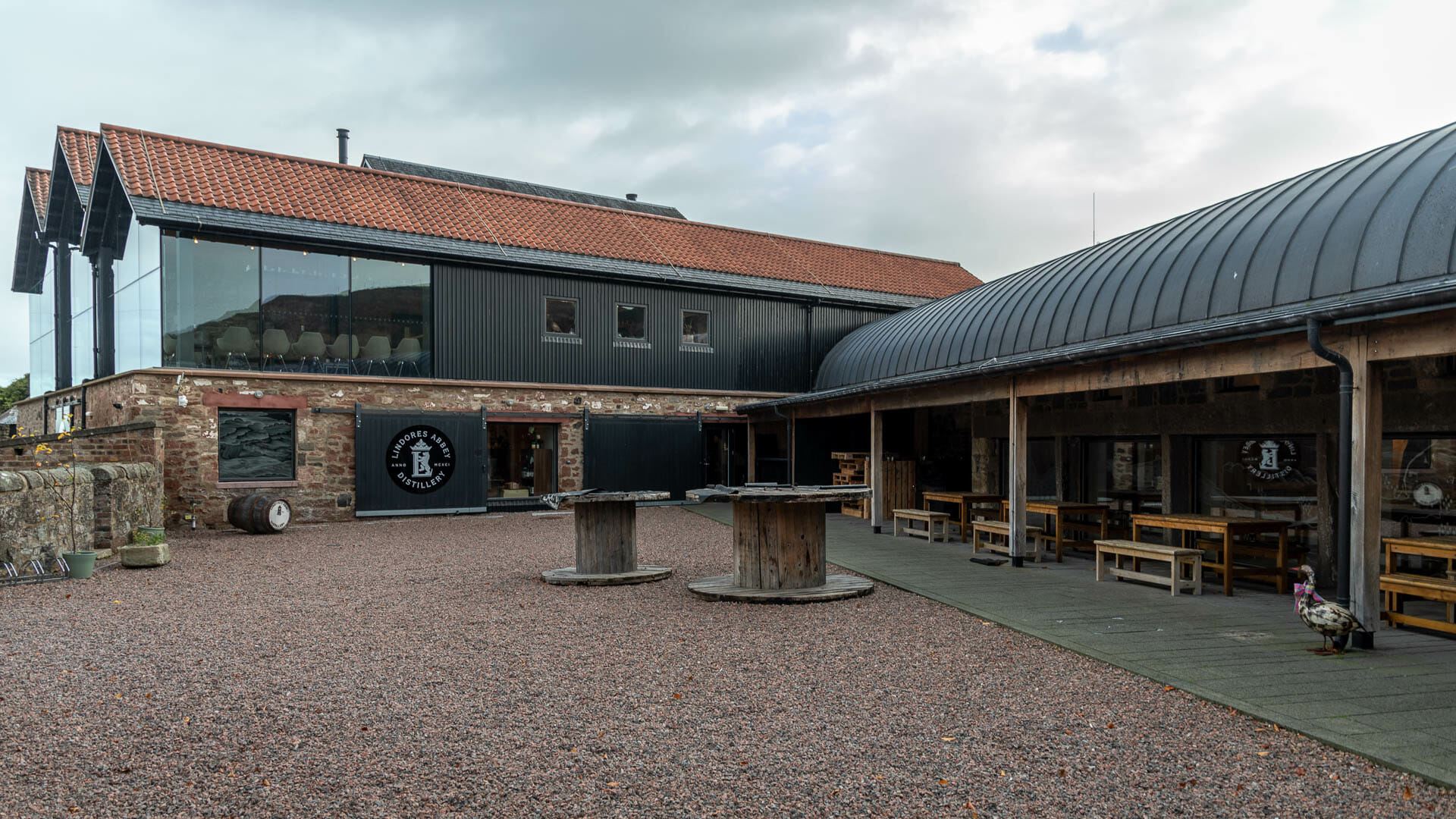
What’s certain is that just outside the small town of Newburgh stands a rather young whisky distillery. Lindores Abbey Distillery was founded in 2017, and has been offering its first bottlings since 2021. Even without this romantic backstory, it has plenty of appeal in its own right – a building, for instance, that skilfully combines old and new elements, letting stone, wood and steel play off one another.
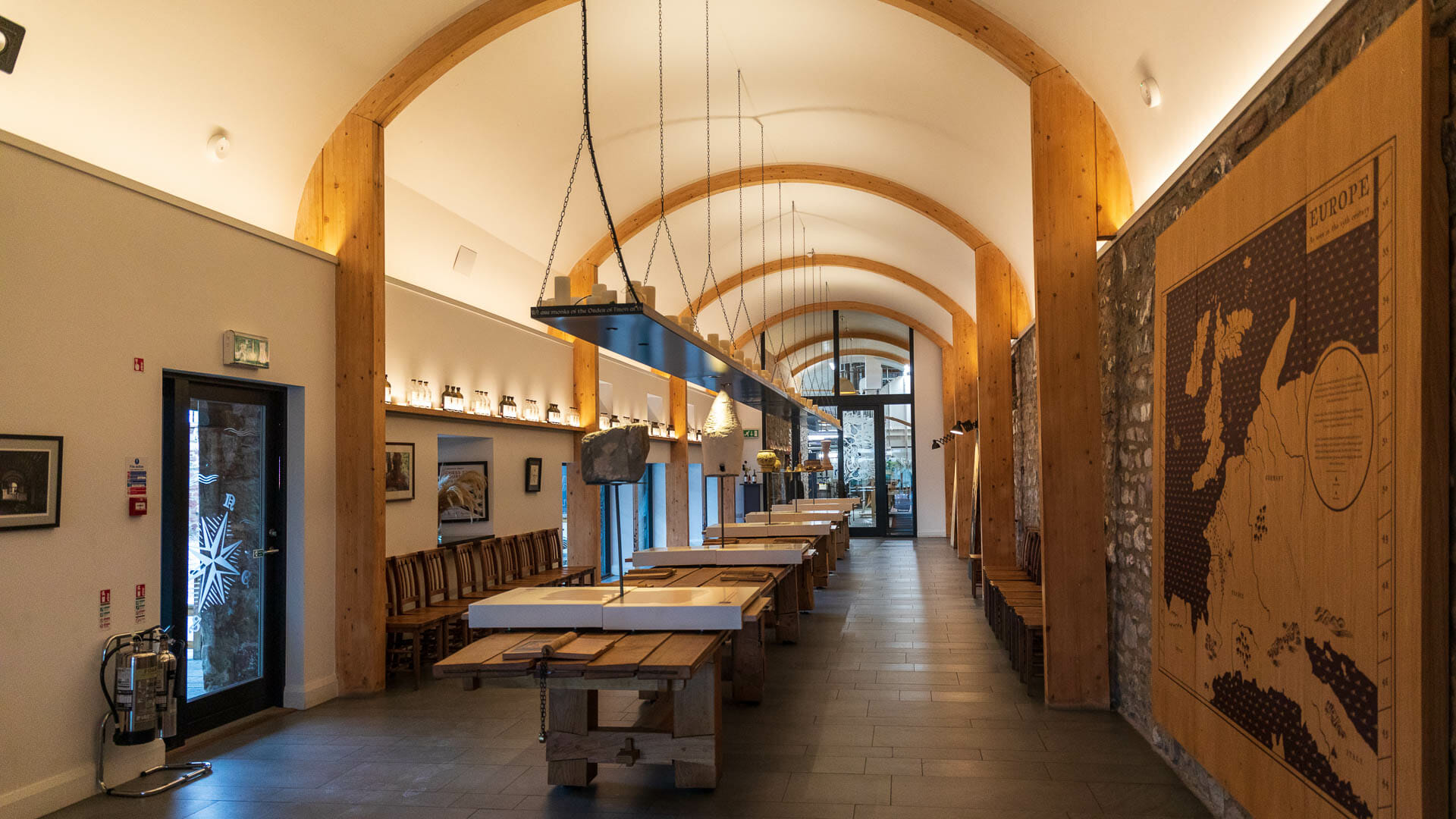
Particularly well done is the link between the distillery and the shop, housed in a vaulted space. Inside, tables line the room, on and above which the story of the nearby abbey and its connection to whisky is brought back to life.
Myth aside, the link between the new distillery and the old abbey is certainly a close one. The distillery does stand on the grounds of the old Lindores Farm, but before the building for the stills and washbacks was constructed, archaeologists carefully examined the ground first – and found quite a bit.
Alongside as-yet-unidentified abbey walls, one particular feature drew attention: a walled hole in the ground. After closer examination, it was determined to be a medieval firebox for a still – quite possibly the oldest of its kind still surviving in Scotland.
Today, three new stills stand here, producing whisky.
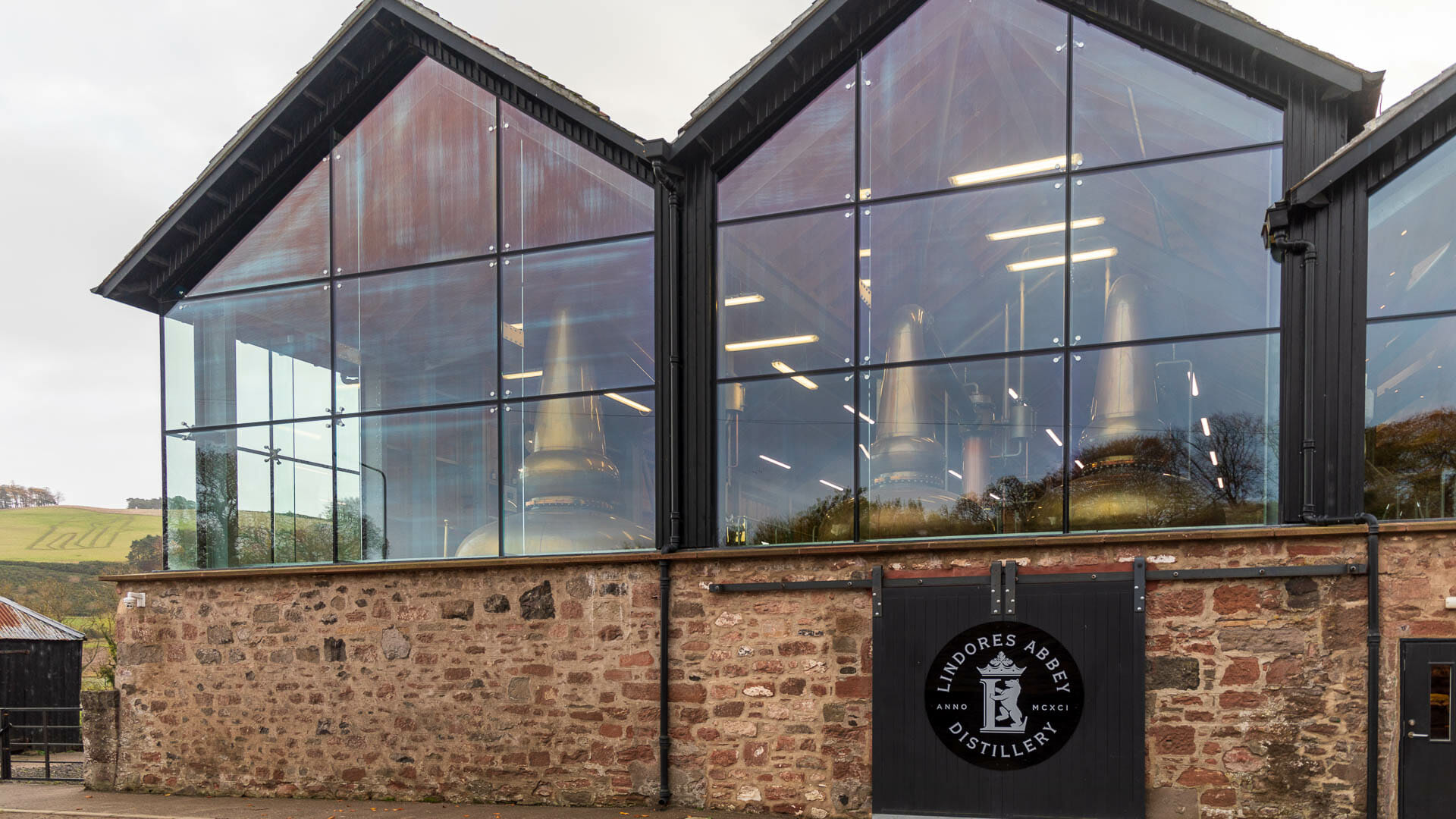
And how does this whisky taste? Of course, you can find that out too, on a tour with drams, or with bottles available to buy on site. As this is a Lowland whisky, don’t expect smoke or peat. And of course, the whisky itself is still very young.
So is a visit to Lindores Abbey Distillery worthwhile? That depends. Most of all for whisky enthusiasts. But as is typical in Scotland, the distillery offers a rounded experience. There’s a bar, interesting courses on herbal knowledge that can be booked, a bit of food available, and of course the abbey ruins too. So if you happen to be in the area, a detour to Lindores Abbey Distillery is certainly worth considering.
But what’s the real story behind the abbey and its connection to the first mention of whisky?
Good to know: Lindores Abbey and whisky
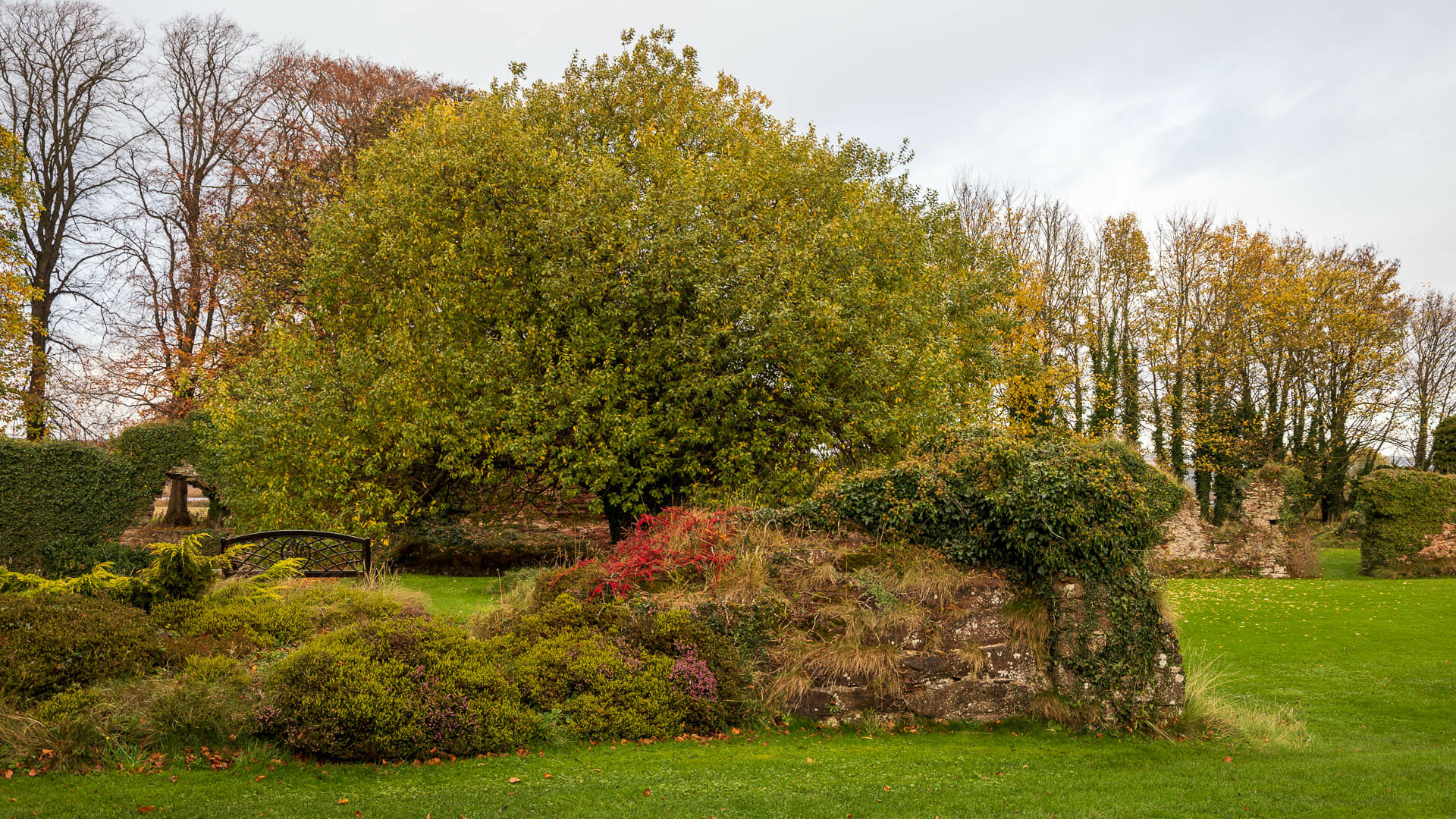
The myth goes as follows: John Cor of Lindores Abbey was mentioned in 1494 in the Exchequer Roll of James IV, and commissioned to distil whisky. From this, Lindores Abbey Distillery essentially draws its claim to be the spiritual home of Scotch whisky.
But how much of it is actually true? The story has, after all, been repeated a thousand times over, in books and across the internet. Yet dig even a little, and it seems to collapse in on itself like a soufflé. First of all, the year: at least in surviving transcriptions of the old Scottish Exchequer Roll, the entry is dated 1495 – a year later, in other words.
The far more important point, though, is that Lindores Abbey is not mentioned anywhere in that context – only the name John Cor. On the distillery’s own website, a connection is drawn to a John Kawe, on the basis of a supposed phonetic similarity – and John Kawe can indeed be linked to the abbey.
The problem, however, is that the Dominican friar John Cor is also a documented figure in his own right. He lived mainly at Stirling House, as the book “Renaissance Religion in Urban Scotland: The Dominican Order, 1450-1560” documents. What’s more, Lowland Scots likely rolled their Rs even in medieval times, which makes the leap from “Kawe” to “Cor” a fairly considerable one, linguistically speaking.
Even so, the Lindores Abbey website lays out an interesting chain of evidence. But it arrives at this conclusion itself:
So, whilst it can never be absolutely proven that ‘Brother John Cor’ was the same person as John Kawe, it can also never be proven that any other person of the same, or similar name that existed at the time, could be authenticated as the person named in the Exchequer Roll over five hundred years ago.
In the end, nothing is certain. And really, none of this back-story should even be necessary – every distillery ought to win people over with its whisky, not with history. Especially since the connection between the abbey and the distillery does rest on solid ground in its own right, not least because part of every whisky purchase goes towards preserving the ruins.
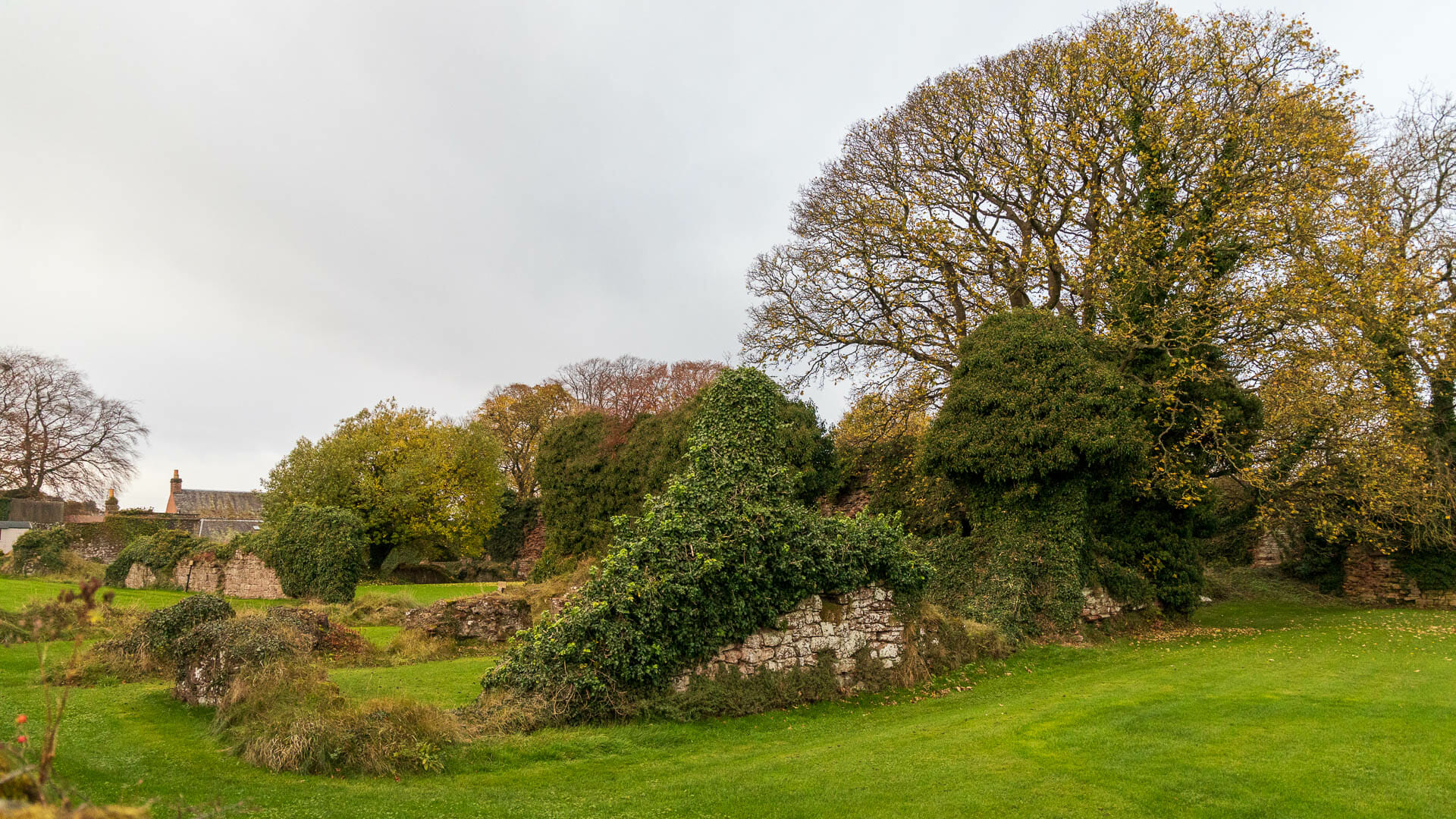
Lindores Abbey as a monastery was certainly significant in its day. Located just a few hundred metres from the River Tay, it had access to one of Scotland’s most important waterways, linking it to Perth and Dundee. At the time, it also lay on the border with the earldom of Moray, which was not exactly wholly loyal to the Scottish king.
It was David, Earl of Huntingdon, who is thought to have settled Tironensian monks here in 1191, as an offshoot of Kelso Abbey. Two of David’s brothers, after all, sat on the Scottish throne. For around 400 years, the abbey played a genuinely important role in the region, until 1559, when furious Reformation supporters ransacked the building. That was the end of it – the abbey fell into ruin, and its stones were carried off as building material.
The ruins now lie on the other side of the road from the distillery, and can be visited in a small park.
Getting there:
With a sat nav: entering “KY14 6HH” will get you very close.
Without a sat nav: coming from Edinburgh, take the M90 motorway. Exit 9 is signposted for Newburgh; leave the motorway here and keep right towards Abernethy. After a while, at the roundabout, go left towards Newburgh on the A913, then through Abernethy. You’ll soon pass through Newburgh, and at the edge of town, turn left BEFORE the petrol station. Shortly after, turn right into the distillery’s car park.