A village from a bygone era shows how the islanders lived around 1900. And you can not only visit the museum, but stay overnight too. Cosy peat fire included.
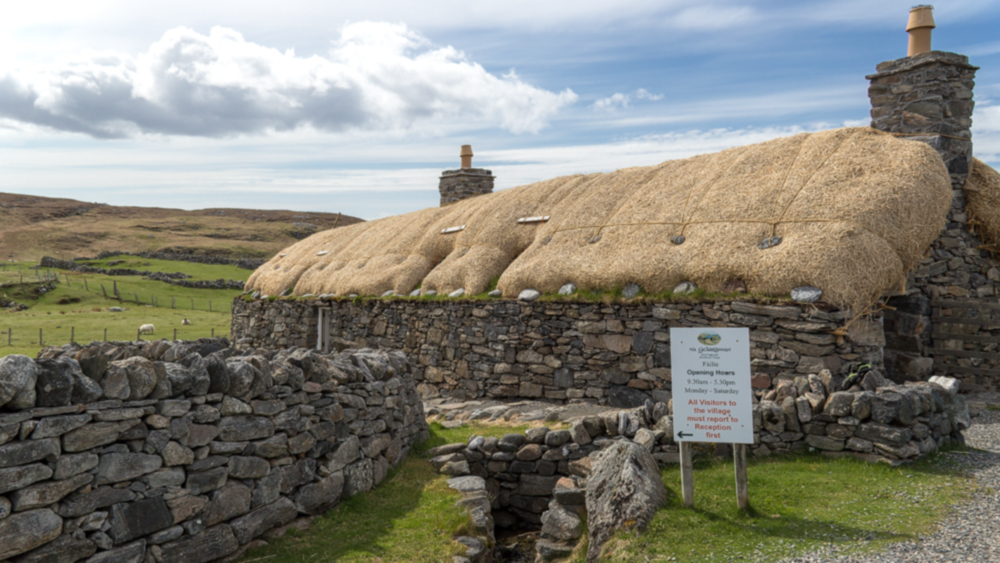
For decades, the low, dark houses had sheltered their inhabitants from the sharp westerly wind that sweeps through the little strait of Gearrannan from the nearby Atlantic coast. But by 1970, children’s voices barely brightened the rooms any more. Weddings hadn’t been celebrated here for a long time. Only the murmur of a few old folk remained, still telling stories as they spun the wool for Harris Tweed.
Stories like that of John MacLeod, his temper, his greed, and his loss. That was around the year 1835. MacLeod was distilling whisky with a few friends when a stranger appeared. Since he was brewing illegally and took the man for a tax collector, a scuffle broke out. The supposed tax official landed in the hot mash and was badly burned. As it turned out, the stranger was only a tinker.
So John MacLeod was as guilty as a man could be. That same day he packed his things and fled his village for America. Fate was kind to him: he found happiness with the daughter of a Native American chief. Her name was Haidawah, and she soon bore him a child. But when the gold rush broke out mid-century, greed drove him away from his family. He spent years searching for the precious metal, without ever growing rich.
Haidawah could not wait forever. On her father’s advice, she remarried and started another family. When MacLeod finally returned, his happiness was gone. Contrite, he too started a new family, and so the years passed.
At the end of their days, once both their new spouses had died, John and Haidawah were able to renew their marriage vows. So at least they had a few happy years together …
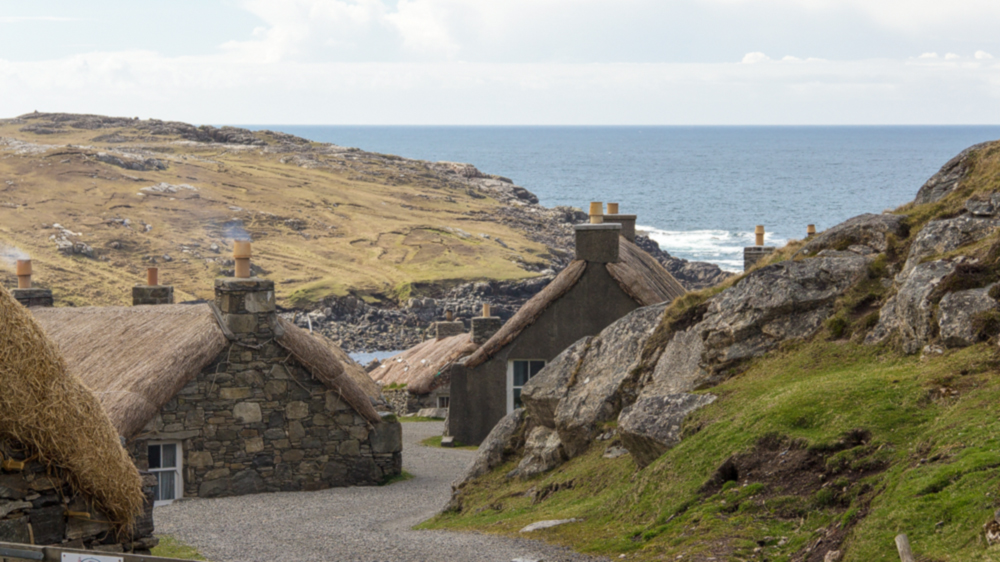
Yet however well things turned out for John MacLeod, this and other stories almost always told of villagers having to abandon their homes. For instance during the potato famine of the mid-19th century, when many followed John MacLeod’s example and sought their fortune in distant lands. Other former residents, young men, died in one of the two great wars of the 20th century. And those who did return soon succumbed to the lure of the cities on the British mainland: better jobs, more comfortable housing, an easier life.
So the village grew ever quieter. Quiet enough that eventually even the old folk no longer wanted to stay. In the early 1970s the last inhabitant closed the door behind them, and Gearrannan would surely soon have shared the fate of many blackhouse villages: slow decay, sinking into oblivion.
It turned out differently. Because some on the island recognised that these old houses were the last of their kind, that they were worth preserving, that they were part of the old culture.
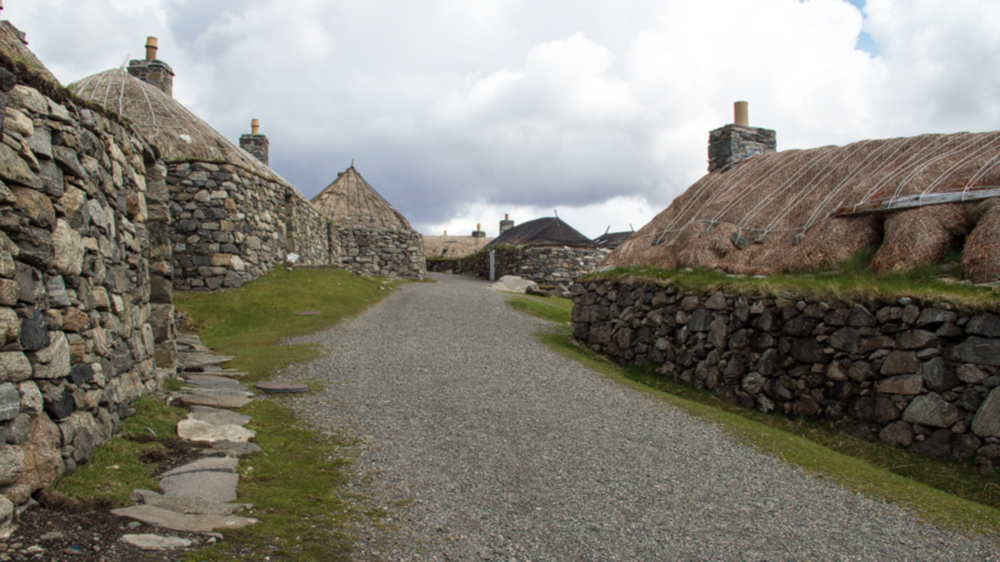
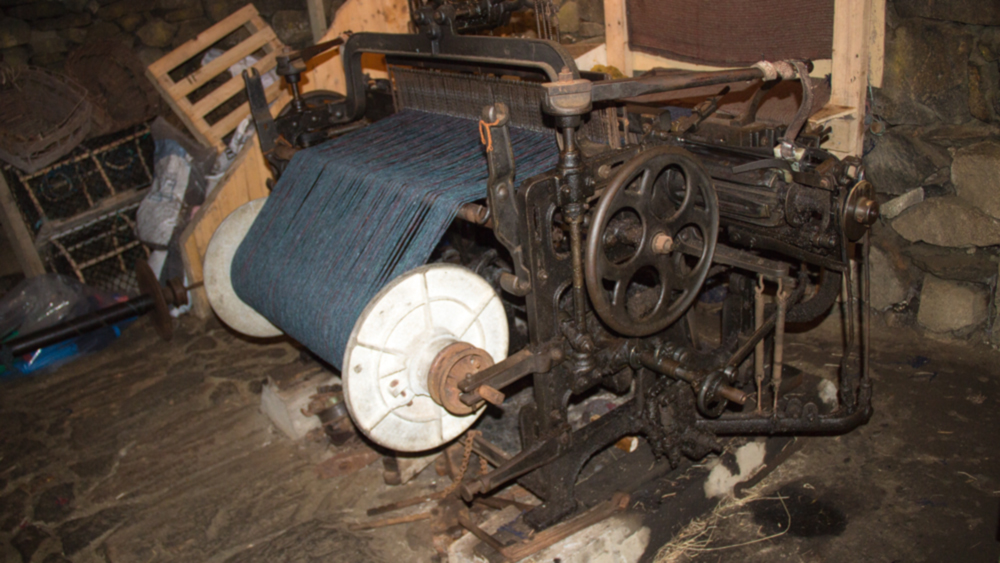
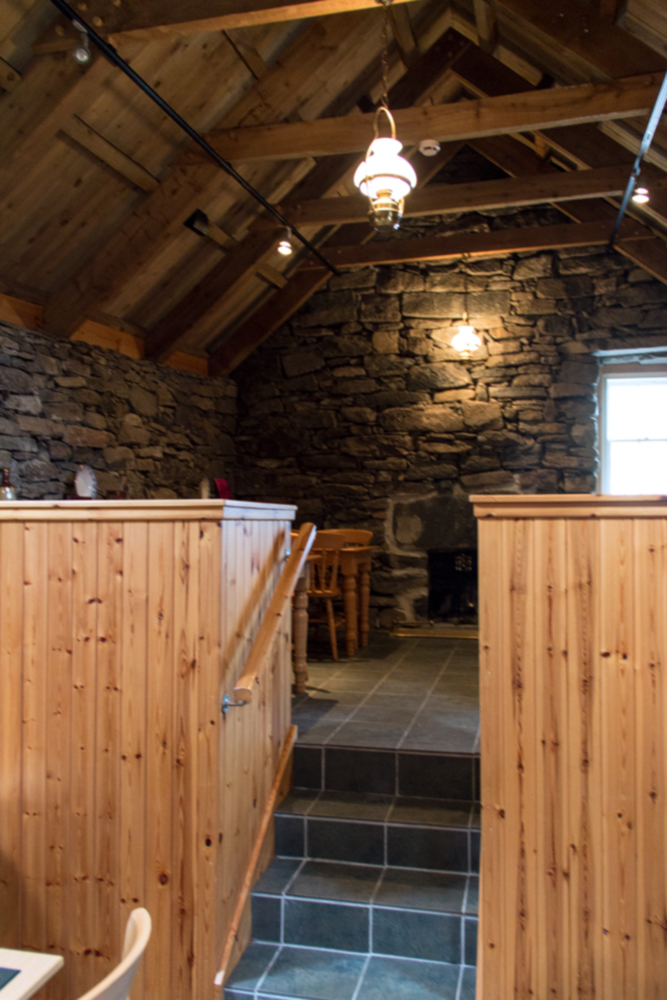
And so many voices fill the village once again: museum visitors sniff at the stacked peat, peer curiously into the old rooms, or watch a demonstration on the clattering loom. Walkers stoke the fires in the stone hearths of the renovated accommodation in the evenings. Strollers wander down the little main street on their way to the beach and round off their visit with a slice of cake in the small café.
Today Gearrannan is an ambassador of its time; one of the few villages that still shows how Scottish crofters lived over the past centuries.
Know: About the village
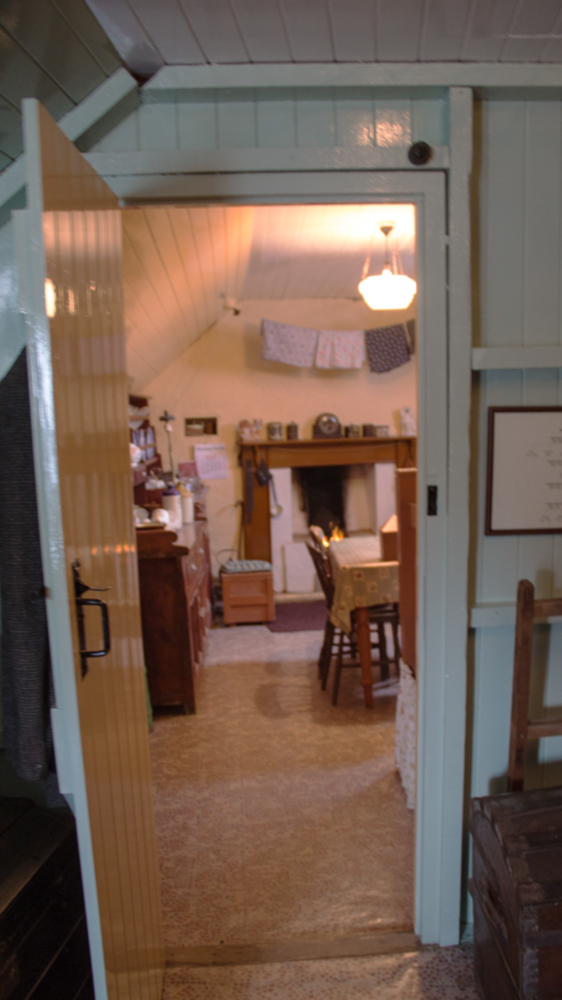
Gearrannan is pronounced roughly “Garenin” – which, incidentally, is also its English name. The village wasn’t always located here. The first settlements were quite a bit further south. It was only at the end of the 19th century that the traditional blackhouses were built on the site where they still stand today.
The village consists of nine renovated houses, four of which can be booked by guests. The accommodation comes in various standards: from a bunkhouse for 14 people to a 4-star cottage for small families.
Another blackhouse serves as a museum, showing the traditional interior around 1955. Yet another houses the shop and the small café.
Tip: The loom in action
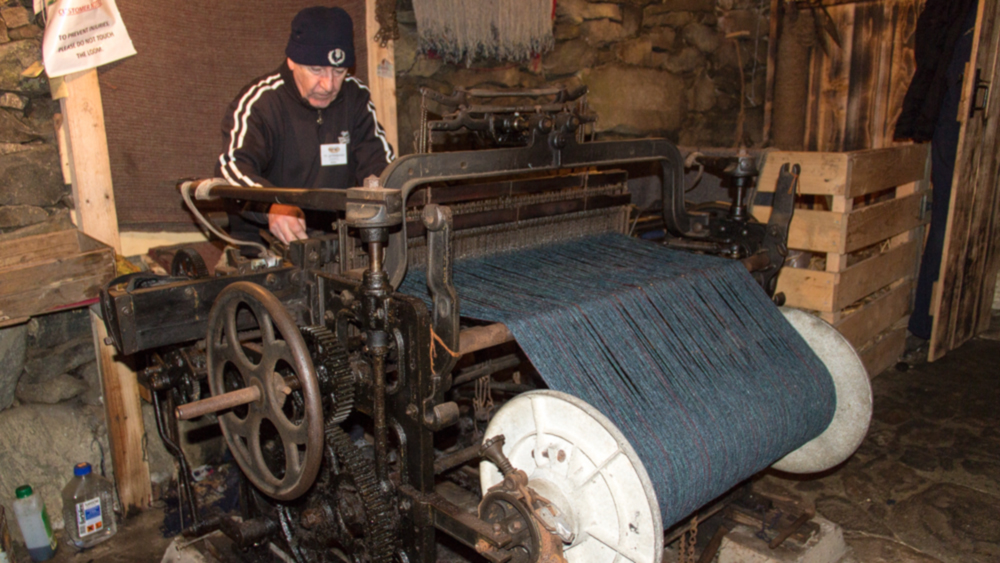
If you visit the museum house with the original furnishings, you’ll often find an elderly gentleman in a blue tracksuit sitting there. If you speak to him kindly, he’ll settle in behind the large loom next door and show you, loud and live, how Harris Tweed used to be woven here. He operates the loom with the power of his legs, while shooting the shuttle through the cloth at breathtaking speed.
Personal note: Peat and cake
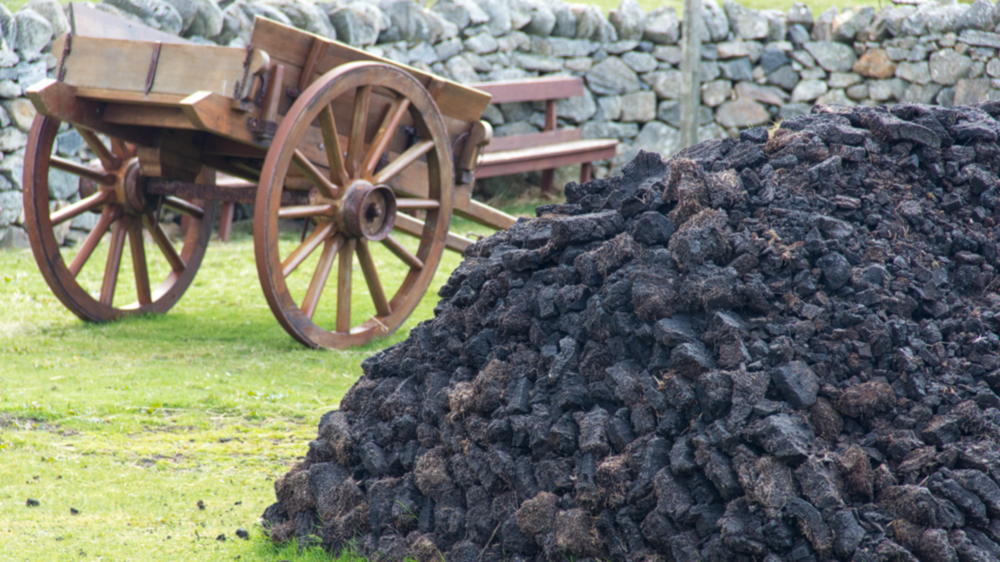
We were especially taken with the stack of peat, since we’ve always loved that wonderfully smelling fuel. On a friendly request at the shop, we were even given a small piece of it. This kindness was rounded off by a good homemade cake in the café, making the visit a wonderful experience. That said, it doesn’t offer much new if you’ve already visited the Museum of Island Life on the Isle of Skye.
Getting there:
With a sat nav: enter “HS2 9AL”, which takes you straight to the village.
Without a sat nav: from the capital Stornoway, first head towards Tairbeart, then shortly after town take the turn onto the Bennadrove Road (A858). A little further on, turn left towards “Carlabhagh” (Carloway). Stay on this road for about 35 minutes until you cross the stone bridge just beyond Carloway. Here a sign already points the way to Gearrannan. Turn left and follow the road right to the end.