100,000 exotic plants, a Victorian glasshouse and a turbulent history – the Royal Botanic Garden Edinburgh offers a very special encounter with nature in Scotland’s capital.
At some point in the year 1670, two scientists planted the first plant from another continent near Holyrood Abbey. Their names: Robert Sibbald and Andrew Balfour. They laid the foundation of a collection known today as the Royal Botanic Garden Edinburgh.
It wasn’t a good time back then: religious conflicts raged across Scotland. Sanitary conditions in Edinburgh were dreadful and helped fuel outbreaks of the bubonic plague. Nothing that brings to mind green gardens full of colourful plants. But perhaps it was exactly these conditions that created a need for hope – in the form of new medicinal plants, or simply exotic beauty.
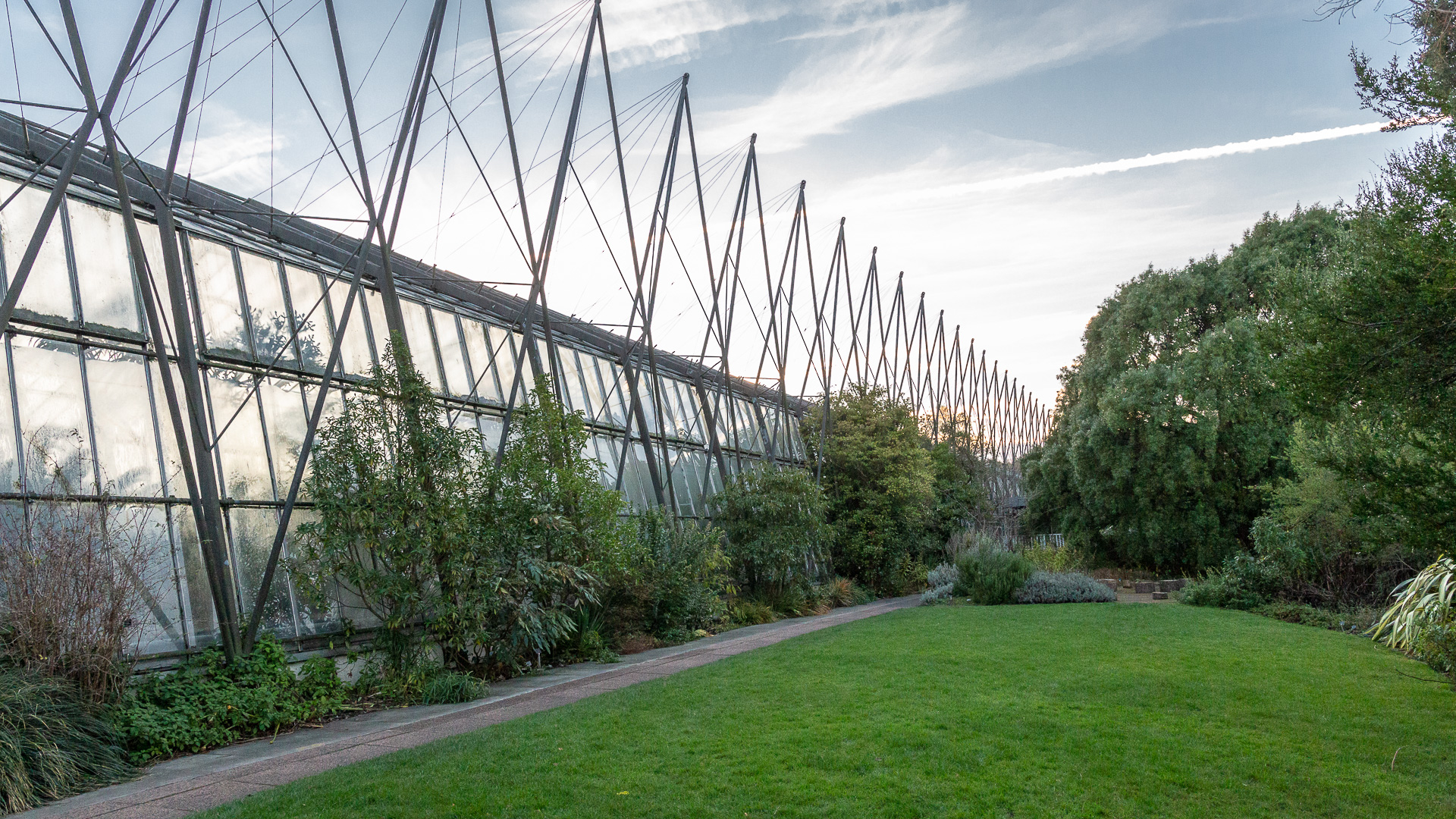
With the growth of the British Empire, the collection grew too, over time. In 1820 the botanic garden moved to its current site in Inverleith. No wonder, since today’s garden needs plenty of space: around 100,000 plants are spread across the sprawling grounds and its ten glasshouses.
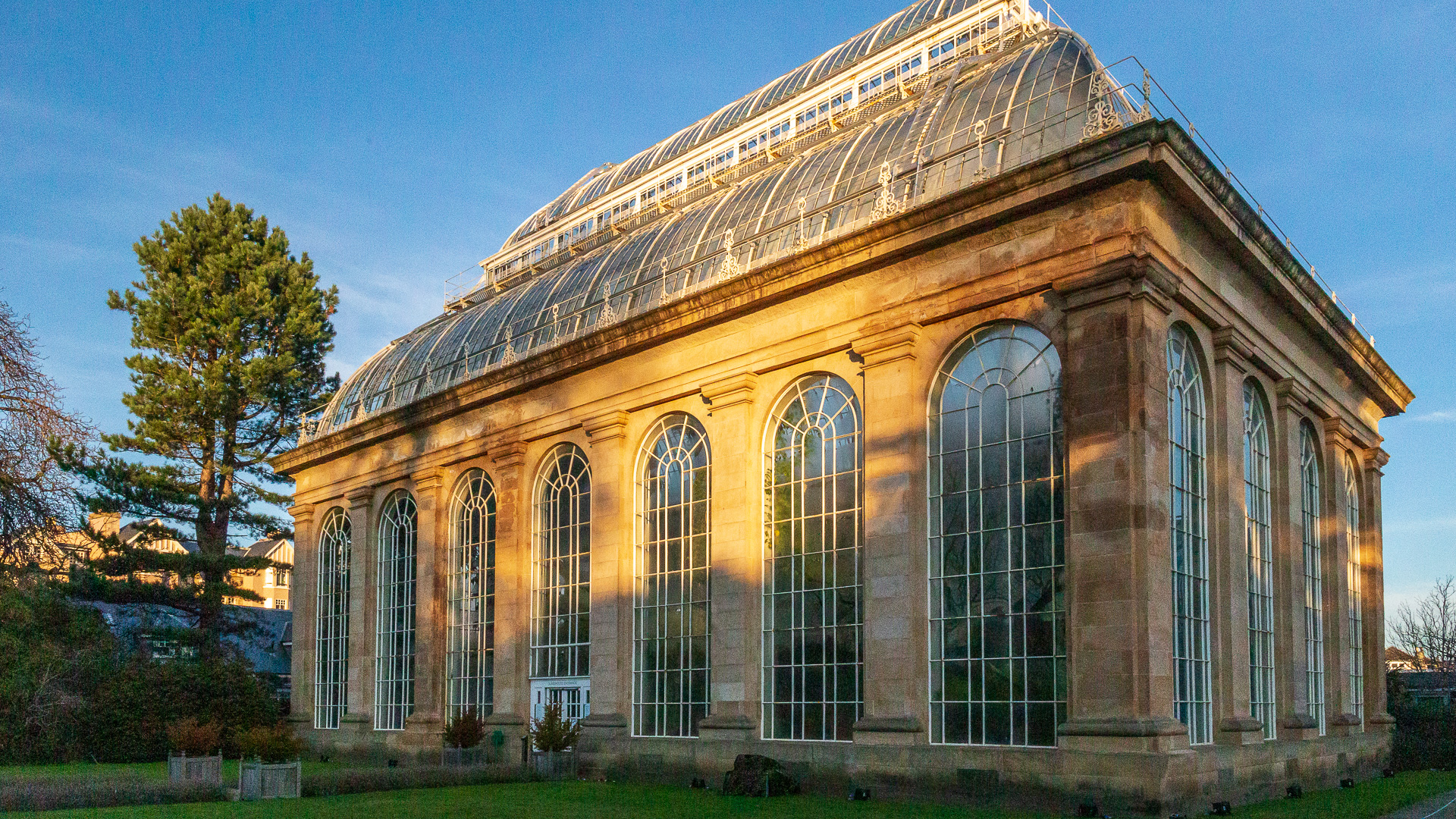
Among them the famous and beautiful “Temperate Palm House” – certainly the best-known building on the grounds, and still the largest palm house in the United Kingdom. And yet it’s merely the entrance to the interconnected world of glasshouses at the Royal Botanic Garden Edinburgh.
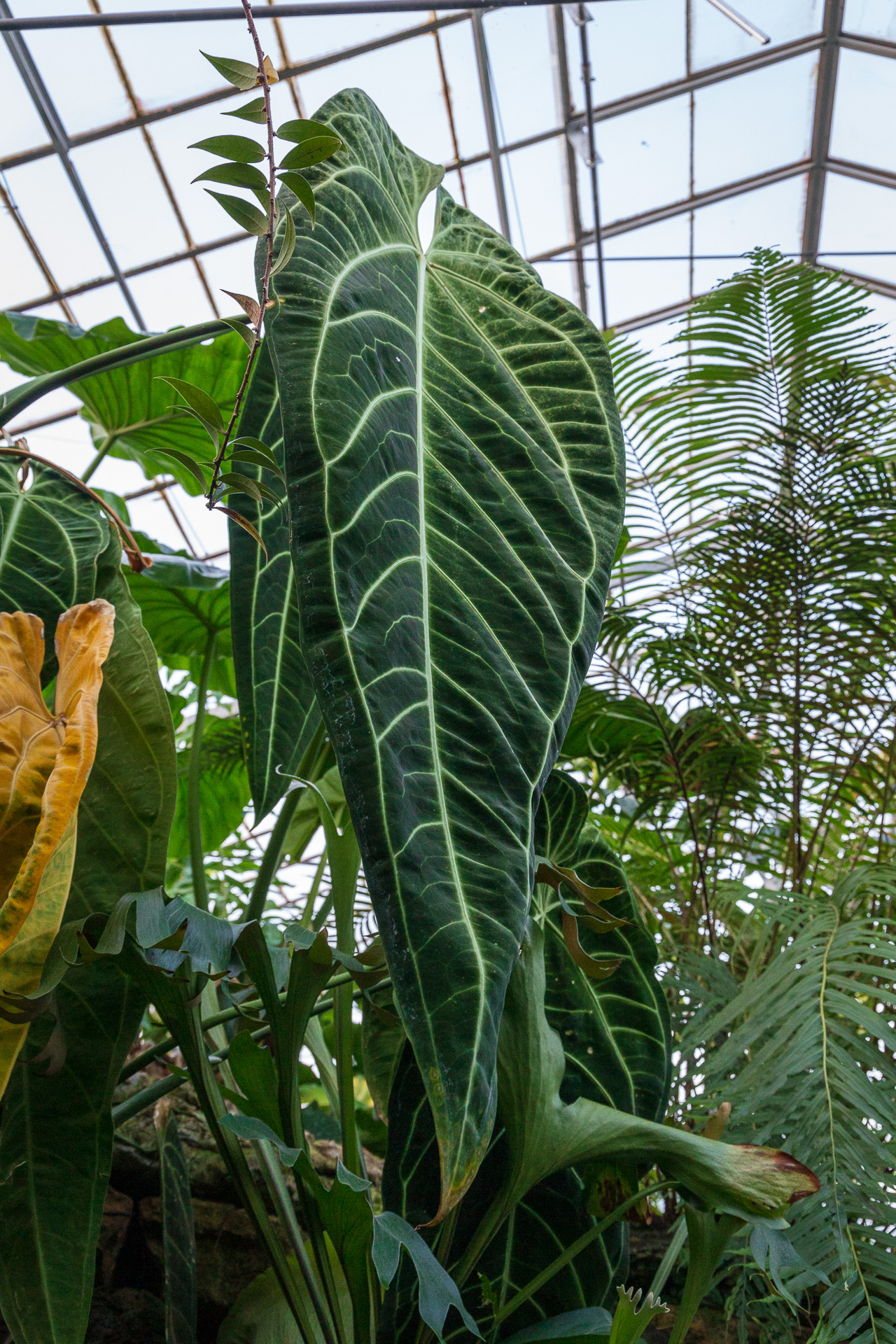
Once visitors’ glasses clear up again after fogging over inside, they feel transported not just to another continent, but – if they look closely at the ground – to another era, one where dinosaurs roamed the forests. Because the stone here bears the imprints of the extinct rulers of the earth.
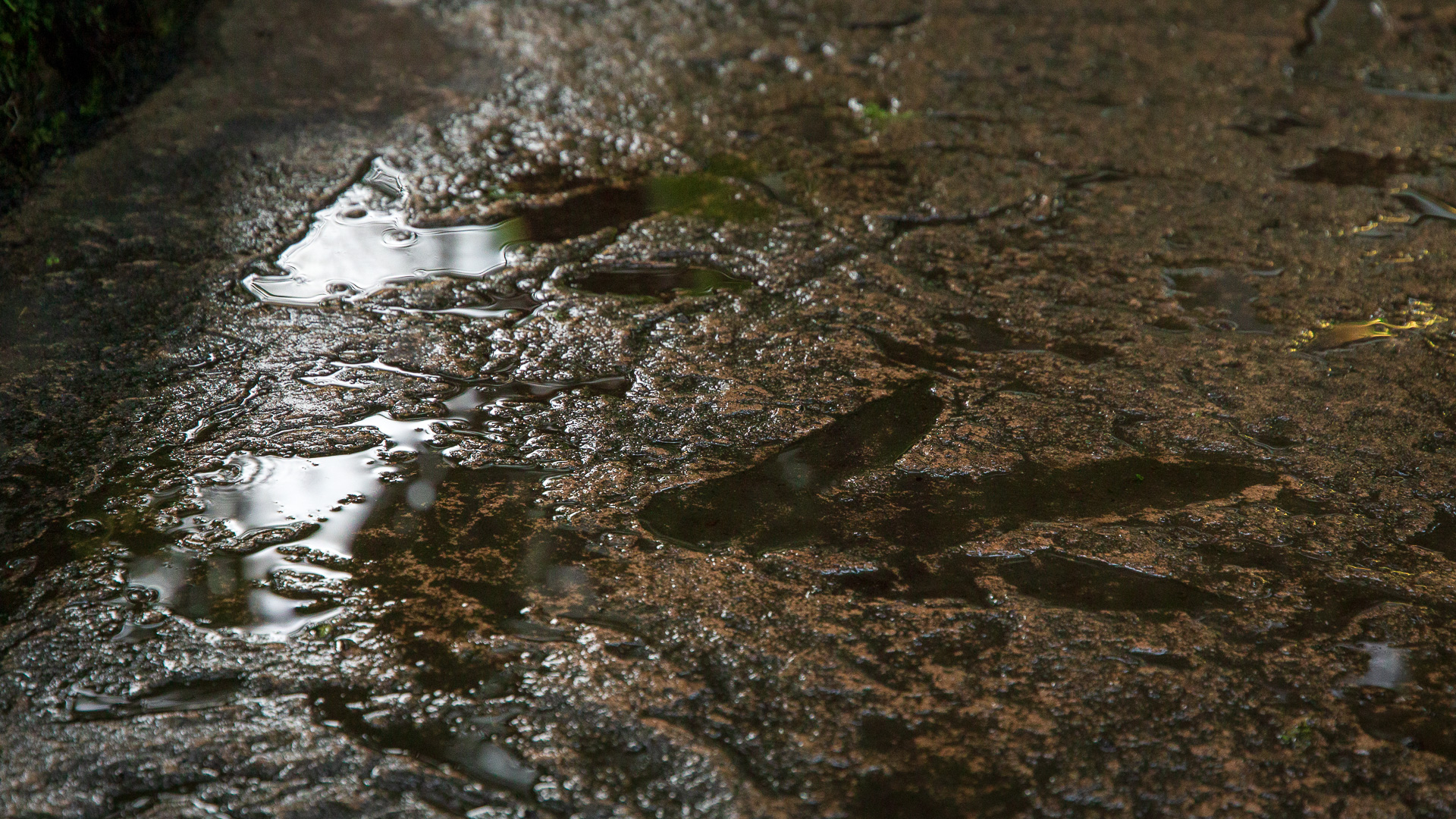
Of course, these footprints aren’t real – the slabs are artificially made. The plants, however, are not.
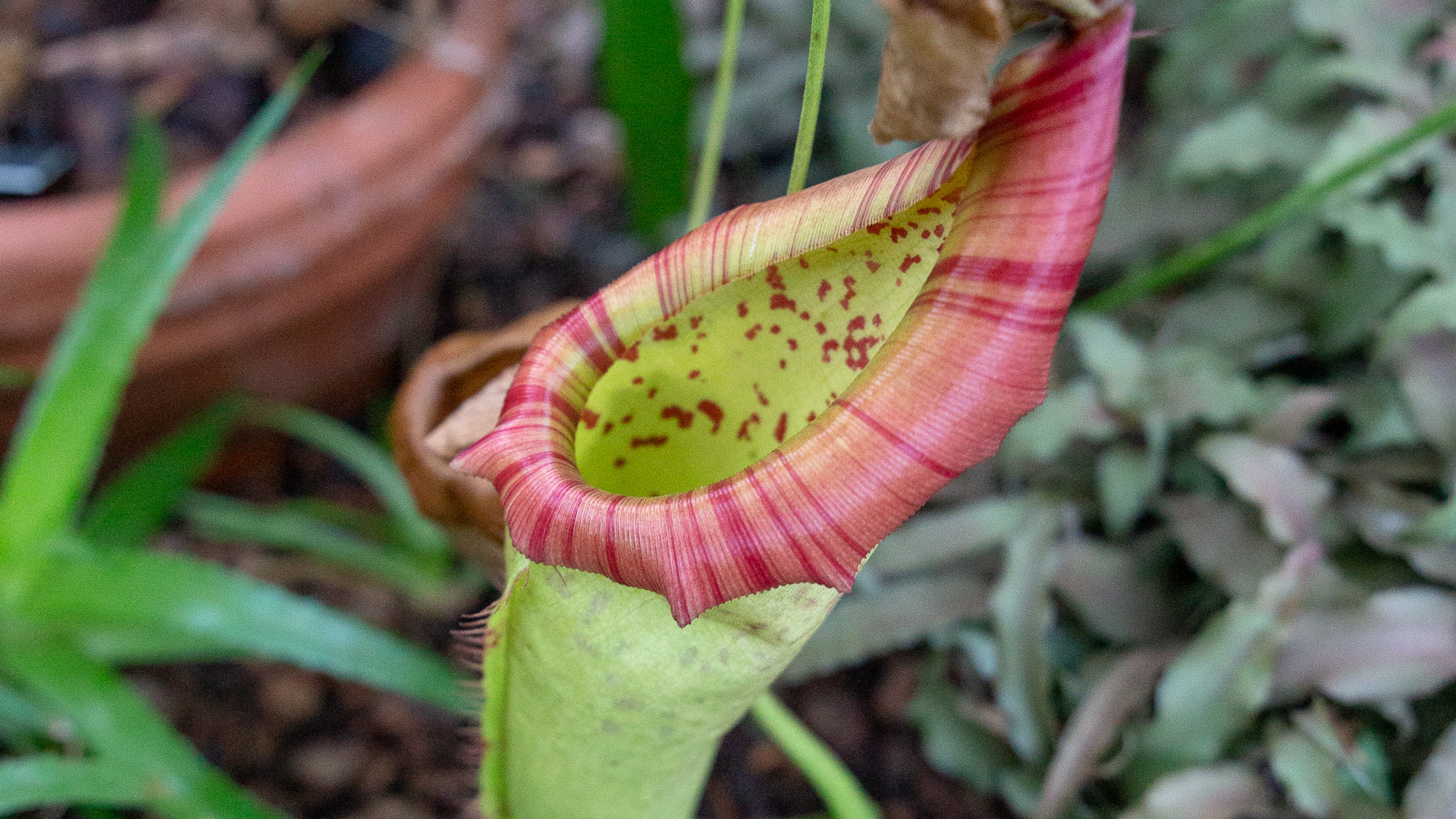
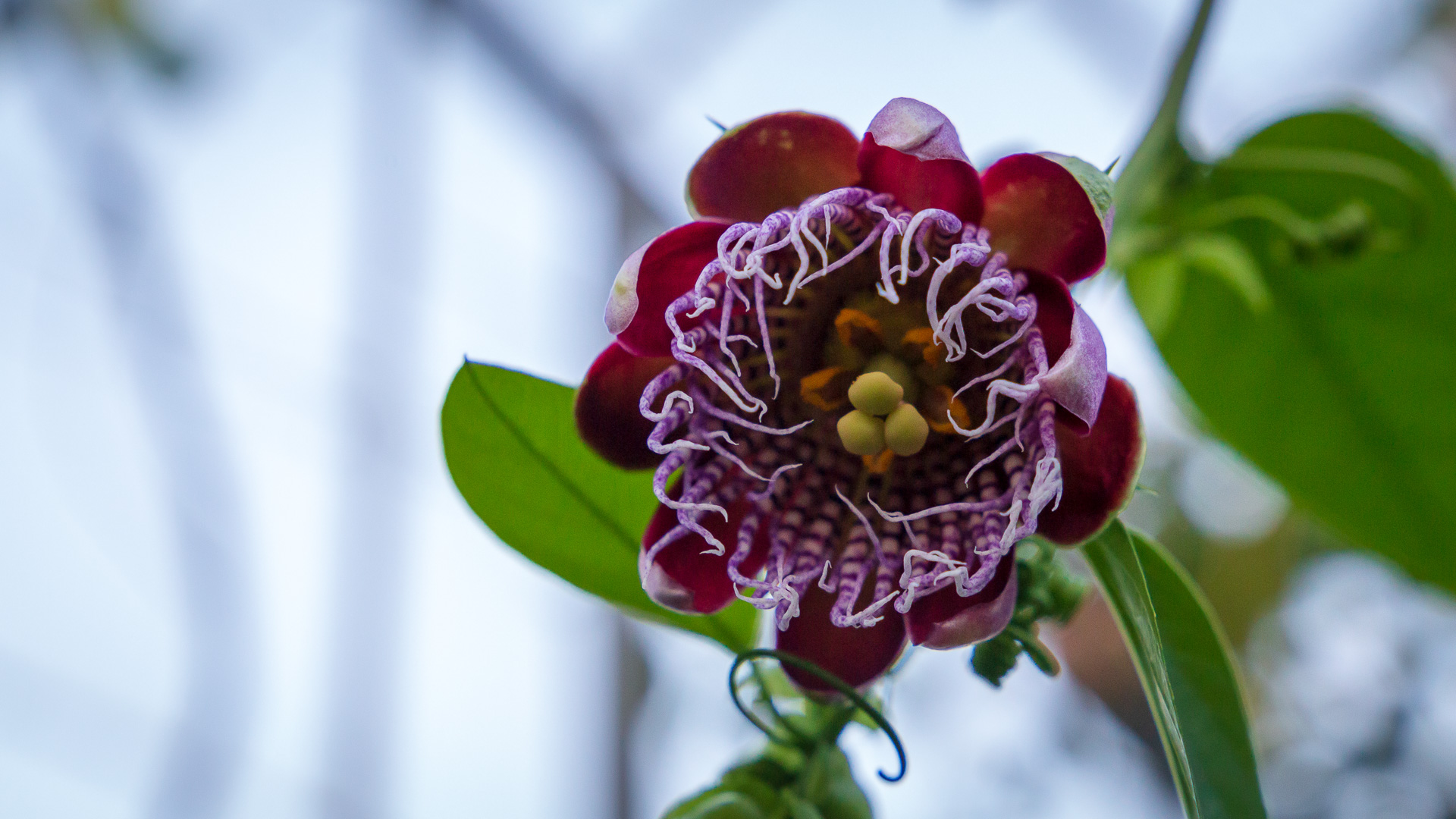
The glasshouses have a genuine star attraction: Amorphophallus titanum, known in English as the “titan arum” or “corpse flower”. To attract insects, the plant releases a foul stench when it blooms – and it does so so rarely that around 20,000 visitors came to see its last bloom in 2015. Otherwise, the plant appears either just as a tuber or as a kind of tree.
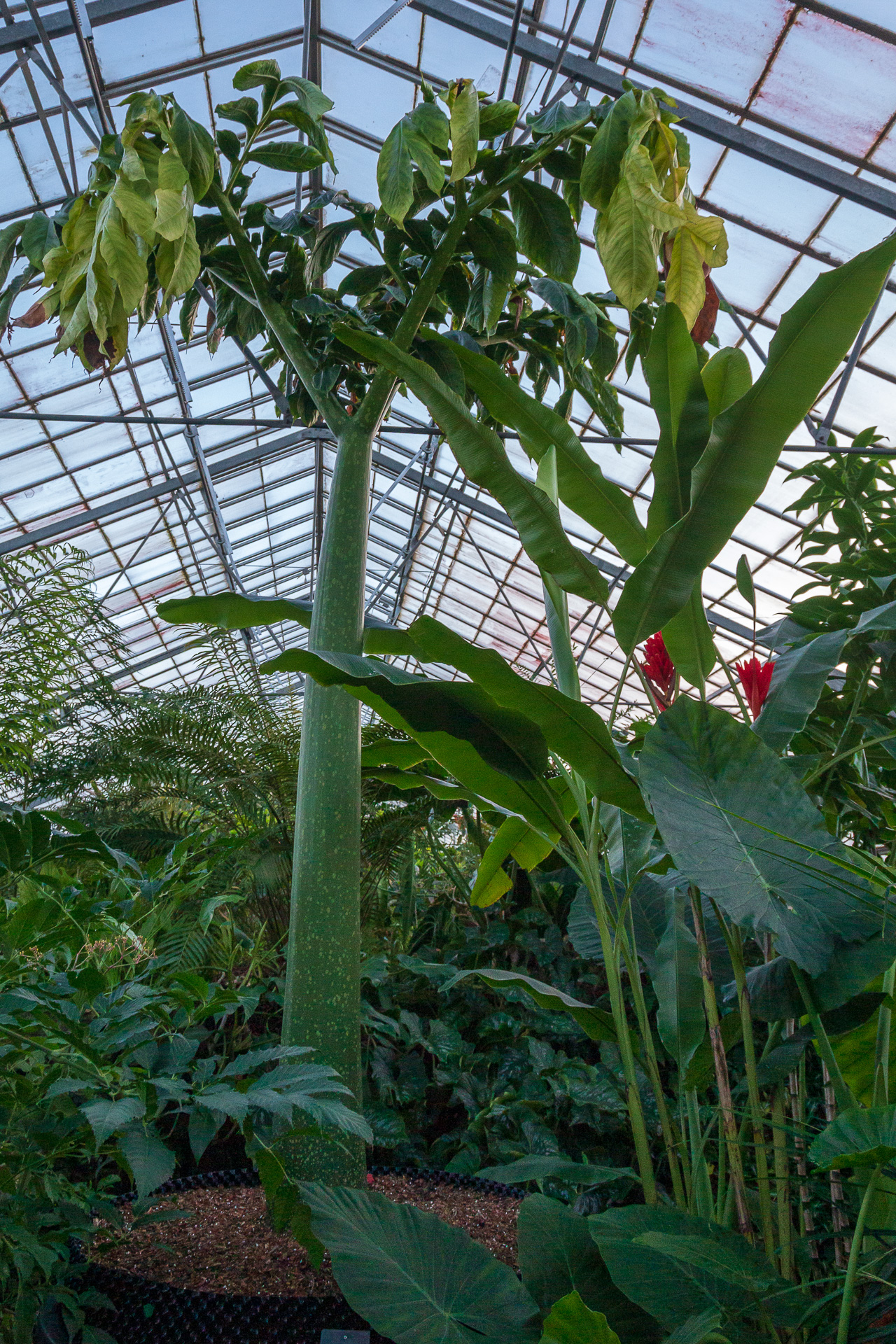
These days there’s also an Amorphophallus konjac, or “devil’s tongue”, alongside it. It at least blooms every March, its flower growing up to 55 centimetres tall. You can follow both plants, incidentally, on Twitter.
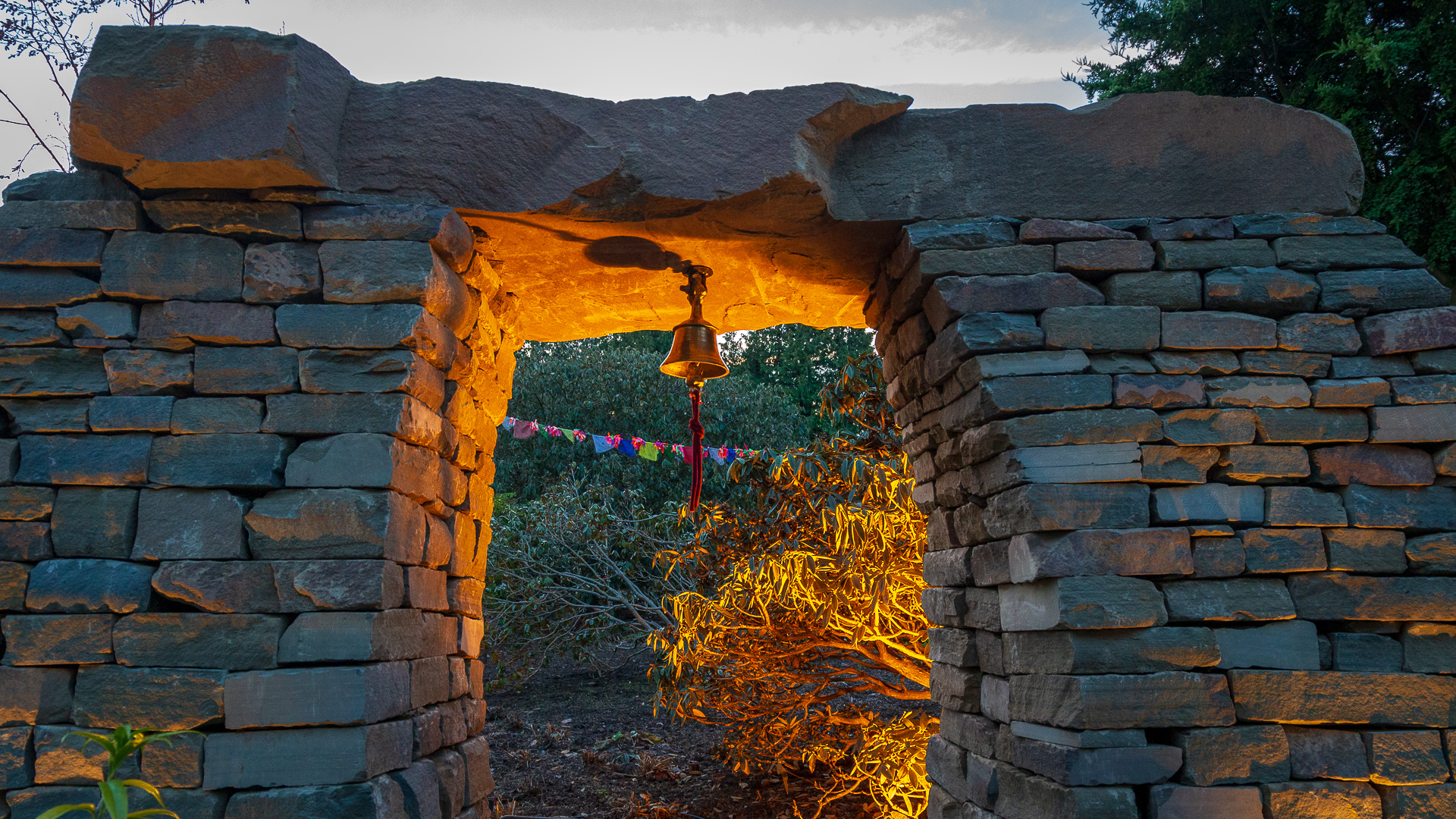
To keep this and other wonders alive, around 100 scientists work at and within Edinburgh’s botanic garden. But don’t worry: things never get dull here – certainly not inside the glasshouses. Because scattered across the large garden grounds are also small artworks and installations. Events such as the winter light show keep bringing fresh energy to the site.
Anyone who knows Scotland knows there’s hardly an attraction here without a café attached. That applies to the Royal Botanic Garden Edinburgh too, of course. From there, visitors even get a decent view towards the city.
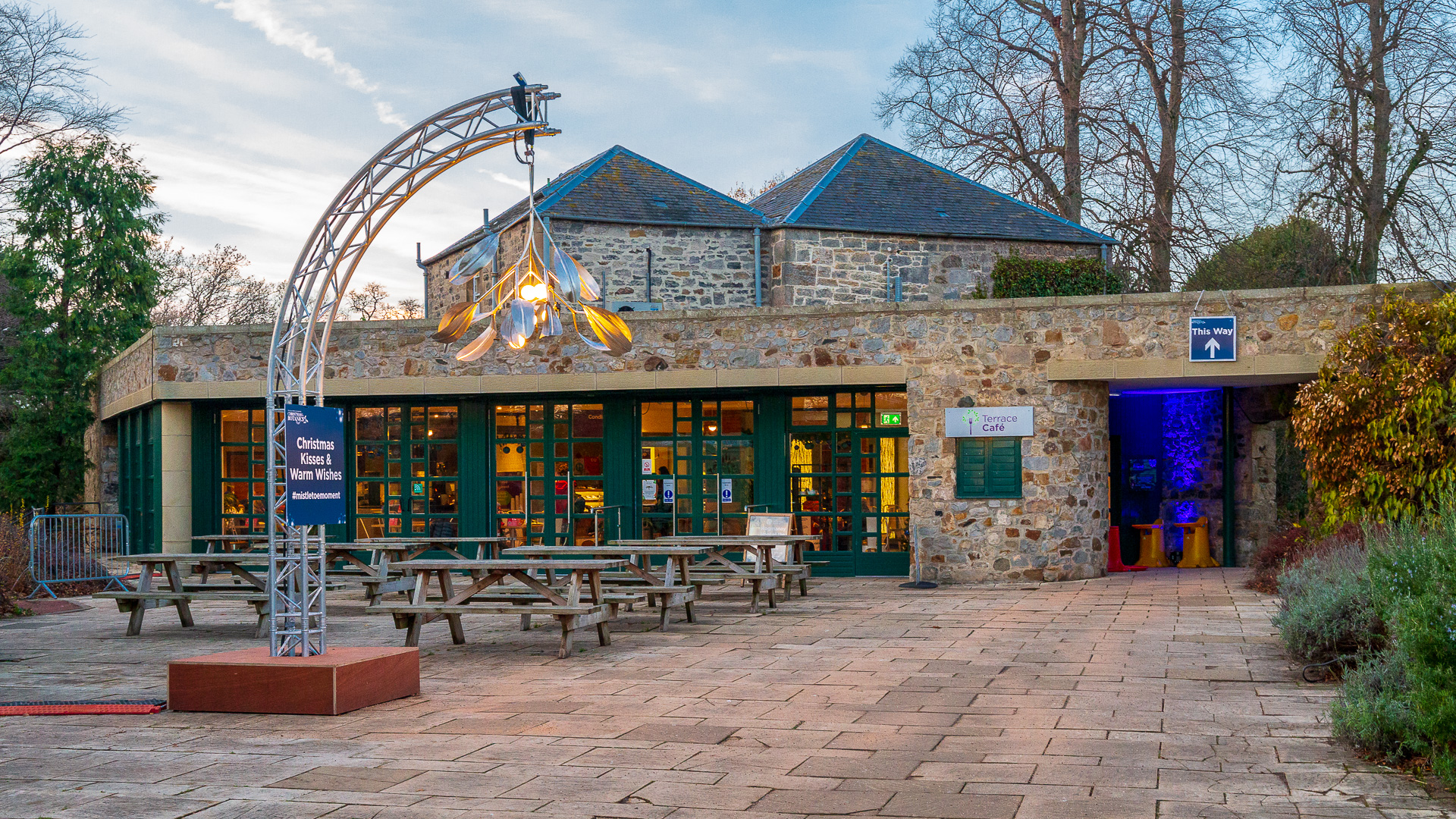
The history, the facts, the photos in this article… in the end, they don’t really do this great garden justice. Because once it truly bursts into bloom, visitors are met with a riot of colour and scent that can no longer be captured in words.
Good to know: Inverleith House at the Royal Botanic Garden Edinburgh
One building stands out in the park: Inverleith House, an old manor house designed and built in 1773. When Edinburgh’s botanic garden found its new home in Inverleith in the 19th century, the garden’s director at the time was permitted to live here.
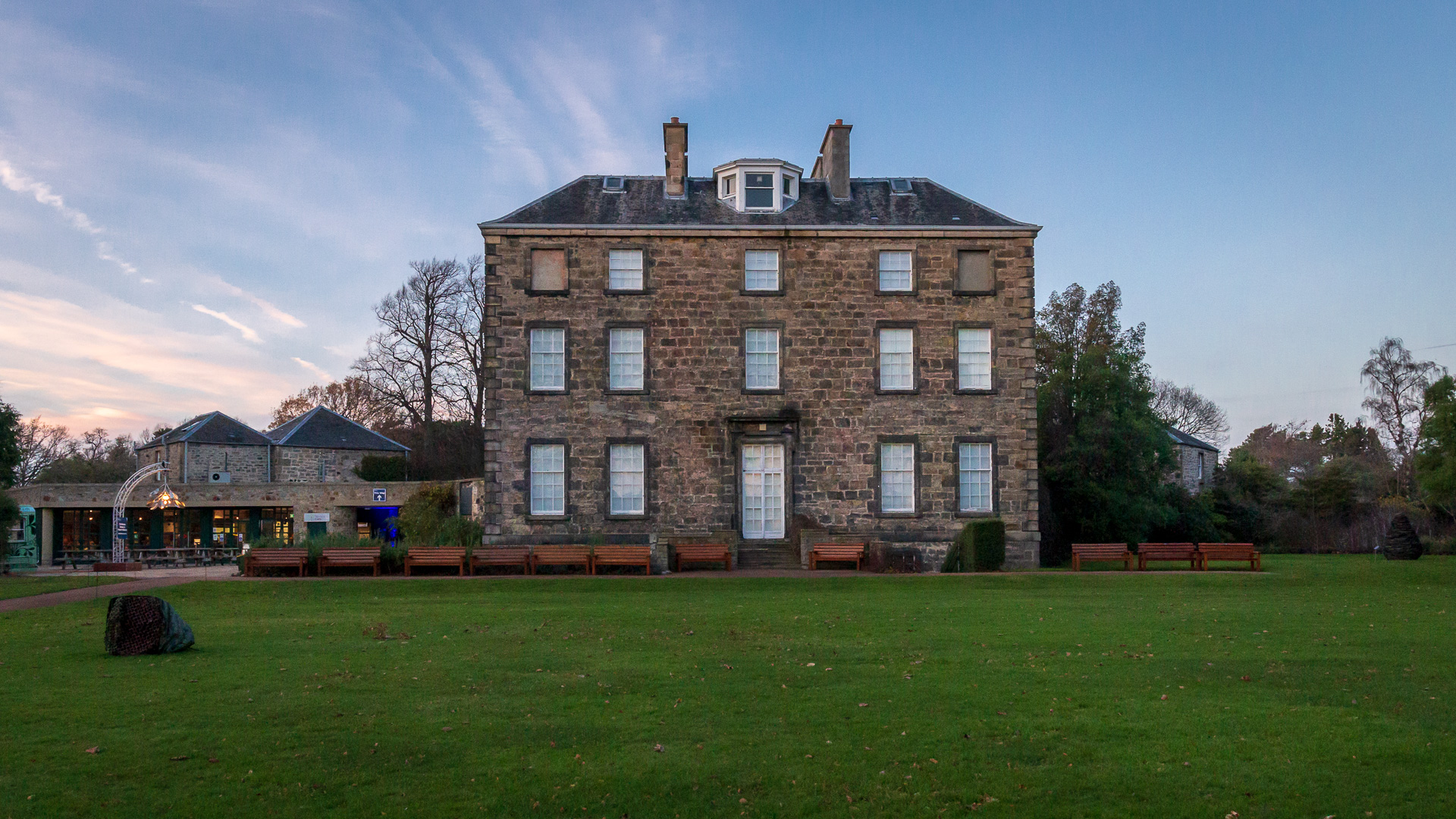
In 1960 the house then served as the Scottish National Gallery of Modern Art. It soon became too small for that purpose, though, and the gallery now occupies two much larger buildings. Even so, art exhibitions are still held at Inverleith House today.
Getting there:
As is true everywhere in Edinburgh: “everything is 20 minutes away.” On foot from Princes Street in the city centre, it takes just about that long – and along the way you’ll pass a fair few interesting corners of the city.
By car, it’s best to head for Inverleith Terrace and Arboretum Road. There are plenty of parking spaces there, though they cost money on weekdays.
By bus, it’s easier still. Lothian City Buses 23 and 27 both have a stop called “Royal Botanic Gardens” at the park’s east gate.