Not just one, but two bridges span the deep gorge of the River Devon, one above the other. A walk here reveals wonderful nature.
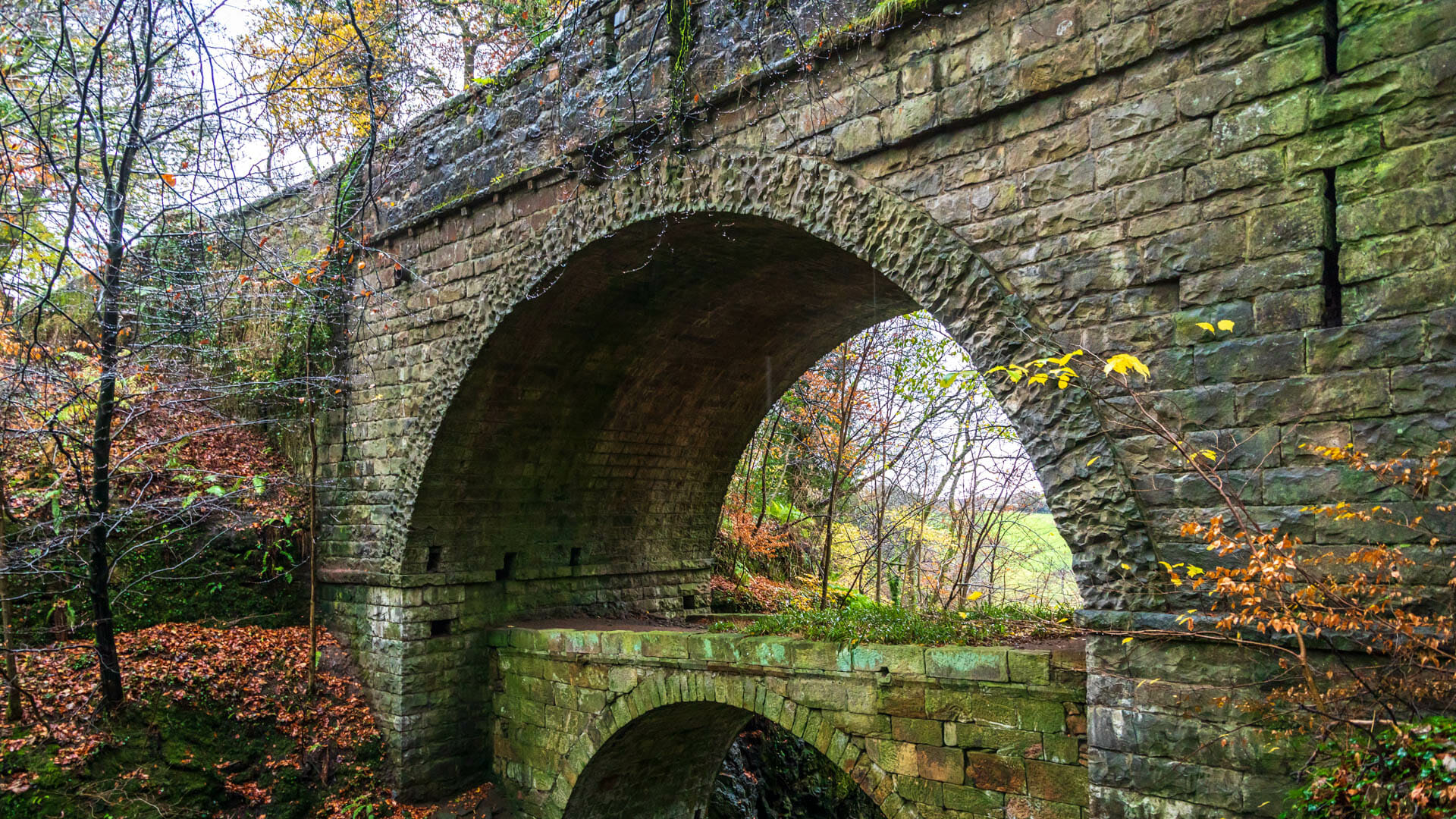
It makes a very particular sound, and that’s what gave it its name: Rumbling Bridge. But that’s not the only thing that makes this structure, about 50 kilometres north-west of Edinburgh, so interesting.
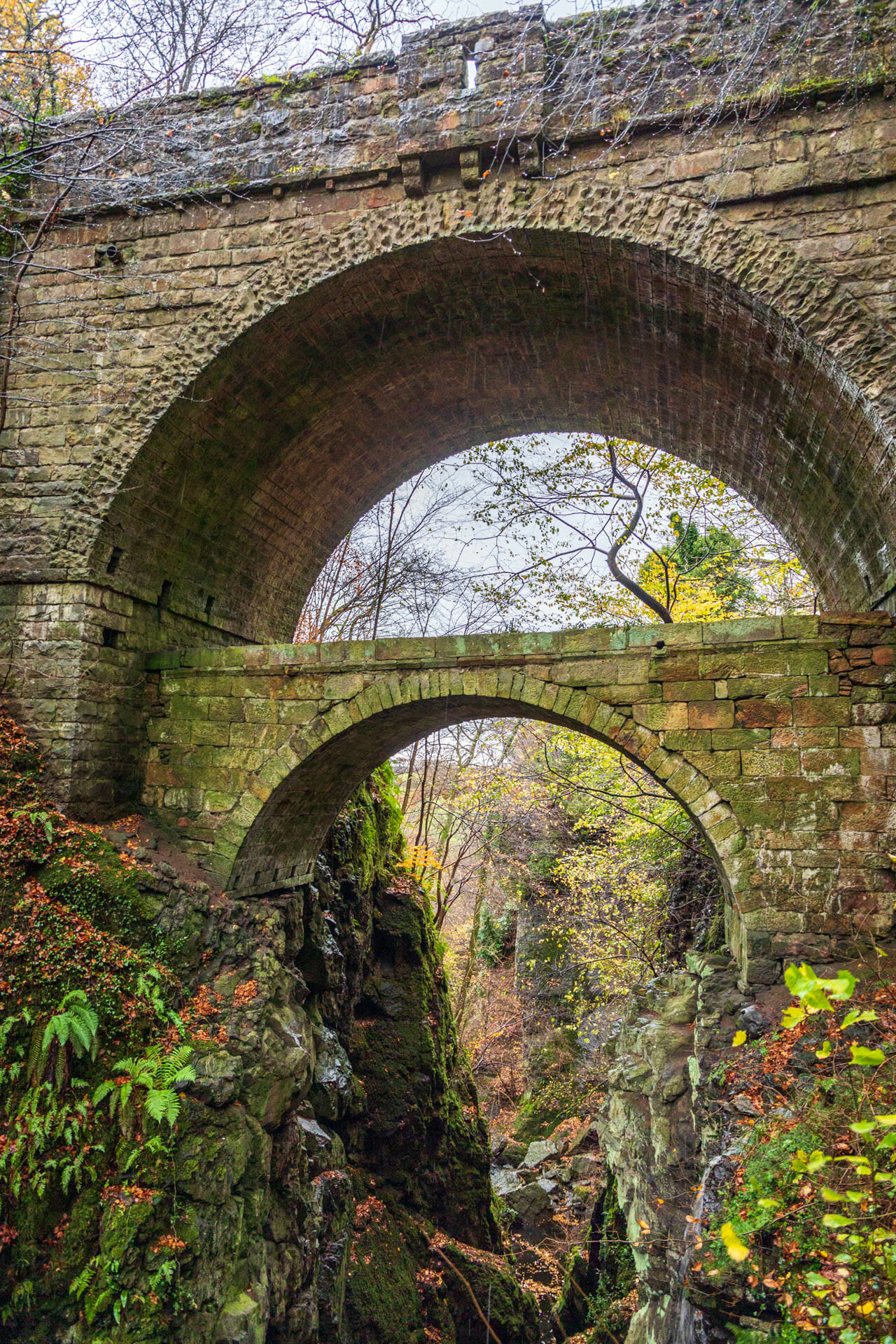
For one thing, there’s the River Devon. It has carved a deep, narrow gorge into the rock – in the Alps, you might call it a canyon. And this gorge isn’t spanned by just a simple bridge either. Instead, you can see two arches, since this is actually two crossings built one above the other.
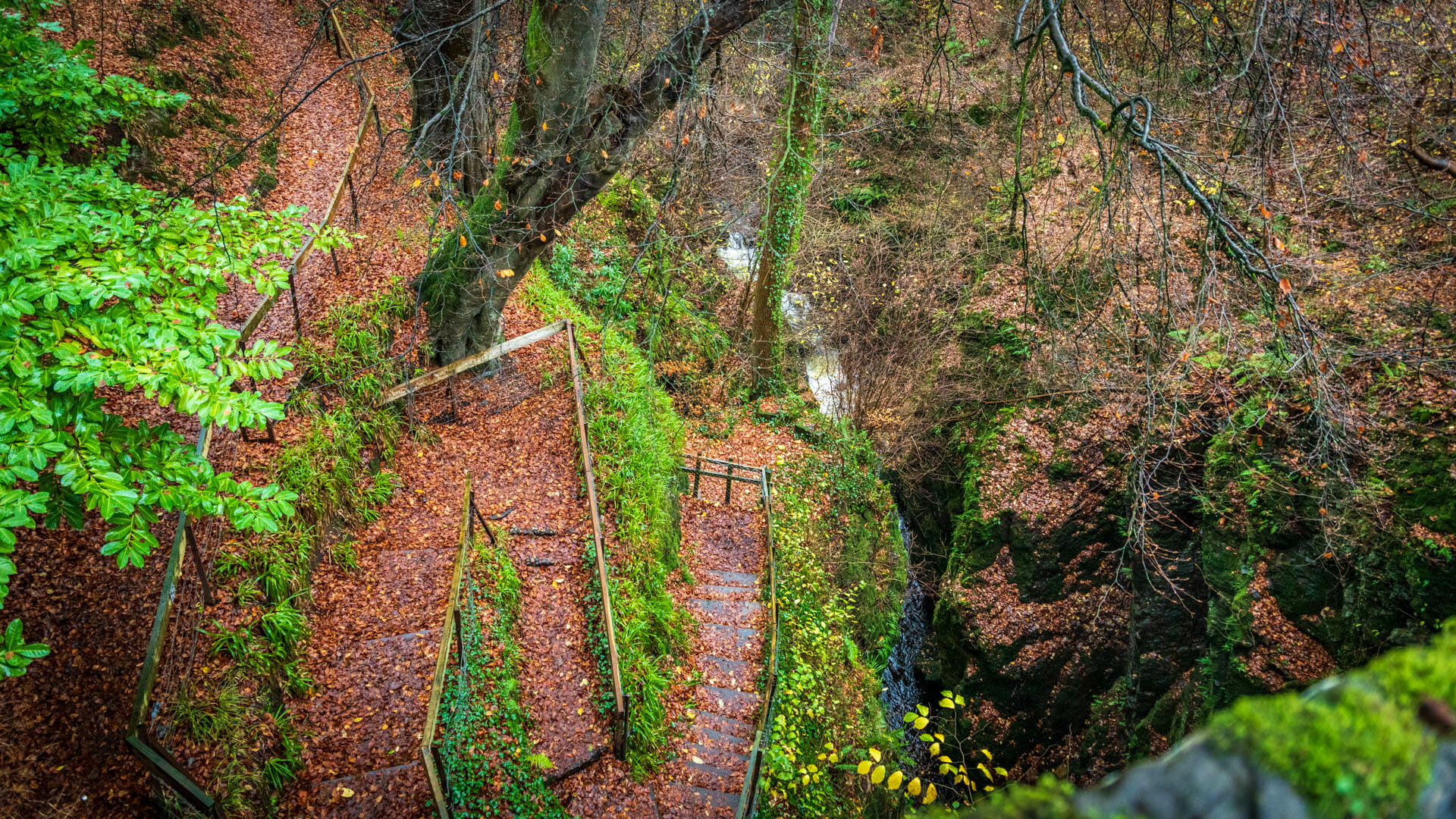
To explore both the gorge with all its waterfalls and the bridge itself, visitors can set off on a short walk. From Rumbling Bridge begins a well-maintained network of paths, wooden bridges and viewing platforms.
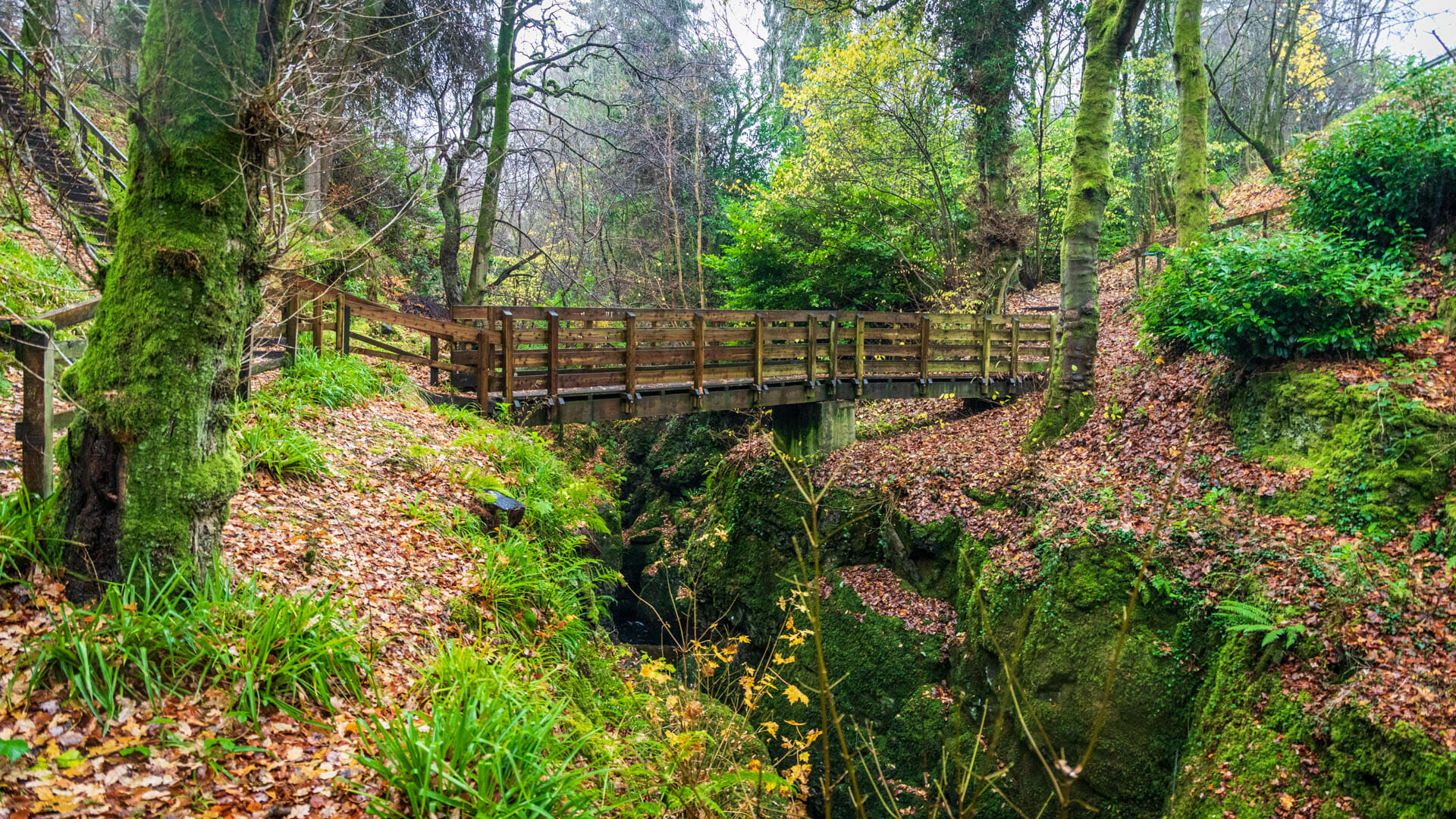
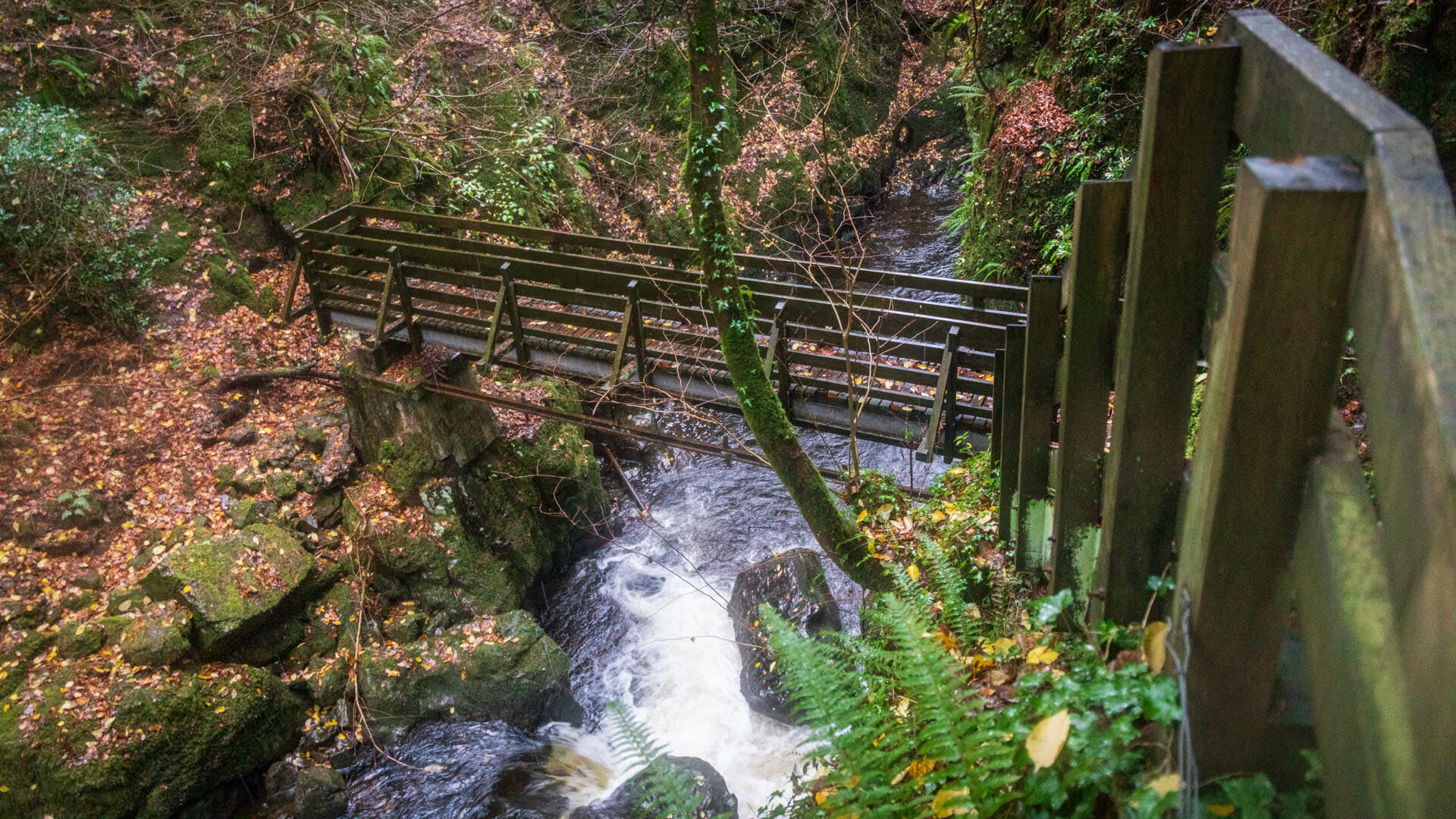
While the outward path on the east side of the Devon only offers a few glimpses into the gorge, that changes with the second wooden bridge, which opens up deep views into the chasm.
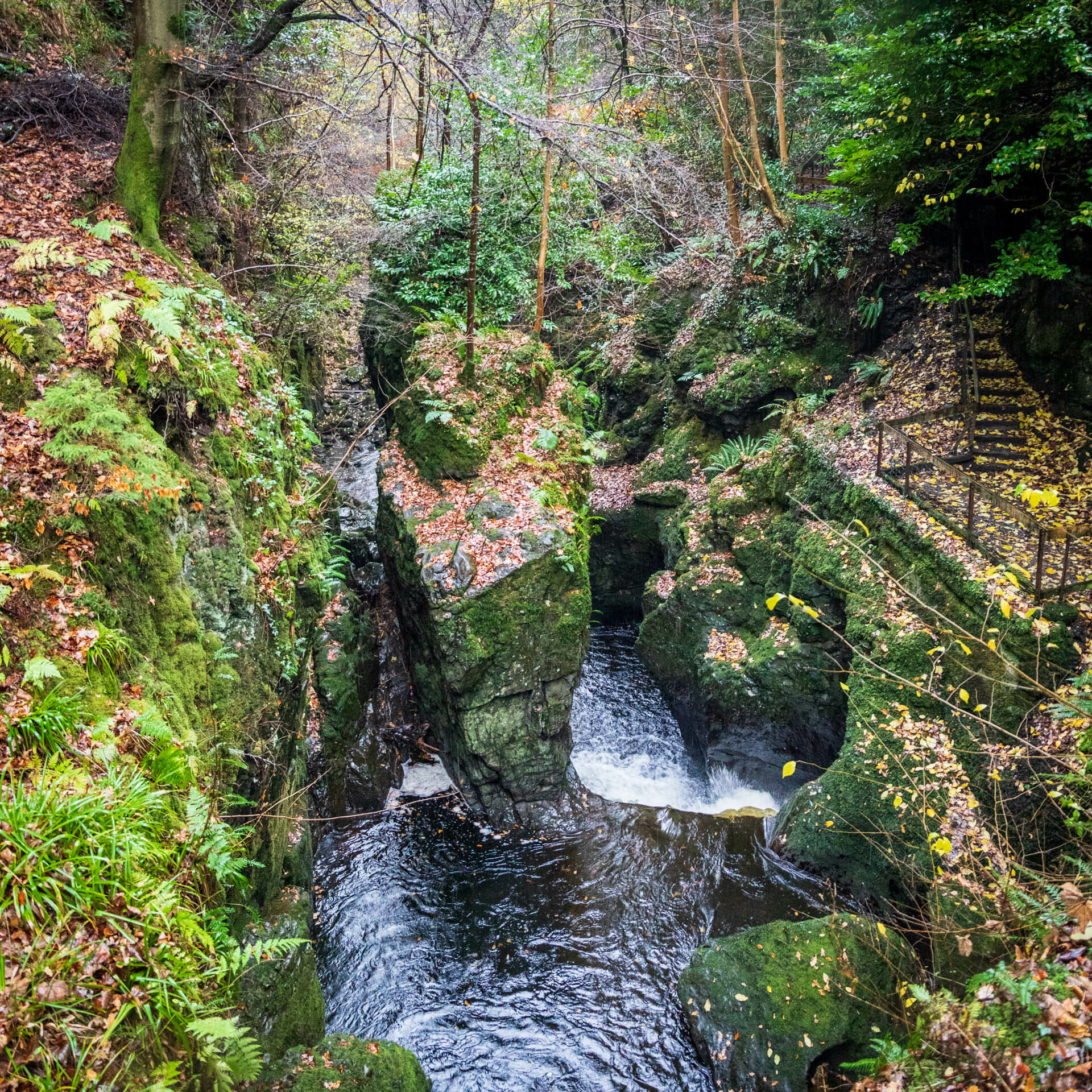
The section beneath the wooden bridge is called the Devil’s Mill. Here the gorge narrows once more, sending the water crashing through tight channels. A natural spectacle that can also be enjoyed again from a lower platform.
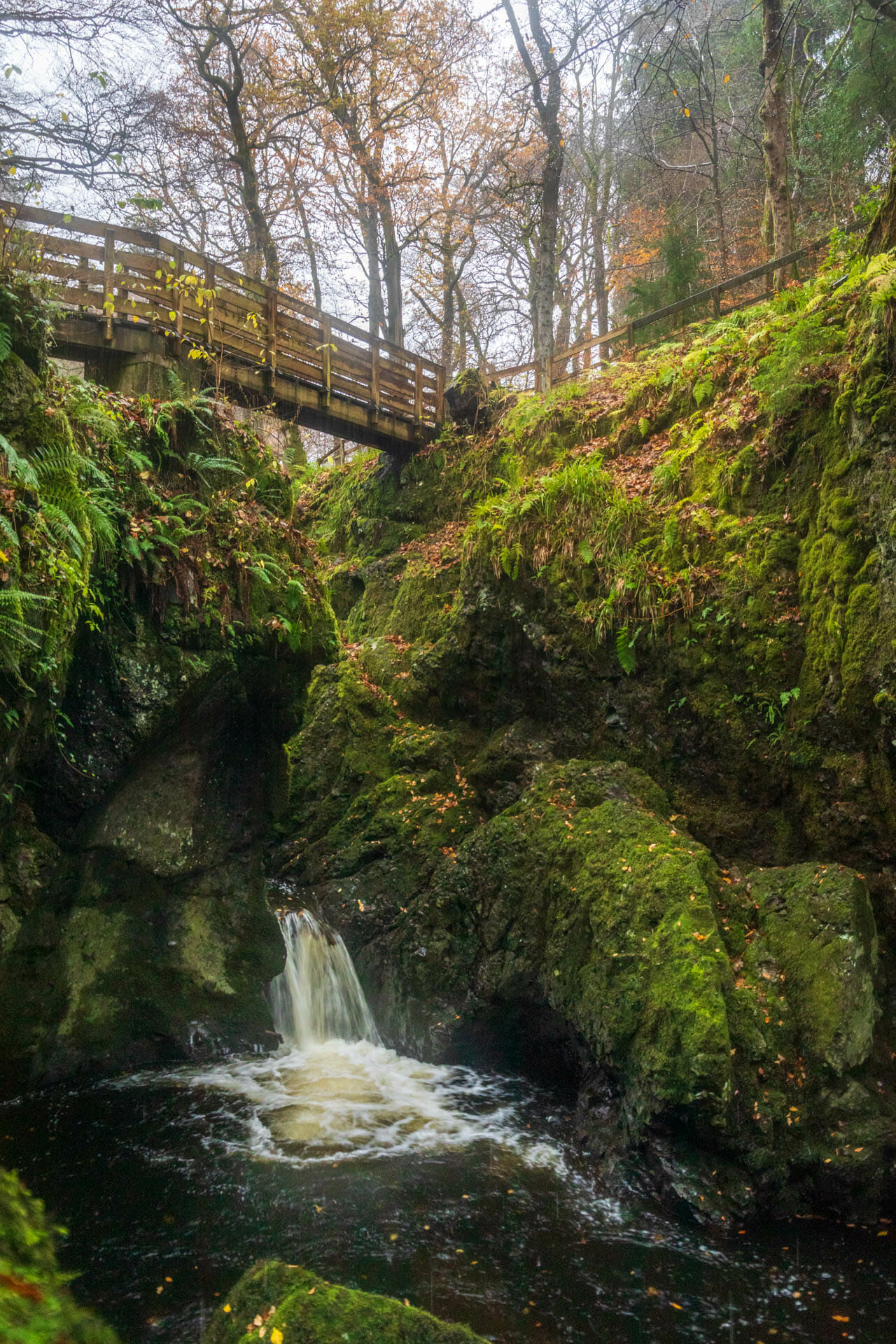
Another bridge spans the Devon a little further downstream. It was built solely to provide a view into the gorge.
After that, the path leads back up to the top edge of the gorge again. It returns to Rumbling Bridge, where one final viewing platform reveals the full beauty of the stone bridge.
After that, the walk is over, and you can cross back over Rumbling Bridge to the starting point. The whole route is only a few hundred metres long. Taking your time, it takes about three quarters of an hour.
Map: the walking route at Rumbling Bridge
Good to know: about Rumbling Bridge
Why does Rumbling Bridge look so unusual? Why two arches, one above the other? The answer: the first arch dates from 1713 – a stone bridge with no parapet, reached by a path that led steeply down and then just as steeply back up again. To fix this, the second bridge was built 103 years later, some ten metres above it – now level with the road.
But the structure produces a distinctive sound beneath it, which is how it earned the name Rumbling Bridge. In 1863, a railway station was even built here, also named Rumbling Bridge. The beauty of the bridge and the gorge soon attracted day-trippers from Edinburgh – an early form of Victorian tourism. They needed somewhere to stay, so a hotel soon followed. By then, the whole place had come to be known as Rumbling Bridge.
Getting there
With a sat nav: enter “KY13 0PY” to reach the village of Rumbling Bridge.
Without a sat nav: coming from Edinburgh, follow the M90 until you see the exit signposted for “Crook of Devon”. Leave the motorway here and turn left onto the B9097. At the T-junction with the A977, turn left towards Kincardine Bridge. A little further on, a sign points right to Rumbling Bridge.
The bridge itself is hard to spot from the road. Once a blue sign appears regulating priority ahead of a narrowing in the road, you’ve arrived. Right here there’s also a small, easy-to-miss parking bay, from which the walking trail also begins.