The Sumburgh Head Lighthouse stands on the southern tip of Shetland. Here, visitors to the islands can experience nature, history and technology all at once.
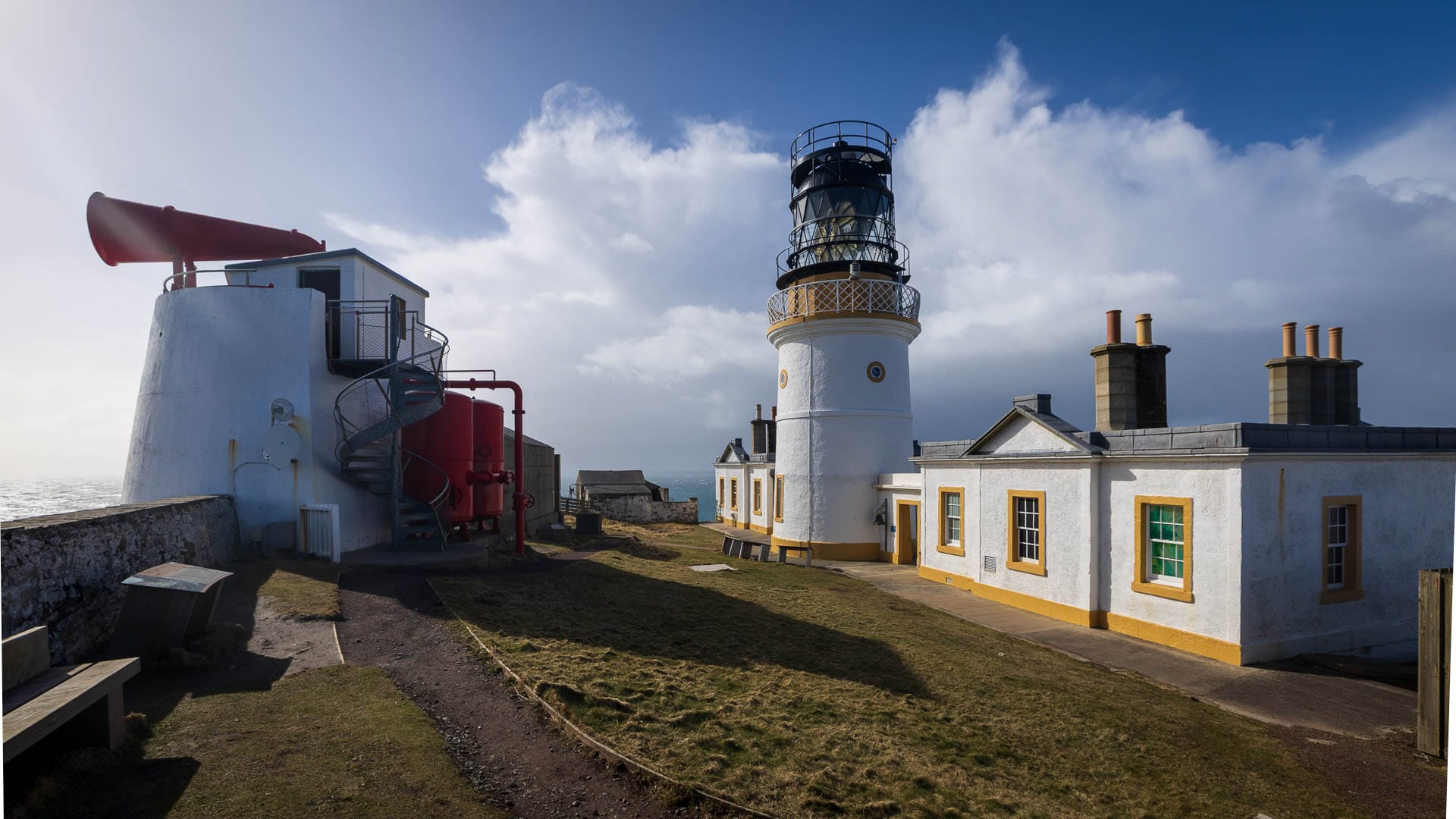
The old Stevenson lighthouse at Sumburgh Head has been safely guiding seafarers through the stormy waters of the North Sea and the Atlantic around the Shetland Islands at night since 1821.
By day, however, Sumburgh Head Lighthouse belongs to visitors from near and far. And it offers a variety of experiences like few of its counterparts: technology, history and stunning natural scenery.
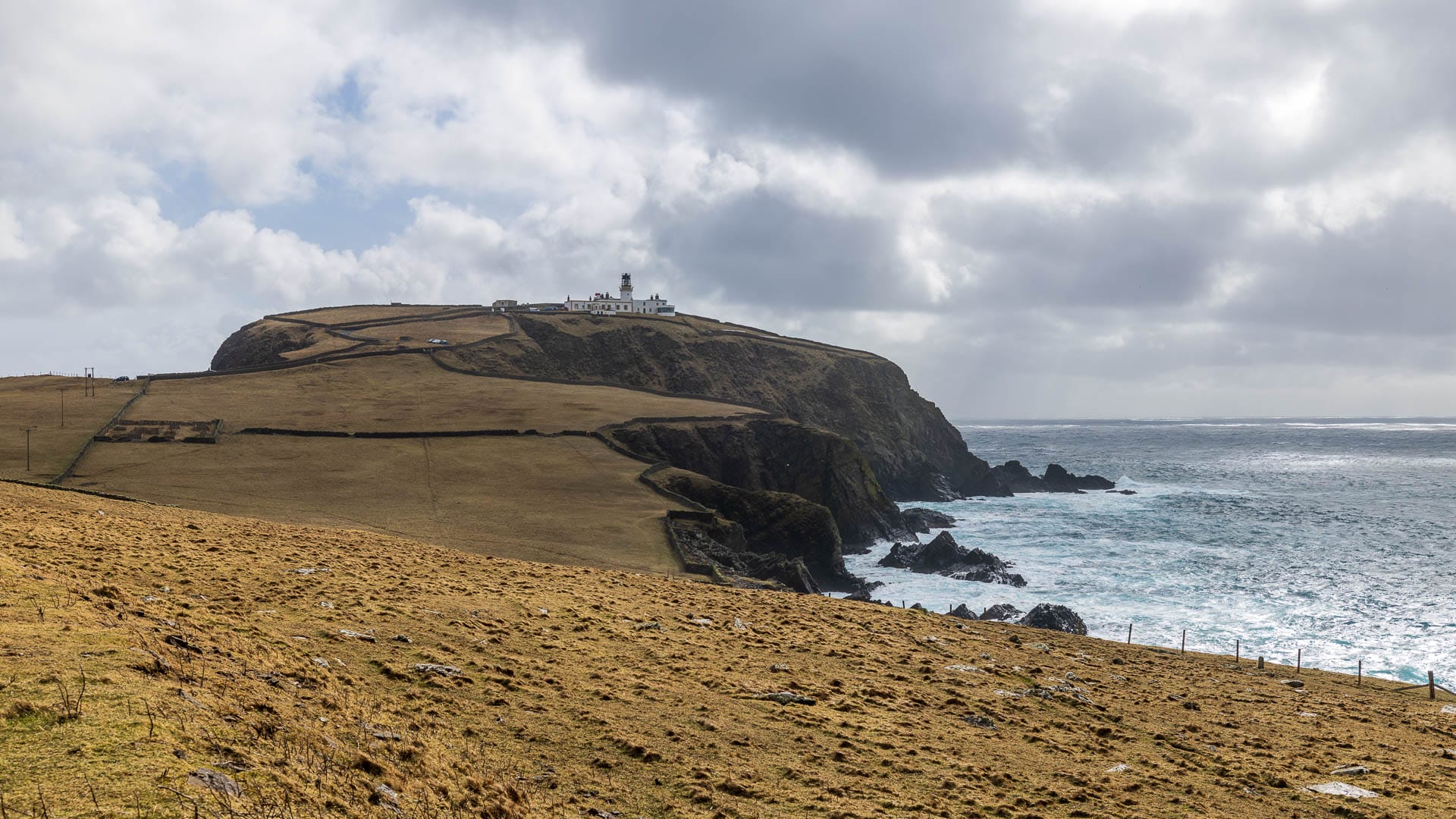
From here, seabirds can be easily observed. In summer, the popular puffins, as well as other seabirds, nest in the cliffs.
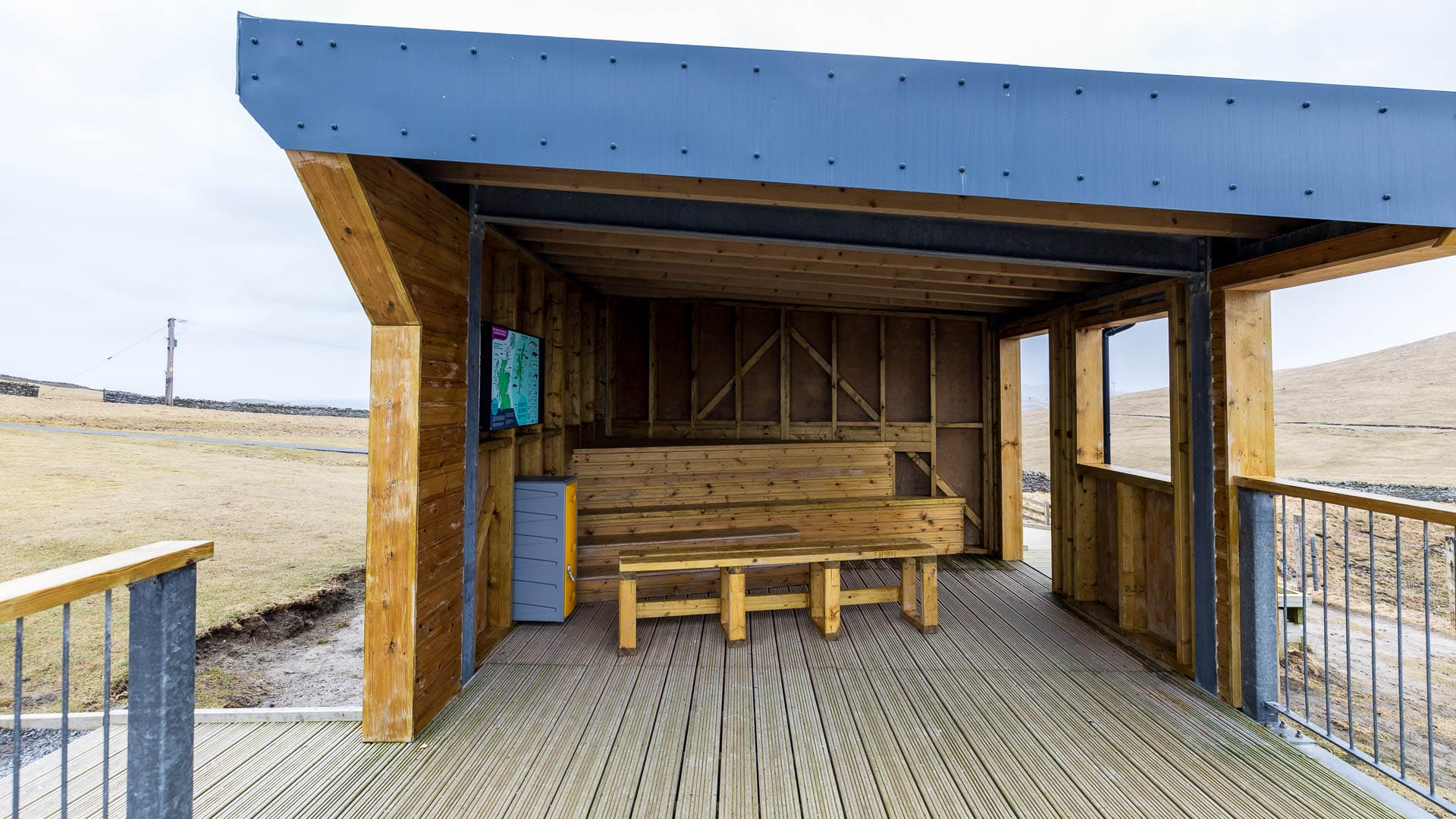
The lucky ones may also spot whales. Even orcas like to make an appearance here. There is a shelter on the path from the car park that offers protection from the wind and weather whilst you keep an eye out. There are also information boards there about marine mammals.
The lighthouse stands 91 metres above sea level. It offers a superb panoramic view once you’ve made the climb from the car park. In the glass-fronted observation lounge, a café serves drinks and snacks for those wishing to briefly escape the constant wind.
Up to this point, a visit to Sumburgh Head is free of charge. However, anyone wishing to see the machinery or the Second World War hut must pay an admission fee. The money goes towards the upkeep of the site.
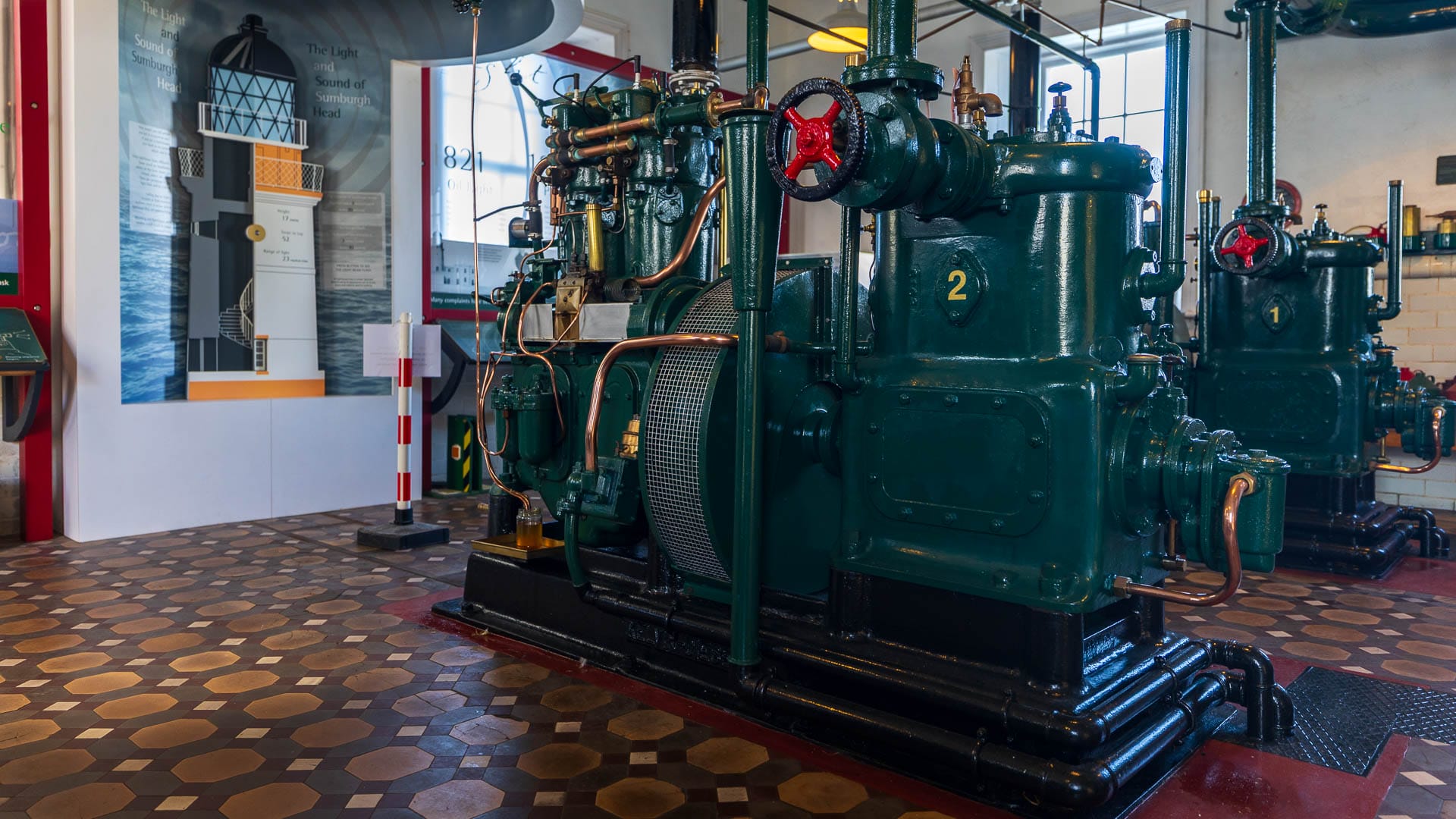
The foghorn and its diesel generators are one of only two still in operation in Scotland. The other is located at the Mull of Galloway.
The unassuming concrete block next to the tower with the foghorn on top is also unique. Inside is an old hut containing a strange piece of equipment. It is a radar hut dating from the Second World War.
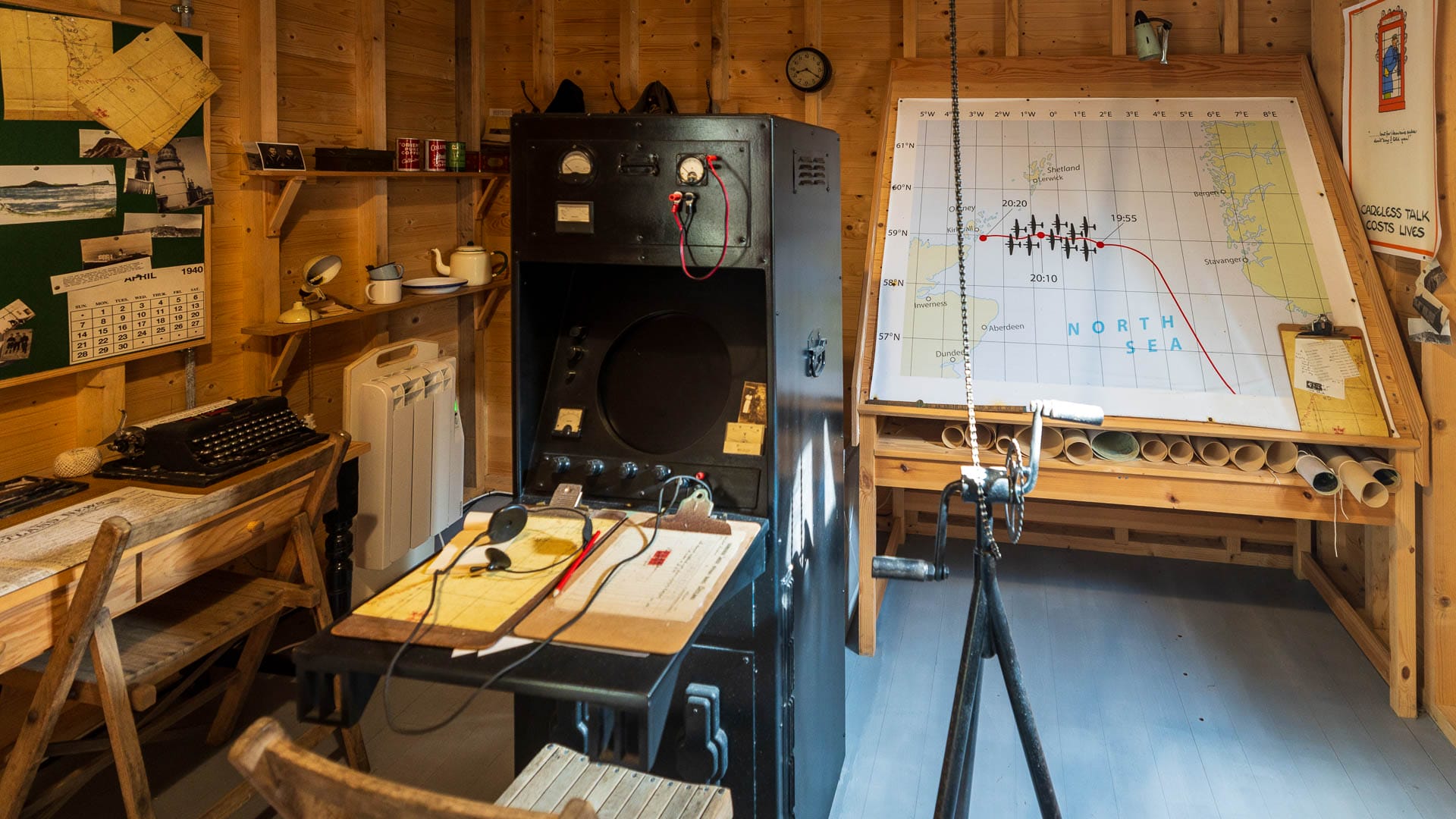
When the technology was still in its infancy, the operators turned the radar using a bicycle crank. This enabled the keepers at Sumburgh Head Lighthouse to detect an air raid on the important port of Scapa Flow in Orkney on 8 April 1940. Thanks to the warning, a ‘second Pearl Harbour’ was prevented.
When the horn comes to life
Normally, visitors on the tour can only admire the restored machinery. But at the start and end of the season, the foghorn comes to life. This usually happens at the end of March and the end of September.
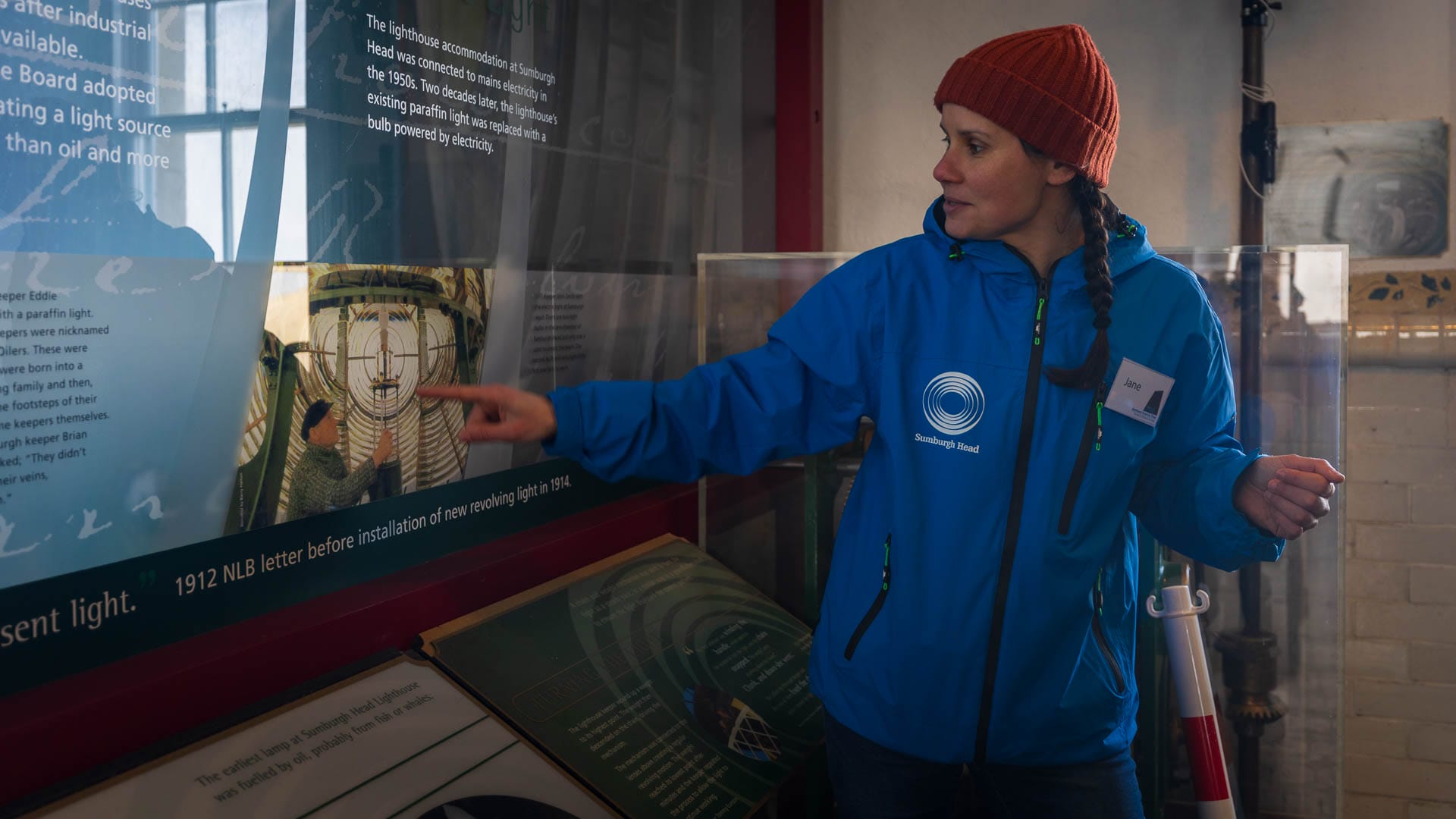
I attended the opening at the start of the 2026 season. It was a fantastic experience! It began with a tour led by the manager, Jane Outram.
Afterwards, guests can watch the diesel engines being started. Brian Johnson looks after the machinery; he was once a lighthouse keeper himself and now looks after the old generators alongside his 60-year-old ‘apprentice’.
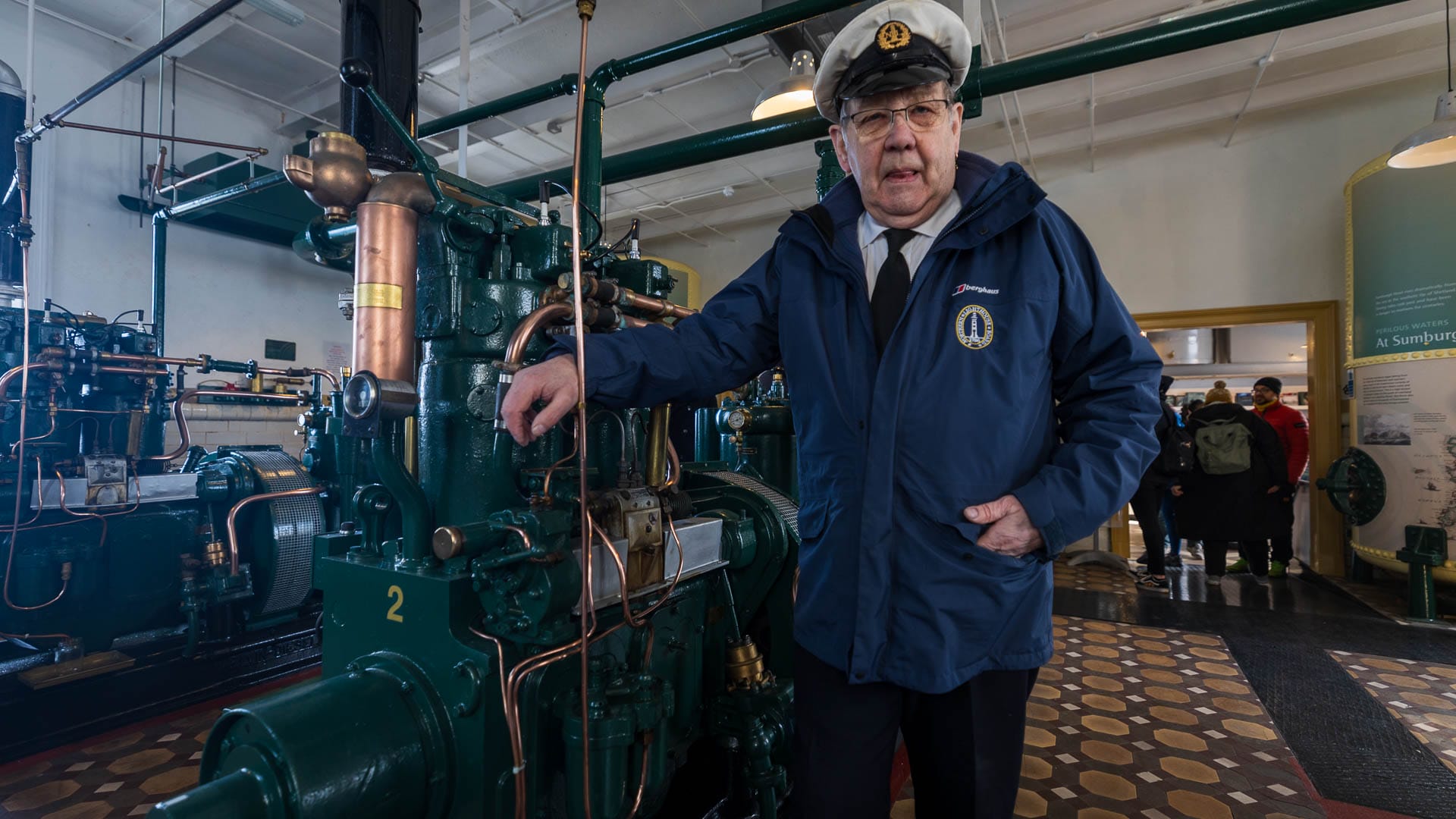
When the three engines are running, they compress air into a tank. Once a certain pressure is reached, the valve opens. Then you hear a hissing sound from the horn outside, followed by a long blast.
For about an hour, the foghorn is allowed to sound out over the sea every 90 seconds, before falling silent again for six months.
Directions
With a sat-nav: “ ZE3 9JN” will take you to Sumburgh Head.
Without sat-nav: Driveround the airport and then, in the small village, look out for the brown sign pointing the way to the right. You’ll be on a single-track road that gradually climbs. It leads to a large car park, where there’s also a small lighthouse. Park your car here and walk the rest of the way up.