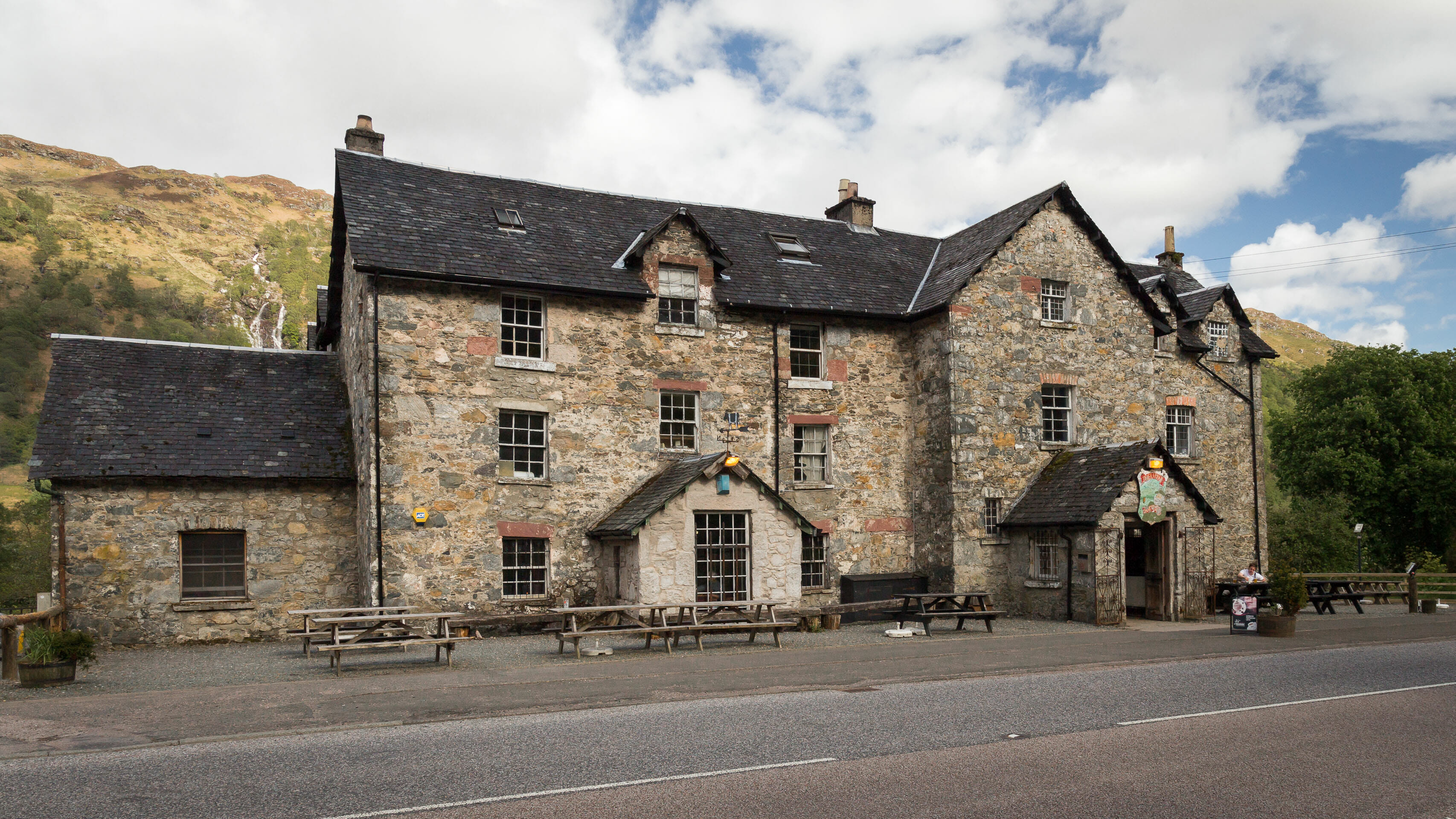
An ancient building stands by the road at Loch Lomond – the Drovers Inn has offered hospitality for centuries. Even to ghosts and celebrities, they say.
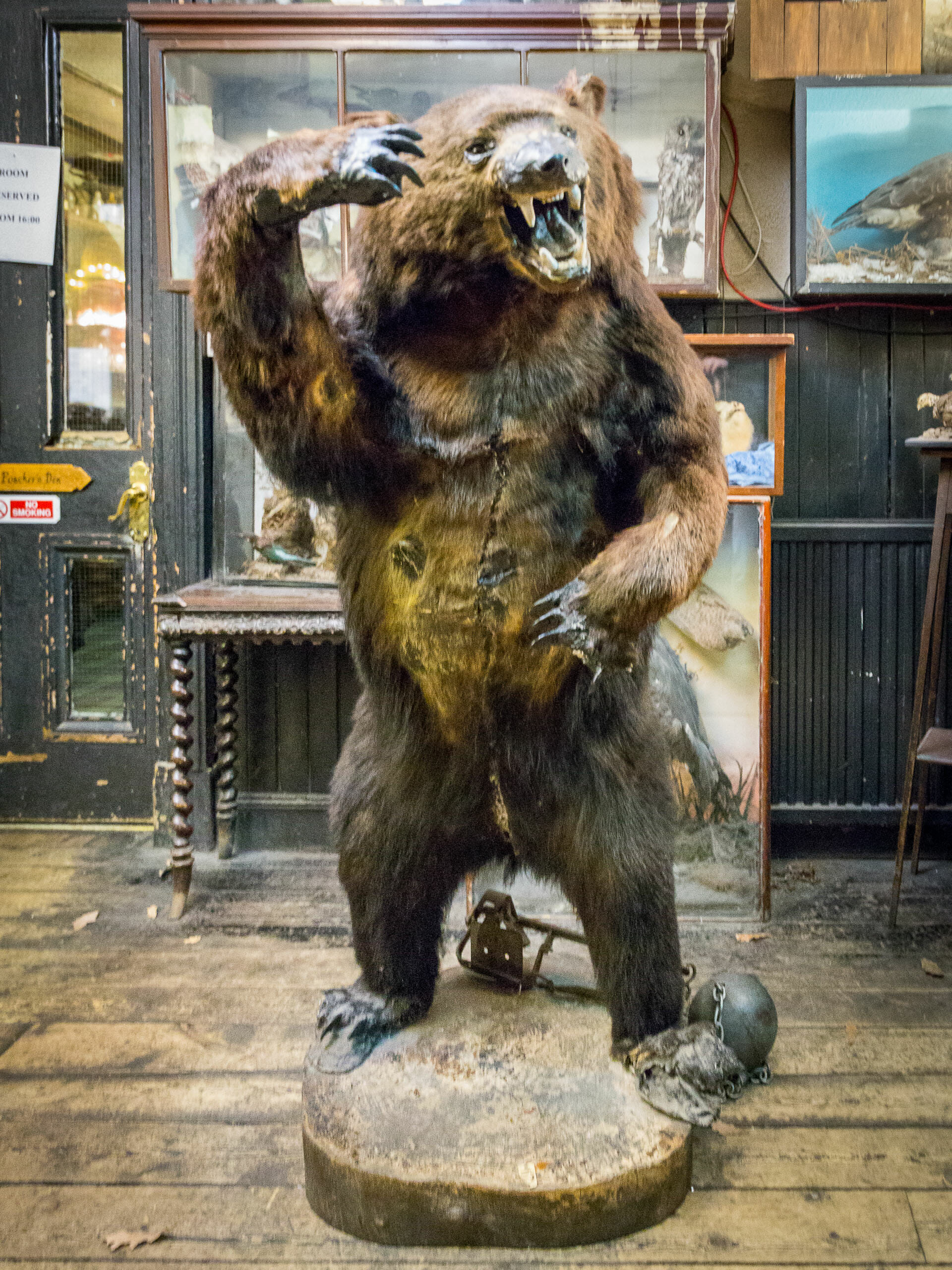
Careful when you step inside! Right behind the entrance a grizzly bear lies in wait. It rears up threateningly, jaws wide open. Just a little stiff, though. No wonder: the animal is stuffed. Thank goodness. And it’s not alone.
In display cases around the entrance you’ll find stuffed cats, martens, birds and more. Interspersed with weapons, armour and uniforms. Visitors waver between fascination and mild horror.
And that’s all still just the entrance area of the Drovers Inn. Follow the noise to the left and you end up in the house’s bar. On Saturday nights it’s usually packed to the rafters, with live music getting the guests going. Among them, celebrities are even sometimes spotted – actor Gerard Butler has been seen here more than once. Famous visitors have always found their way to the Drovers Inn. The outlaw Rob Roy MacGregor, who lived not far from here at Loch Katrine, is said to have stopped in here too.
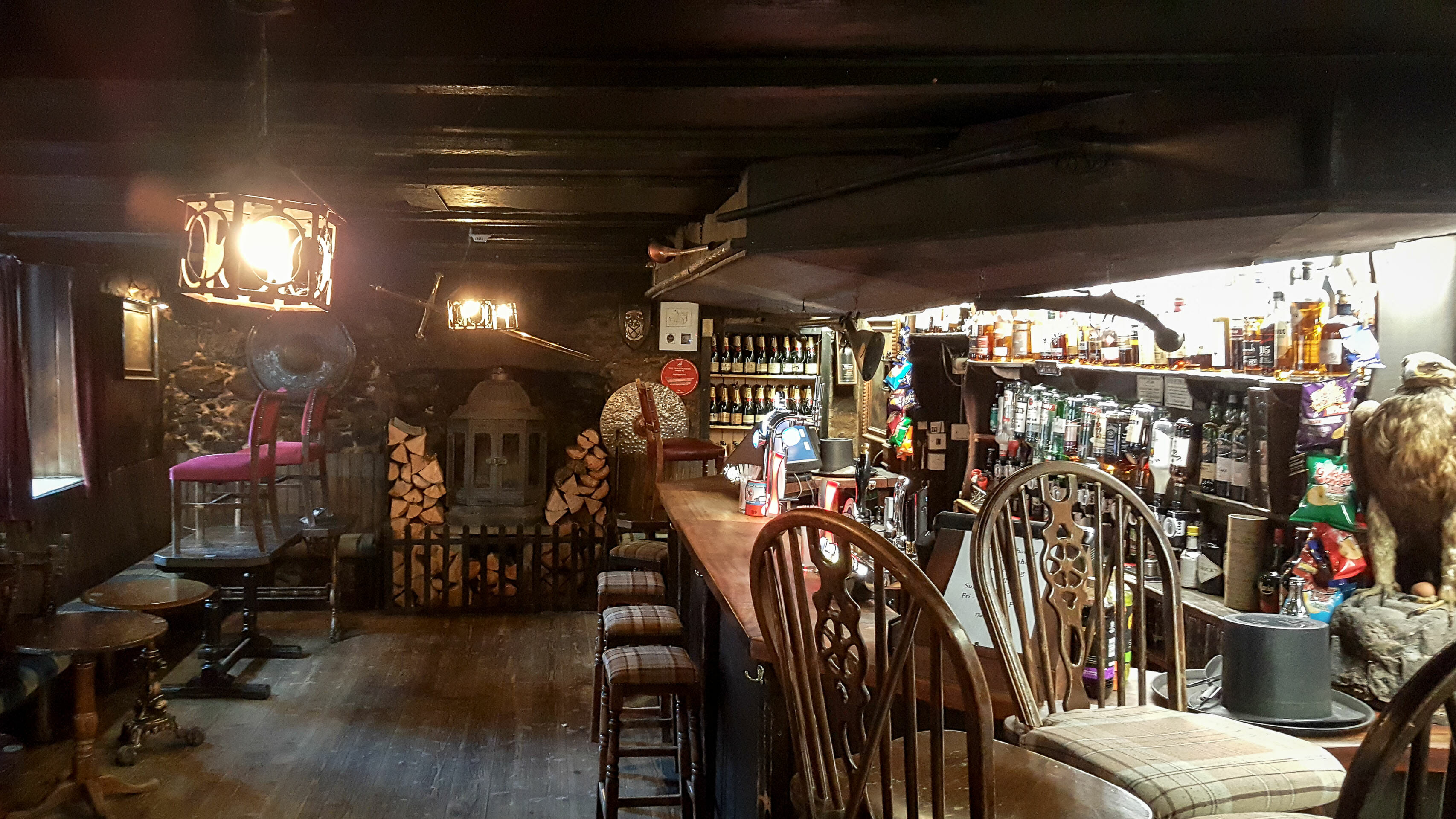
Waitstaff weave between the guests, fully embracing the charm of the inn. Traditional kilts sit on the hips of heavily tattooed women and men, who confidently make their way through the crowd.
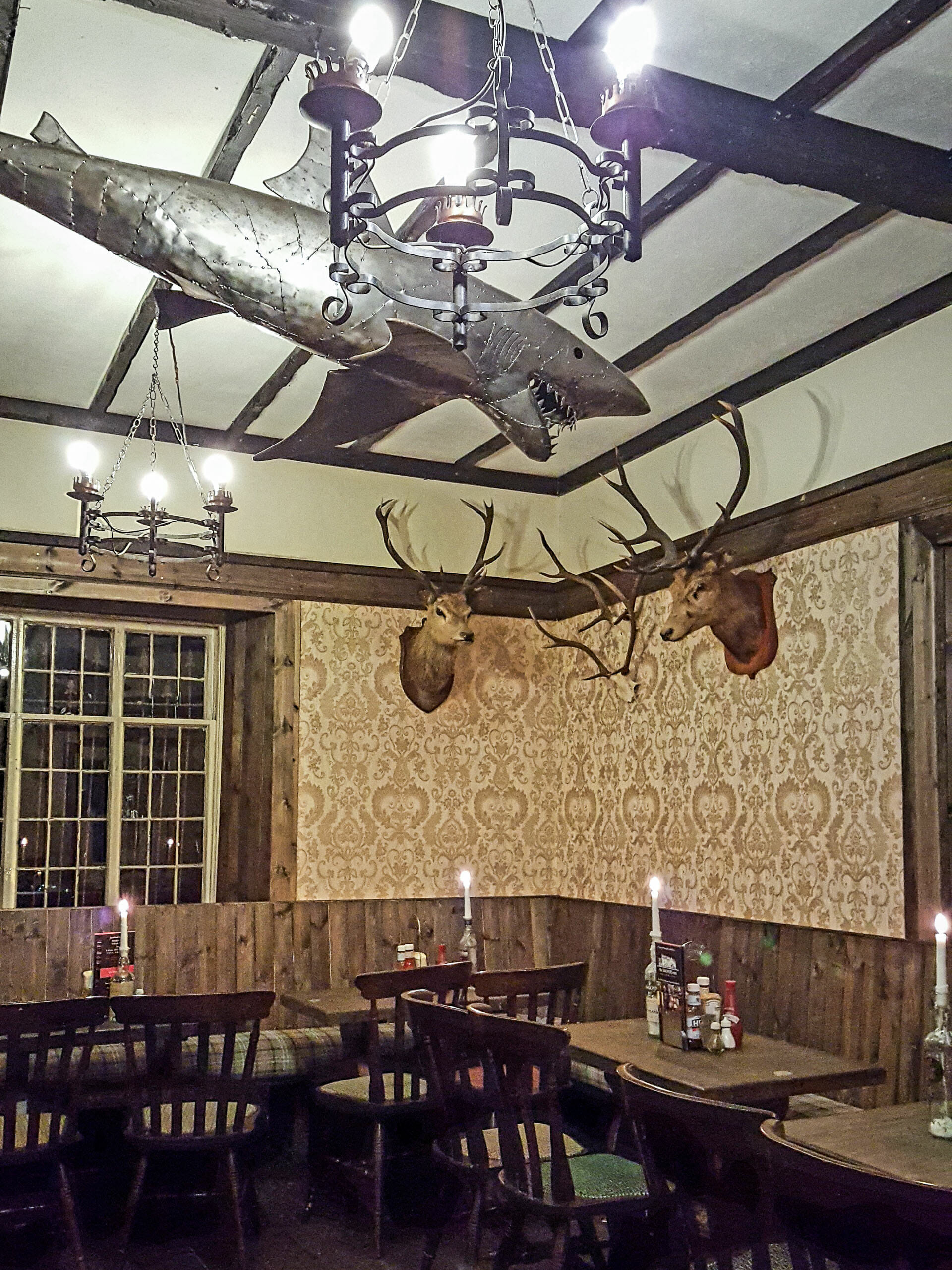
The bar isn’t the only place to eat – you can dine comfortably in one of the other dining rooms, which are often a bit quieter. The food is genuinely enjoyable. You just might have to ignore the hungry shark circling overhead.
A good inn offers food, entertainment and, not least, a place where the traveller can lay their head to rest. Of course, that’s available here too. Both in the main house and in the large adjoining building, “Drover’s Lodge”, across the road. The rooms in the main house are certainly the more characterful, but anyone who really wants a good night’s sleep will find more peace and quiet over there than above the taproom.
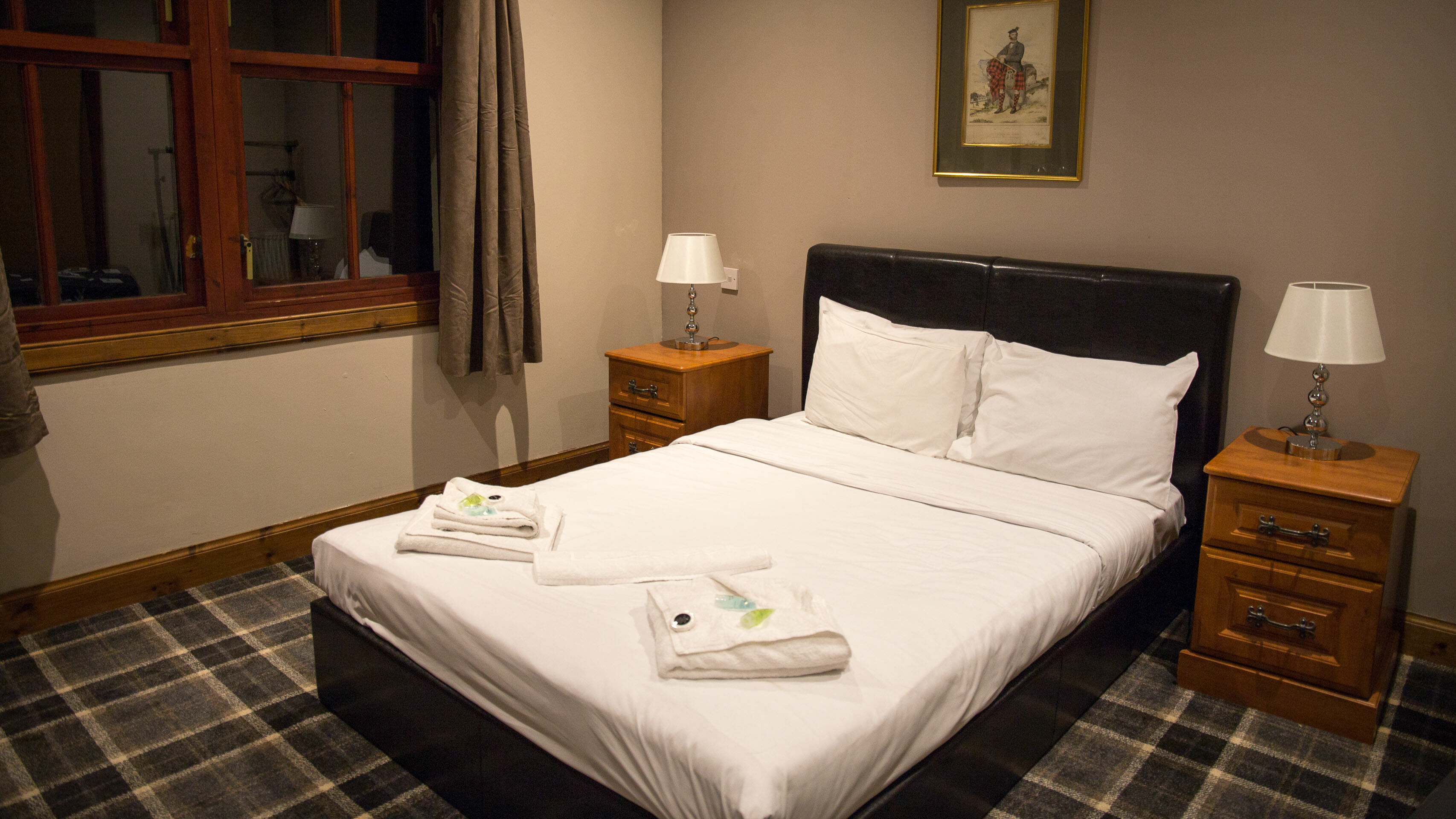
Unlike the 300-year-old main house, no ghost is said to haunt the annexe. Because, naturally, a number of travellers have died in or around the Drovers Inn over the years, and their souls have never left the place. The young drover Angus, for instance, is said to have first been robbed of his herd here, then hanged behind the house. His spirit is said to be seen fairly often.
A second story concerns a family who were on their way to the Drovers Inn but lost their way and froze to death. They’re said to still appear in the area today, searching for their destination.
On a dedicated page on its own website, the Drovers Inn describes these and other stories in more detail.
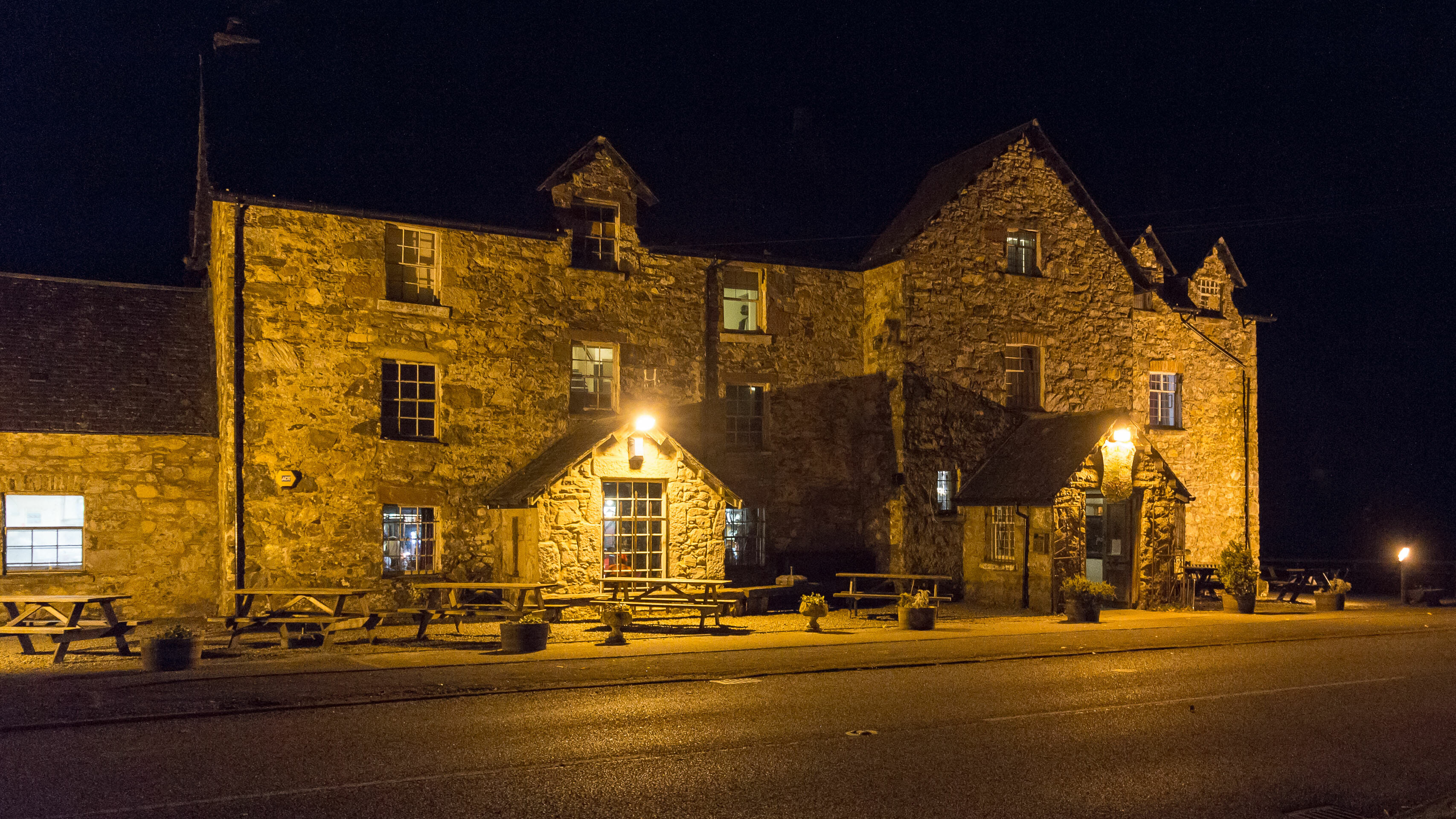
The Drovers Inn is certainly one of the most famous – and most fascinating – inns in Scotland. Its age and its particular flair make it a destination well worth seeing, whether visitors just stop by for a beer or spend the whole night here.
Did you know: what the name Drovers Inn means
The Highlands of Scotland were never good farming country – the soil was acidic and infertile. That’s why it was so important for many residents to keep livestock that could graze across the Highlands. Today it’s mostly sheep, but up until the 18th century it was mainly cattle. Not yet the red-brown animals we know from the Highlands today, but their black ancestors.
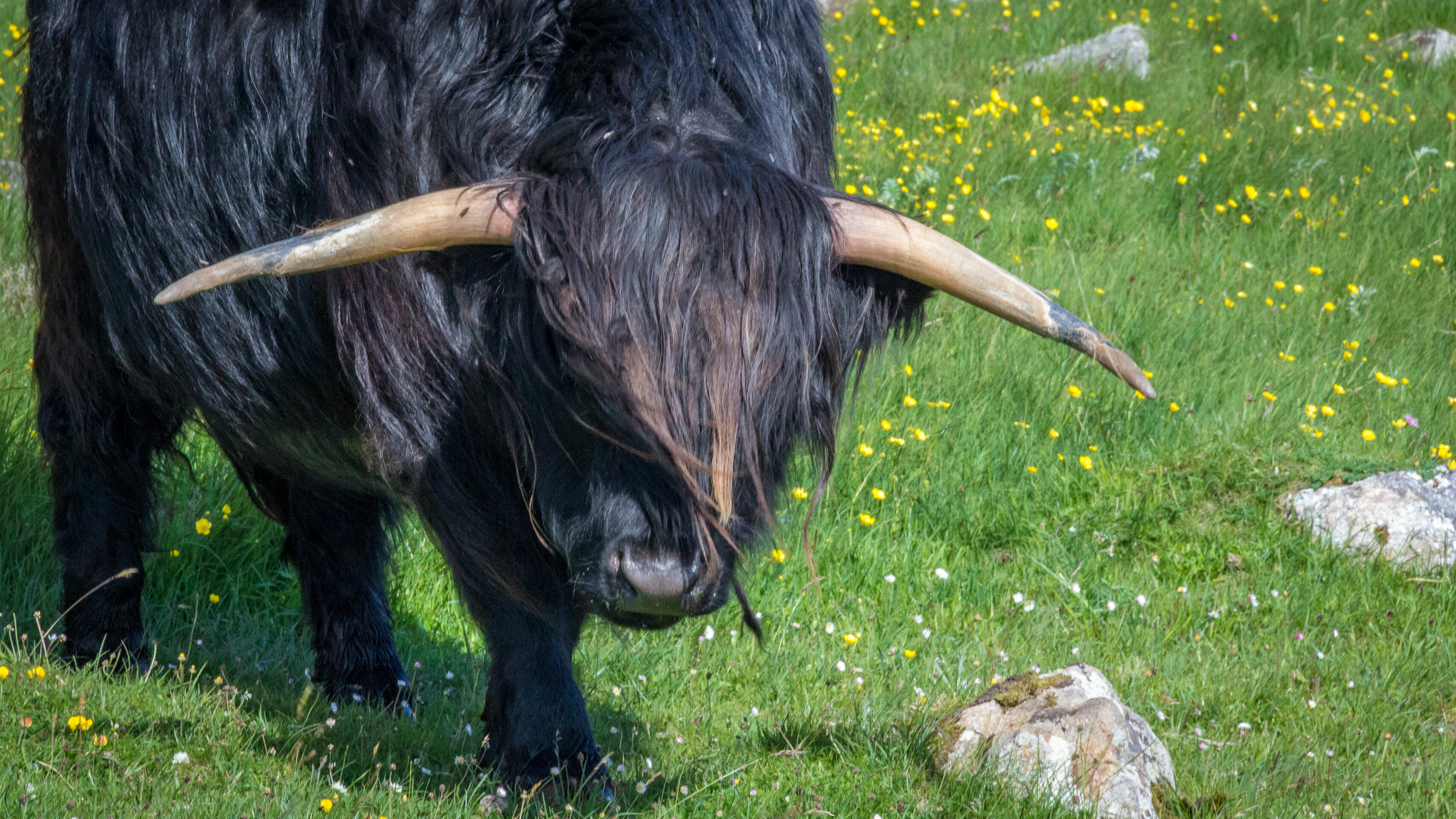
In spring, the drovers would begin buying up surplus cattle and forming them into herds they could drive south to the cattle markets. Towards summer, the drovers would set off out of the Highlands. To do this they needed to know the routes precisely, since proper roads didn’t exist back then. These routes are still known as Drover’s Roads today, and some are still preserved in place names. The Bealach na Bà near Applecross, for instance, means “cattle pass” in English.
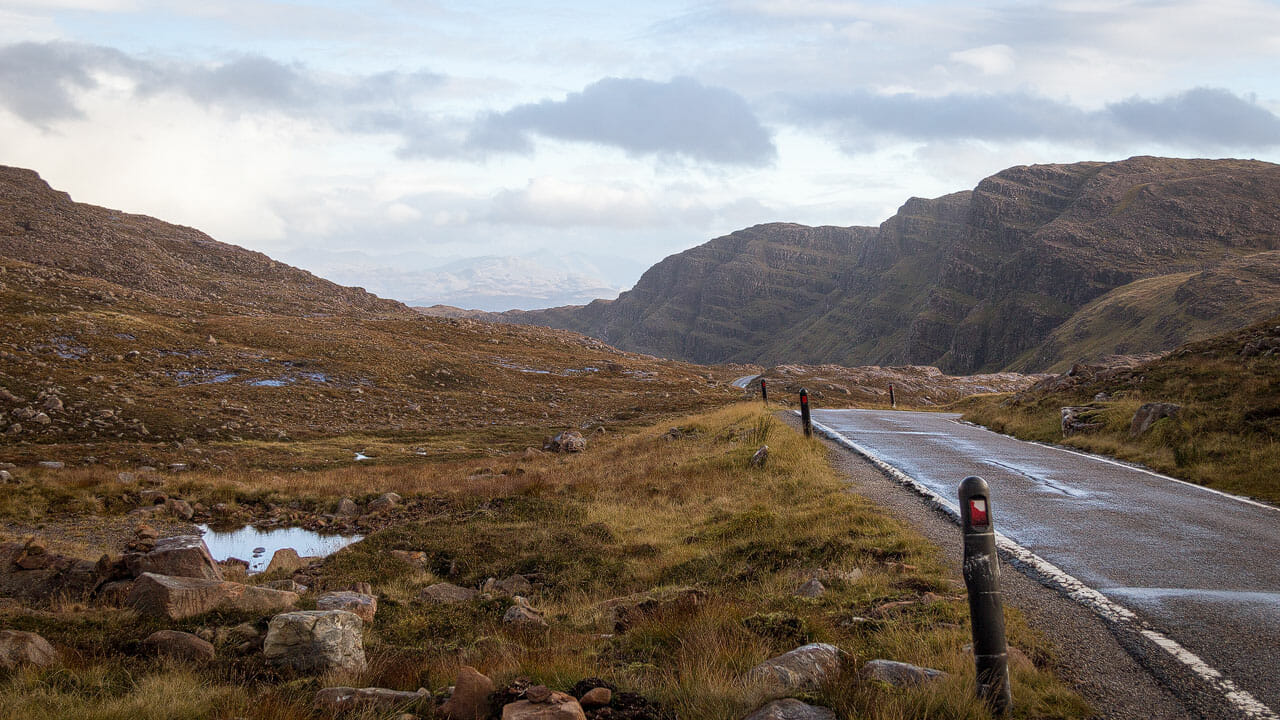
The drovers had to spend their nights somewhere, and so Drovers Inns sprang up at certain key points along the way. They offered food and drink, and sometimes a roof over your head too.
Being taken away by the drover, incidentally, was a genuine threat used on children. Which is why, in the folk song “Cadal Ciarach Mo Luran”, the mother promises:
Bidh mi fhìn agad tuilleadh
Chan fhaigh dròbhair a chruidh thu
I will always be with you,
the drover won’t get you
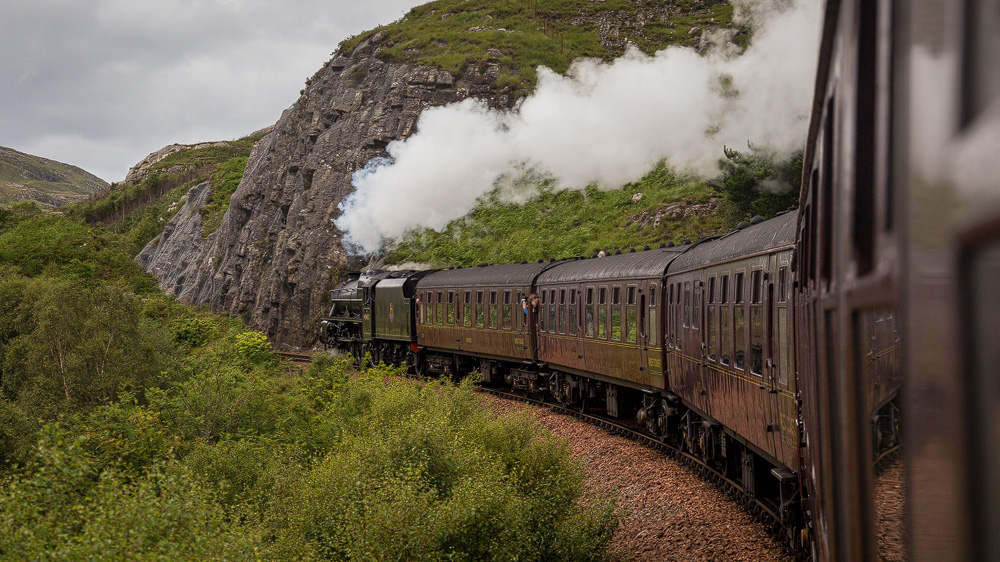
Drovers were first mentioned in writing in 1359. The end of the drovers came with the rise of steamships and, later, the railway, which could transport cattle more easily and quickly. The last drover died in 1957, at the age of 91.
Over the centuries, the inns evolved into coaching stations and accommodation for travellers of every kind. The Drovers Inn near Loch Lomond is one of the few that has survived the ages in this form.
Personal notes: an interesting stay
On a Saturday in November, we spent the last night of our trip here. Saturday means: the bar is full, and so are the rooms. And so, while still driving to the inn through Glen Coe, we received several calls from the owners asking whether we were definitely still coming. There had apparently been plenty of other enquiries too. And this in the off-season.
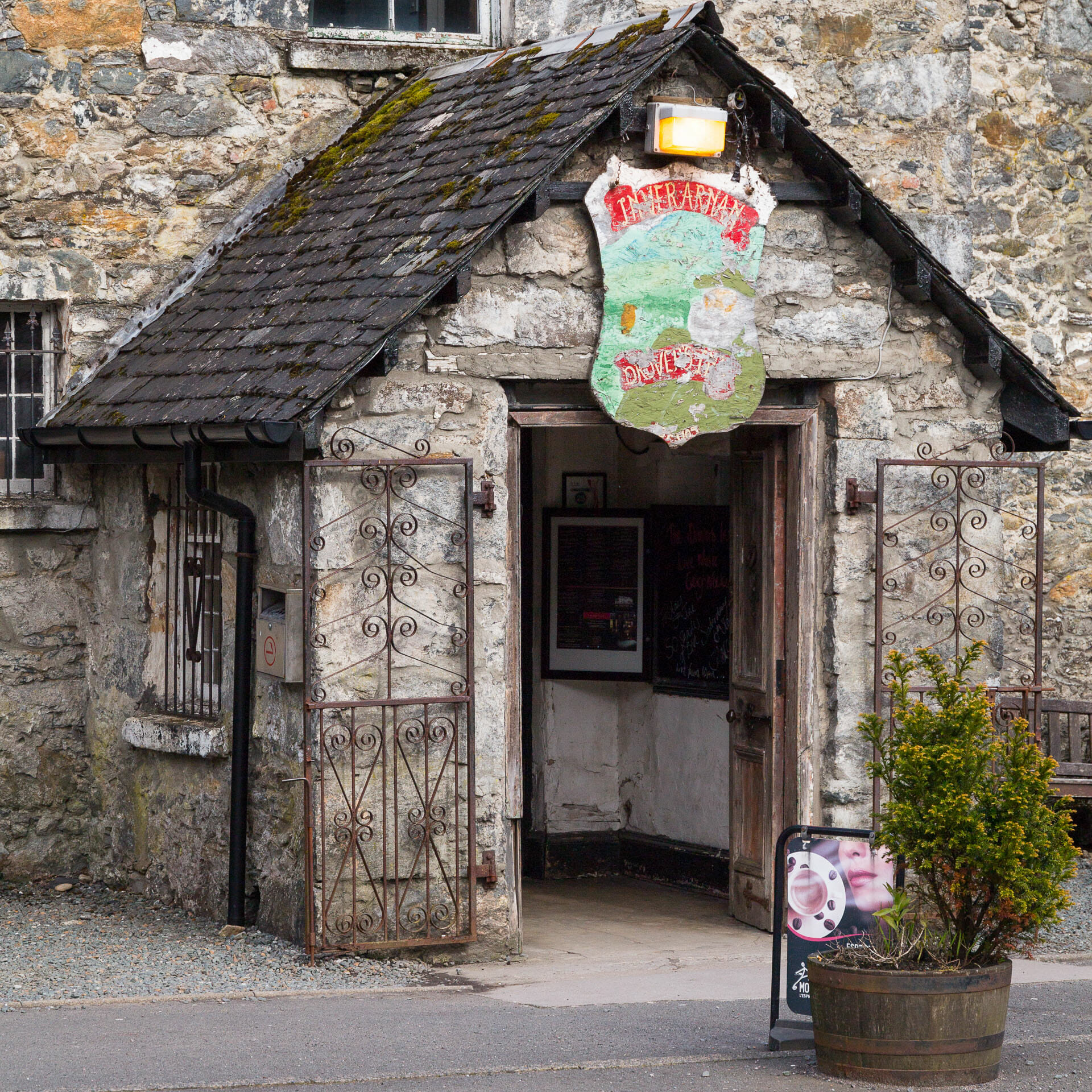
The Drovers Inn is clearly popular, and it’s probably a good idea to book ahead if you want to stay overnight. Even though I always book fairly early (usually about six months in advance), we couldn’t get a room in the main house at all.
The beds and rooms in the annexe are functional but clean. And so, after a good meal, we spent a peaceful night here too. The bar, however, was so packed that we never managed to get a beer there.
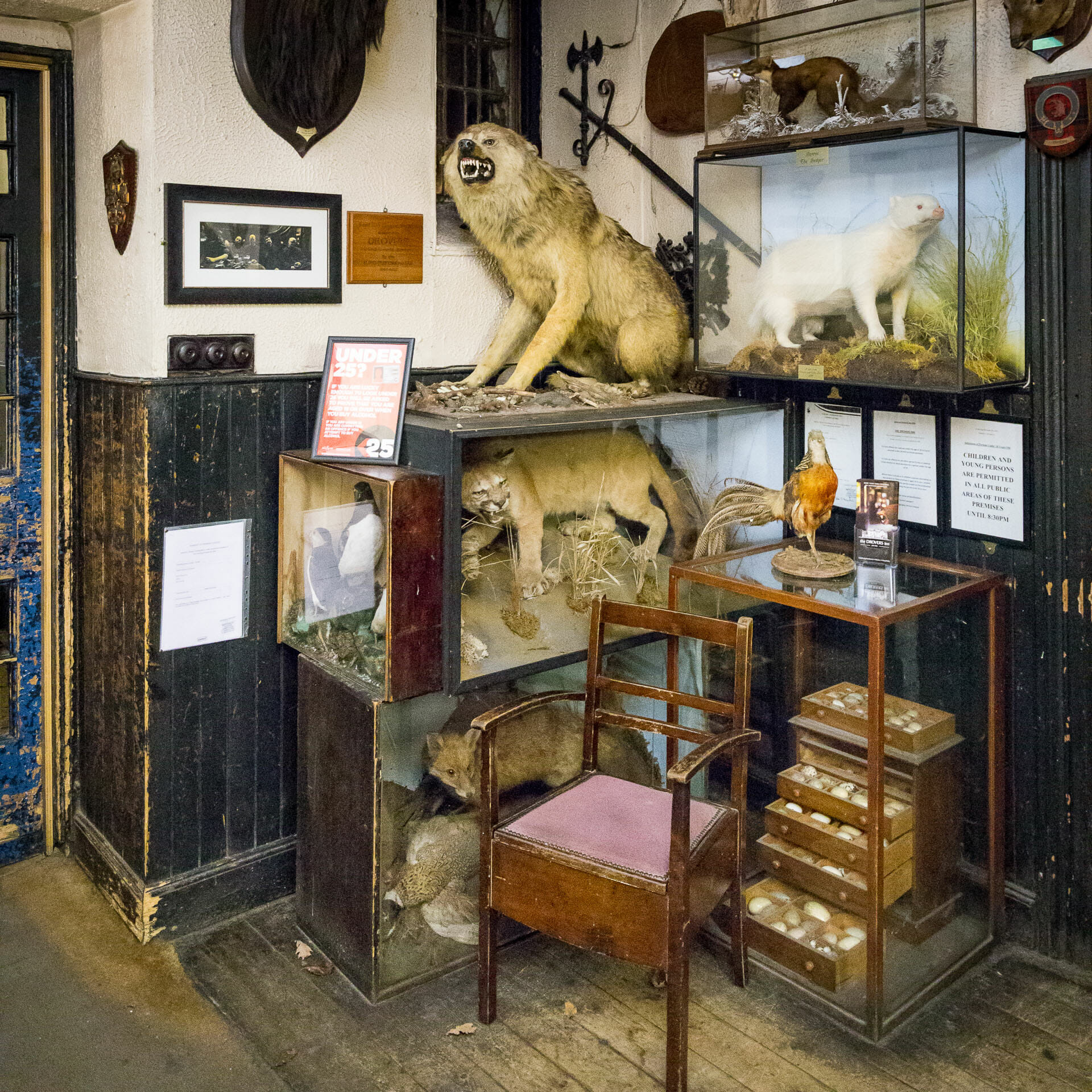
The atmosphere is certainly unique, and the collection of stuffed animals and other relics of bygone eras is fascinating. Whether you actually like it is another question entirely. Either way, it was an entertaining stay for us.
Getting there:
By sat nav: “G83 7DX” will get you there.