This house has it all: old master paintings, Arts & Crafts, modern art. Hospitalfield House displays all of this in lavish rooms and historic gardens.
Because the monks of Arbroath Abbey wanted to offer pilgrims a place to stay, in 1260 they had a “hospital” built on a field – Hospitalfield. Today a house stands in its place that reflects the beauty of the Arts & Crafts period like almost no other. Anyone lucky enough to visit the house doesn’t necessarily need to be an art lover to enjoy the beauty and uniqueness of this place, though.
Many in Britain also refer to Hospitalfield House as a “hidden treasure”. No wonder. The operators don’t advertise the estate much, and it’s not at all easy to get a tour – visitors are only admitted once a week, and they also have to book in advance by phone.
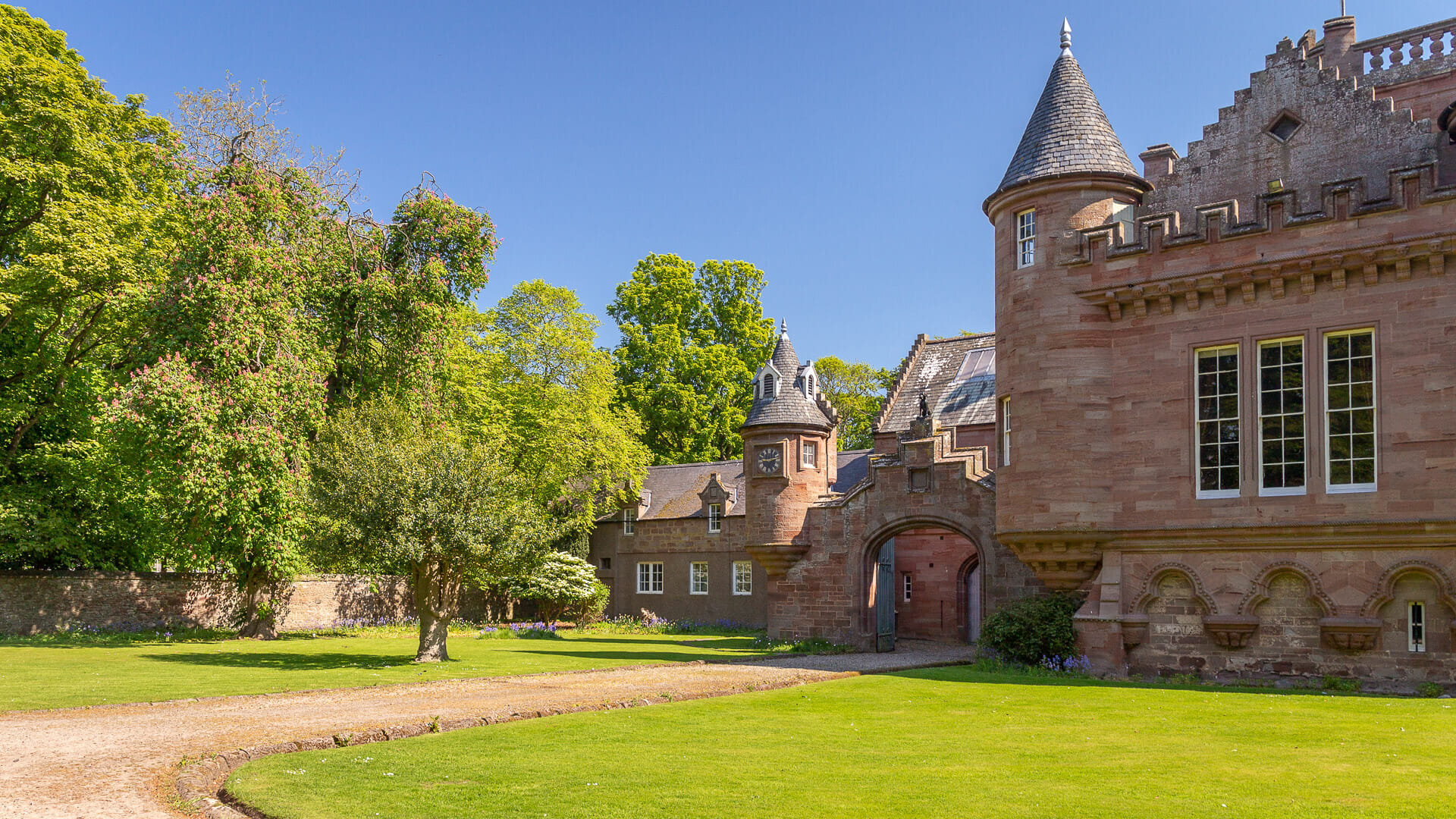
No wonder, because the purpose of Hospitalfield today is still the same as it was under its famous owner couple, Elizabeth Fraser and Patrick Allan: to give contemporary artists a place for their work. Artists instead of tourists, so to speak.
And yet it’s worth arranging a visit. Because the house has almost endless things to offer. Even the staircase just past the entrance makes that clear.
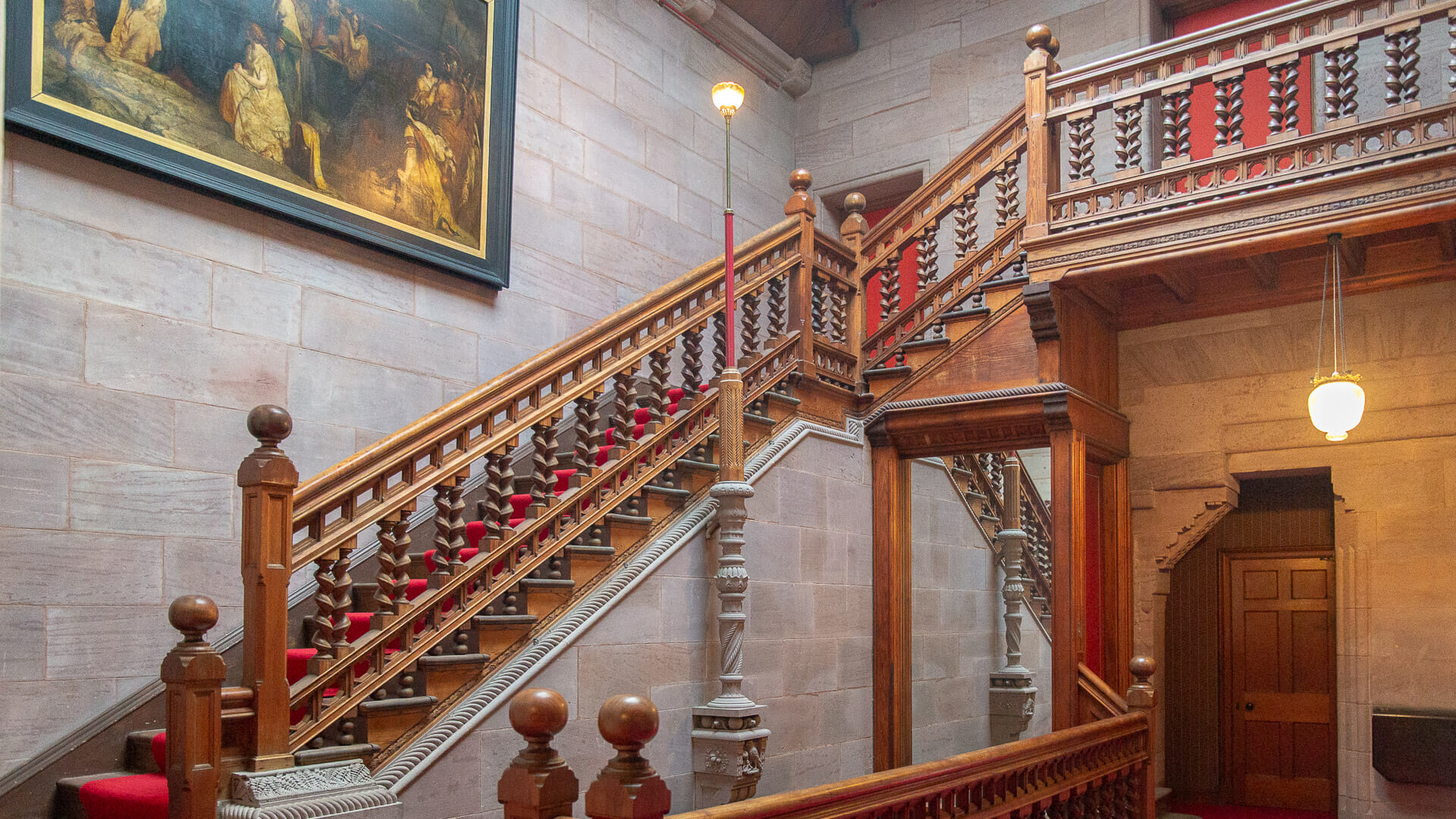
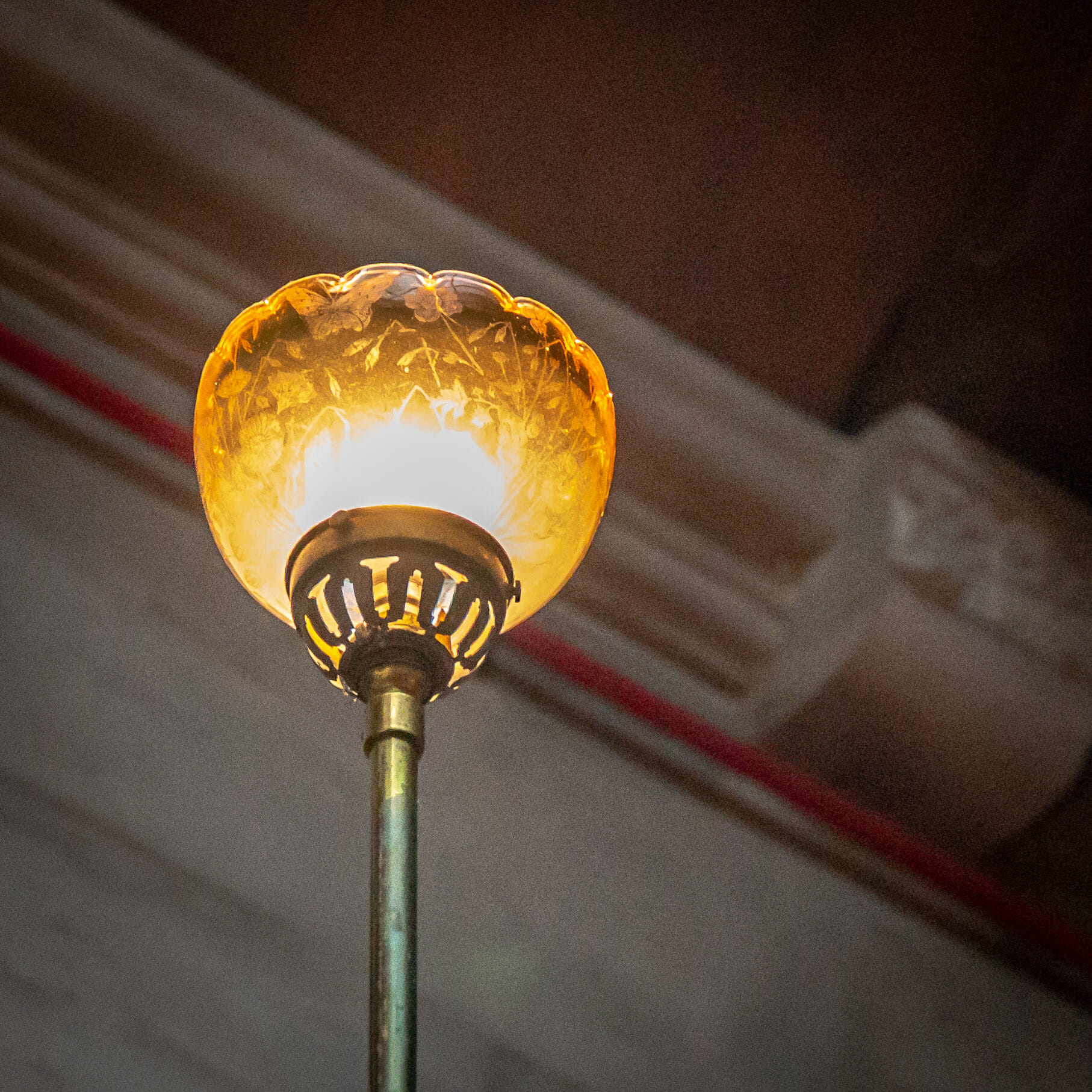
Statuettes, wood carving and a delightful lamp that opens up at the top like a flower calyx on its stem.
From the staircase a corridor leads to the rooms of the house.
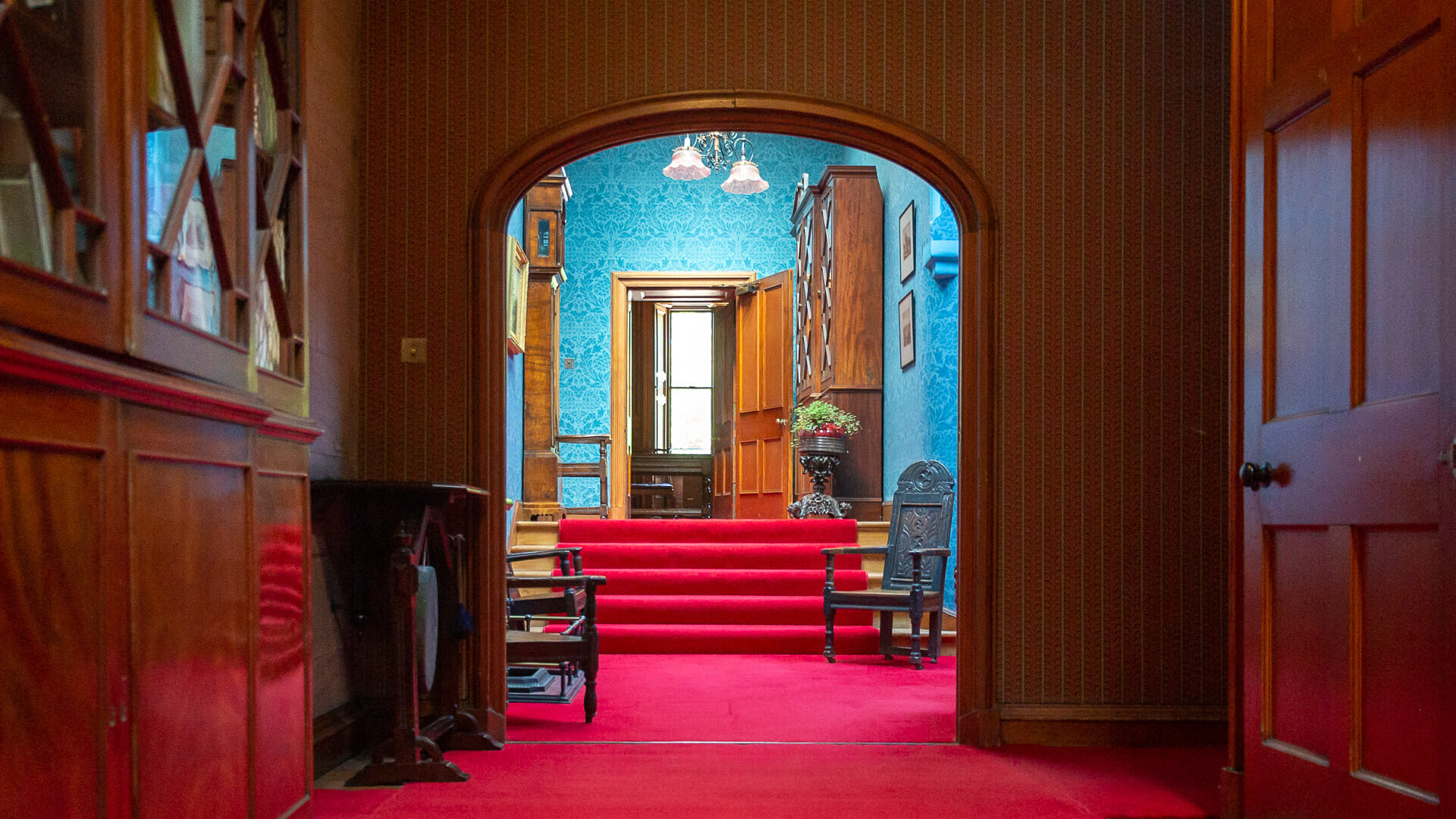
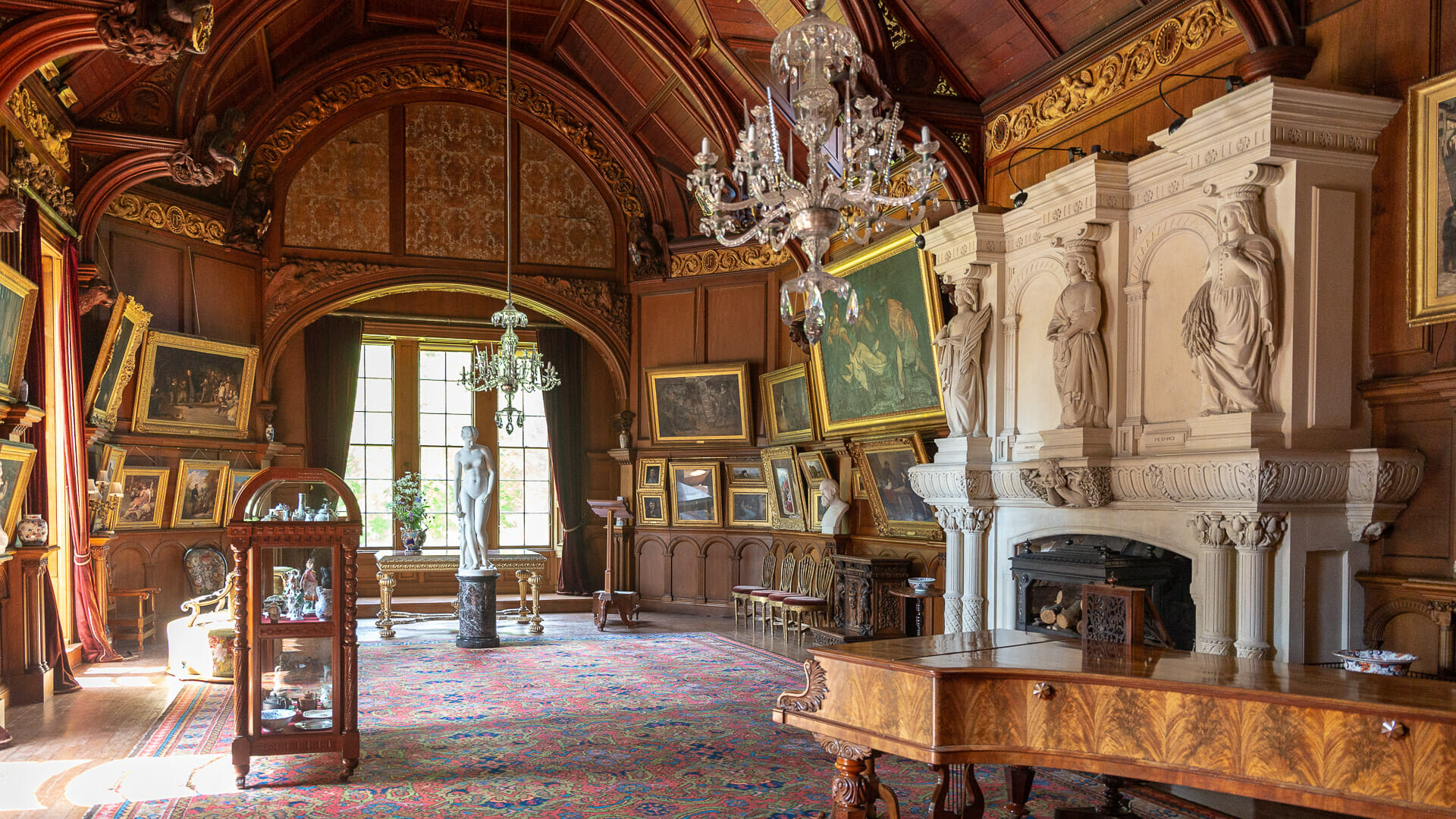
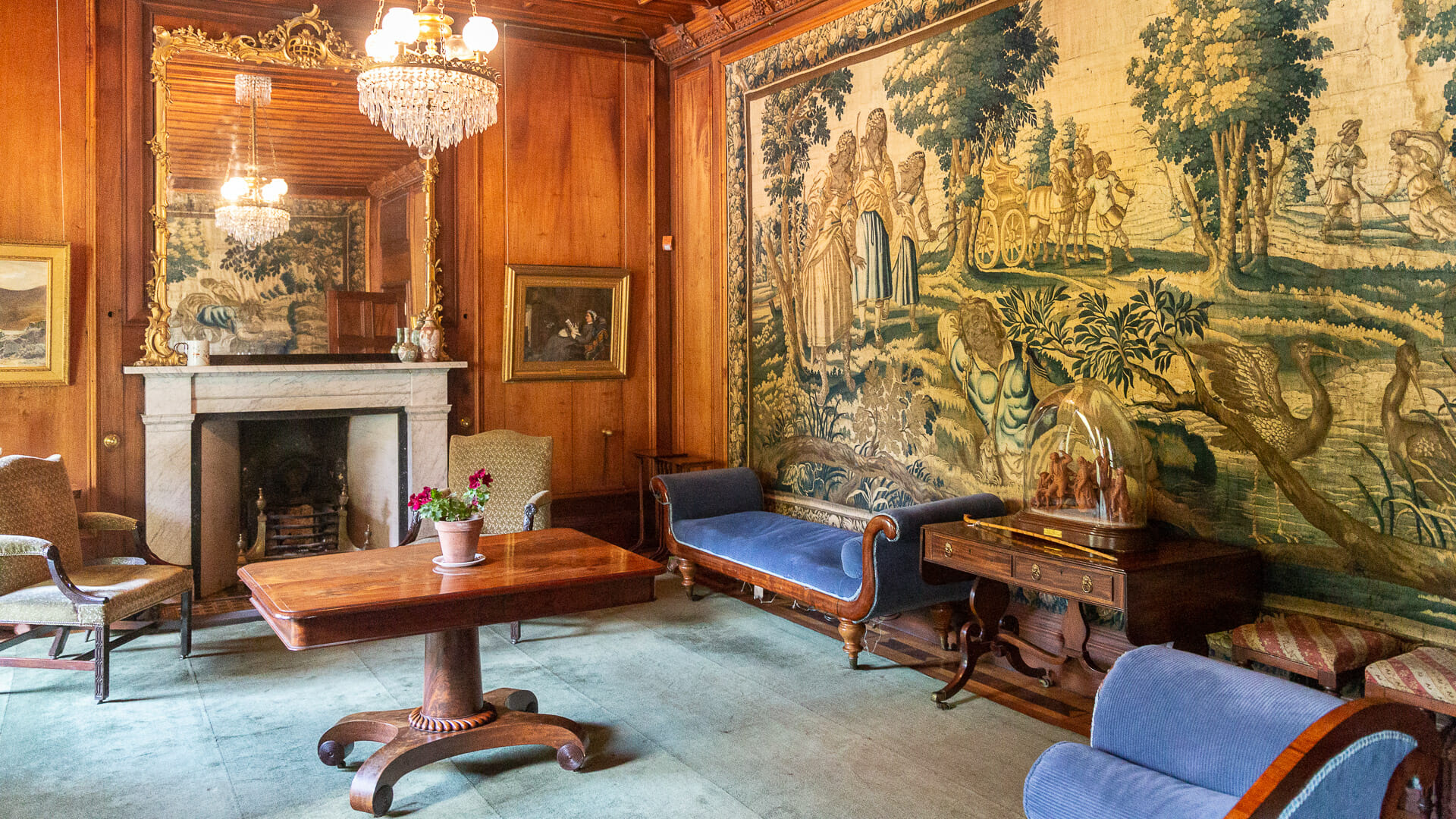
Ah, the rooms. Describing them, or even capturing in photos how they feel when you’re standing inside them, is almost impossible. Perhaps this much: the tapestries, wood panelling, paintings, furniture and statues, despite all the abundance, still manage as an ensemble not to feel overloaded (which is, of course, a subjective view).
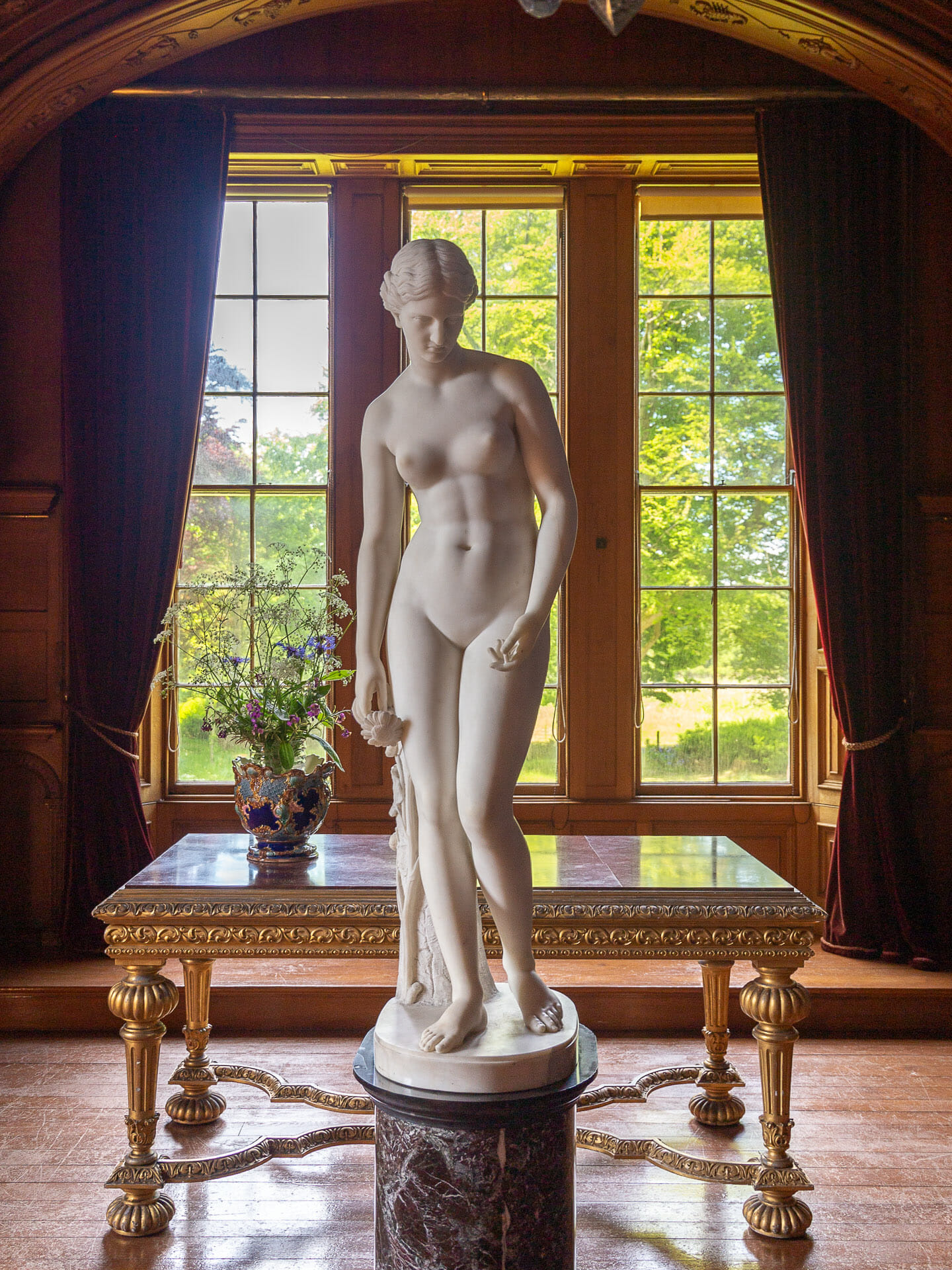
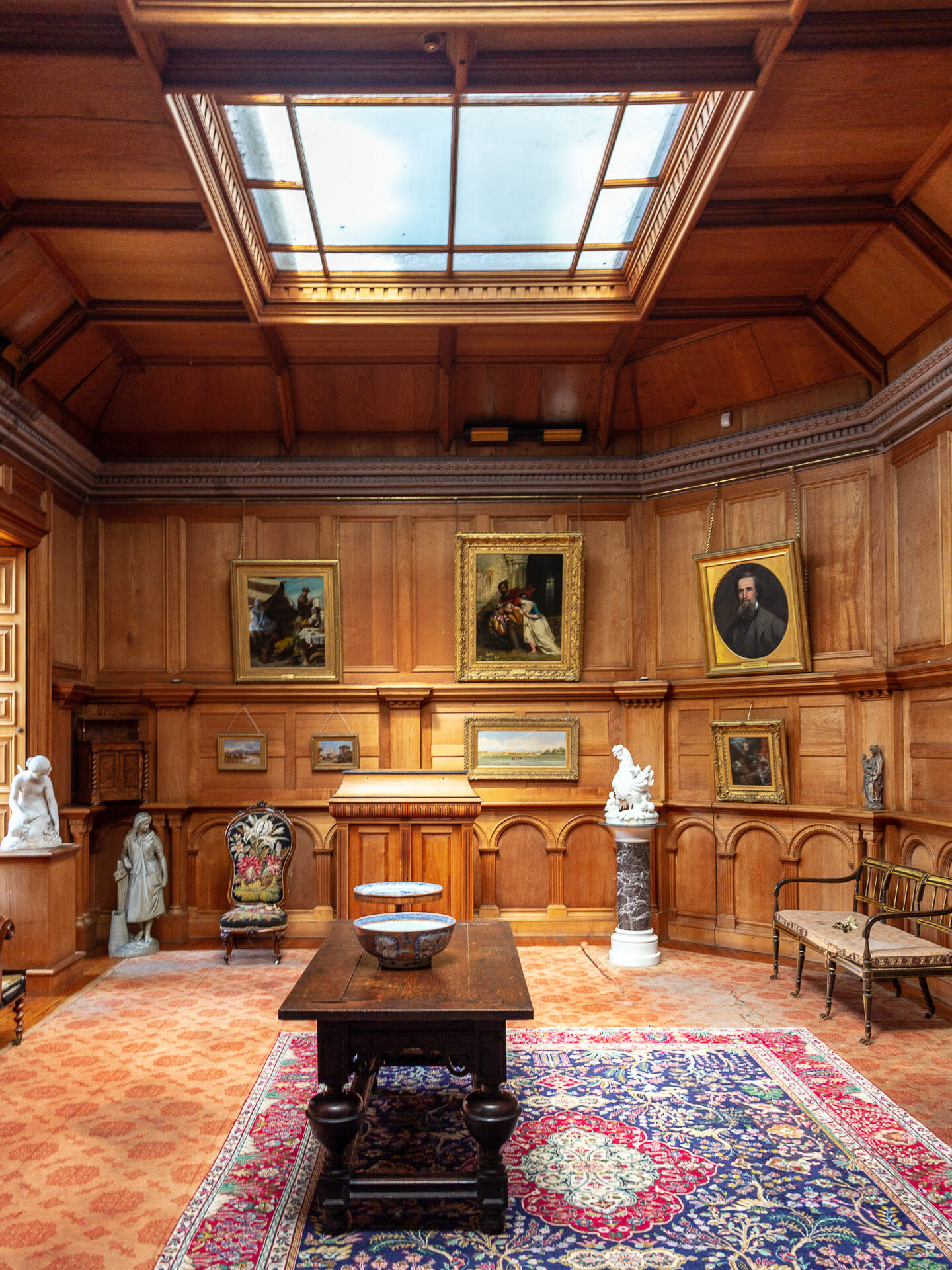
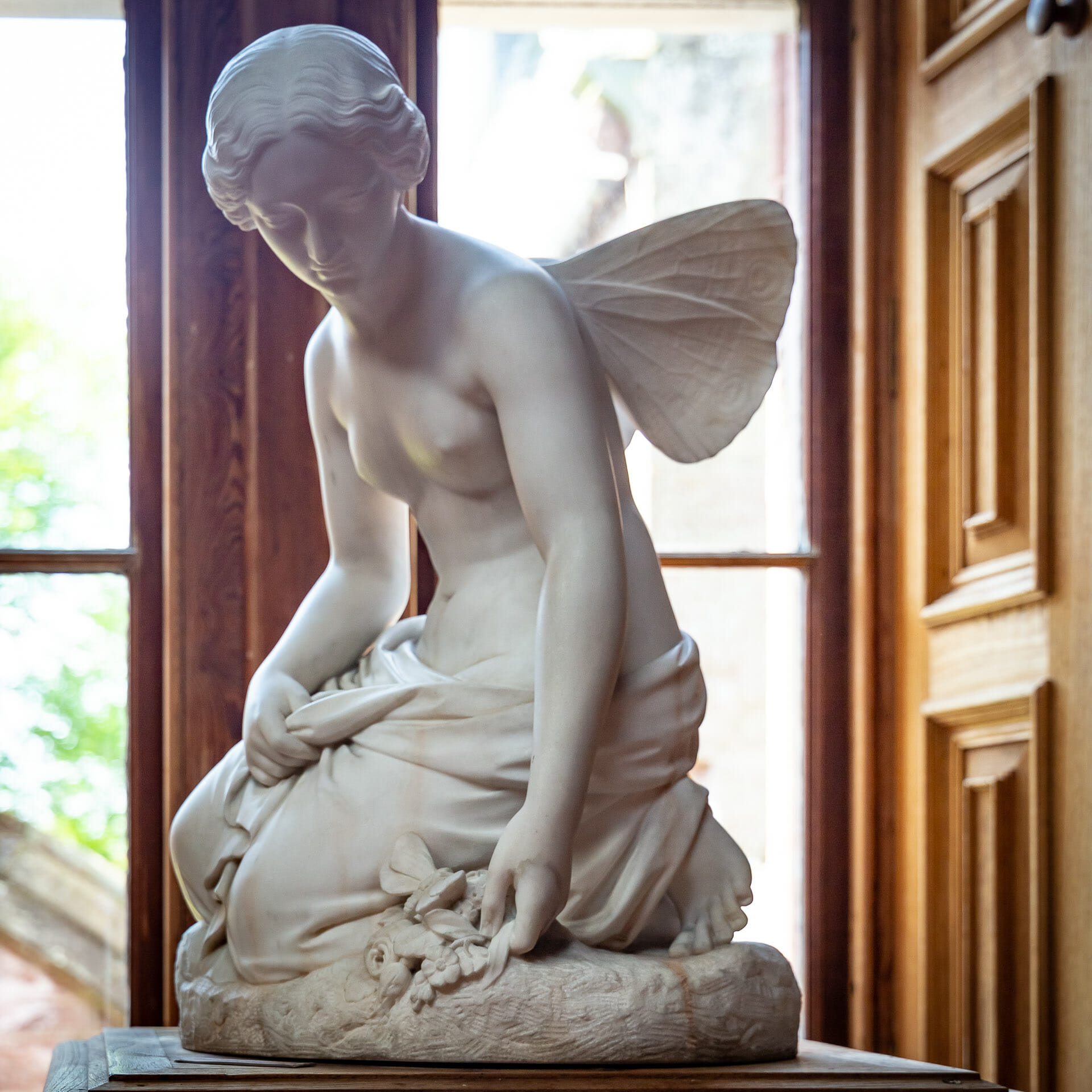
The highlight among the rooms is the gallery on the first floor. In the centre of this room, which is well lit by windows, stands a statue, around which furniture and display cases with small exhibits are grouped.
Many paintings adorn the walls, some of which also strike an ironic note. It’s said that this painting shows an employee of Patrick Allan Fraser’s, whom he had asked to read his book …
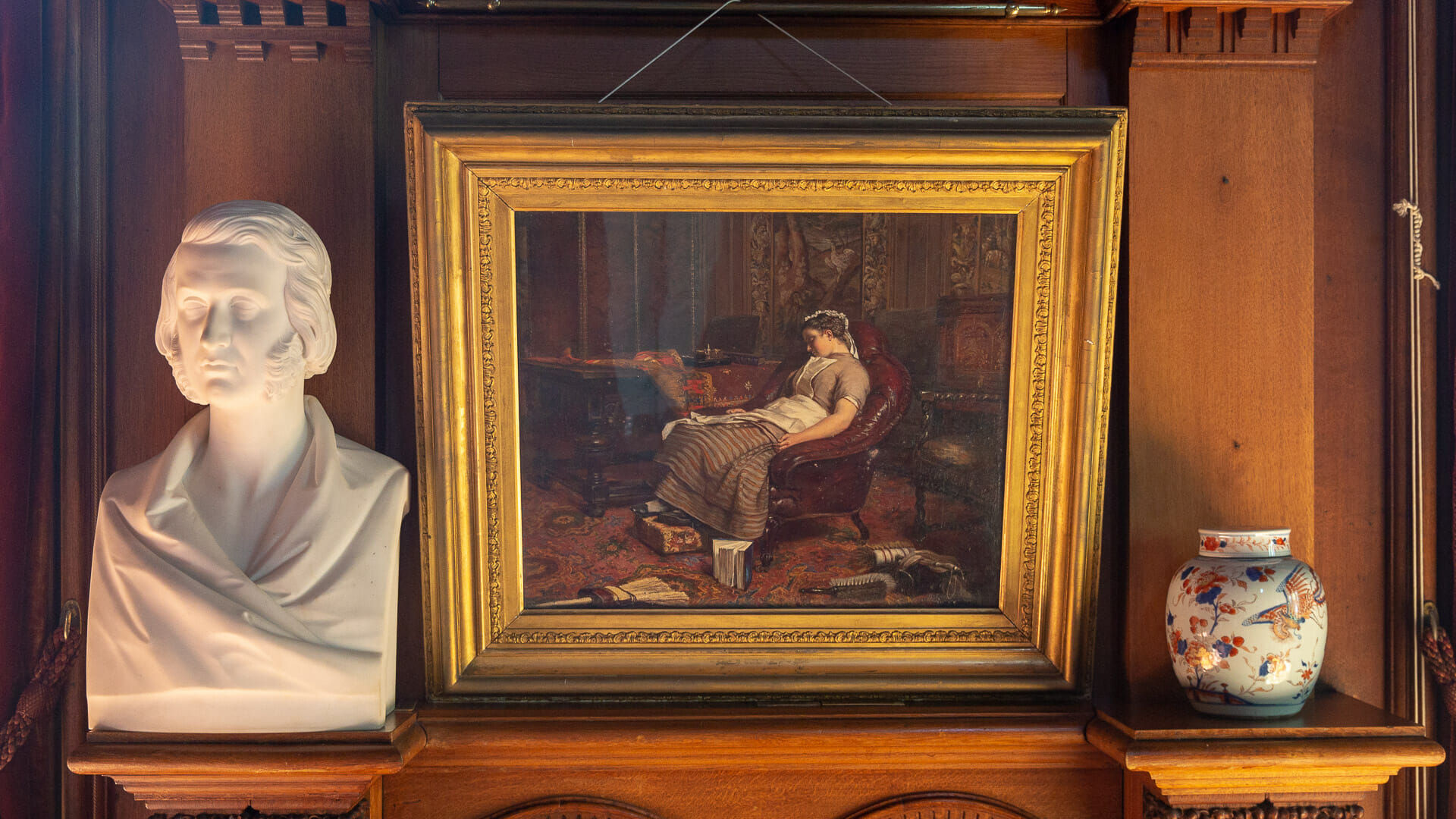
Alongside all the paintings, it’s the ornate fireplace that draws the eye.
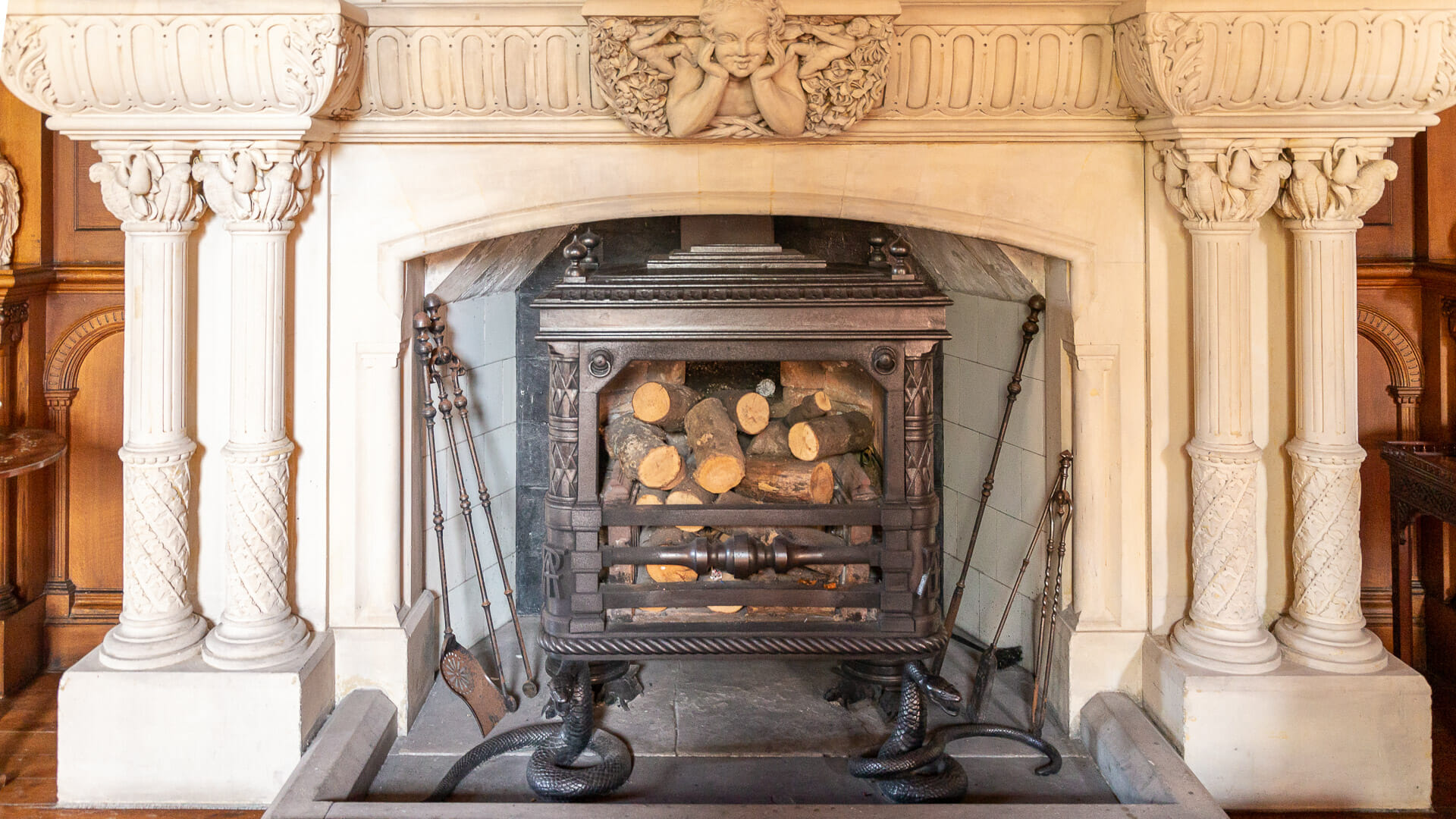
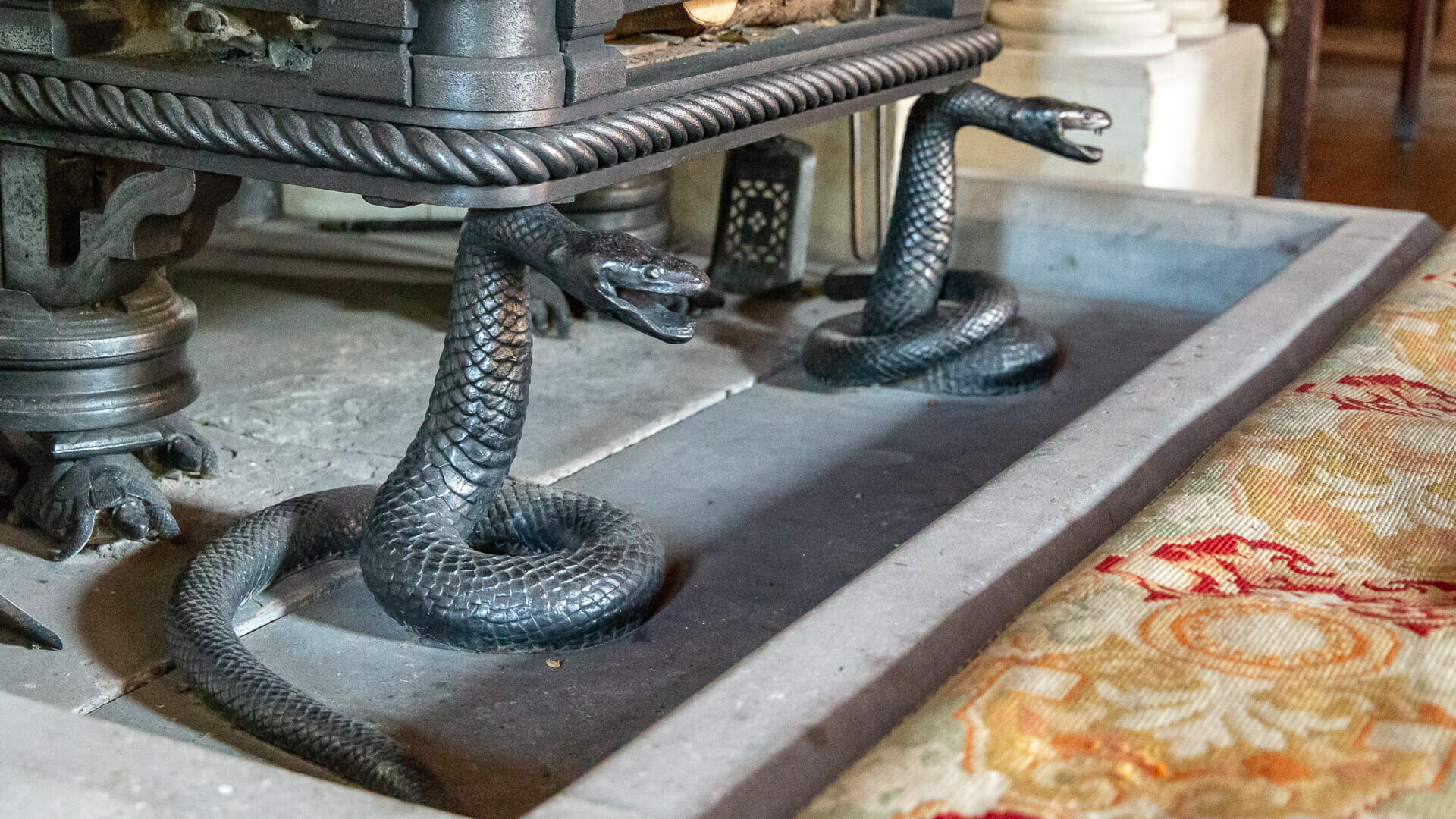
And here the trained eye recognises the influences of Arts & Crafts. At the latest, at the feet of the cast-iron stove.
A small side staircase from the gallery finally leads to what is presumably the most valuable exhibit in the house, in the Cedar Room.
There, a painting hangs on the wall that sets a dark severity against the house’s otherwise light and cheerful mood.
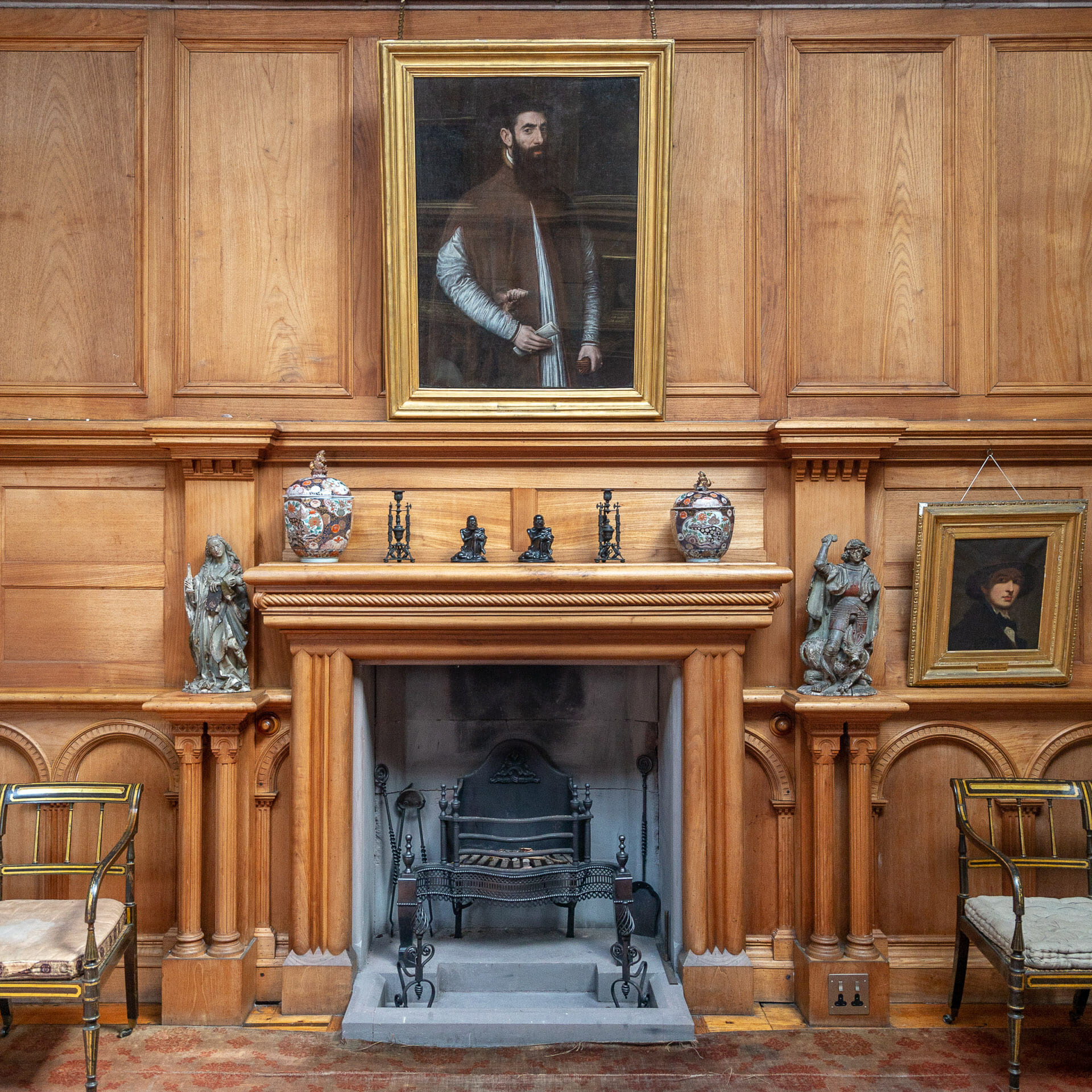
In the BBC programme “Lost Masterpieces”, Dr Bendor Grosvenor discovered that the painting can be attributed to the artist Anthonis Mor. Mor was court painter to Philip II in 16th-century Spain. The painting is now estimated to be worth several million euros.
Now you might get the impression that Hospitalfield House is some kind of museum. But art here is meant to be very much alive. Young artists perform modern performances in these rooms, wrap themselves in carpets, or set up video installations. Painting continues in several rooms of the house too. That’s exactly what carries forward the spirit of the Fraser couple, and it’s meant to remain the focus going forward.
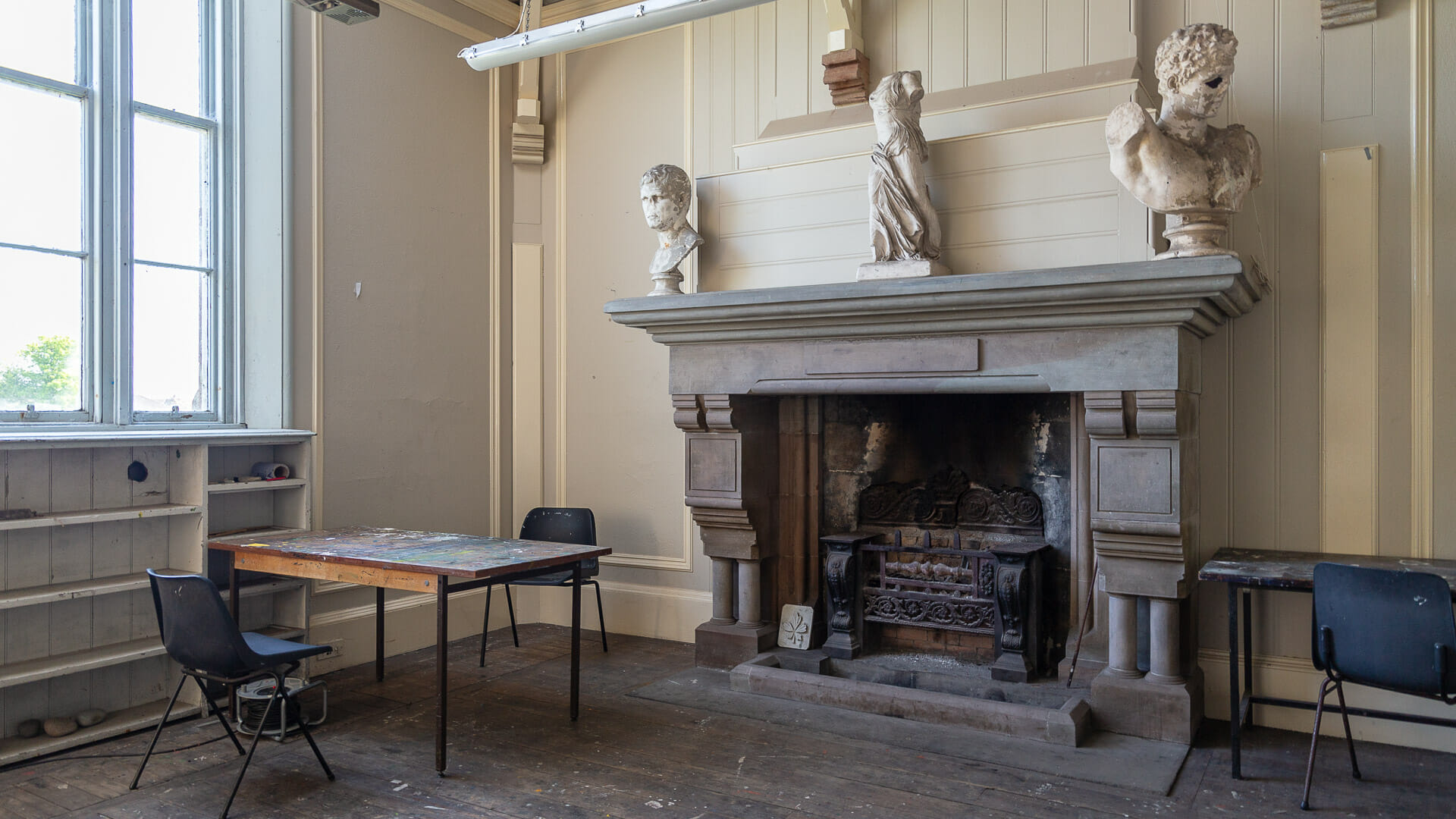
There’s also room for artists a few steps behind the house, in the “Study”.
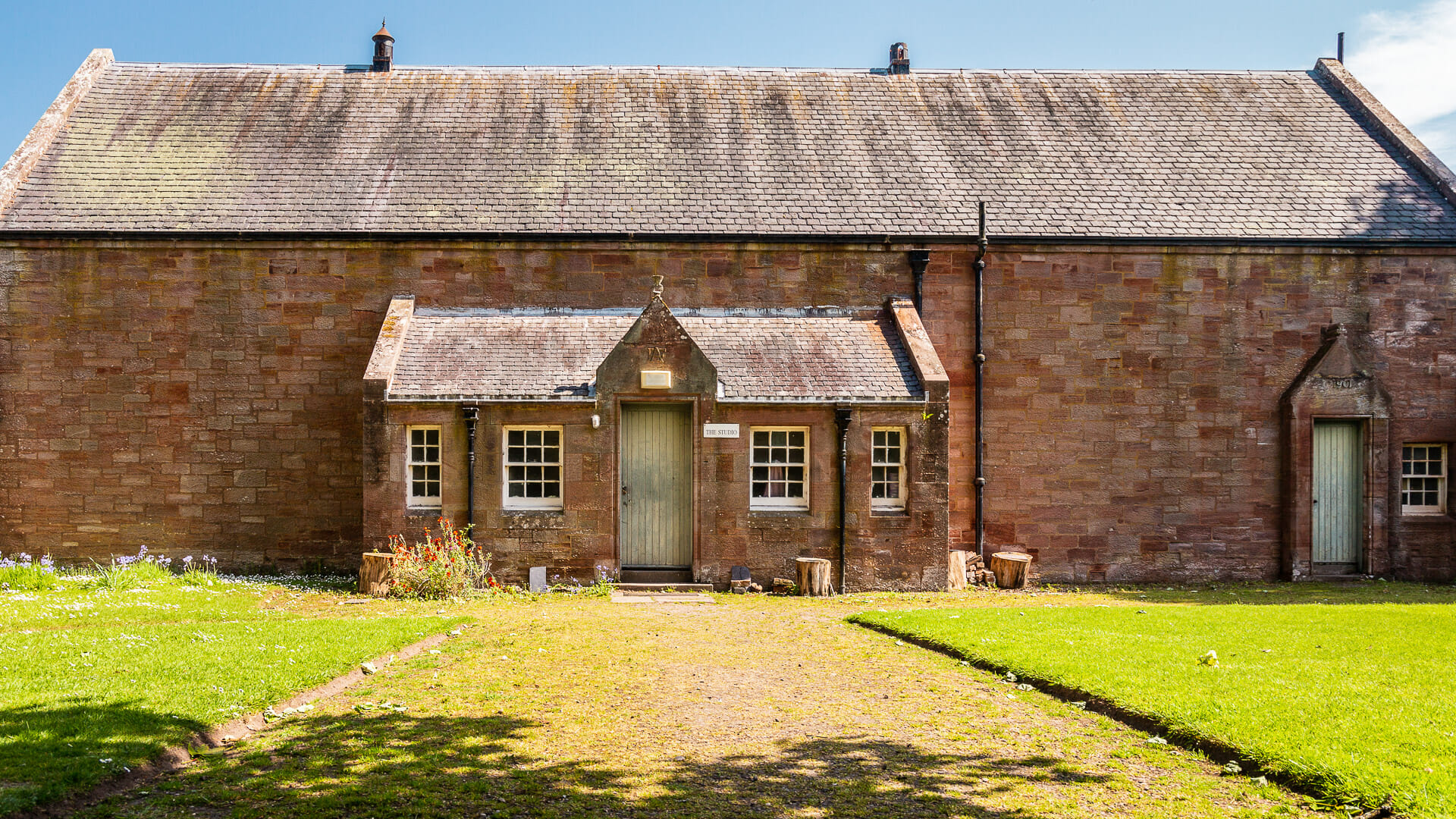
Even back then, this building was the place where the Frasers gave artists a place to work. That’s still the case today.
Stepping back outside here and heading a little to the left brings you to the garden of Hospitalfield House. Here too, the old house meets new art.
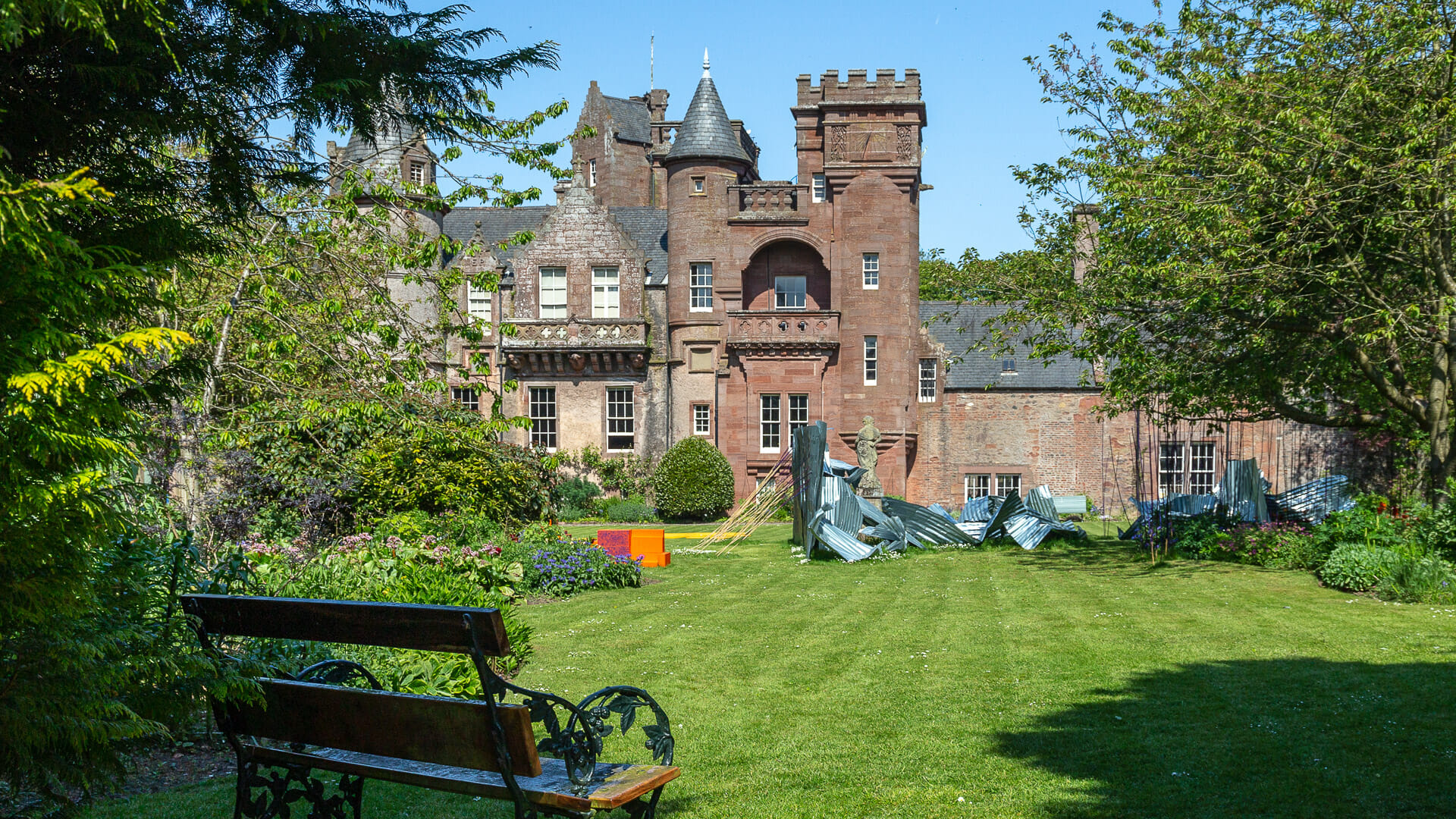
The garden, too, is a symbiosis of old and new. Modern art meets a historic walled garden here, of the kind once commonly found at country houses. Lettuces and herbs still grow here today.
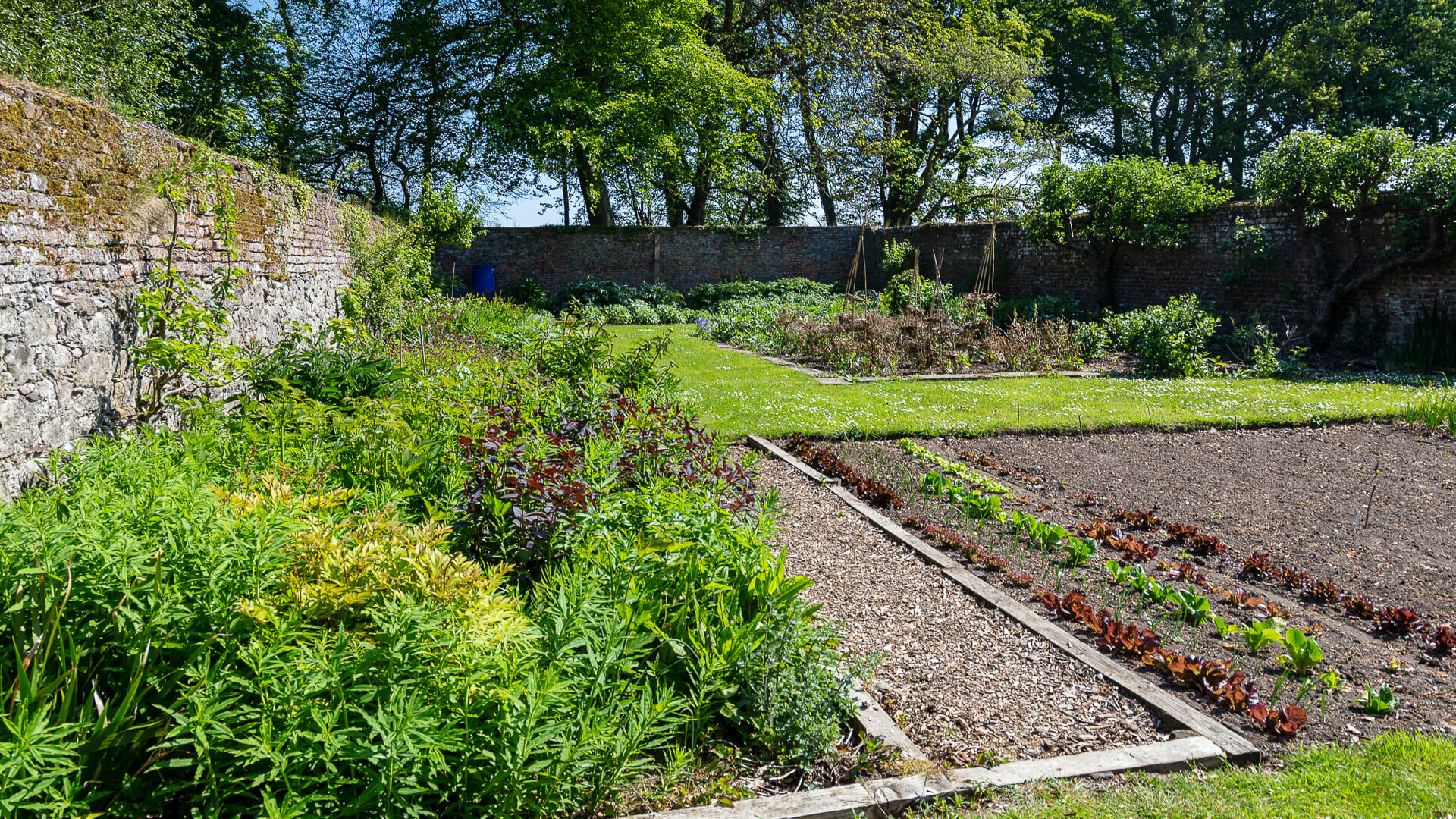
But who eats all this? The answer is: the visitors. A café resides here in a caravan.
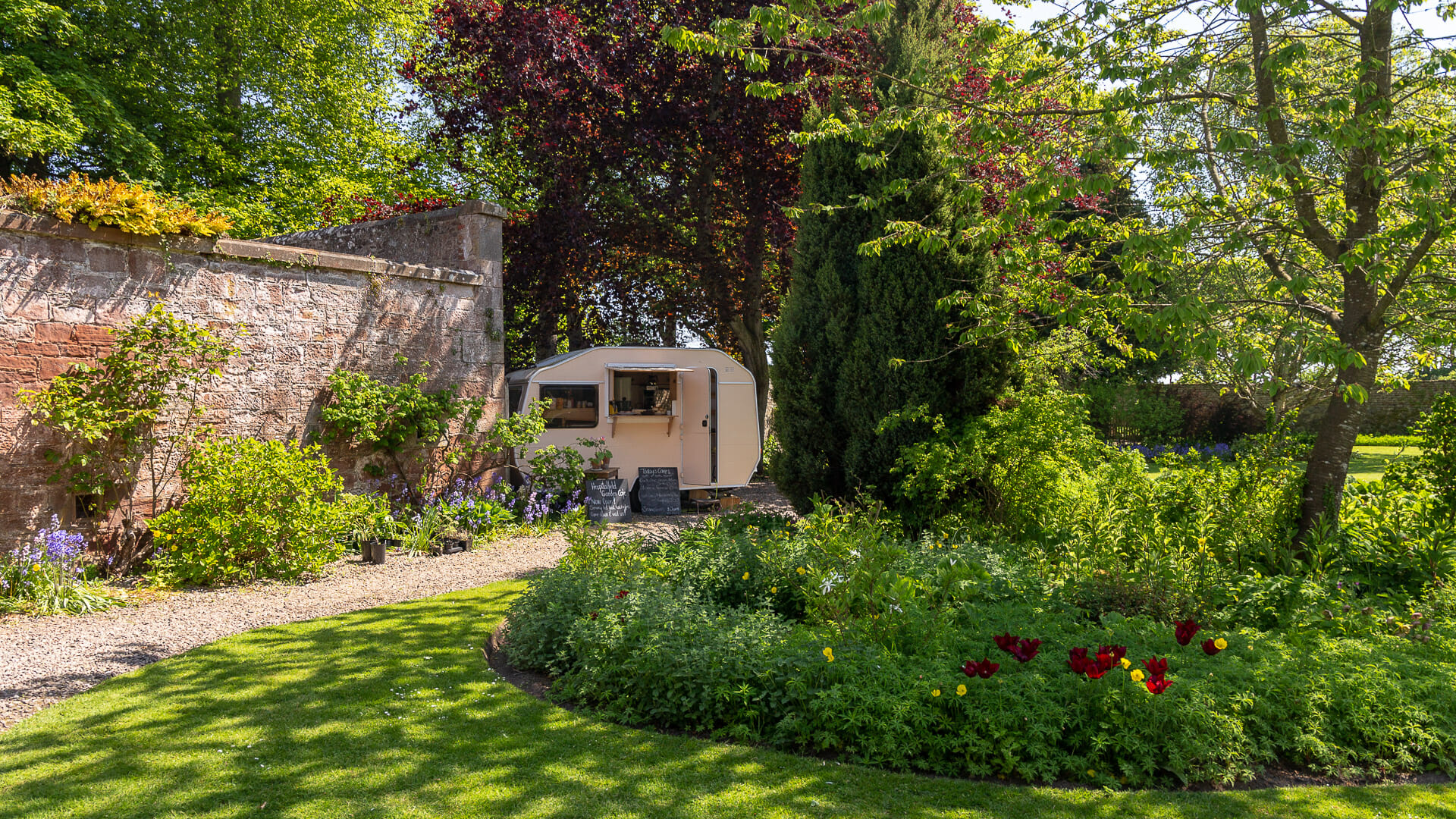
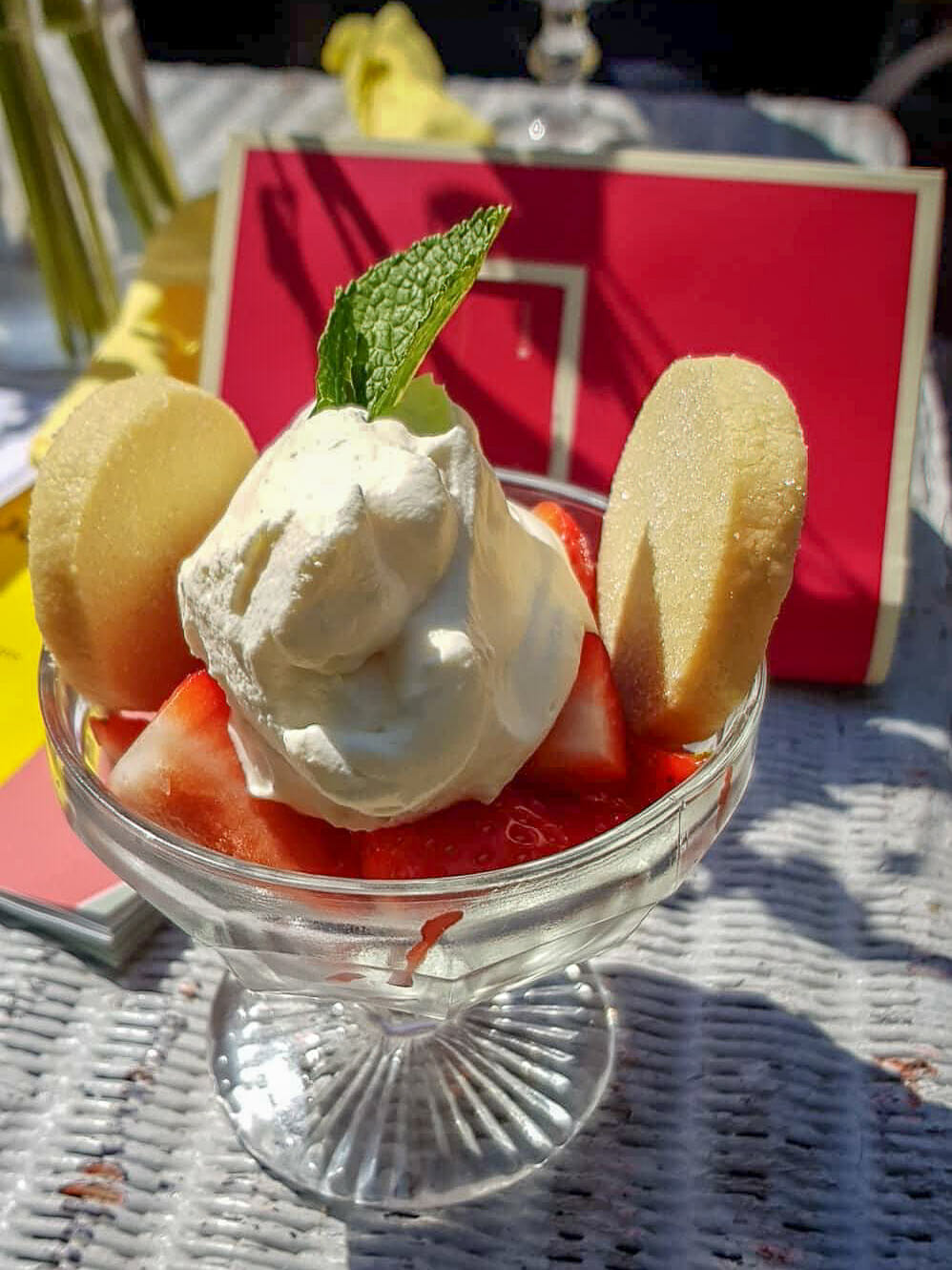
It serves cake, but also snacks that are mainly salad-based, followed by a sweet dessert.
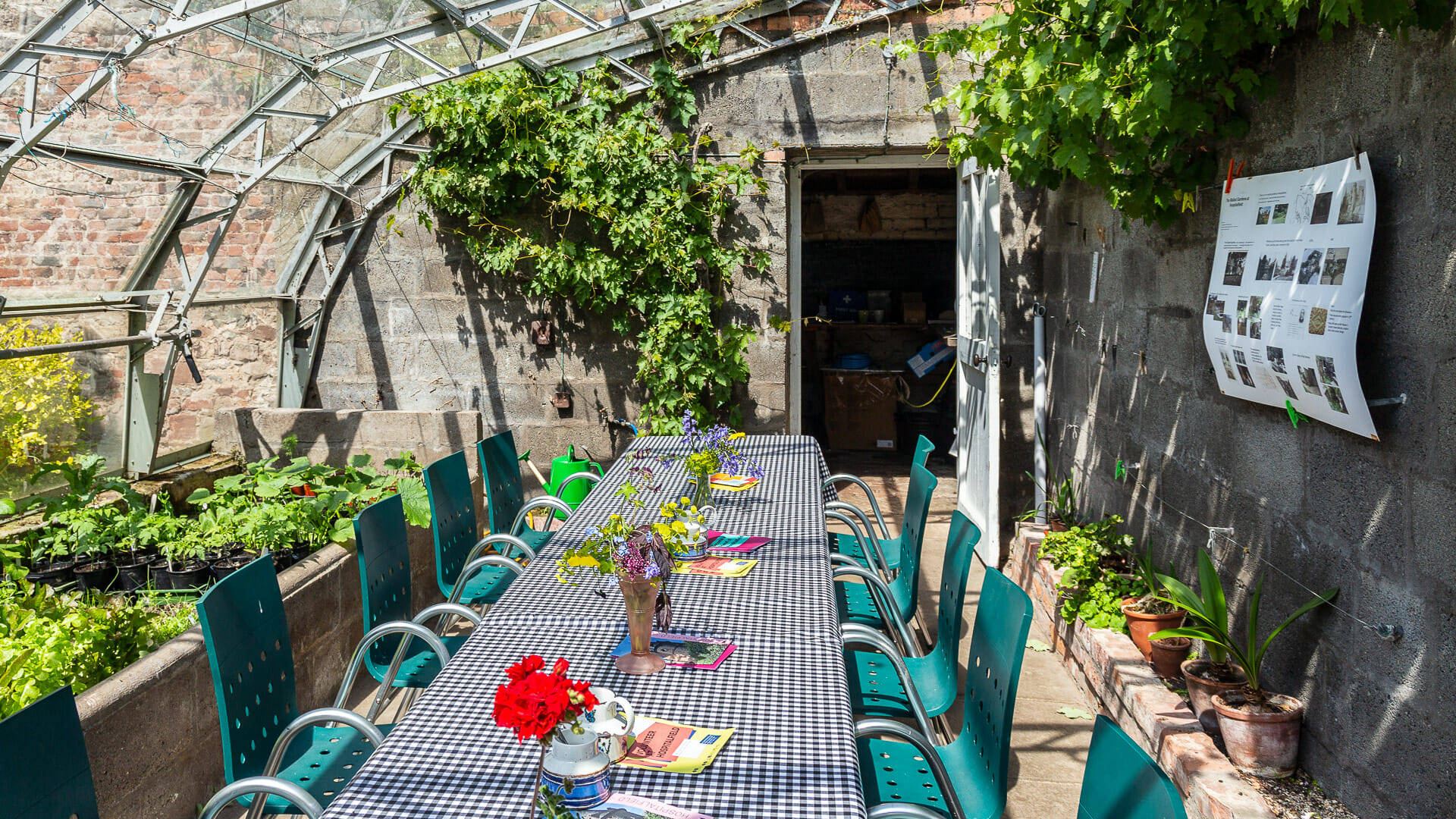
Café guests can sit in the garden or in the covered former greenhouse.
Around the corner, almost hidden away, is one final treasure of the house: the former fern house.
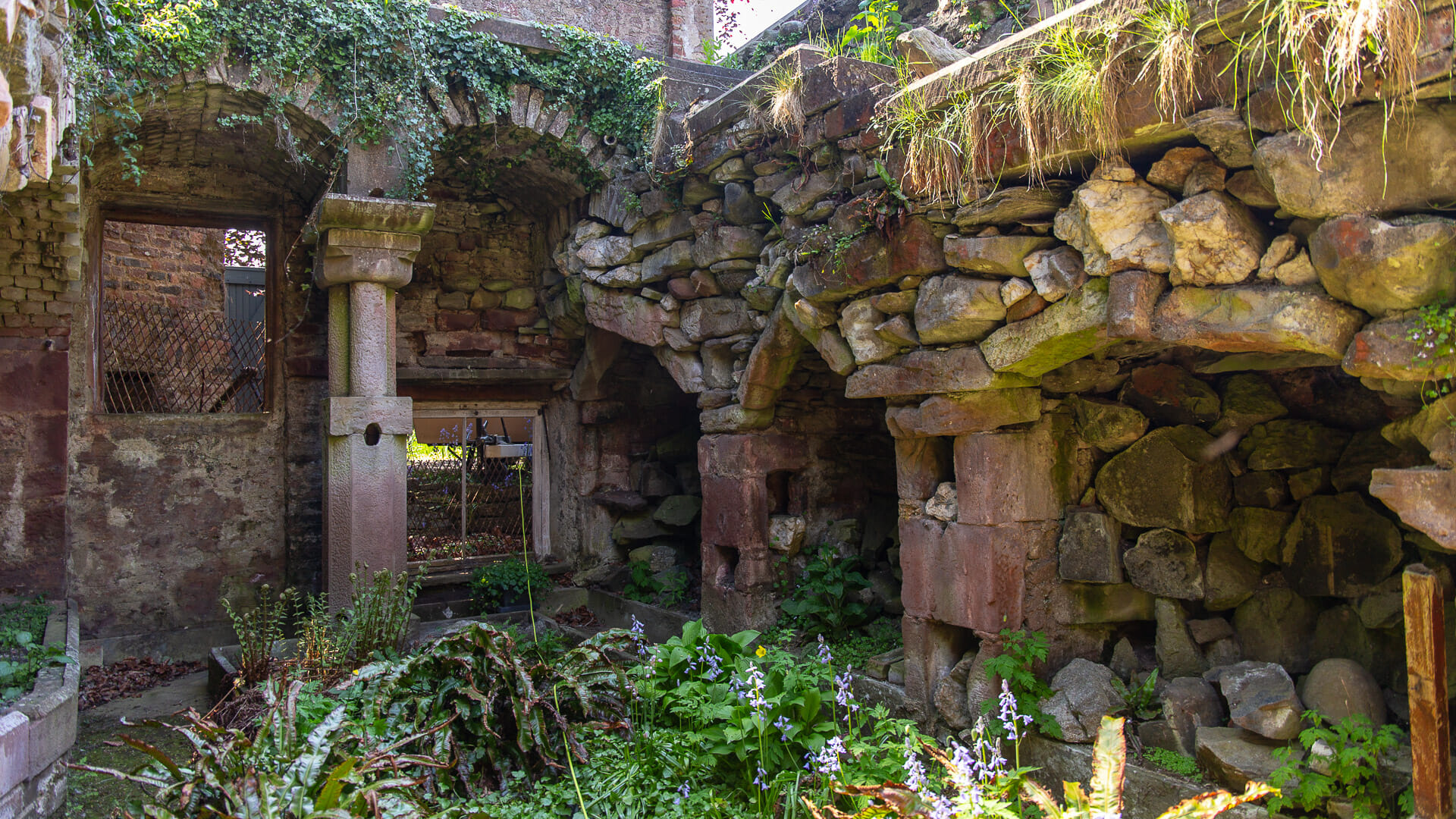
It’s a unique structure that was, unfortunately, in poor condition when we visited. But for the whole estate, the same applies: work in progress – its renovation is already being planned.
Art – whether modern or old – has found an impressive home at Hospitalfield House. Anyone who appreciates beauty will find it here on a visit.
Know-how: Why art settled at Hospitalfield House
Patrick Allan disappointed his family. Instead of taking up a respectable profession, he trained as a painter at the Edinburgh College of Art. Yet he was quite successful at it, even making it all the way to Rome to the British Academy. In 1840 he returned to Scotland, to his home town of Arbroath, where he met and fell in love with Elizabeth Fraser Baker. They married and moved to the estate that Elizabeth had inherited.
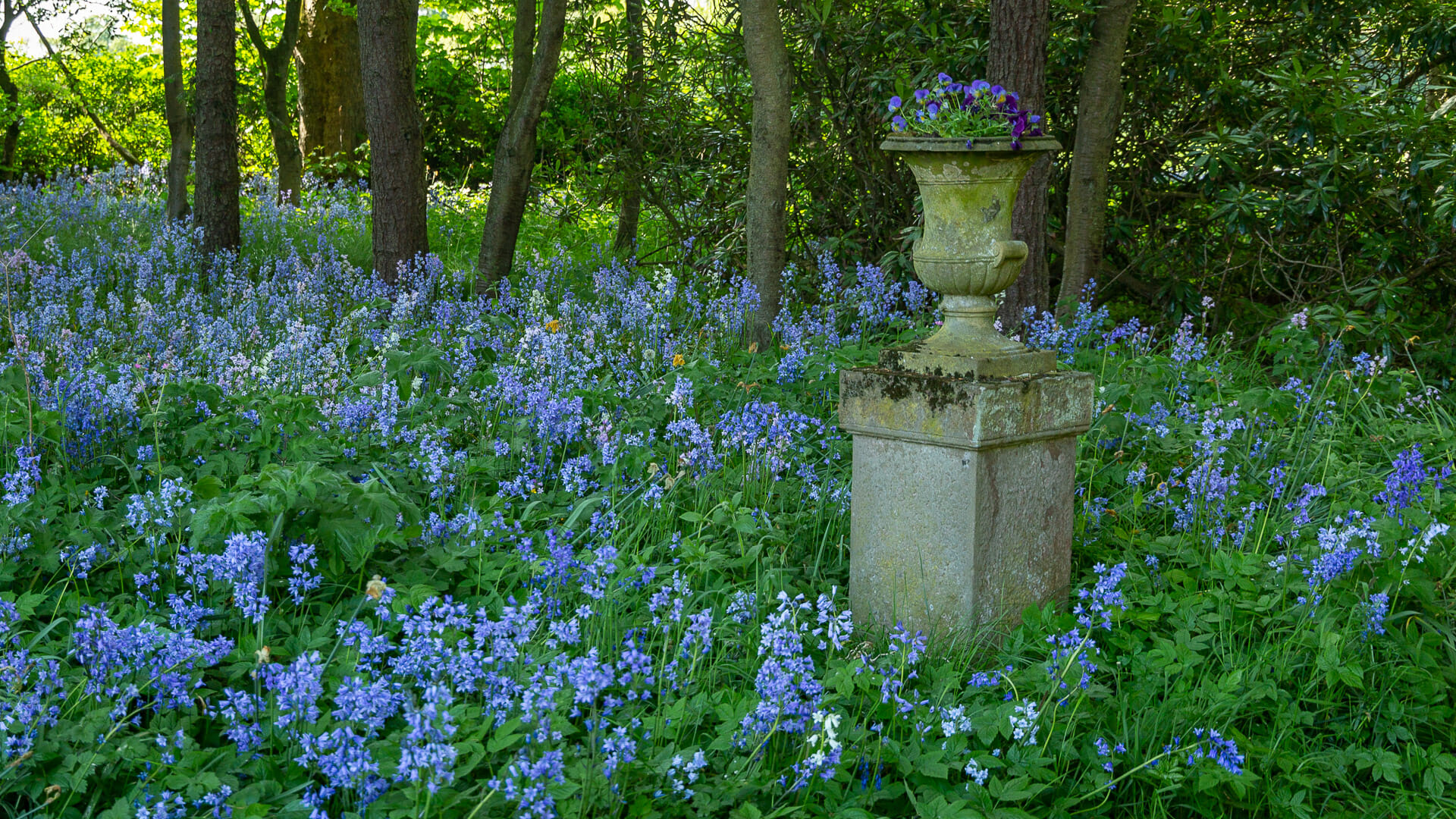
From 1850 the couple completely redesigned their estate. Patrick was an admirer of the emerging Arts & Crafts movement, which later influenced Art Nouveau.
Because the marriage produced no children, the couple, after their deaths, effectively bequeathed the estate to the training of artists. From 1900, a free art school resided here. But it went bankrupt in 1970, and preserving the estate became difficult.
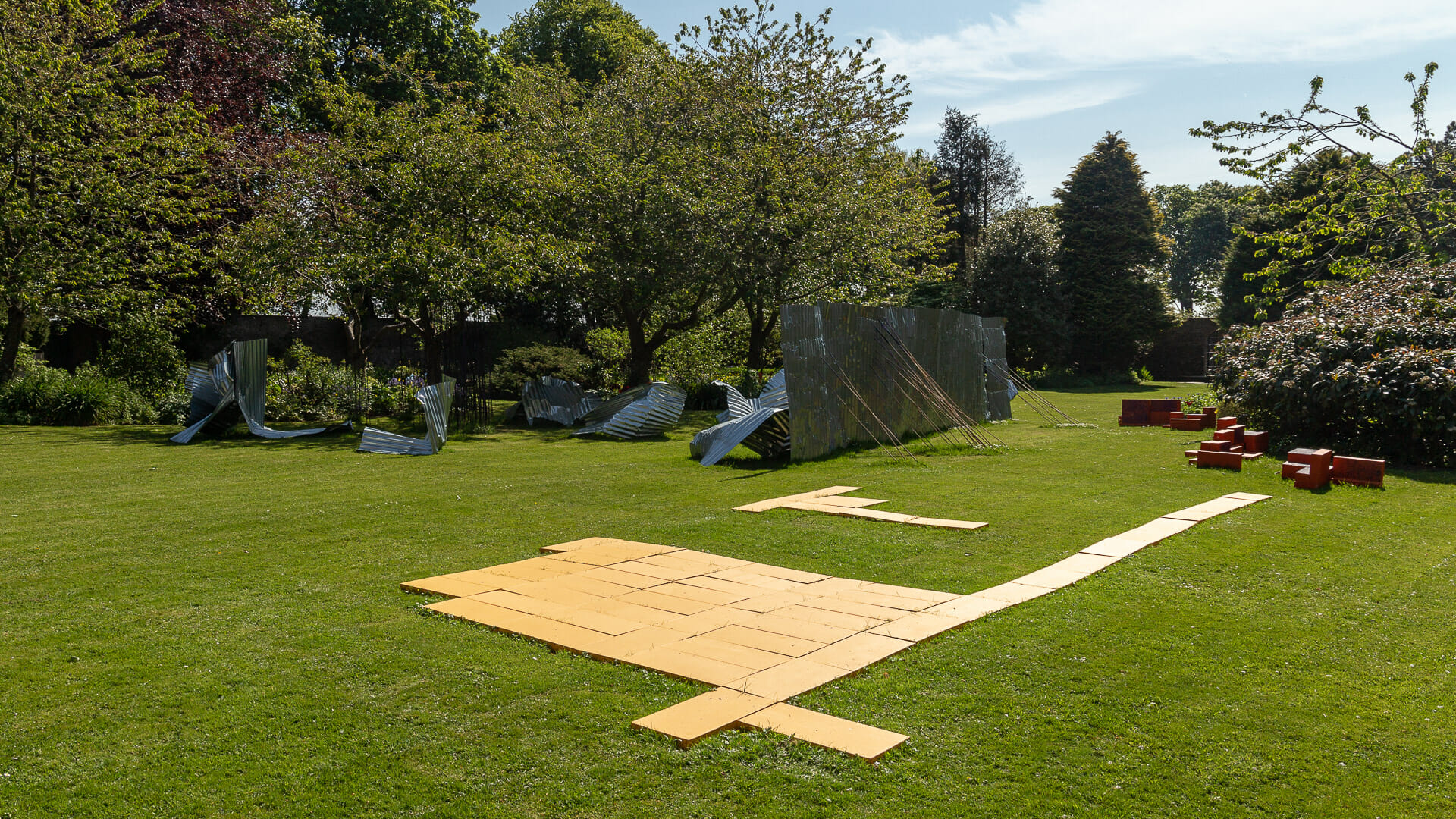
Now, however, the Patrick Allan-Fraser of Hospitalfield Trust wants to bring the estate back to life. Young artists from Europe can apply for a residency. Various events also take place here regularly.
The trust also wants to expand accommodation that visitors can rent.
Getting there
With satnav: enter “DD11 2NH”.
Without satnav: From Dundee, take the A92 towards Arbroath. After the McDonald’s at Arbroath, turn left at the roundabout towards the A933, Brechin and Forfar. Then after a short while, turn right at the sign for Hospitalfield Arts. Park directly in front of the house.
