The small Scottish town of Dunoon draws visitors with a wonderful old pier and a number of other interesting attractions.
Dunoon Info:
Where the River Clyde opens out into a large, branching system of lochs and deep bays, a small headland juts out – an excellent spot to guard the Firth of Clyde. In other words: an excellent spot for a castle. Its name: Dunoon Castle.
A fortress guarding the important waterways inland has indeed stood here since the 12th century. And, as so often happens, people seeking protection gathered at the foot of the castle, until a settlement grew up that today numbers close to 9,140 residents.
That makes Dunoon the largest town in Argyll and Bute. And yet hardly any tourists know this place. That may be because Dunoon is still rather awkward to reach today – either via a very long overland route, or by boat.
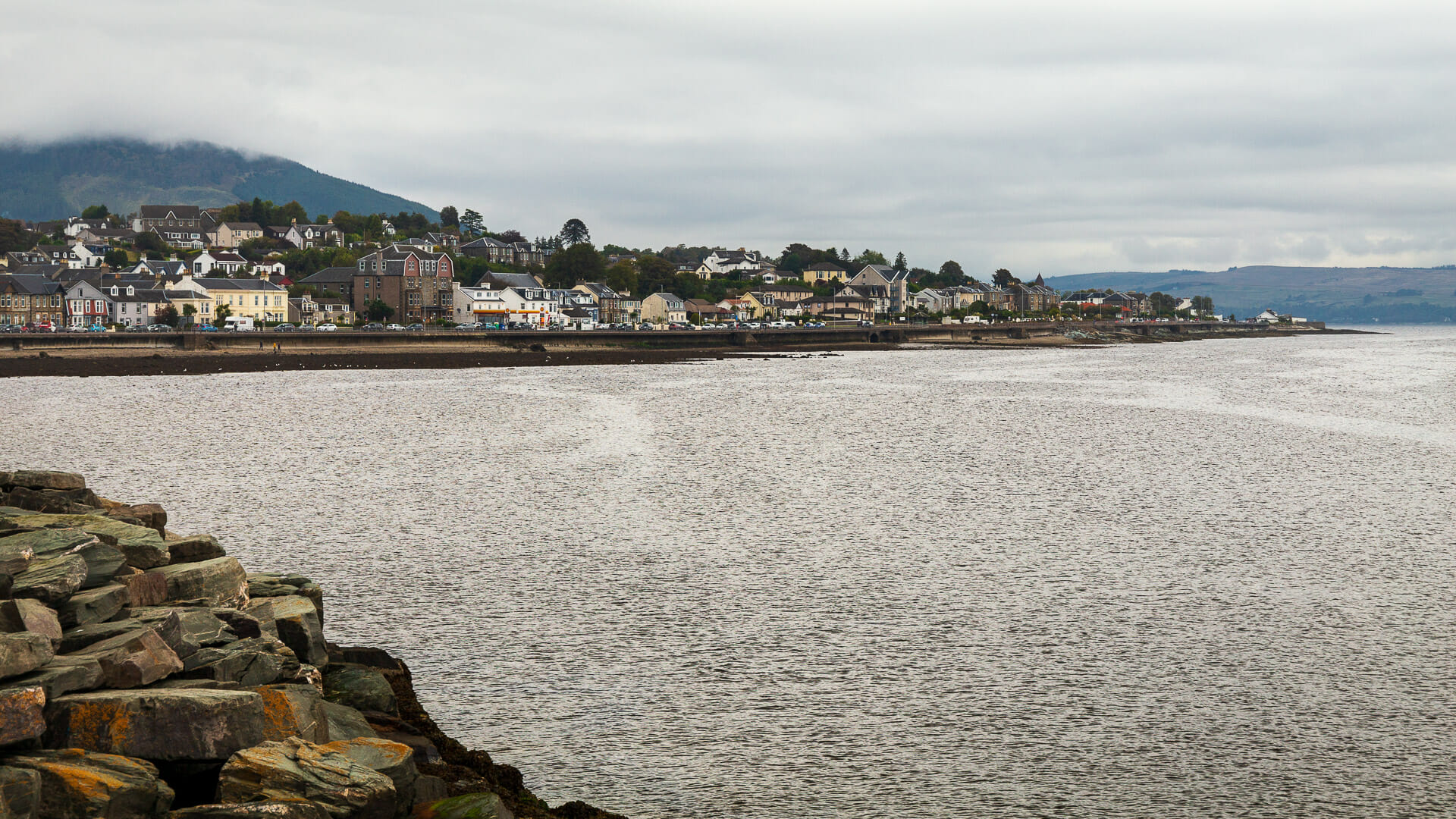
Perhaps “by boat” is also the best way to approach Dunoon, since the town sits beautifully on the shore, and the pier once used by the pleasure steamers of Queen Victoria’s day is one of its finest attractions.
Attractions in Dunoon
The small town of Dunoon isn’t exactly packed with attractions. Even so, there’s plenty to see and experience.
Dunoon Pier
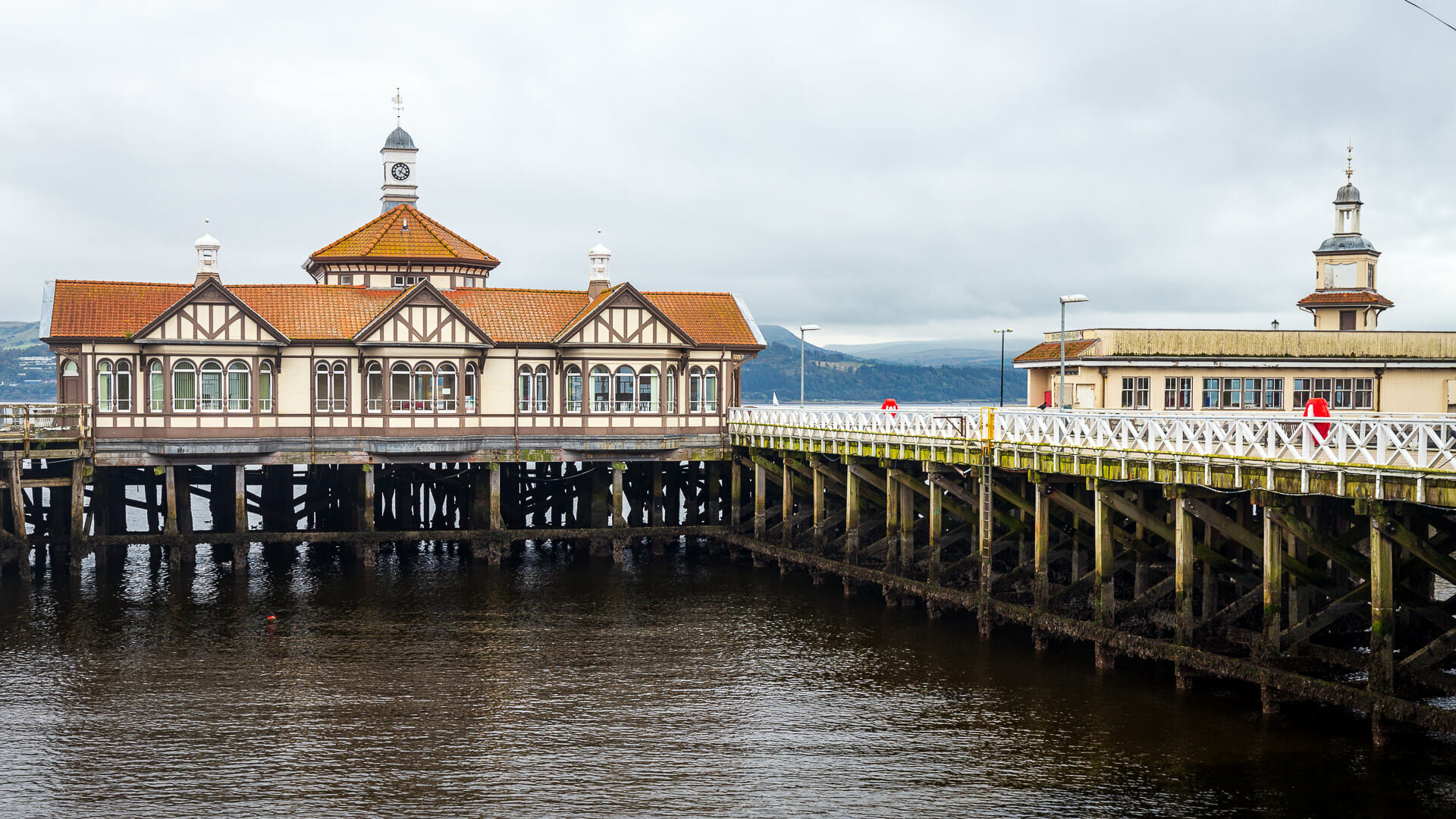
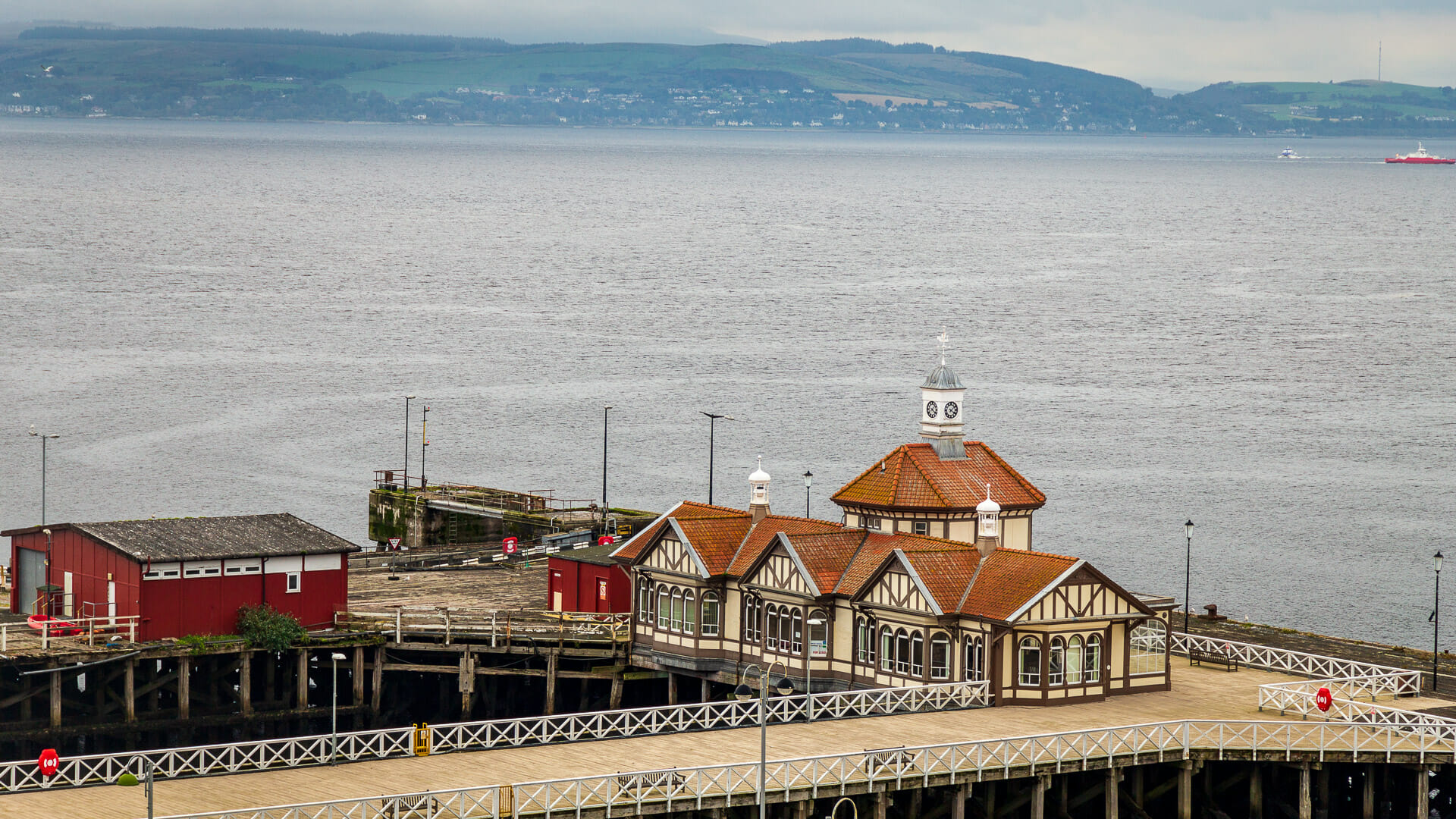
It’s considered one of the few surviving wooden piers from the era of the paddle steamers. With two broad jetties, it reaches far out into the harbour, ending in a wide platform with several historic buildings.
There’s the old waiting room, with its half-timbered facade and red tiled roof. It dates from Queen Victoria’s era, built around 1896 to cope with the crowds of passengers who took the boats “doon the watter”, down the Firth of Clyde, in summer. The building has only recently been restored, along with one of the two jetties, and now looks splendid again.
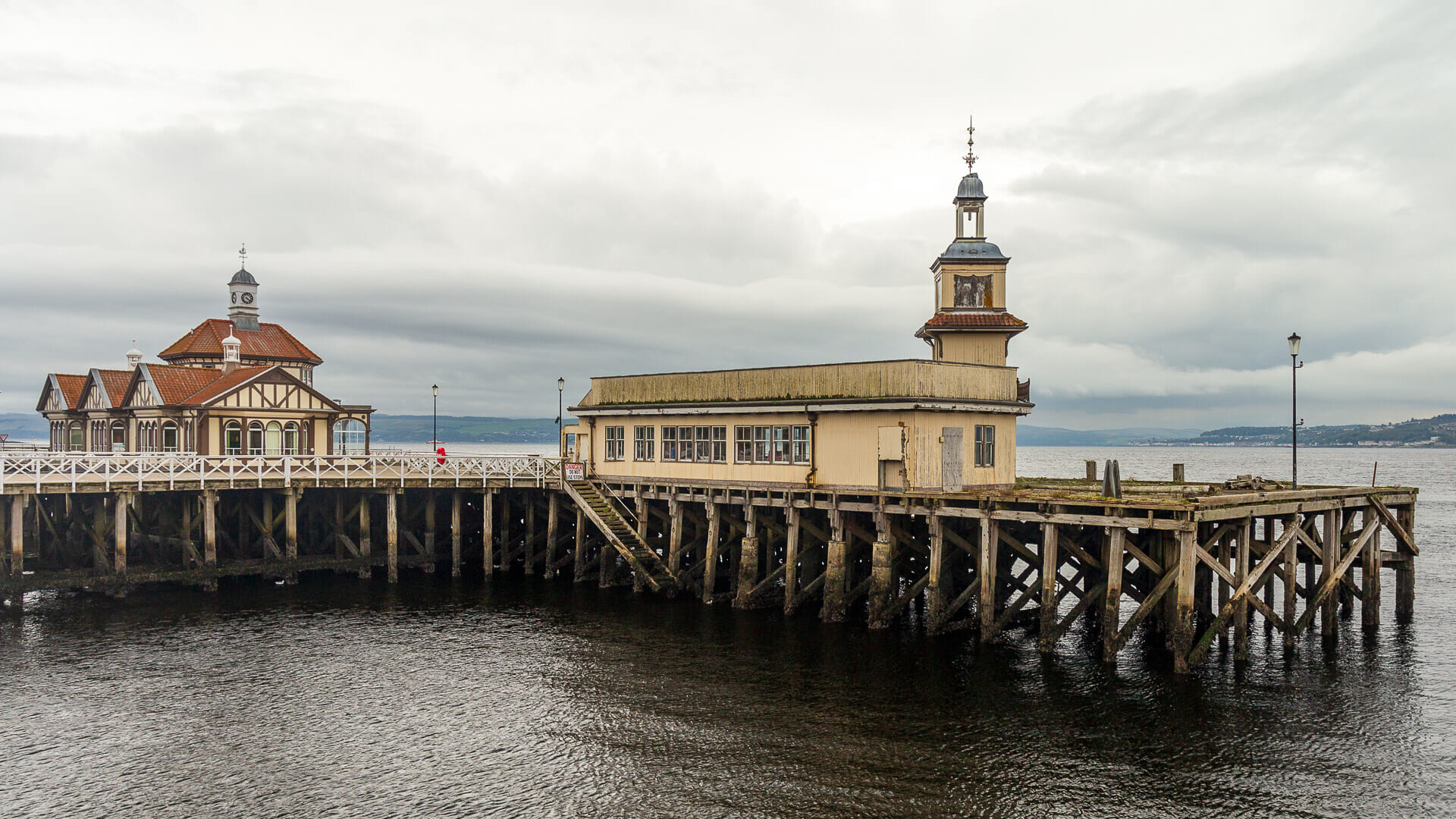
The old signal tower and the old tearoom haven’t fared quite so well. Both date from 1937. This part of the pier and its buildings haven’t been restored yet, although there are plans to do so.
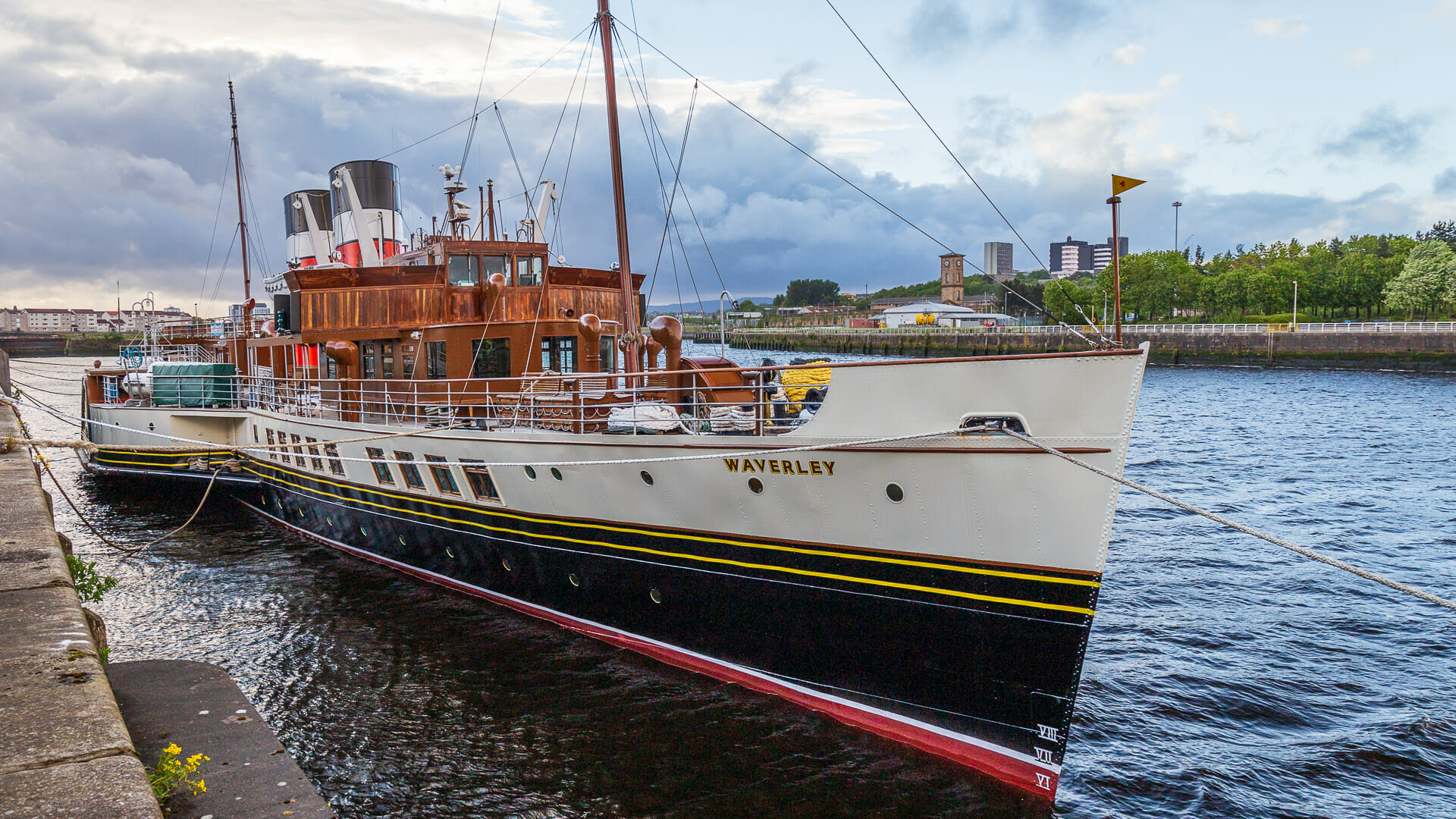
Even today, the world’s last seaworthy paddle steamer, the Waverley, still docks at the pier. In summer, she sails the old routes to the Isle of Bute and Campbeltown too.
Castle Hill
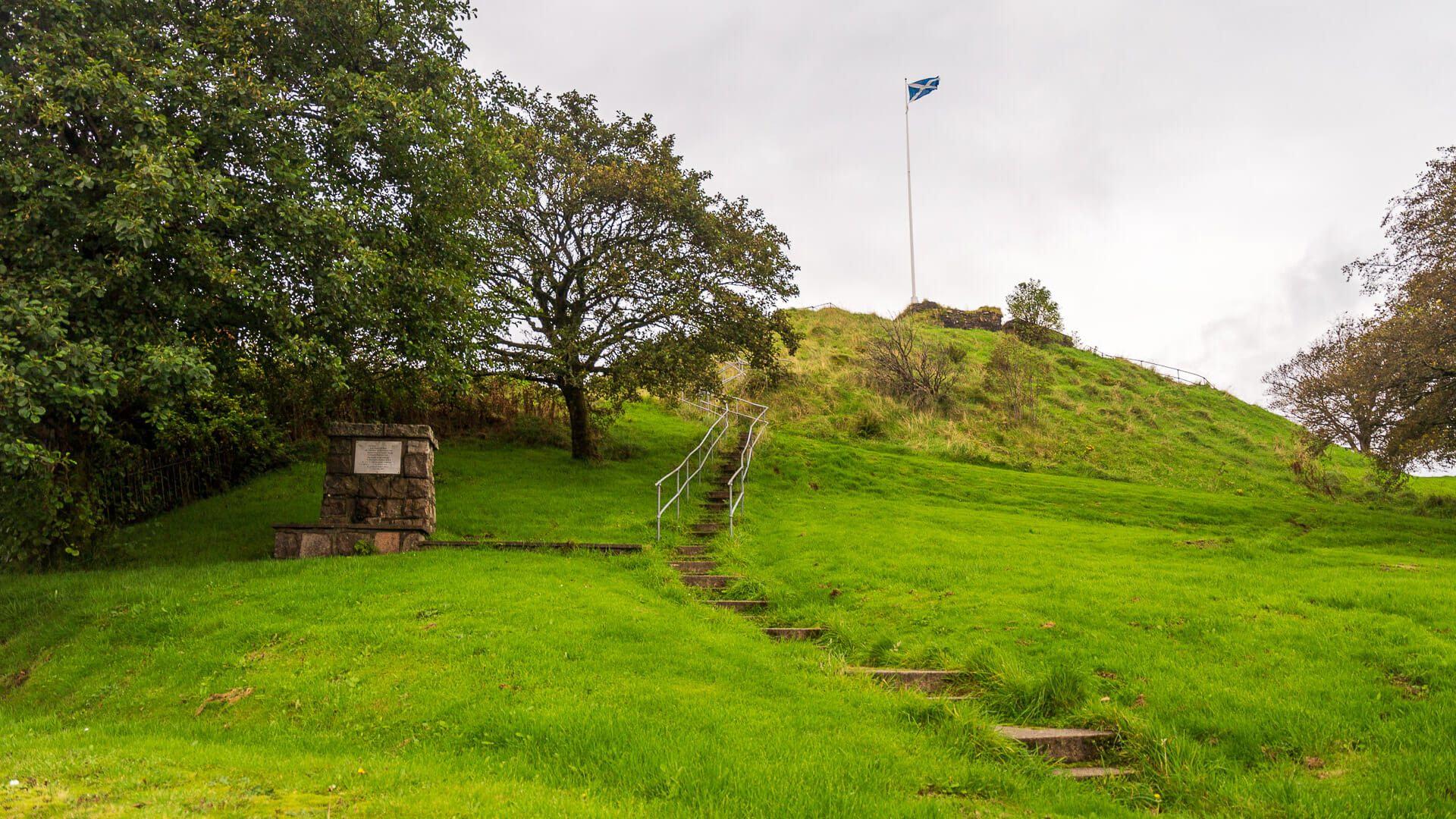
It must have been a proud castle: three large towers are said to have formed a triangle here – perhaps in a similar style to what distant Caerlaverock Castle still shows today. But nothing remains to be seen of the 12th-century castle today.
The castle mound itself, at least, is still there. It can be climbed via many steps, and offers a view from the top over Dunoon’s pier and the sea.
Highland Mary
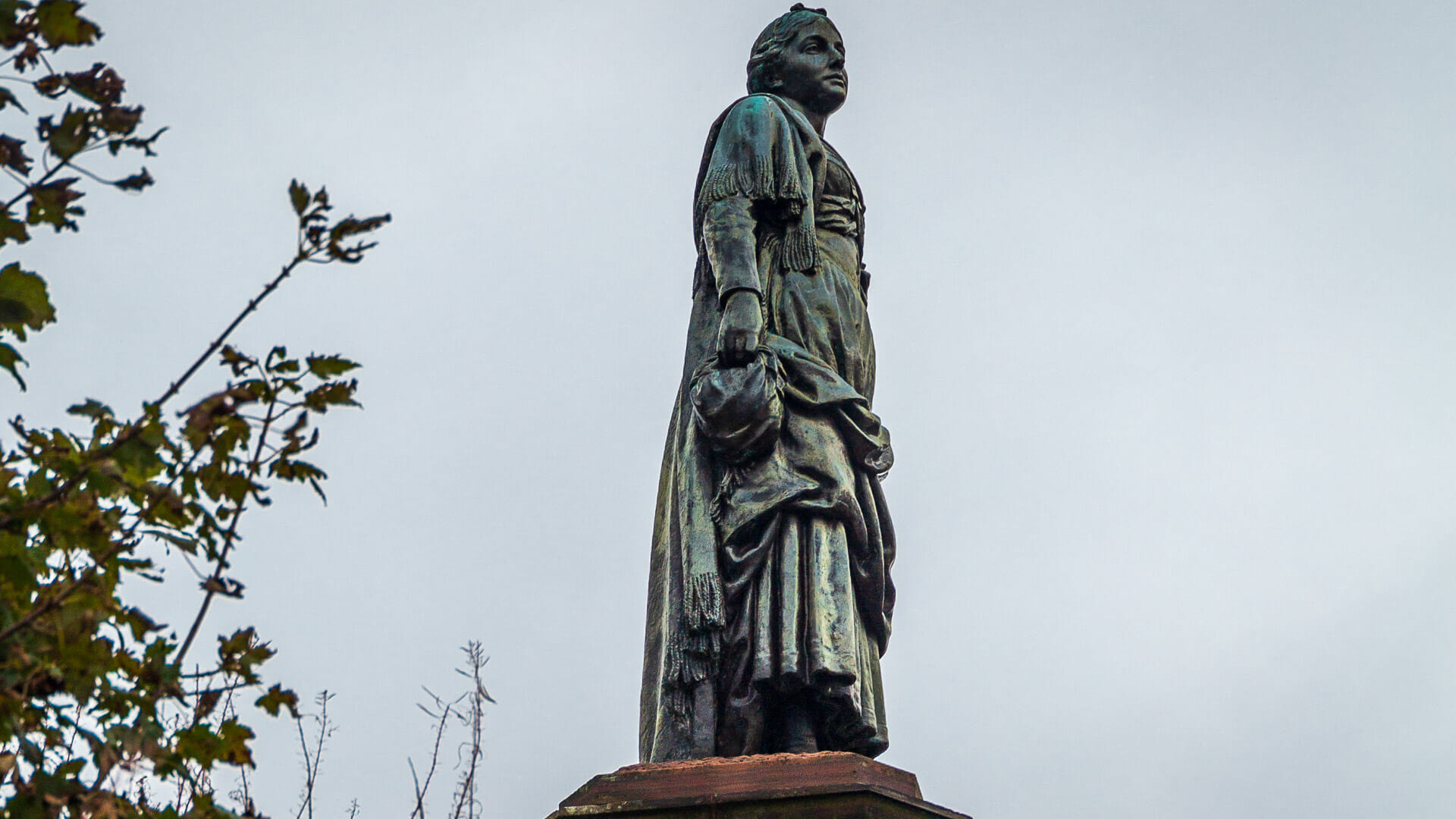
Also standing on the castle mound is a large statue depicting a woman in flowing robes. She represents Highland Mary. Her real name was Mary Campbell, and she became famous through her brief affair with the writer Robert Burns.
She spoke English with a strong Gaelic accent, which earned her the nickname “Highland Mary”. She lived in Dunoon around 1768, later moving to Greenock on the other side of the Clyde.
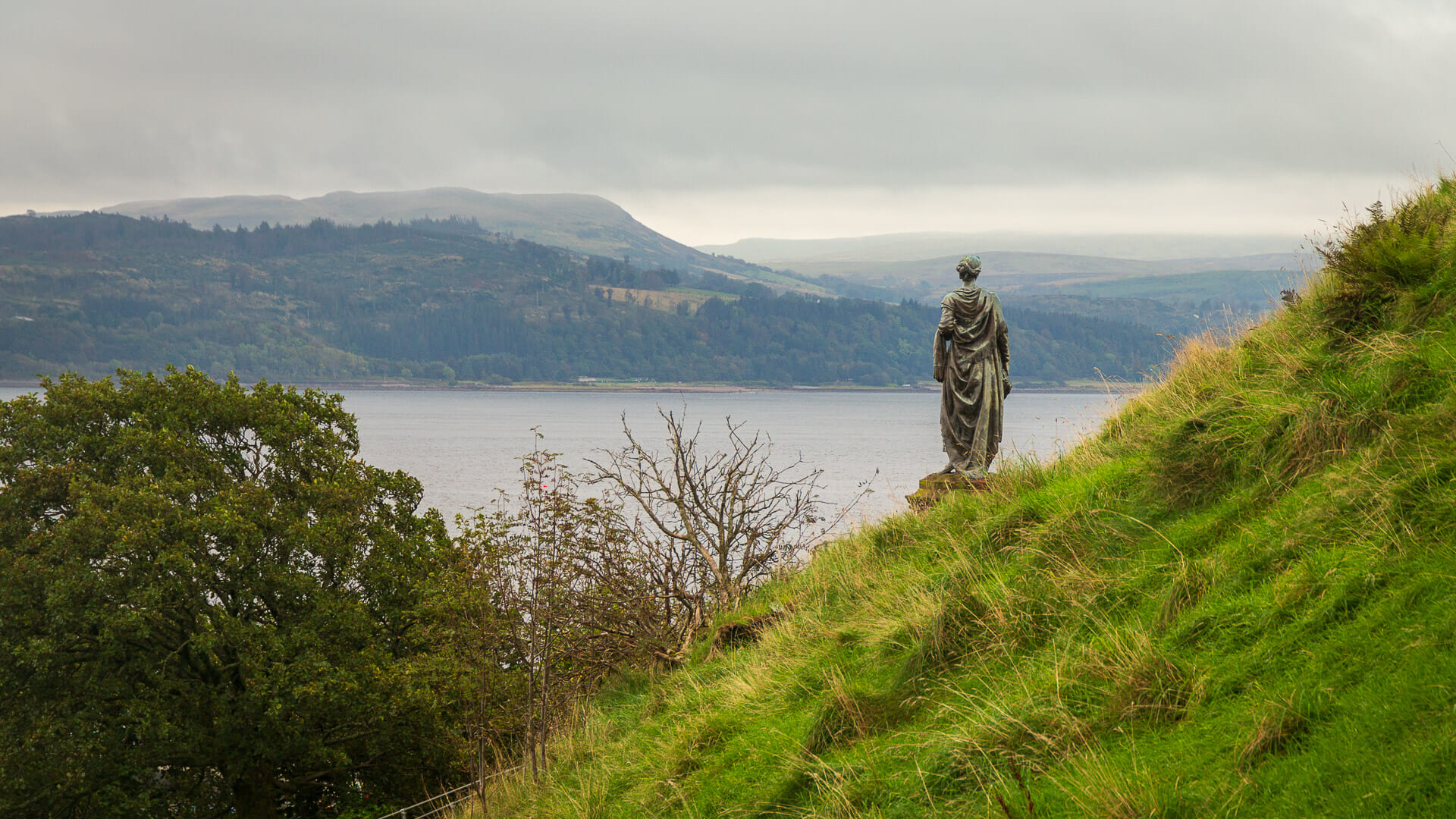
Burns dedicated several poems to her and apparently even planned to emigrate with her. However, Mary died of typhus at just 23 years old. Her statue looks out from Dunoon across to Greenock, where she was buried.
Castle House Museum and Gardens
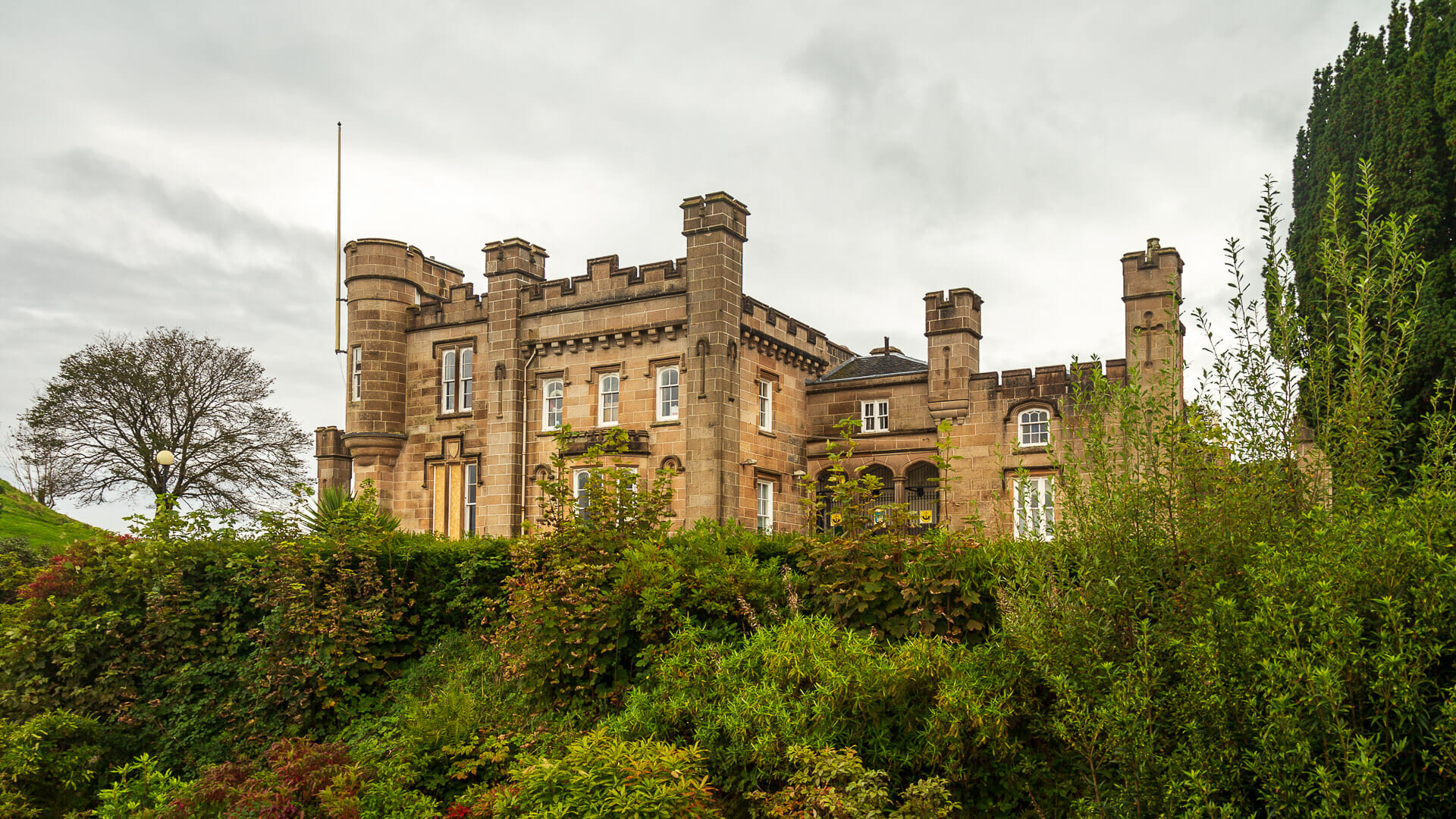
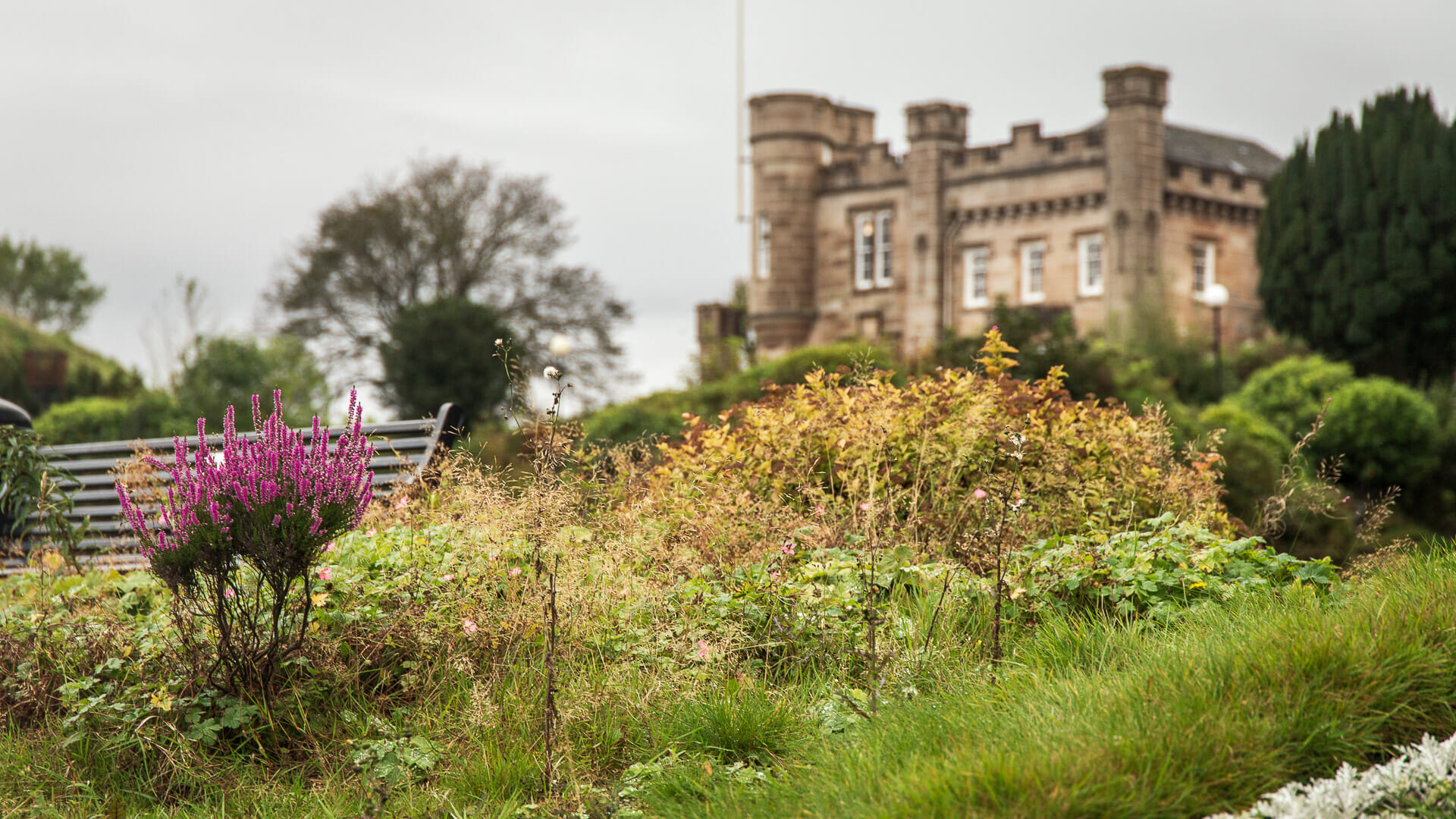
Castle House Museum sits in a small park scattered with rocks, beside the old castle mound. The building dates from 1822 and was designed by David Hamilton, a Glasgow architect who was also responsible for a number of buildings there, including the bridge at Glasgow Necropolis.
All sorts of flowers bloom in the park, and a short stroll here is worthwhile. More important, though, is the exhibition inside Castle House itself. It covers the history of the Cowal peninsula from the Stone Age to the present day. You can also see Highland Mary’s cottage and a Victorian classroom. A good starting point if you plan to explore the Cowal peninsula further afterwards.
Westbay
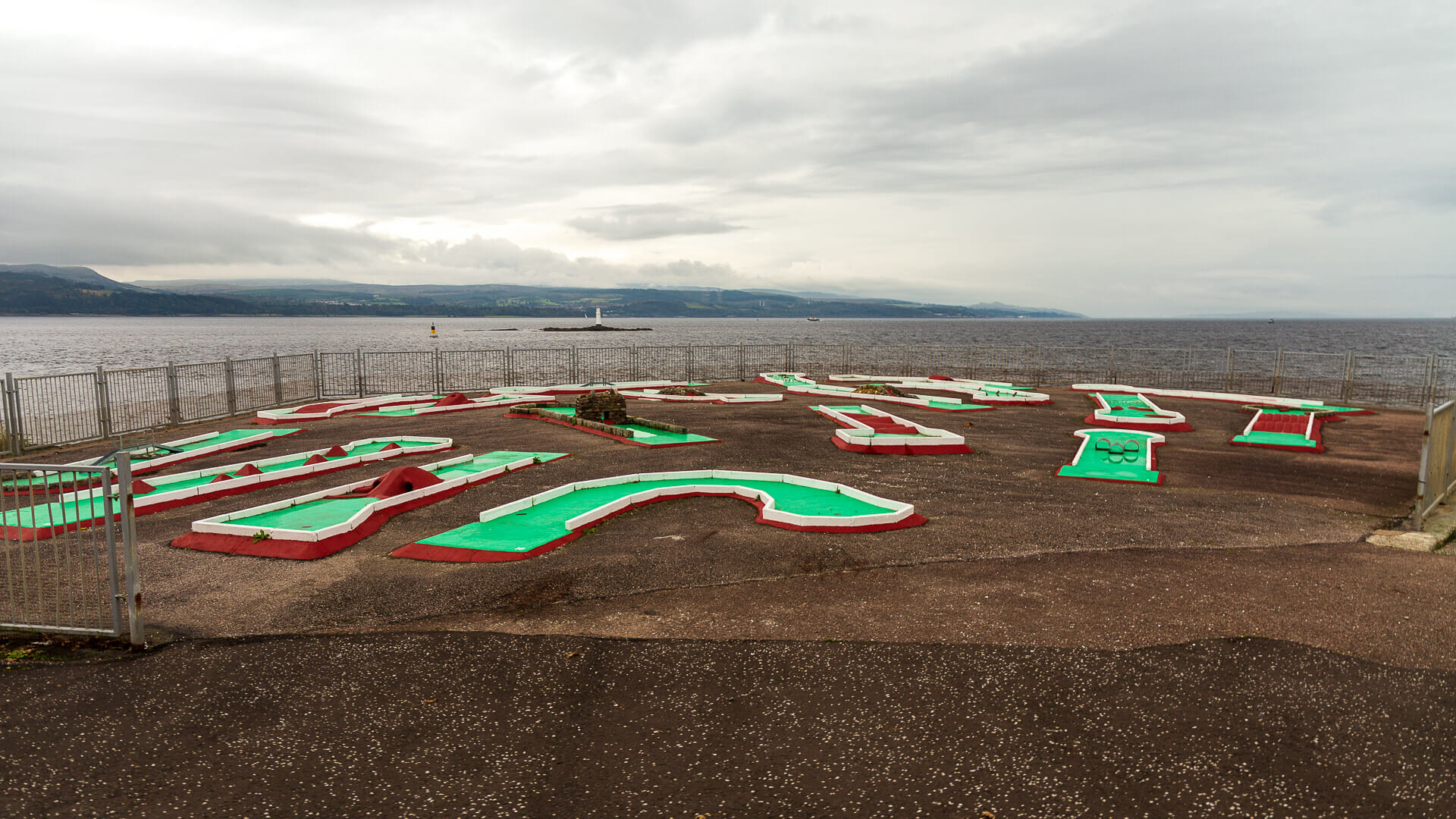
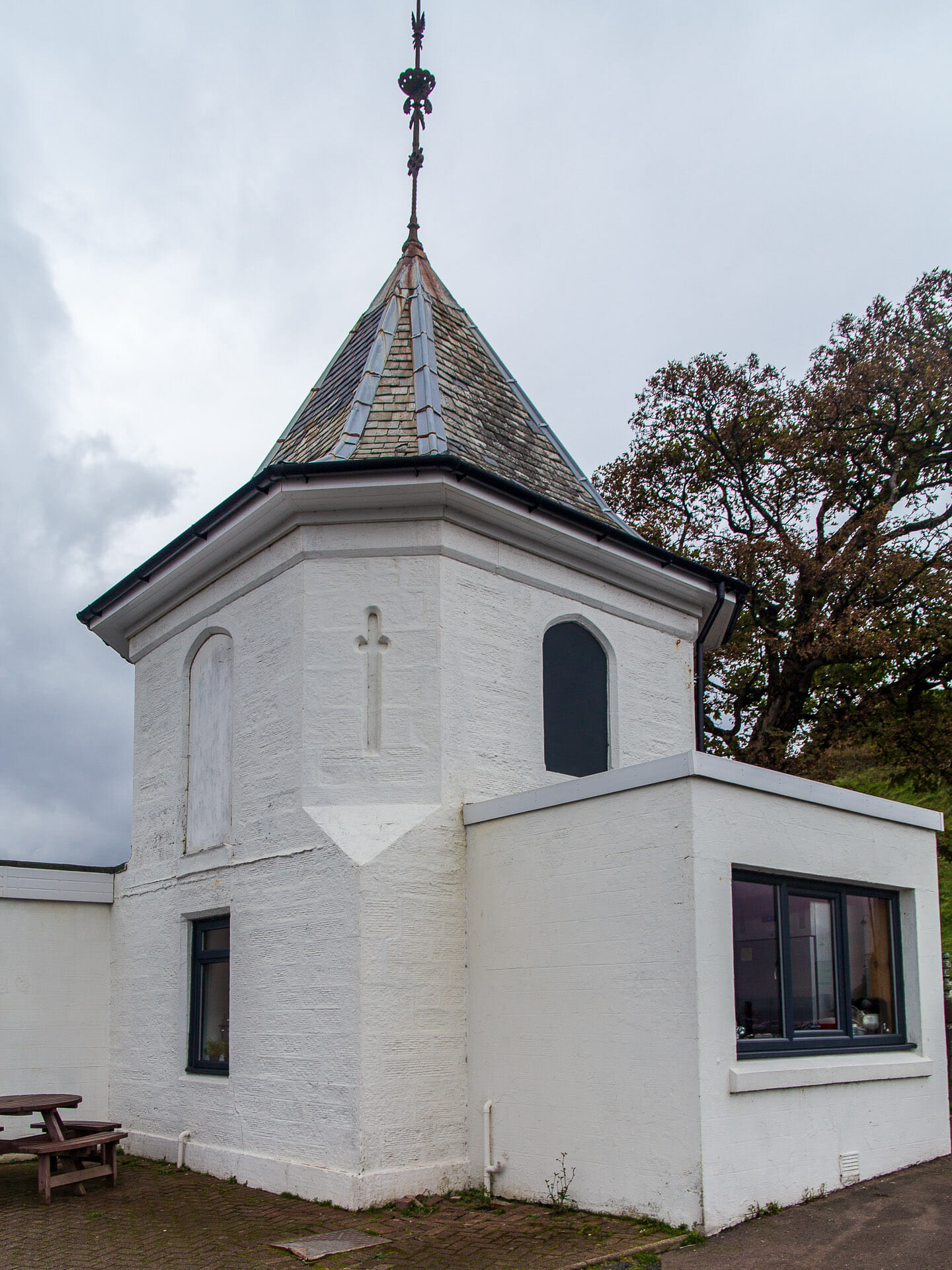
Right by the ferry terminal is a mini-golf course. This is where the Victoria Parade begins, running along Dunoon’s West Bay. Right at the start also stands a Victorian boathouse.
If you have time, stroll a stretch along the Victoria Parade, or sit on one of the benches and enjoy the view.
Nearby: Puck’s Glen and Benmore Gardens
Ten minutes north by car lie two further attractions.
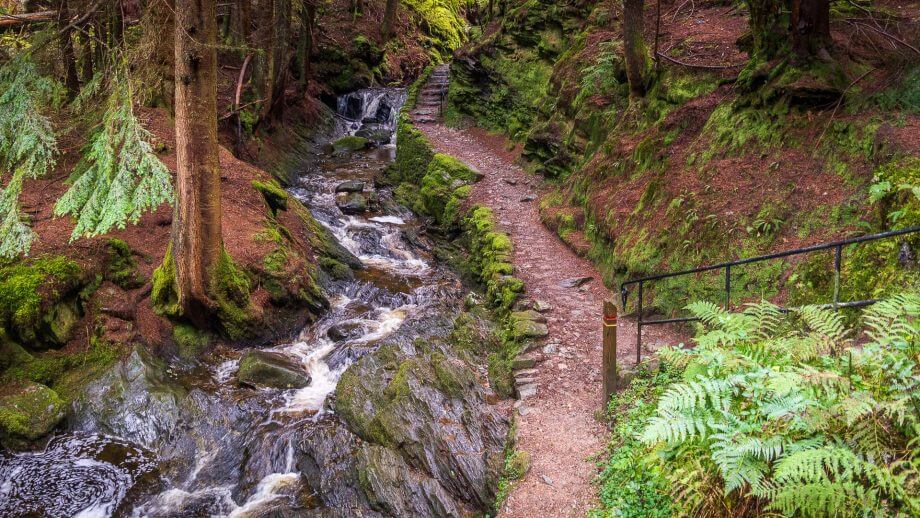
The wonderful Puck’s Glen offers a short one-to-two-hour walk through one of the loveliest glens in Scotland. Details and more photos can be found here.
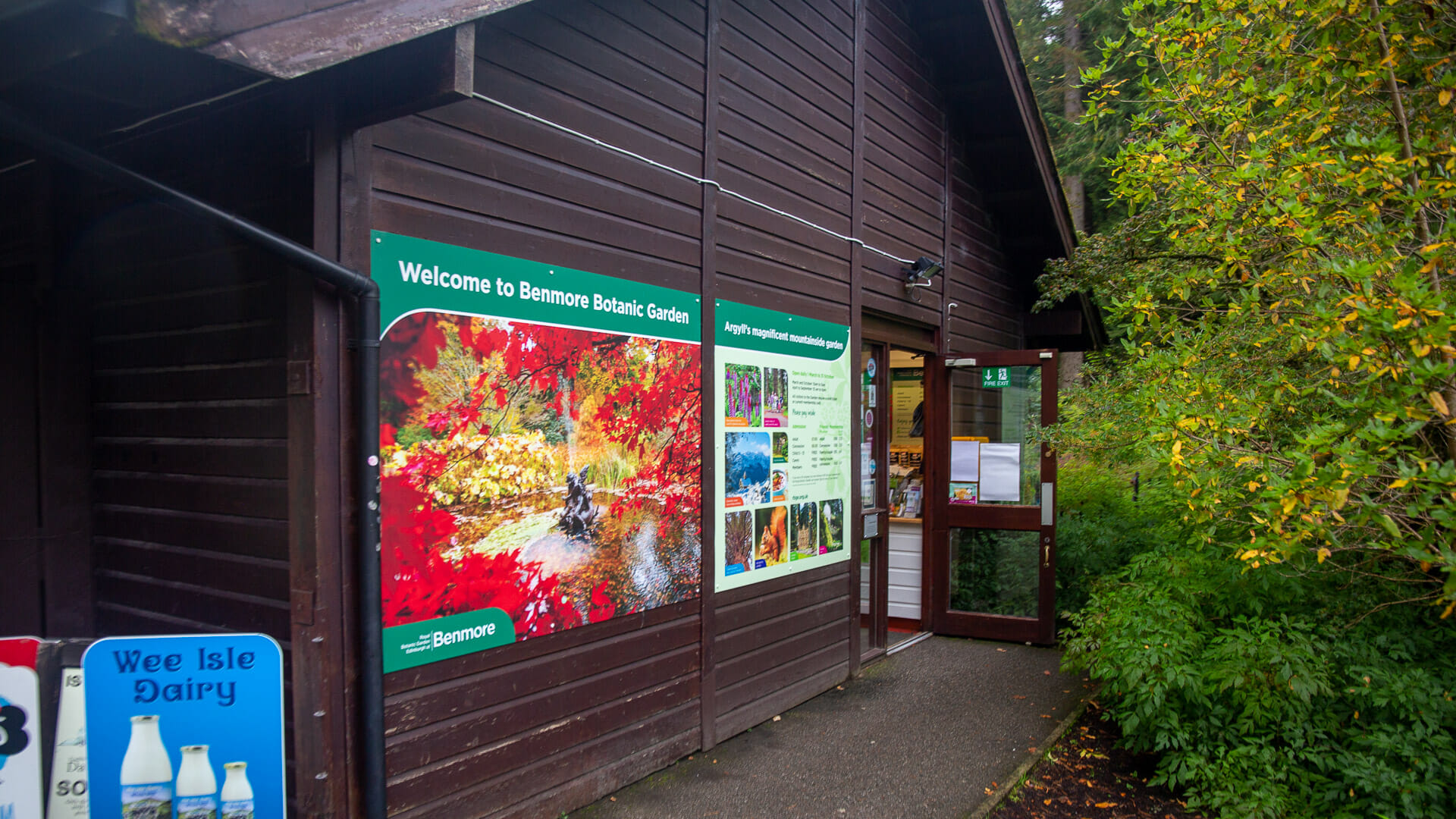
Just a few hundred metres further north past Puck’s Glen, travellers reach Benmore Botanic Garden. Here you can stroll among plants from every corner of the world and enormous redwood trees. Information on their website.
Two Tips for Eating
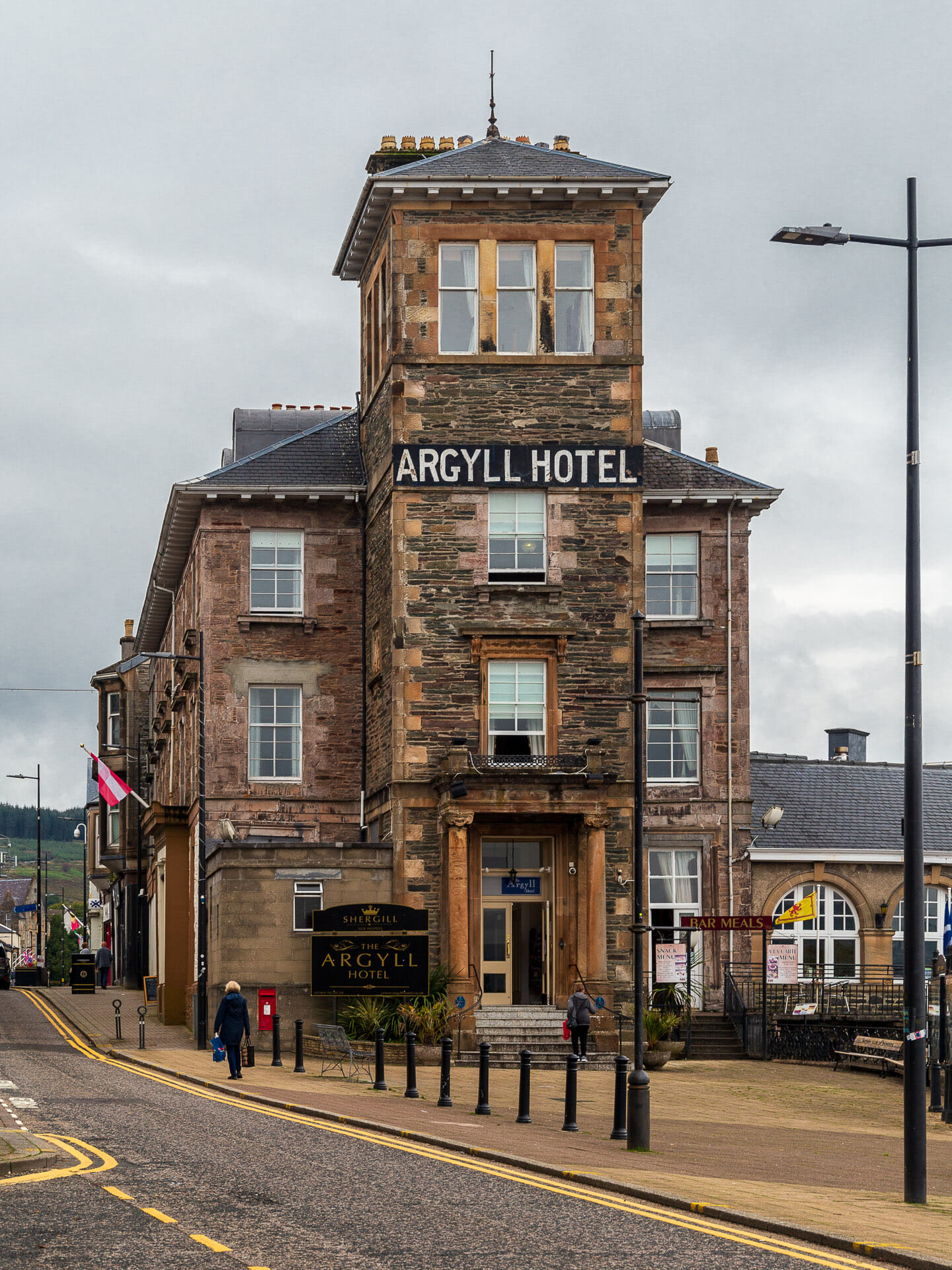
A local favourite not only for overnight stays but also as a restaurant is the Argyll Hotel on Argyll Street, right on the square with the small stage. The haggis, for instance, is said to be particularly tasty here.
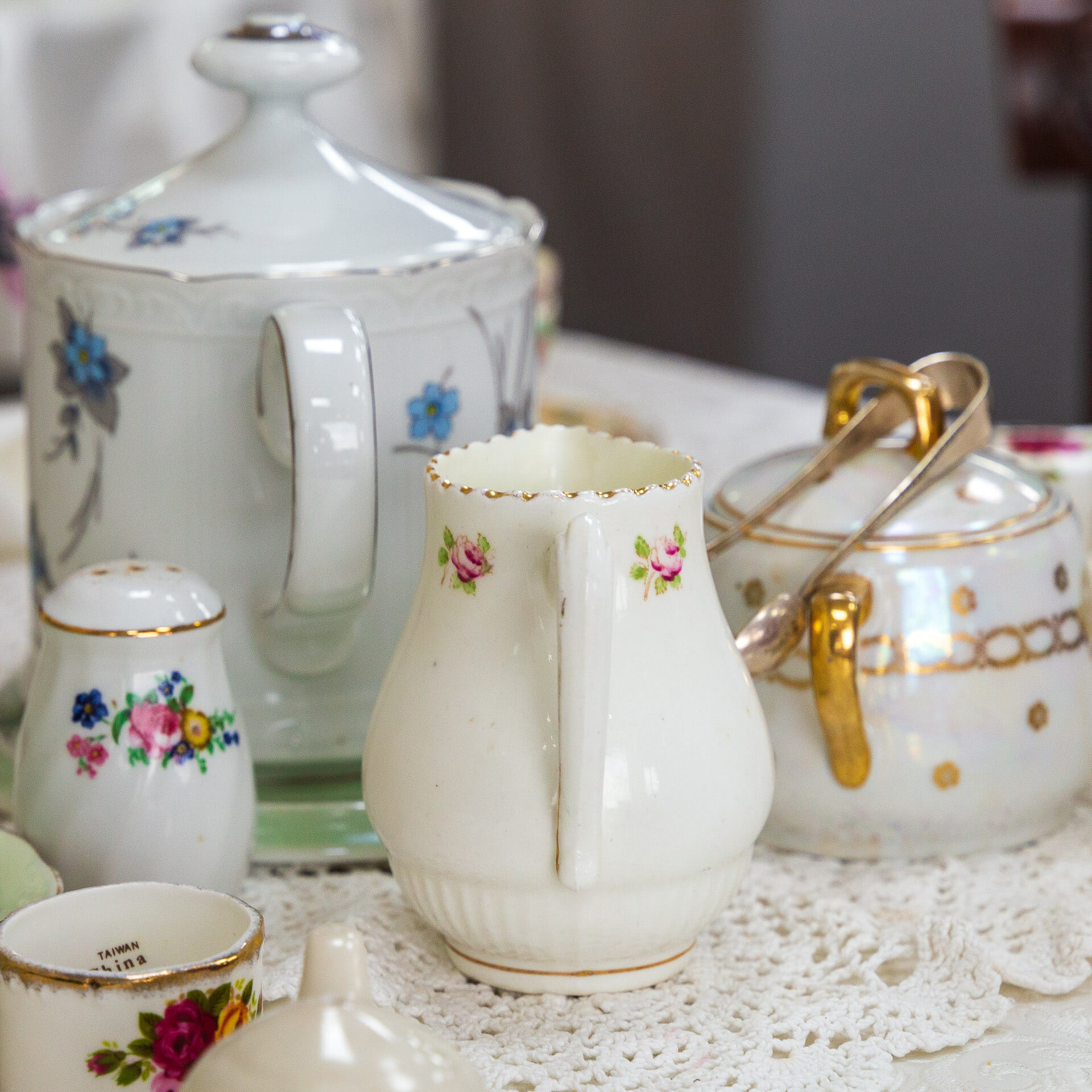
A charming café with an attached clothing shop is the Déjà Vu Ladies Clothing Agency & Vintage Tea Room. Here you’ll find delicious cake served on antique crockery, with a view out to sea.
There are, of course, plenty more good restaurants and cafes that I haven’t managed to visit yet.
Weather and Climate
Anyone coming to Dunoon would do well to bring an umbrella or a rain jacket, since it rains rather a lot in Argyll’s largest town – as it generally does across the west of Scotland. For comparison: it rains more than twice as much in Dunoon as it does in Edinburgh.

As across the whole of Scotland, May is the standout month here, with little rainfall and long days with plenty of sunshine.
Getting There
From Glasgow, or even Edinburgh, the fastest way to reach Dunoon is by ferry. From Glasgow, including the ferry crossing, it’s only around 50 kilometres and about 1.5 hours. By road, on the other hand, it’s 130 kilometres and around two hours.
The car ferry run by Western Ferries departs from Hunter’s Quay, near Gourock, almost every 15 minutes during peak season. The crossing takes around 20 minutes.
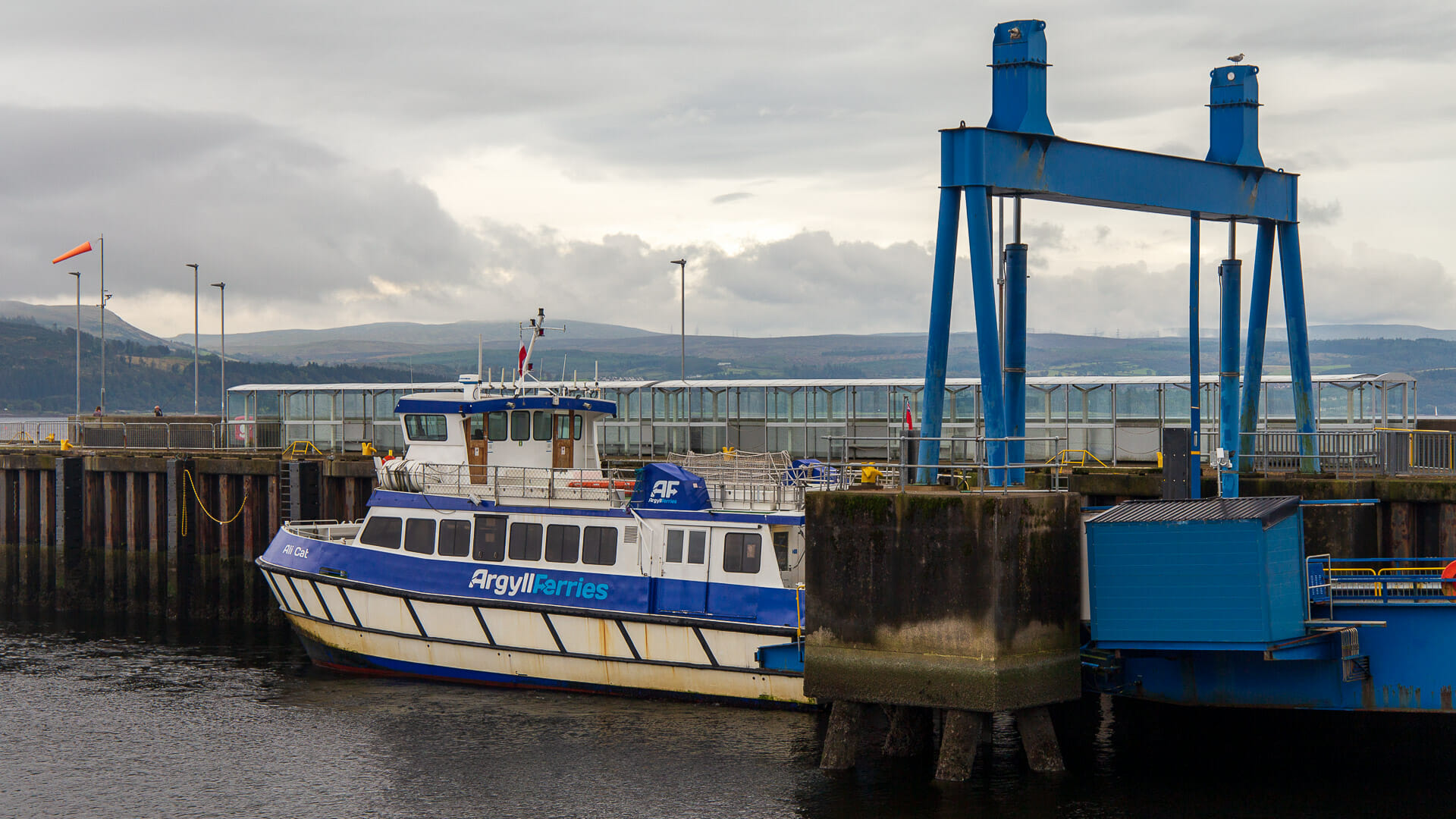
From the railway station in Gourock, the small Calmac passenger ferry crosses over. It runs roughly every half hour.
History of Dunoon
Whenever a place name contains the syllable “Dun”, it’s a sign that a castle gave the place its name. “Dun” is the Gaelic word for “castle” or “fort”. Dunoon – or in Gaelic, “Dùn Omhain” – is no exception. Interestingly, “omhan”, of which “omhain” is the genitive, means “terror” or “dread”. Dunoon is thus the “fort of dread” – and there was indeed dread to be found here.
Dunoon Castle once stood on the rock overlooking the town, guarding the Firth of Clyde and its important sea passage. Some form of fortification probably existed here very early on, but the castle itself was first mentioned only around the 13th century. It was likely expanded as the Stewart dynasty rose to power, with members of Clan Campbell serving here as the king’s constables.
At that time there was no larger settlement here yet. There was, however, a rival clan: the Lamonts. As elsewhere, the Campbells proved hungry for land and power, and pressed the Lamonts harder and harder. One day, the Lamonts responded with an attack that destroyed parts of Campbell territory. The Campbells, of course, were not about to let that stand, and took their revenge in 1646.
At the Lamonts’ Toward Castle, the Campbells requested lodging according to old custom, and it was granted. They repaid their hosts by murdering them in their beds. Over the following days, they brutally killed a further 200 men, women and children of the clan. This became known to history as the Dunoon Massacre.
Dunoon Castle, however, was not to survive much longer. During a rebellion against the king led by the Duke of Argyll, it was besieged and destroyed.
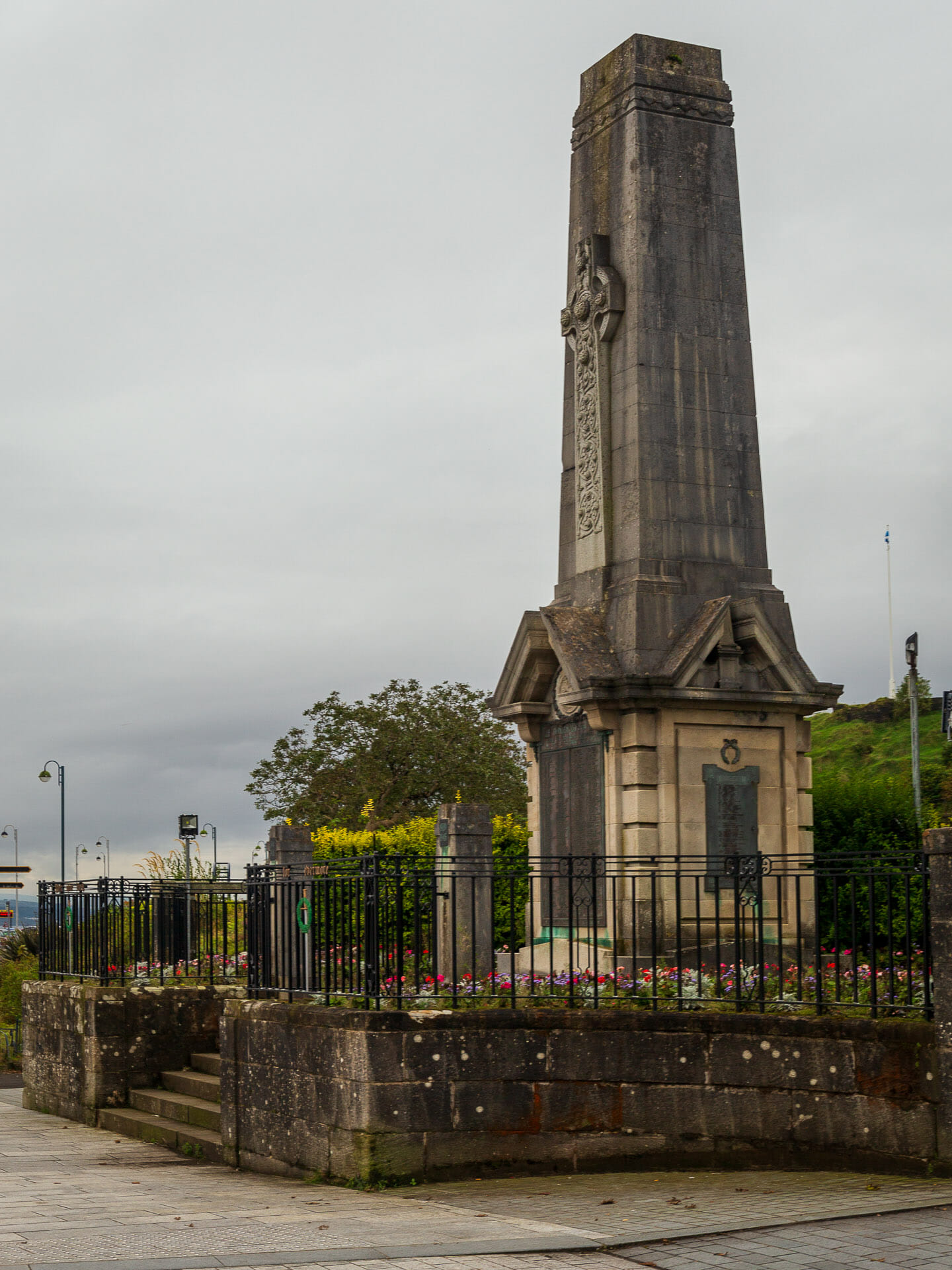
It wasn’t until the 19th century that Dunoon saw a real boost in population. That’s when the first pier was built here, and wealthy tourists came from Glasgow on the steamships, “doon the watter”. Visiting various places around the Firth of Clyde remained popular right into the 1960s, after which the flow of visitors tailed off.
After the World Wars and during the Cold War, the navy also established a presence here alongside the tourists, which likewise brought money into the local economy. A squadron of submarines carrying nuclear warheads was stationed in nearby Holy Loch. However, the base was closed after the collapse of the Soviet Union.
Since then, Dunoon too has had to reinvent itself. As a gateway to the Cowal peninsula, and as a port once again visited by the Waverley, this town on the Clyde may well succeed in doing just that.
