Nowhere else in Scotland does so much history meet such wonderful scenery. Inverness-shire is the historical heart of the Highlands.
Inverness-shire info:
Overview
Best time to visit
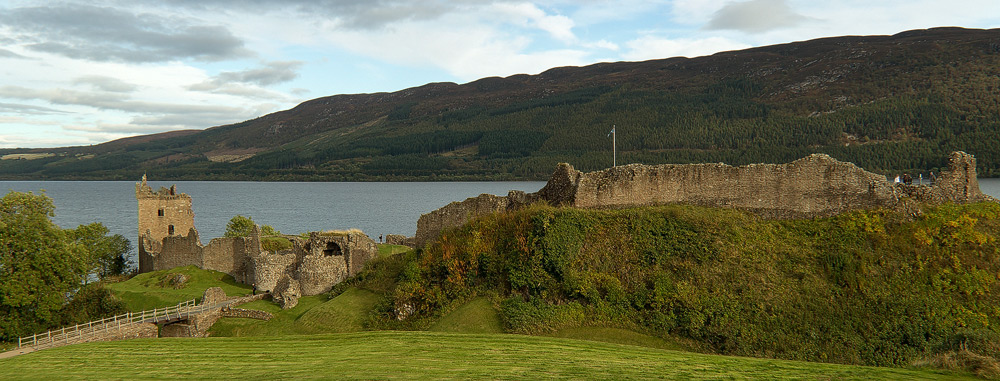
The most striking feature is, of course, the great rift that splits the former shire (county) in two. It runs from Inverness to Fort William. Within this rift lies the famous Loch Ness, with the ruins of Urquhart Castle on its shore. This Great Glen also links the east coast to the west coast via the masterful Caledonian Canal.
Inverness-shire is home to unforgettably beautiful stretches of countryside. In the north, for instance, the magnificent Glen Affric, a paradise for walkers. Then, of course, in the middle, the chain of lochs in the Great Glen: Loch Ness, Loch Oich, Loch Lochy.
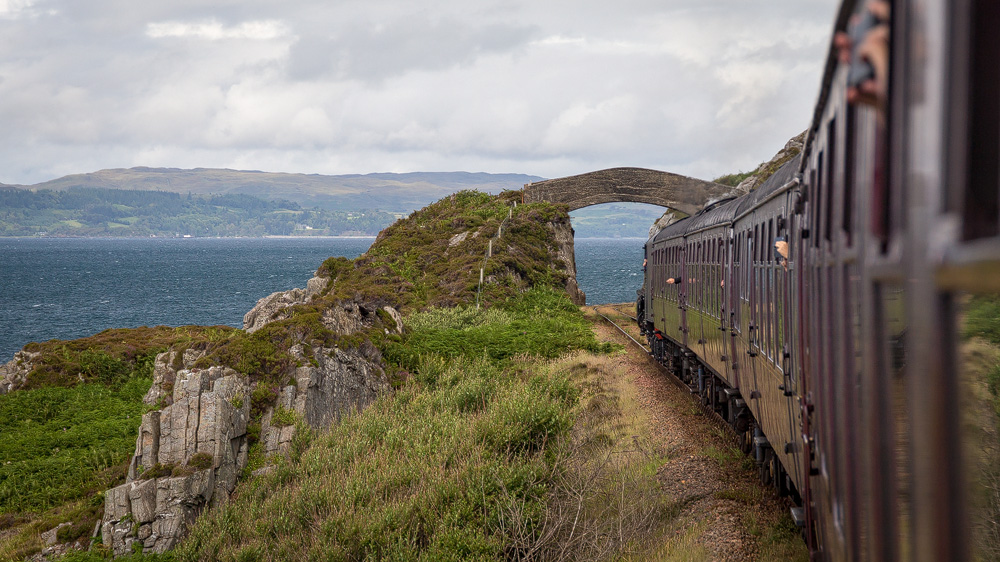
To the west – beyond Fort William – lies the wonderfully mountainous area around Glenfinnan, through which the Jacobite Steam Train runs. There are the sandy beaches along the coast near Morar, and the wild Moidart and Ardnamurchan peninsulas, where hardly anyone lives.
To the east, the shire stretches into the Grampian Mountains, a popular area for recreation and skiing, and even reaches into Speyside, home to famous whiskies.
Where history was made
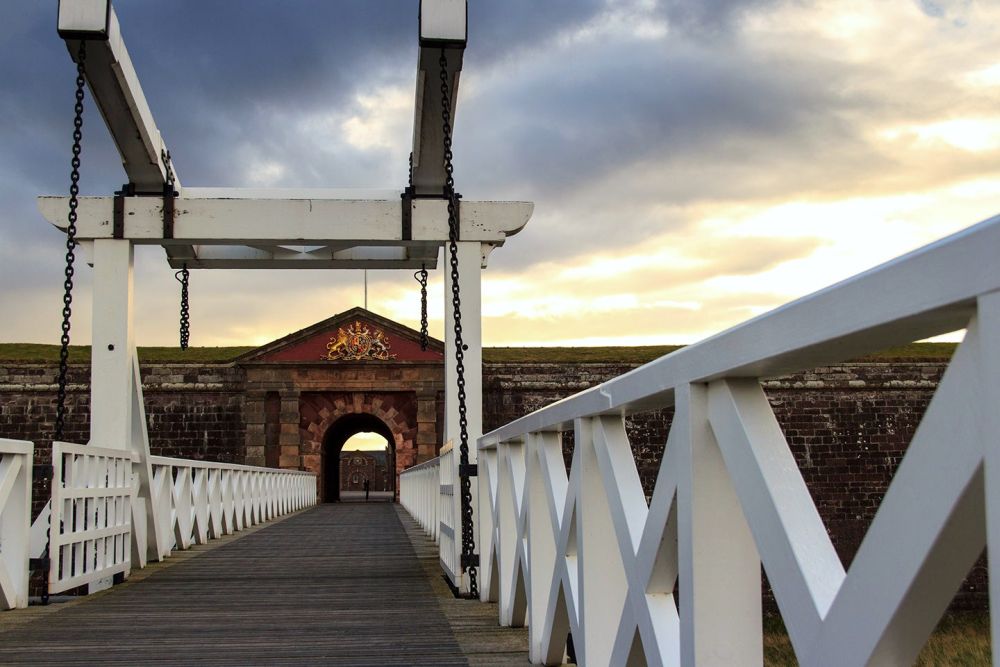
Inverness-shire is full of forts and castle ruins. On one hand, clan strongholds such as Castle Tioram lined the coast against potential enemies arriving by sea; on the other, British troops built a number of forts after the second Jacobite Rising and named them after their monarchs. That’s where names like Fort William, Fort Augustus and Fort George come from.
Inverness-shire is such a historically important region because this is where the Jacobite Rising of ’45 under Bonnie Prince Charlie both began and ultimately failed.
At Glenfinnan, he raised his standard for the first time and rallied the clans around him. He conquered large areas before retreating to Inverness, where he was defeated in the Battle of Culloden. In response to the rising, the government built Fort George right on the Highlanders’ doorstep, and the era of the Highland Clearances began.
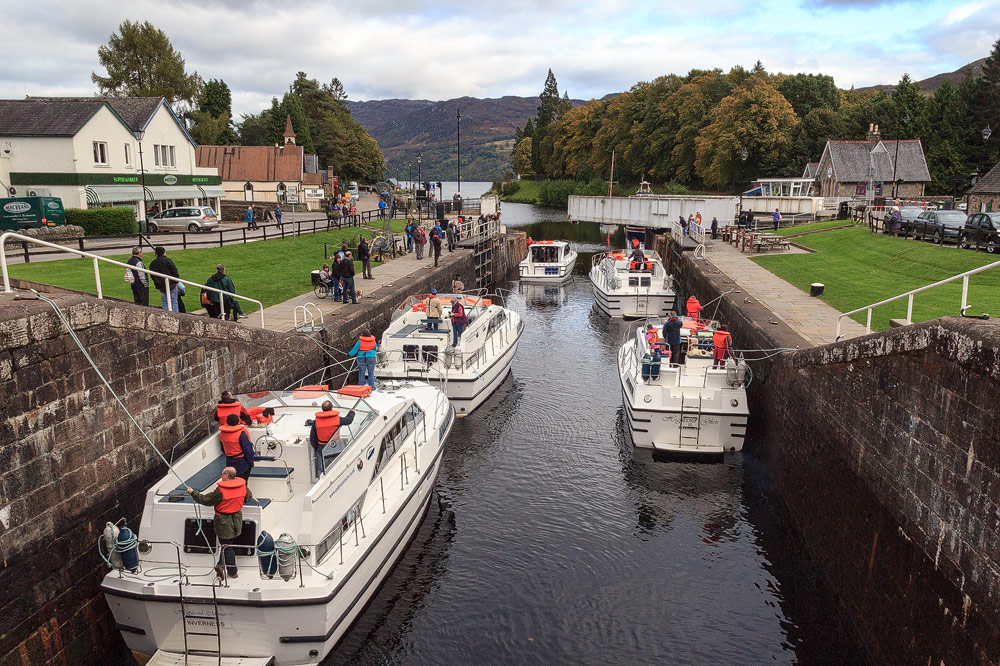
Even so, there were efforts here to get industry going. One such project was the Caledonian Canal, which passes through Fort Augustus. This east-west link through the Great Glen was meant to boost the economy, and with it the prosperity of the population. This, for its time, gigantic undertaking was built between 1803 and 1822, but ultimately couldn’t deliver on its economic promise. Even so, plenty of holidaymakers today are glad they can cruise along it by boat.
Another such project was the railway from Fort William to Mallaig, which today runs as the Jacobite Steam Train. It connected the west coast and the Isle of Skye economically to the rest of Scotland.
Key places in Inverness-shire
Naturally, Inverness is the most important town – it’s also the administrative seat for the entire Highland Council area. Around 60,000 Scots live here, so it genuinely earns the title of “city”. At the other end of the Great Glen sits Fort William, with a good 10,000 residents of its own.
