Scone was regarded as the centre of the Scottish kingdom. Scone Palace and the Stone of Destiny still stand here today. But what’s the story behind them?
Two men met in the year 906 AD on a hill near what is now the town of Perth in Scotland. One was King Constantine II of Scotland, the other Cellach I, the first bishop of the Scots. On the “hill of belief” they sealed a pact: the laws and discipline of the faith, along with the rights of the church and the gospels, were to be upheld.
It was the first time this all-important site of Scone was ever mentioned in writing. Not long after, it would become the centre of the Scottish kings.
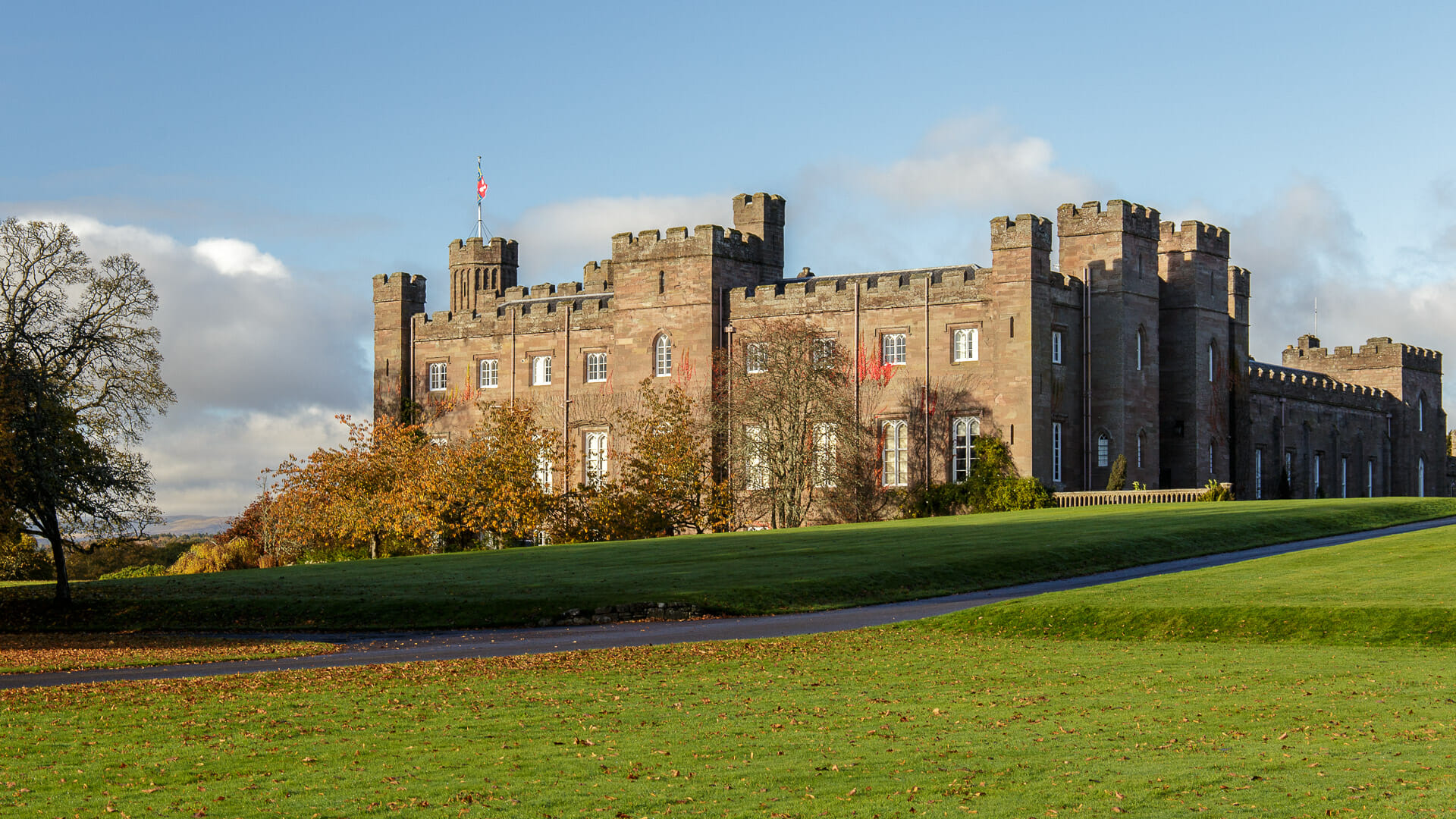
Yet all of this has very little to do with the palace standing here today. That building doesn’t even date back to the Middle Ages. It was only built in the early 19th century, in Gothic Revival style, as the seat of the Murray family. It was also the Murrays who had the wonderful gardens here laid out.
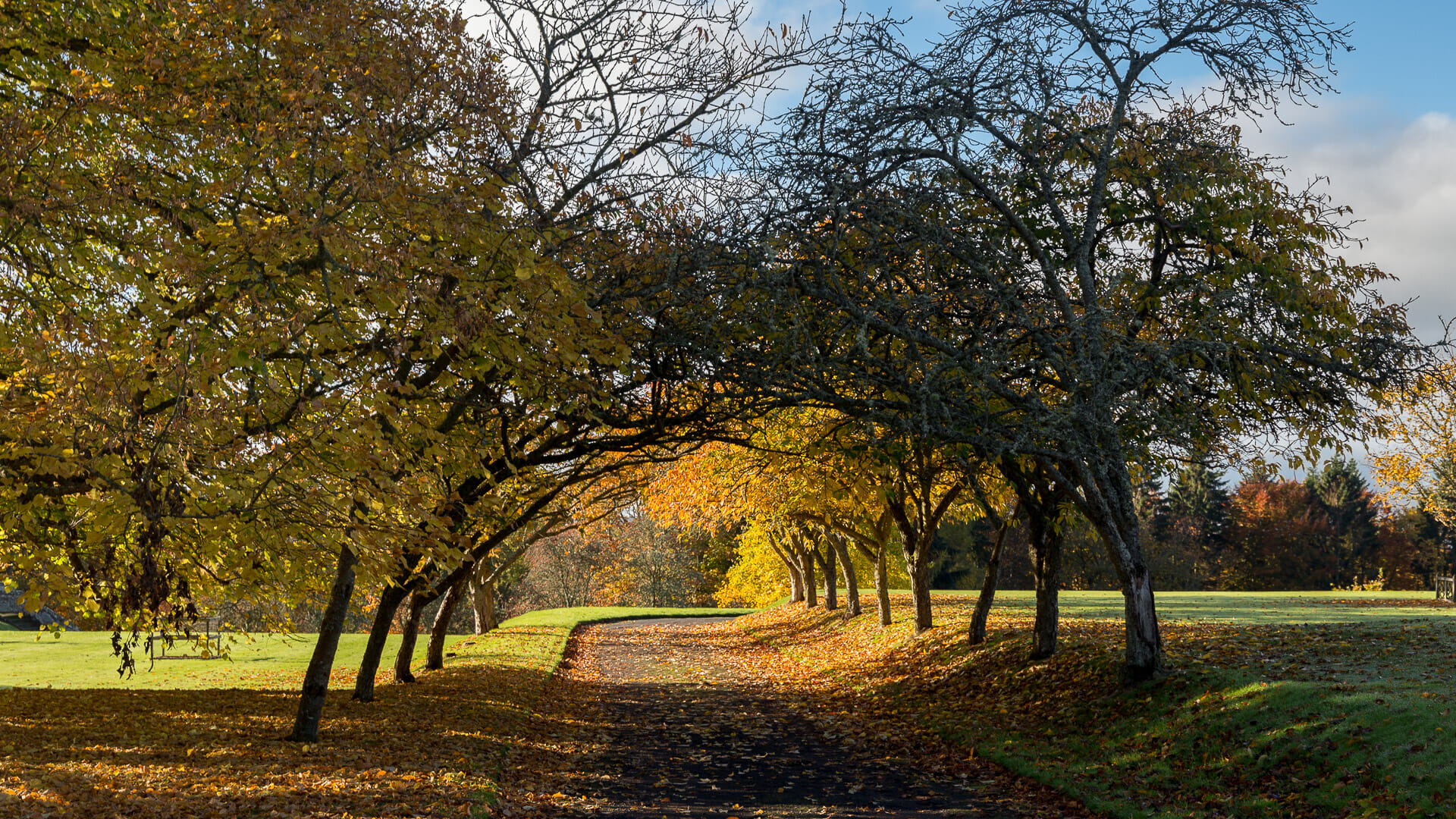
Scone Palace sits at the heart of a sprawling estate. A long, tree-lined drive leads from the main road all the way to the car park.
In 1846, the Murray family had further work carried out to prepare the palace and gardens for a visit from Queen Victoria and her husband Albert. That’s what we see today. But what stood here before, back in the days of the Scottish kings?
Around the year 1100, a monastery was established here, one that steadily grew in importance. The Stone of Destiny, the coronation stone of the Scottish kings, was kept here. Exactly from when, though, isn’t entirely clear. According to legend, King Kenneth MacAlpin (Cináed mac Ailpín) is said to have already brought the stone to Scone. The problem: at that time, there was only a small community of monks here. The far more important former royal court of the Picts was actually at Forteviot, a little further south.
By the time of King Malcolm IV (Máel Coluim IV) at the latest, Scone was described as “in principali sede regni nostri” – the principal seat of our kingdom. That was in the mid-12th century. At the time, an Augustinian monastery stood here, which he then raised to the status of an abbey.
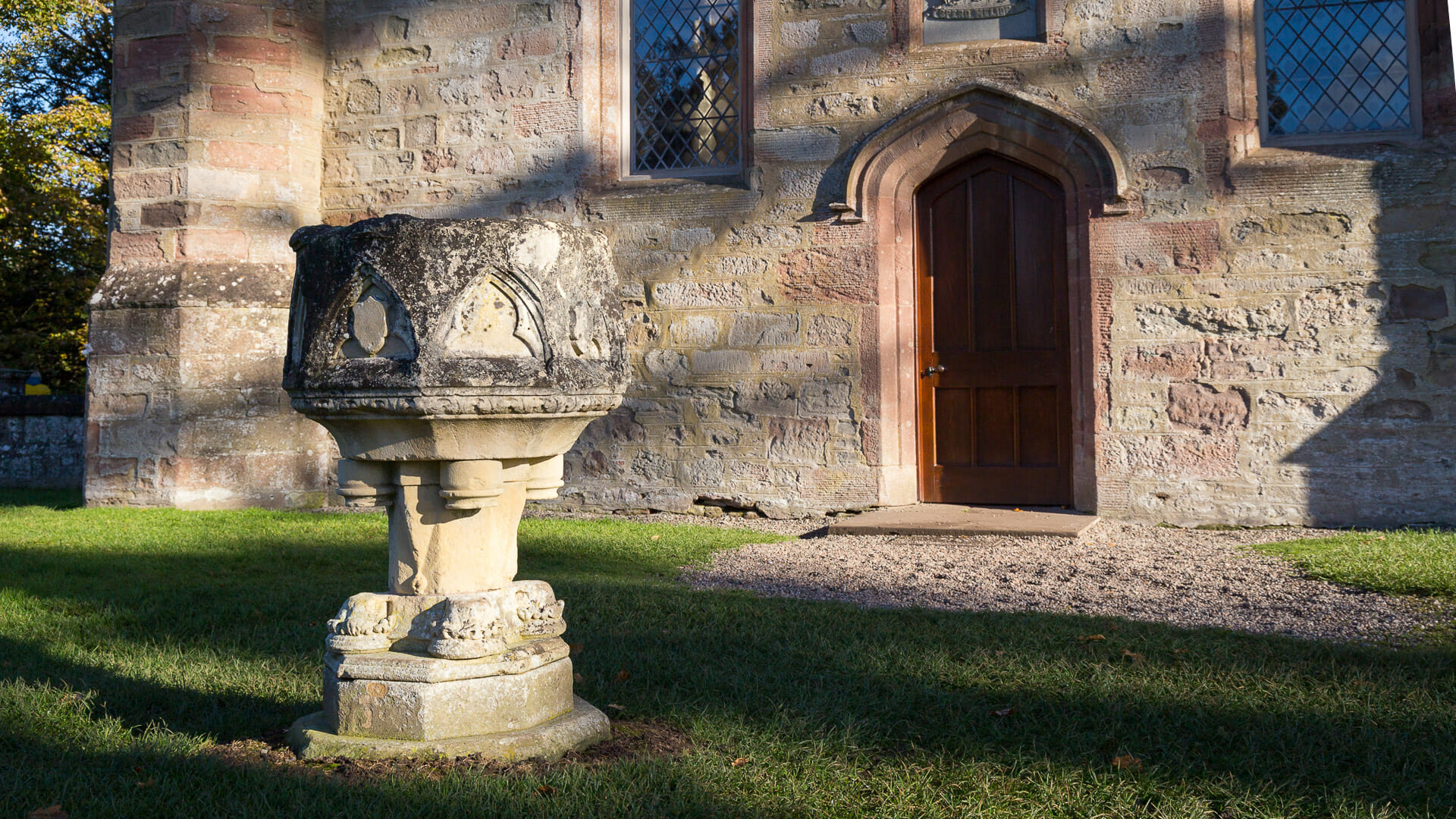
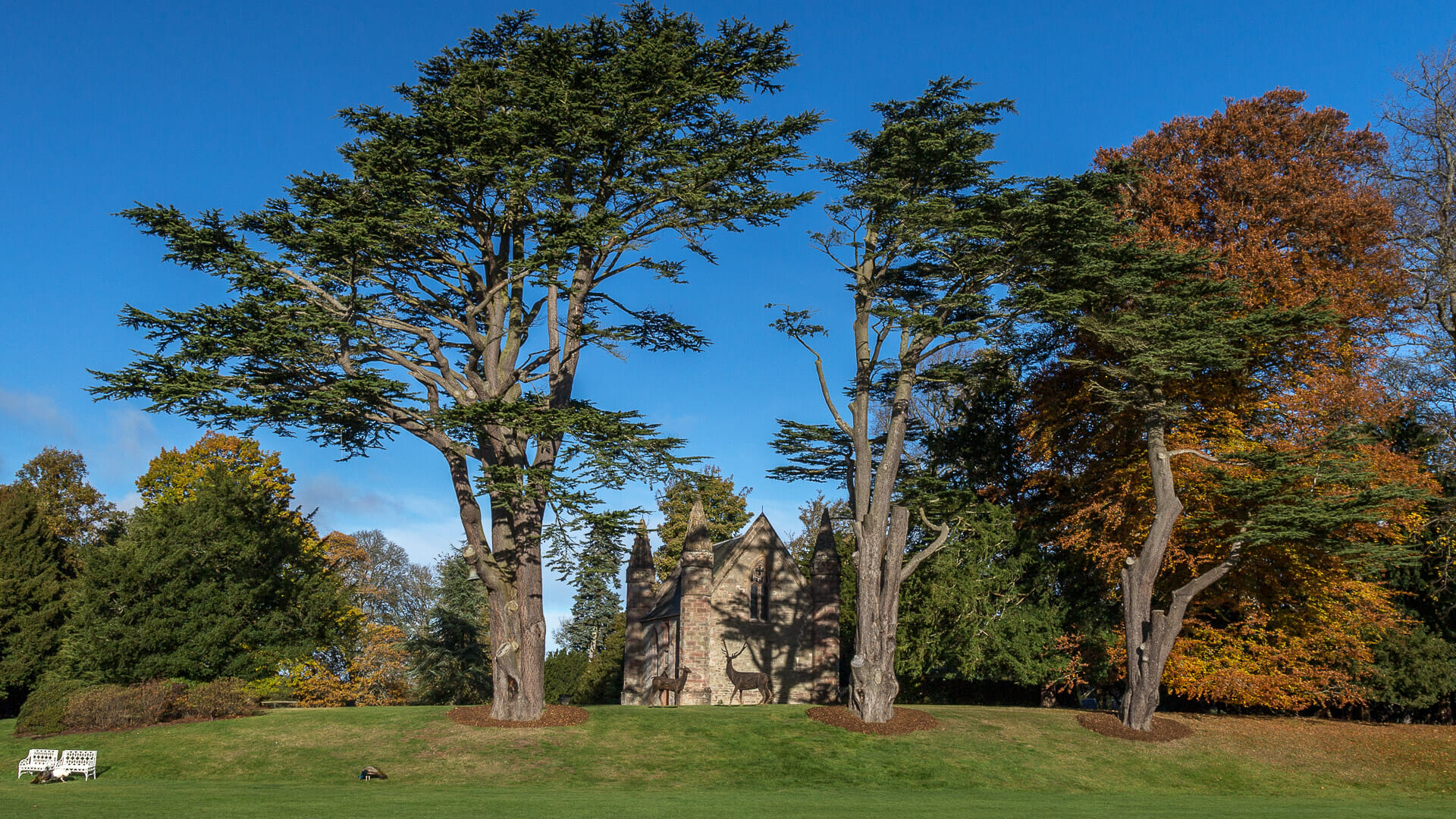
And the Stone of Destiny? It’s said to have already stood here. Scotland’s kings are said to have been crowned while seated upon it. The hill beside the palace is called Moot Hill, and it’s said the ceremony took place right here. Robert the Bruce (currently only available in German) was also raised to king here. A chapel stands here today, though it too was only built around 1800.
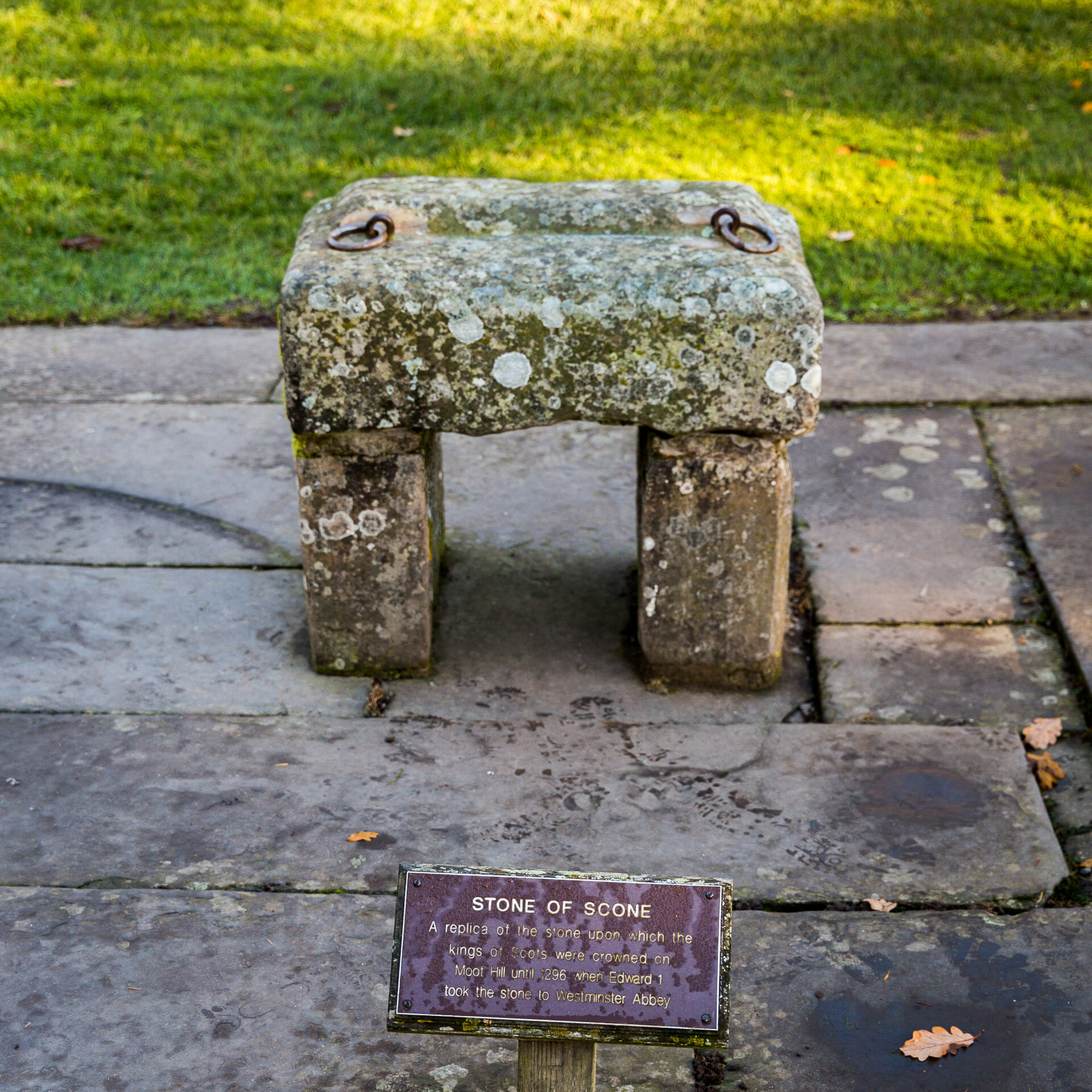
In front of it, visitors see a fairly plain stone fitted with two iron rings. A copy – presumably.
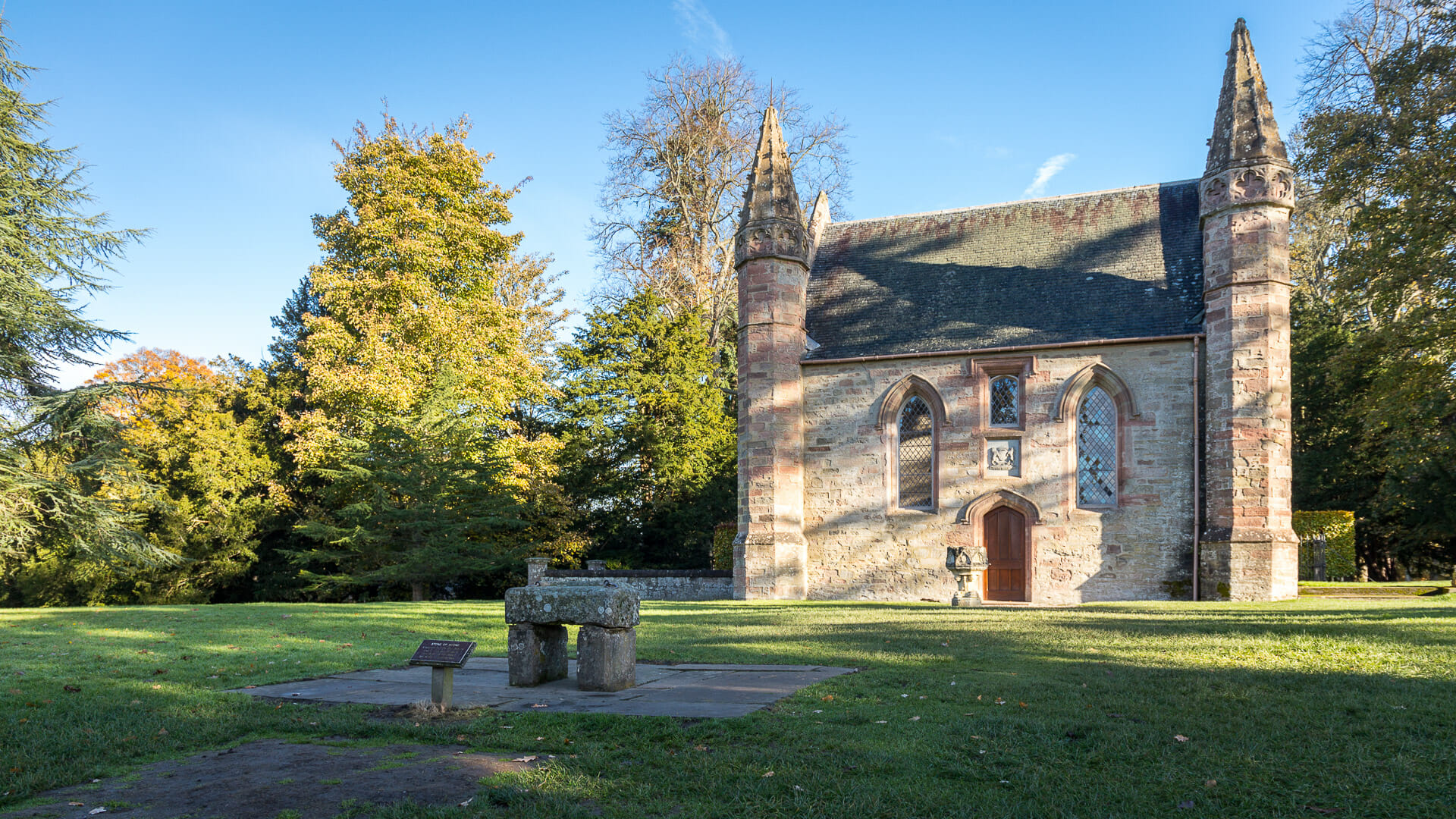
Because the original stone was taken away in 1296. The English King Edward had just crushed the Scots at Dunbar. Along with numerous nobles, he had the Stone of Scone handed over to him too. He wanted to make it unmistakably clear who held the future claim to the Scottish crown – and simply had the stone built into the base of his throne. That didn’t stop the Scots, however, from continuing to crown independent kings here. The tradition held out, remarkably, right up until Charles II in the year 1651.
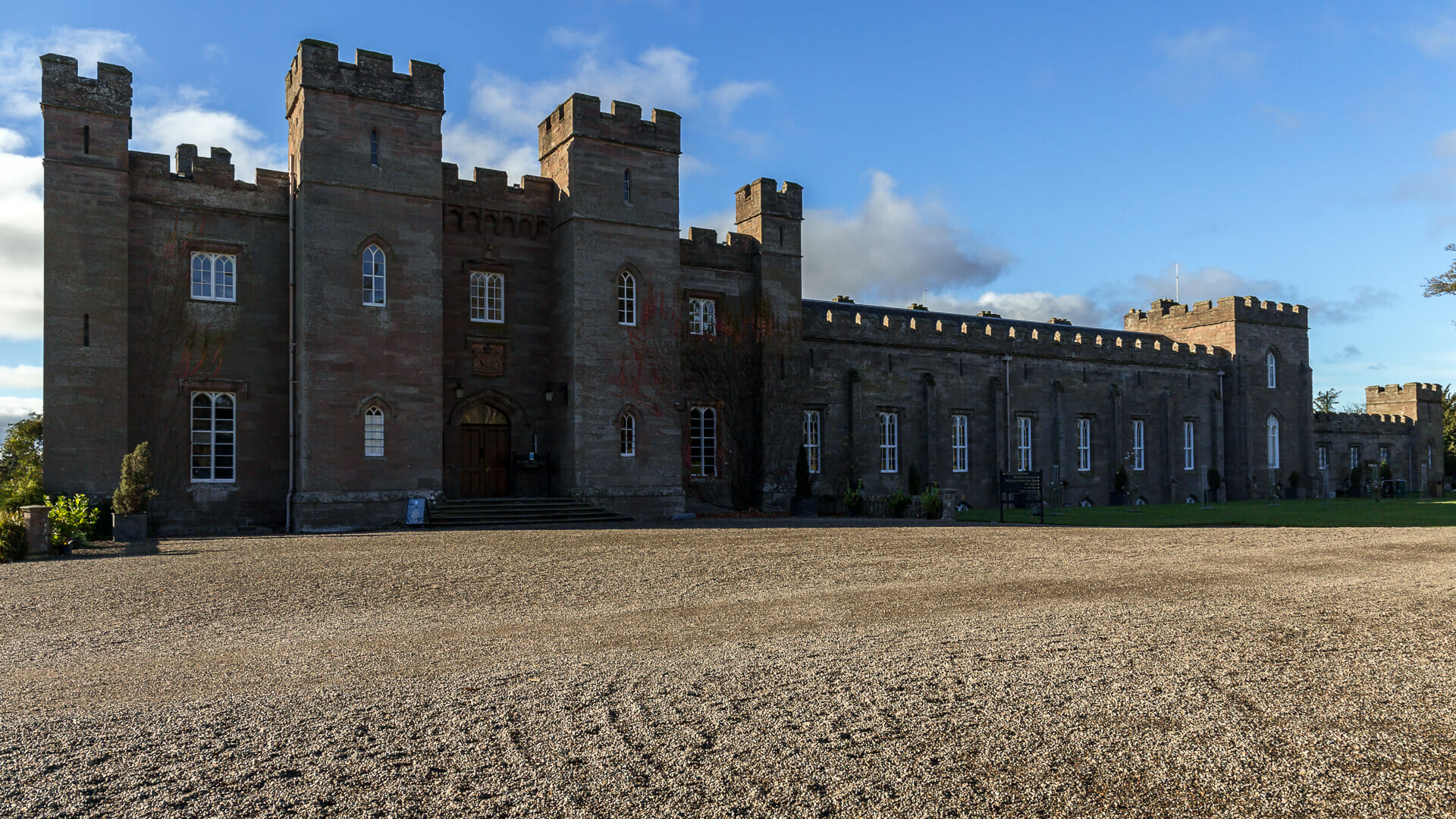
Scone Abbey continued to exist right up to the Scottish Reformation, though it didn’t survive that unscathed. An enraged mob rampaged through the monastery in 1559. That was the beginning of the end: 21 years later, the abbey passed to Lord Ruthven, who set up his residence here. The Ruthvens were an important and powerful family in Perthshire, connected among others to the Campbells. But their rule, too, was short-lived, since they had conspired against the king. From 1604, the Murrays moved in instead, and the palace has belonged to them ever since.
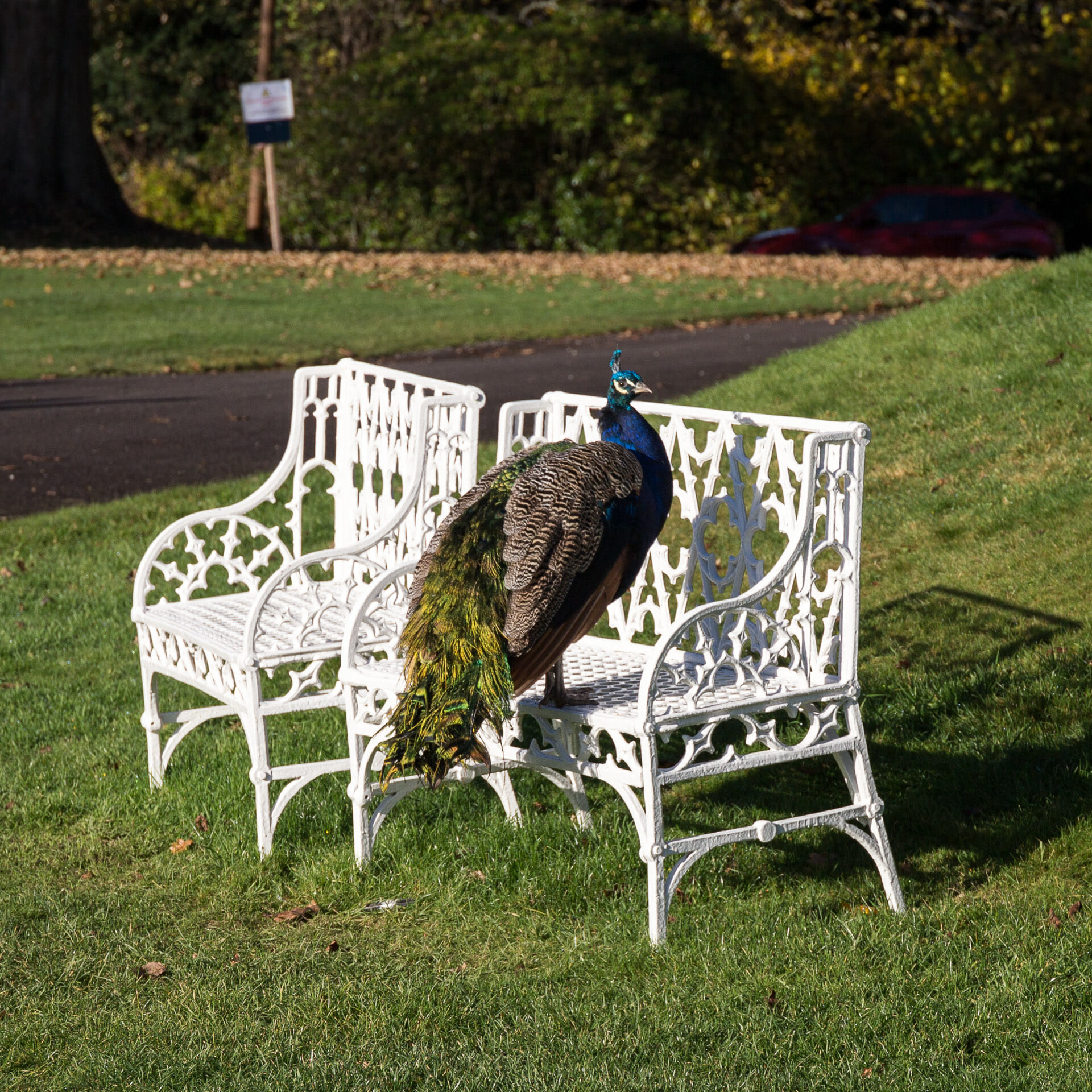
Visitors today can explore the splendour of this noble family inside the palace. There are many grand rooms filled with paintings, vases, china, tapestries, elaborate furniture, and much more. The gardens outside are every bit as impressive. Peacocks strut through the park here.
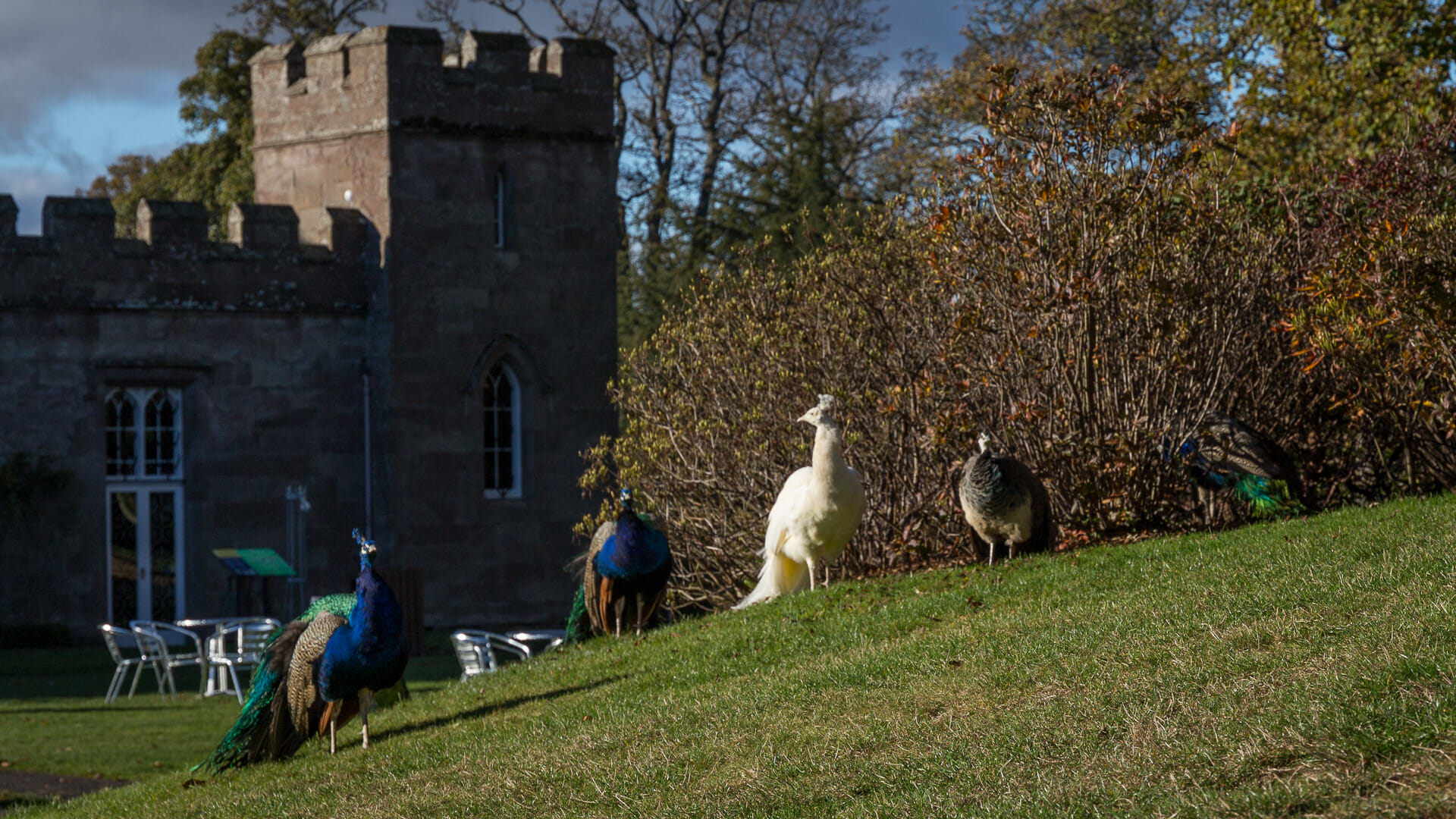
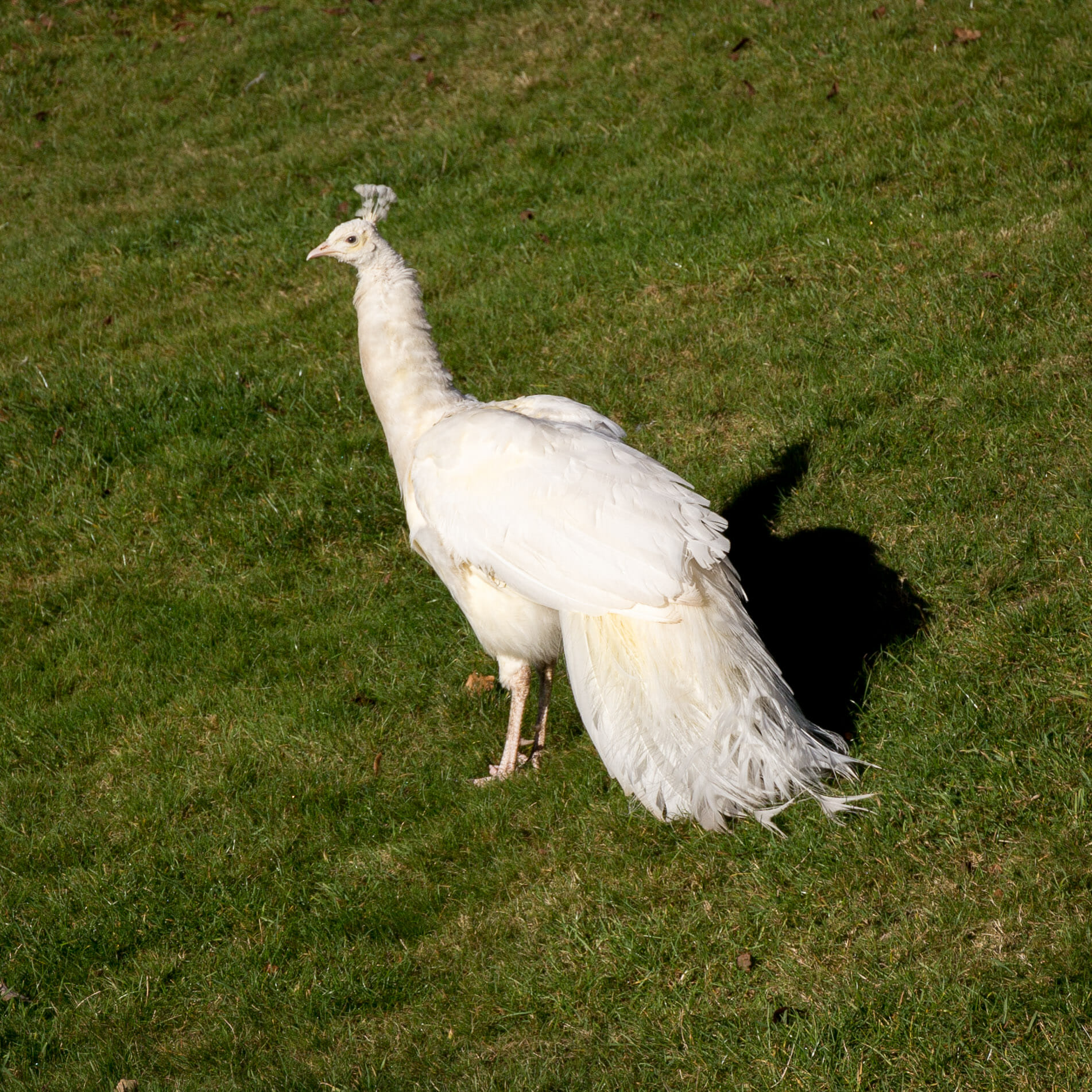
The white peacock is especially beautiful.
A thorough exploration of the surrounding area is well worth it. When the Murrays rebuilt the palace, they did something many great landowners did at the time: they moved the nearby village away, to make more room for the park. The remains of Old Scone, though, can still be seen today.
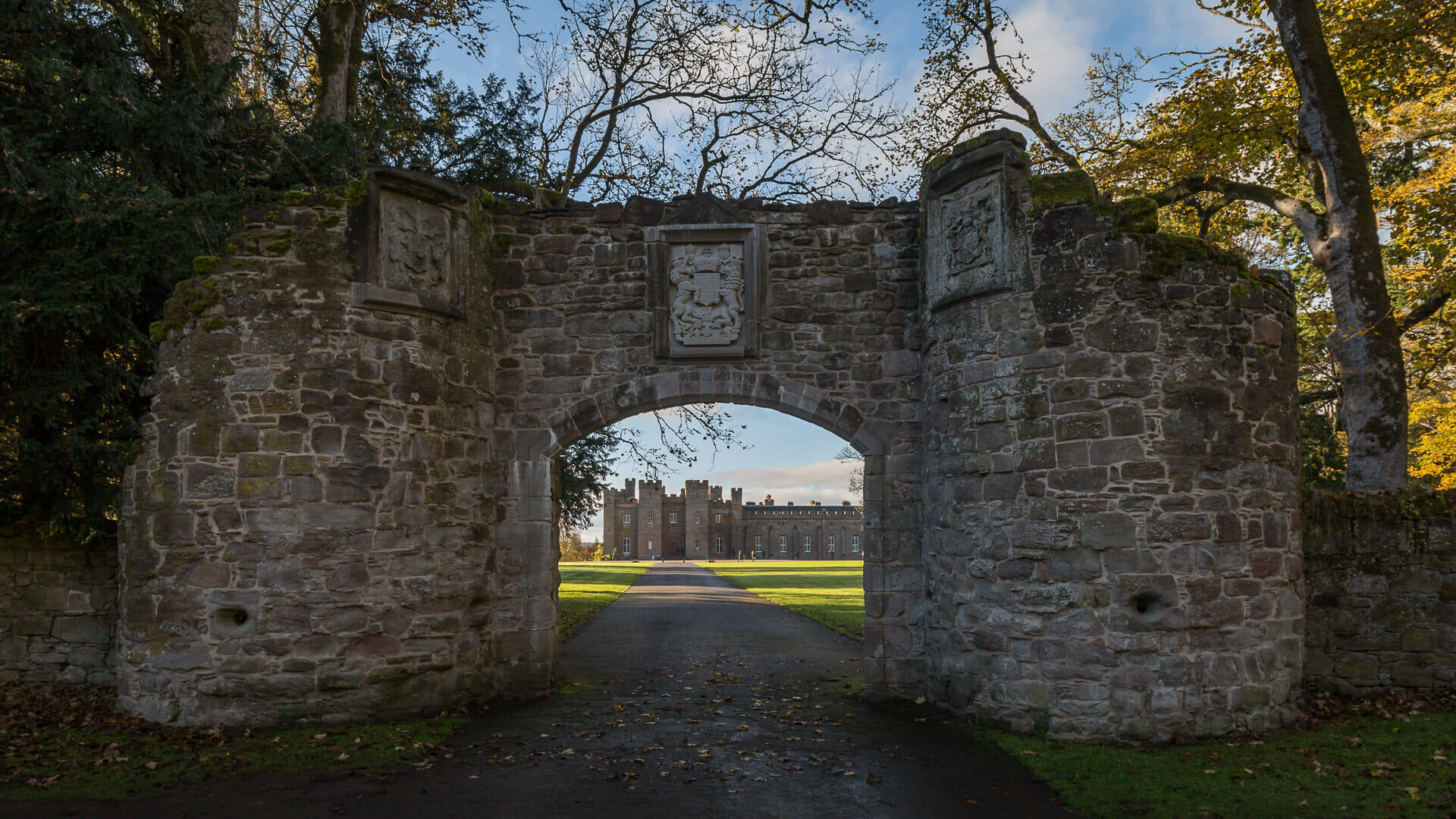
The large gate to the side of the palace was once the entrance to the village.
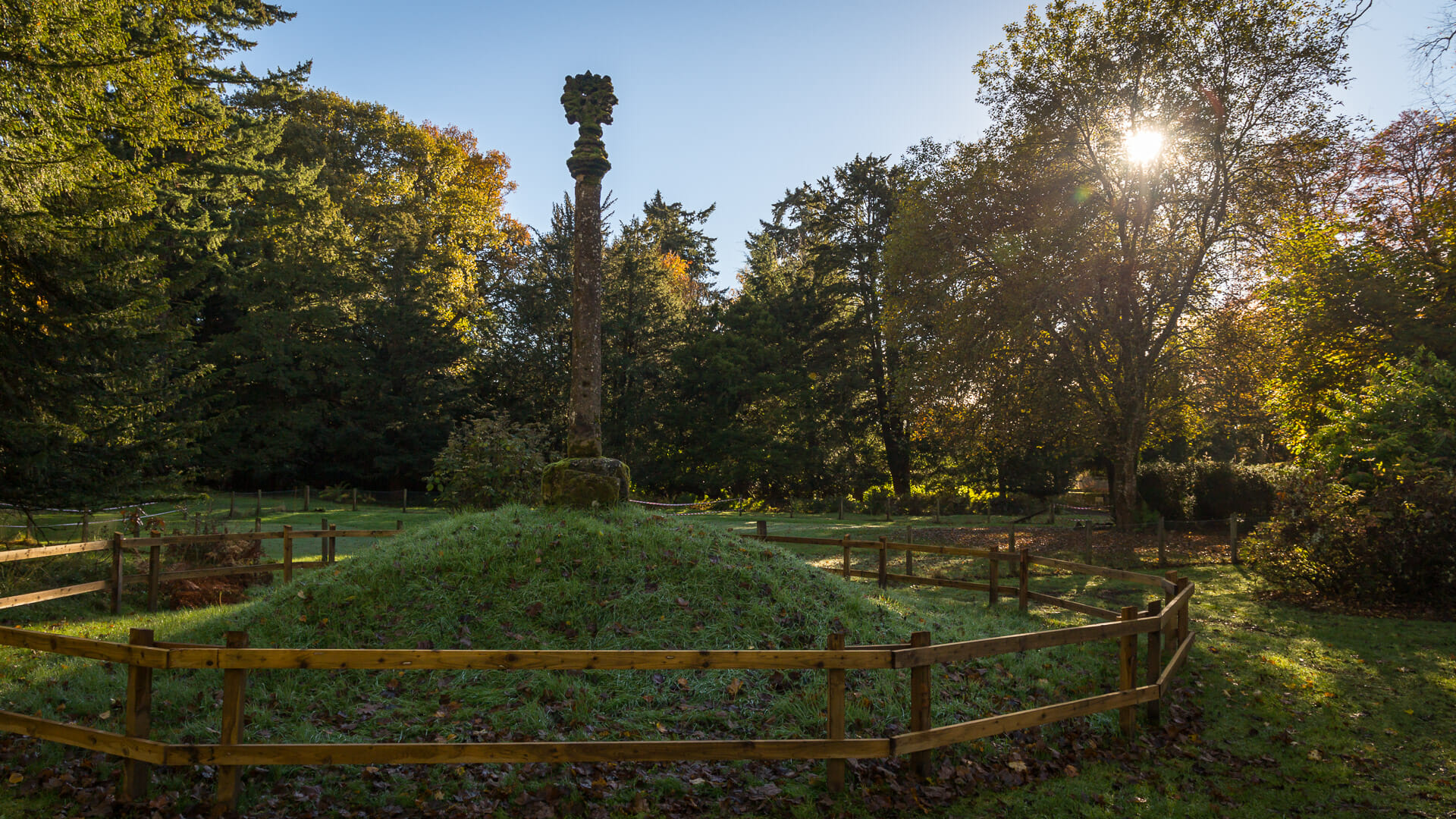
Right behind it stands the old market cross, where traders once gathered.
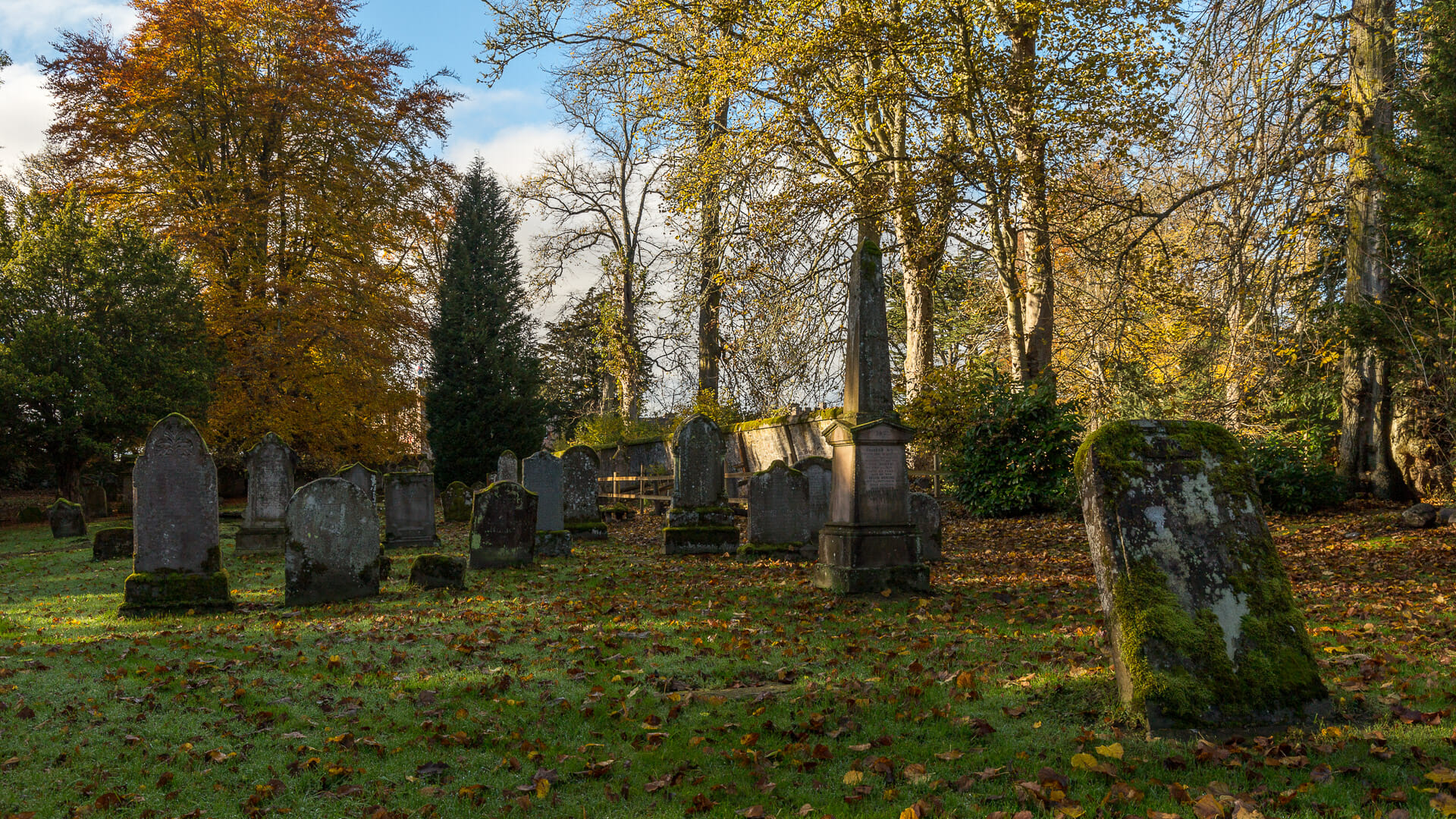
Or the old graveyard, dating from the 16th century.
And if you walk far enough, you’ll come across a hedge maze called the “Murray Star Maze”, which the Murrays had laid out purely for entertainment.
Good to know: The Stone of Destiny and Scone Palace
So there it stands: an old, weathered sandstone block. Except – it isn’t really all that old, since it’s actually a replica of the Stone of Destiny; the real question lies beneath.
The problem is: nobody can really say for certain any more, because nobody quite knows what the original actually looked like. Some sources claim the stone was Jacob’s pillow from Genesis 28:11-12:
He took one of the stones of that place and put it under his head and lay down in that place to sleep. And he dreamed, and behold, there was a ladder set up on the earth, and the top of it reached to heaven. And behold, the angels of God were ascending and descending on it.
It’s said to have travelled to Scotland by way of Egypt, richly decorated – in no way resembling the plain replica now standing at Scone.
But when would such a swap have taken place? Perhaps when Edward I carried the stone off. It’s simple enough: if a foreign king wants the stone but doesn’t actually know what it looks like, a resourceful monk could easily slip him a replica instead.
The second explanation for the stone’s origin holds that it was brought across the sea from Ireland by Fergus MacErc, the legendary founder of Dalriada, the original Scottish kingdom (currently only available in German).
What’s certain is this: the stone now regarded as the original is a sandstone block quarried near Scone – no different from the stones used to build the abbey itself.
And there was one more opportunity for a swap: in 1950, students stole the stone from Westminster Abbey and drove it back to Scotland. It broke in the process, and a Scottish stonemason repaired it before it was returned to England. That stonemason could easily have made a copy of his own.
In 1996, the stone was finally handed back to the Scots. It now lies in Edinburgh Castle – and in the end, even leading politicians have doubted the authenticity of the Stone of Destiny.
In the end, all that’s left is myth and belief…
Personal note: An autumn walk in the park
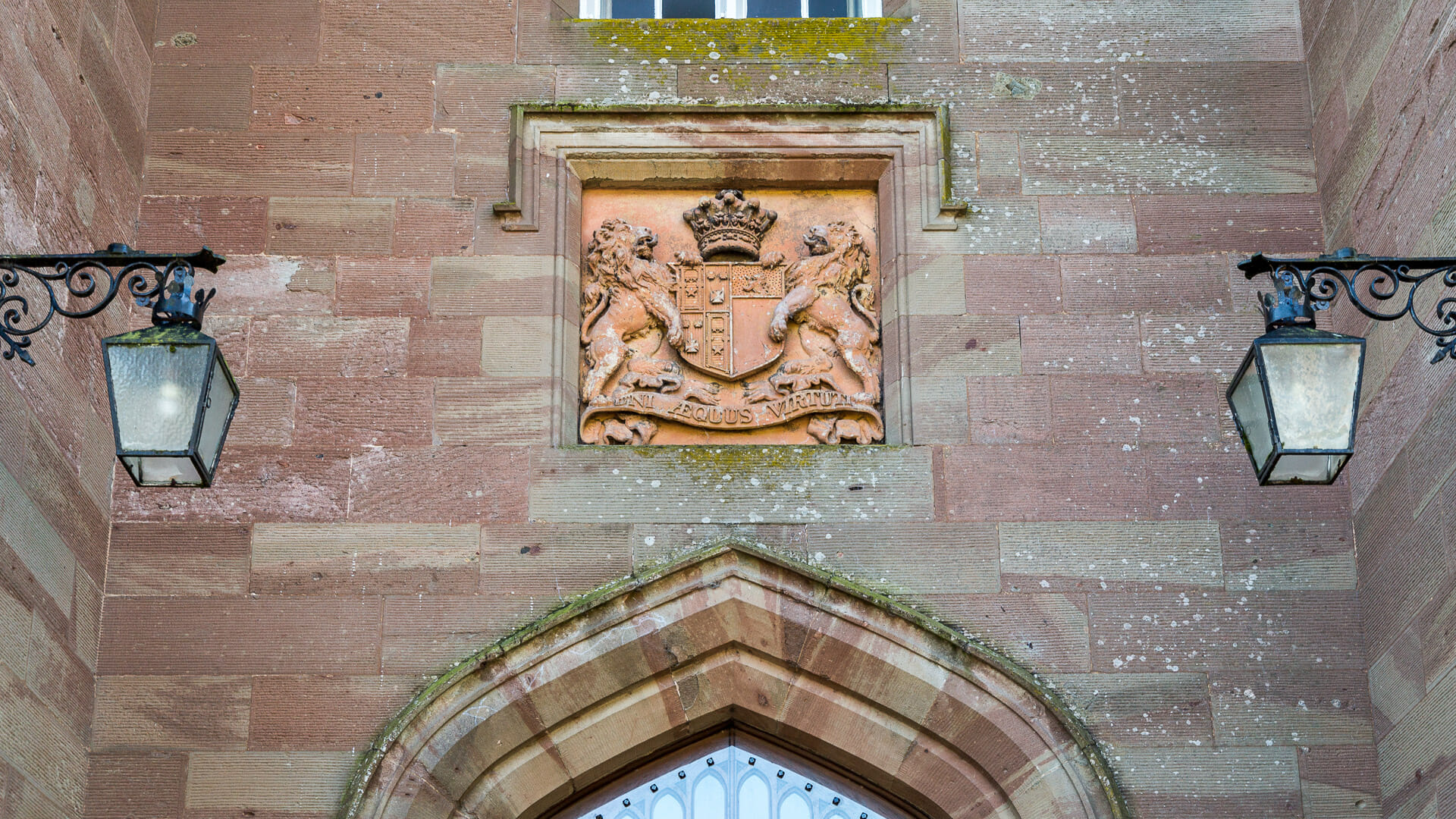
When we visited the palace in November, only the park was open to walk through. There were few people around, but the weather was good and the trees glowed in their autumn colours. Altogether a very lovely visit. Unfortunately the door to the rooms stayed closed to us, so all I could look at was the coat of arms of the Earl of Mansfield, with its motto “Uni Aequus Virtuti”, above the entrance (I do enjoy looking at Scottish coats of arms (currently only available in German) and puzzling out their meaning).
Tip: Into the maze
A short distance from the palace lies the hedge maze known as the “Murray Star Maze”, which the nobility had laid out purely as a pastime. Its shape is a five-pointed star, said to symbolise the stars of the Murray family. It’s located near the visitor car park.
Getting there:
With a sat nav: enter “PH2 6BD”.
Without a sat nav: coming from Edinburgh on the M90, cross the River Tay and shortly after take the exit for Perth. Down below, continue towards Perth, not Dundee. Follow the A85, then at Bridgend don’t turn off towards Perth but carry straight on. Keep slightly left onto the A93. Before long, a driveway with a sign for Scone Palace appears on the left. That’s Queensdrive, which leads all the way to the car park at the palace.
