In the middle of the Cairngorm mountains stands Braemar Castle. Small as it is, one of the most important uprisings in the Highlands set out from here.
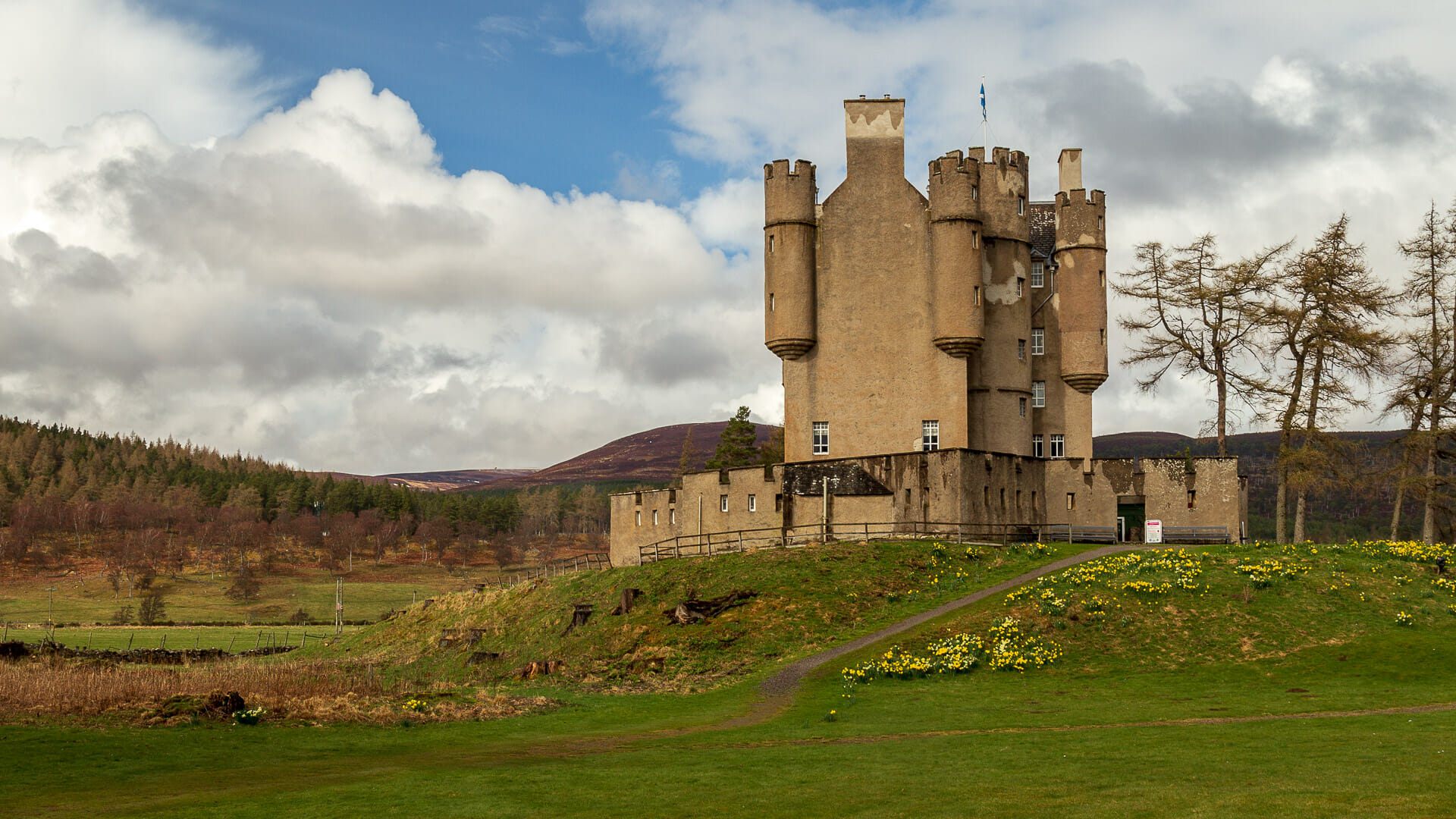
It certainly isn’t large. And yet it looks defensible with its star-shaped wall, its gun loops and its battlemented turrets. Braemar Castle sits in a valley of the River Dee, surrounded by the Cairngorms, right on the scenic Snow Road (currently only available in German). It was built by John Erskine, 18th Earl of Mar, as a hunting lodge. But its fate turned out differently.
First there were those the castle is still associated with today: Clan Farquharson. In fact the castle was meant to keep the clan in check on the side. By the end of the 17th century, the Farquharsons were regarded as supporters of the deposed King James VII – in other words, so-called Jacobites (currently only available in German). The Earl of Mar, by contrast, professed loyalty to the government. For now.
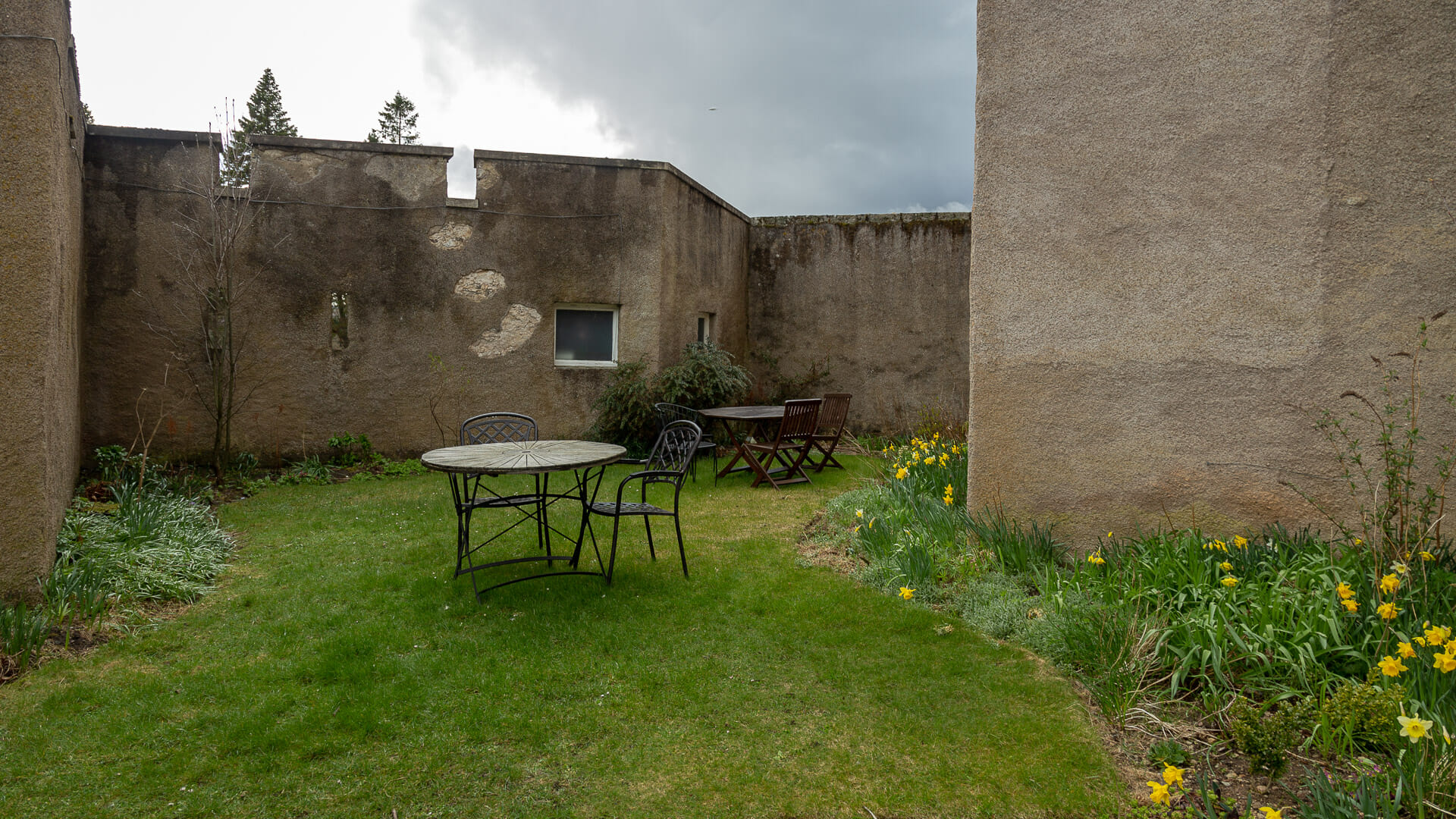
In 1688, the Stuart king was driven out of Britain in the “Glorious Revolution” and a Dutchman was placed on the throne instead. The supporters of the Scottish dynasty, however, weren’t willing to simply accept this. In 1689 the first Jacobite Rising (currently only available in German) swept across the country. During it, the Farquharsons seized Braemar Castle, and it was said they had burned it to the ground. The fate of the clan and the castle, however, were soon to become intertwined.
In the 18th century, further Jacobite risings followed. The Earl of Mar – initially a supporter of the government – had since changed sides, and even led the new uprising himself. Together with the Farquharsons, he gathered his men at Braemar and raised the Stuart banner there.
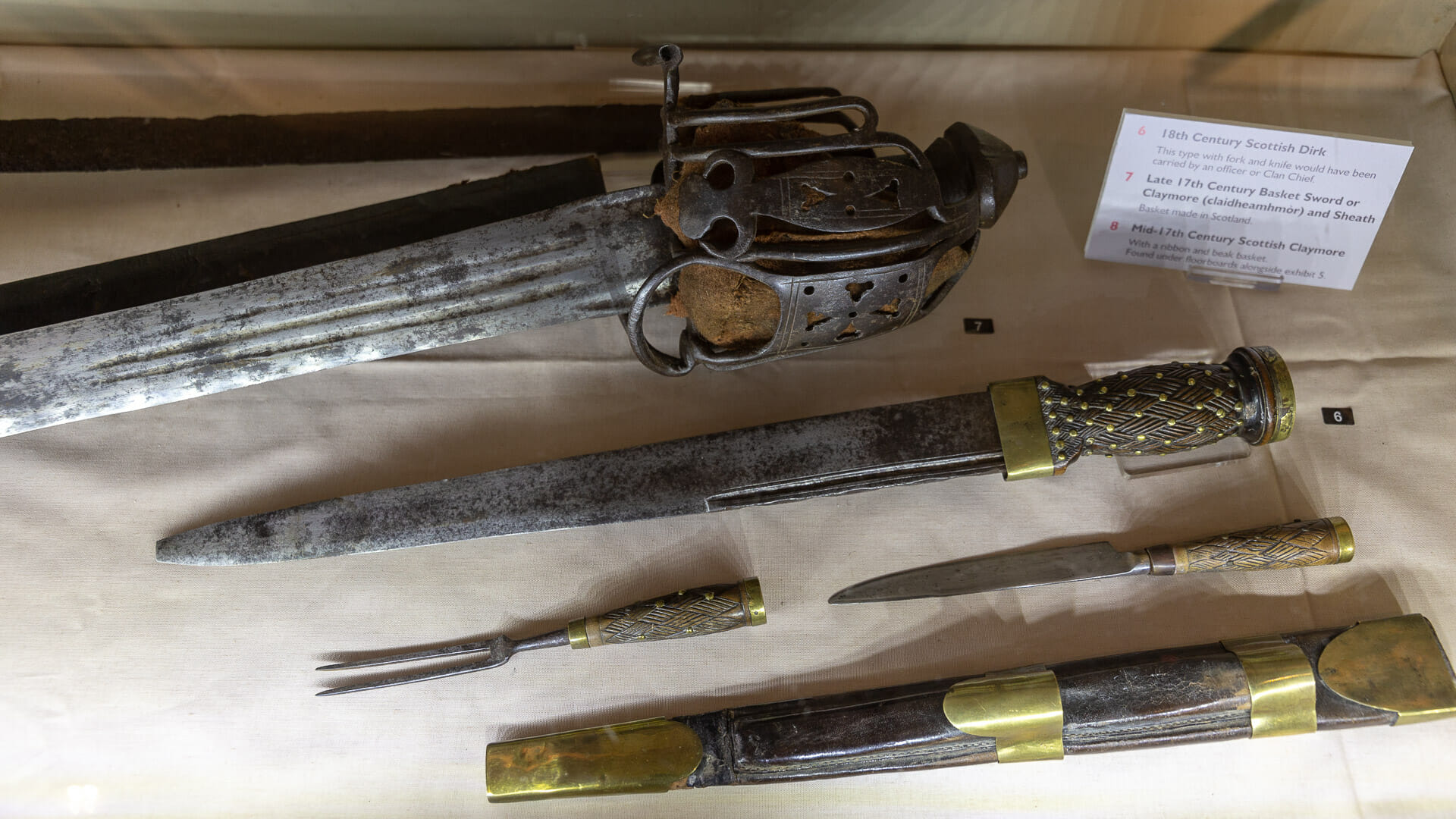
After the failure of this uprising, the British army tried to finally bring the Highlands under control. General Wade and his men opened up the inaccessible land with military roads, which modern routes still follow today. Troops were stationed at various points, and Braemar Castle too was given a small garrison. The castle’s museum section holds interesting stories about this, along with weapons and uniforms.
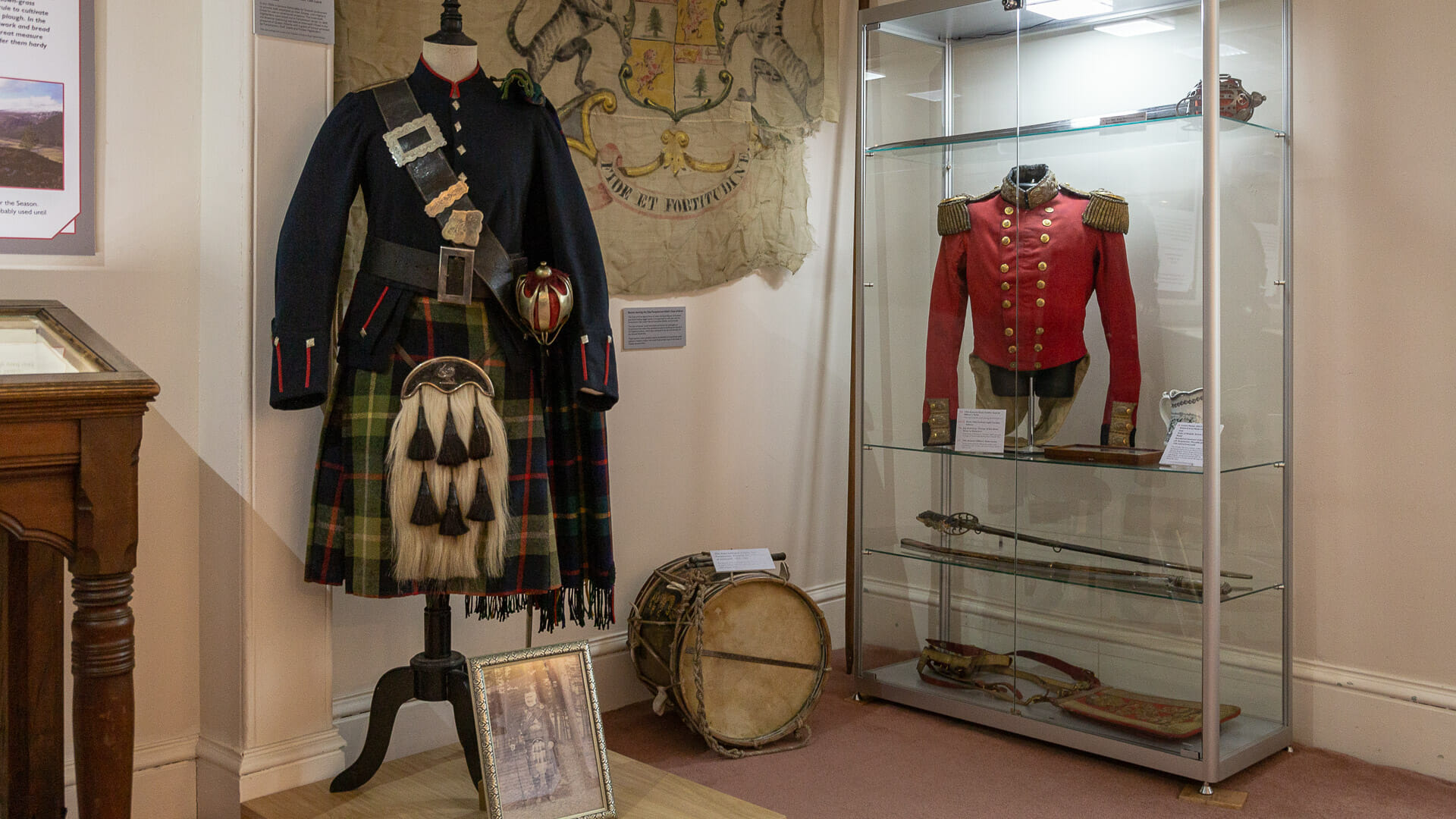
But instead of a barracks feel, Braemar exudes a finer, more elegant air today. For when Queen Victoria travelled through Scotland, the then owner of the castle renovated Braemar Castle and welcomed her royal highness there for the Highland Games (currently only available in German) of Braemar. And the rooms inside still look the part.
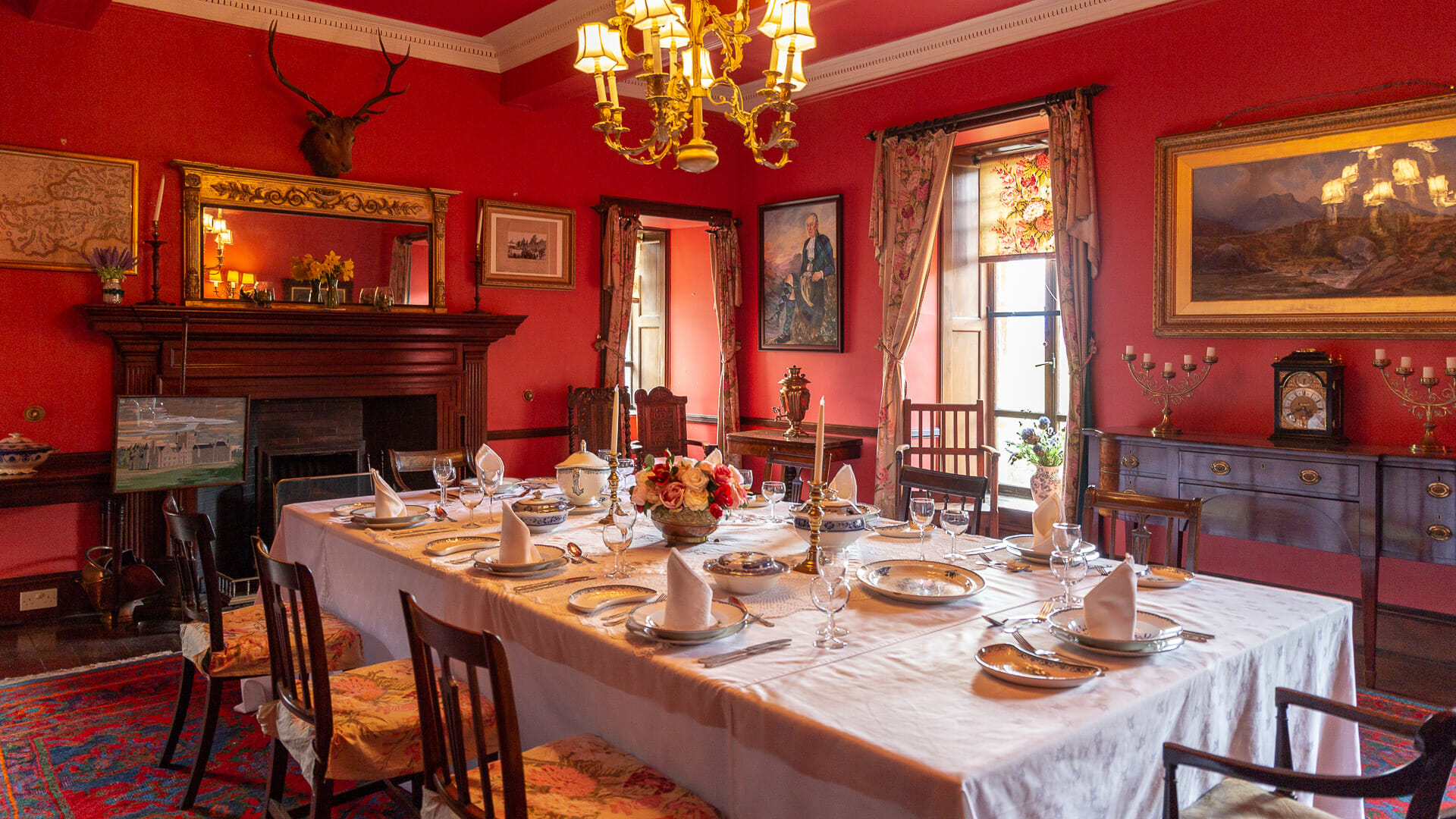
Incidentally, the tradition has continued: to this day, Britain’s crowned head still attends the Braemar Gathering. It’s just that the royals now reside nearby at Balmoral.
In the late 19th and early 20th century, Braemar was a country seat of the Farquharsons, where ladies of the house also resided and left their own stamp on the rooms.
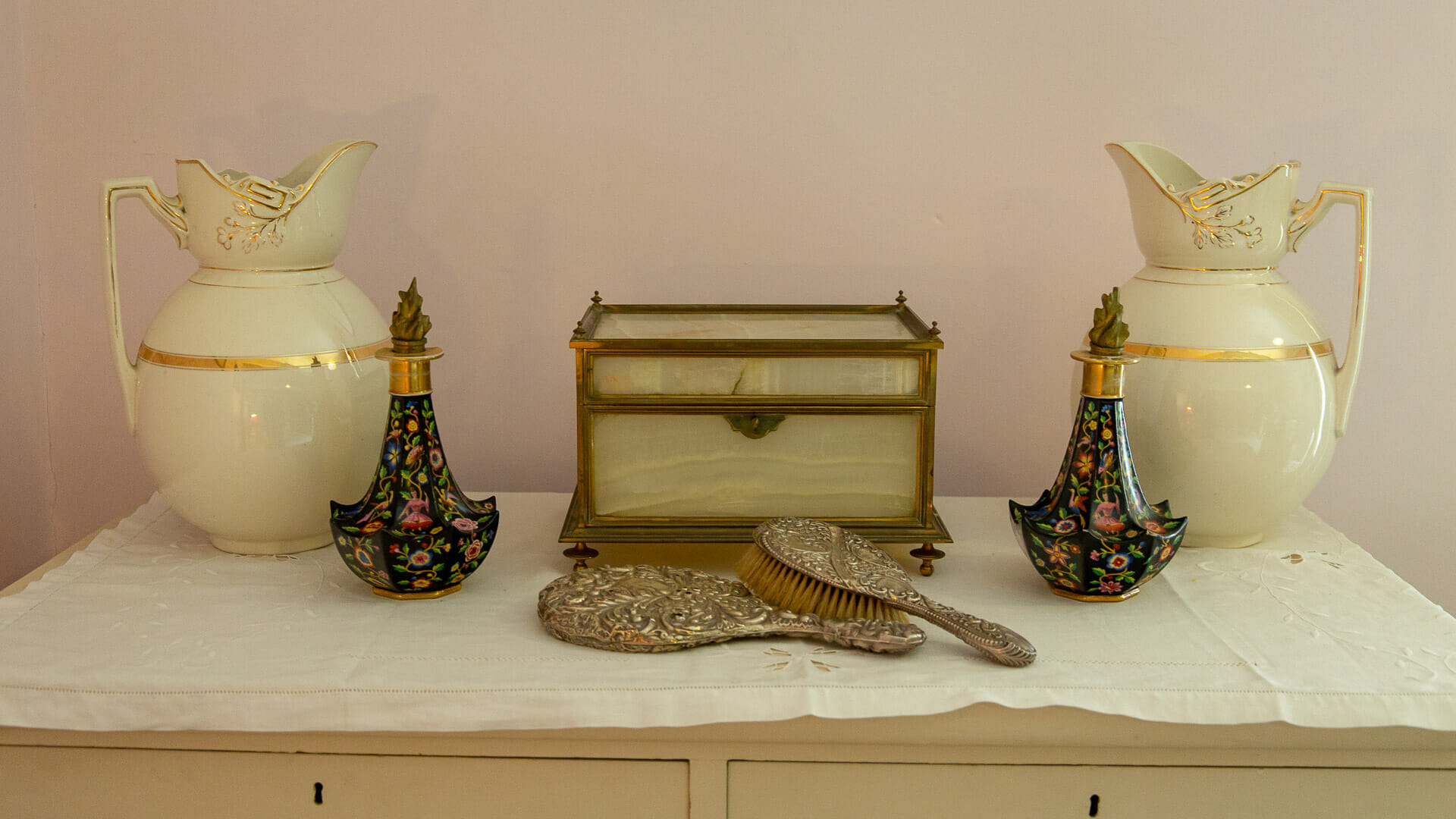
Eventually, though, Clan Farquharson withdrew from the castle to the more modern Invercauld Castle. Braemar Castle threatened to fall into ruin. But the people of the nearby community weren’t willing to accept that. And so behind the castle today lies yet another unique story: it is the first community-run castle in Britain.
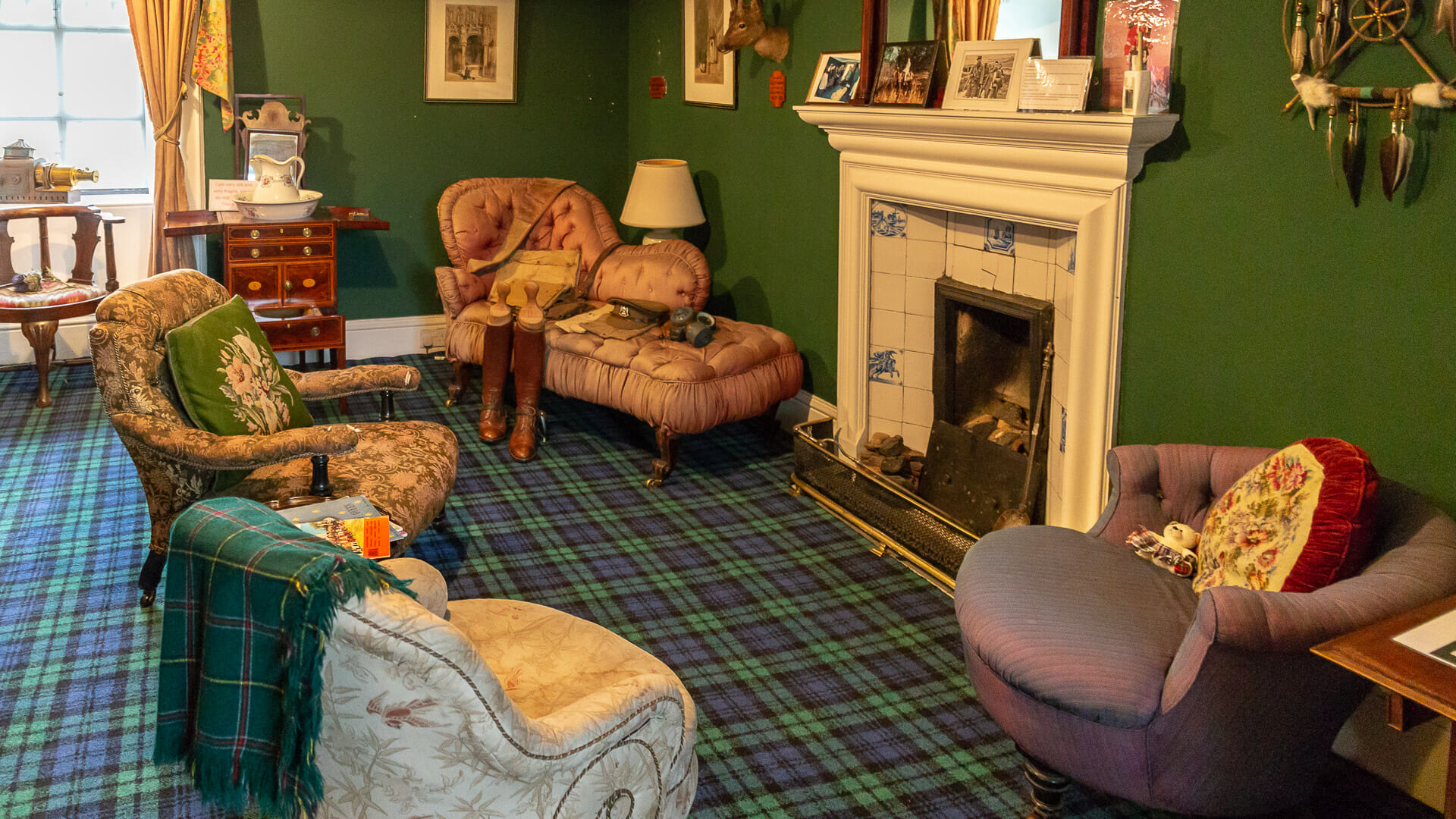
In 2007, the volunteers began rebuilding the castle and opening it to visitors, who now get to see the many lavishly furnished rooms and the small military exhibition. That alone is already reason enough to visit Braemar Castle. And with the right timing, visitors might also catch a lovely costume event or a musical performance there.
Good to know: Braemar Castle, the Earl of Mar, and the Jacobite Rising of 1715
John Erskine, 23rd Earl of Mar, was a fickle character. As late as 1707 he played a decisive role in pushing through the union between Scotland and England, and went on to become a Secretary of State of the Crown. But when the Hanoverian King George I dismissed him in 1714, the Earl of Mar put himself entirely at the service of the old Stuart kings. In 1715 he raised his standard at Braemar and set the first great Jacobite rising in motion. With his Highlanders, he quickly managed to control almost the entire north of Scotland.
Unfortunately, the Earl of Mar was no great military commander. At the Battle of Sheriffmuir he outnumbered the government troops four to one, yet in the end he only achieved a draw. Eventually the Earl had to flee to France, where he spent the rest of his life.
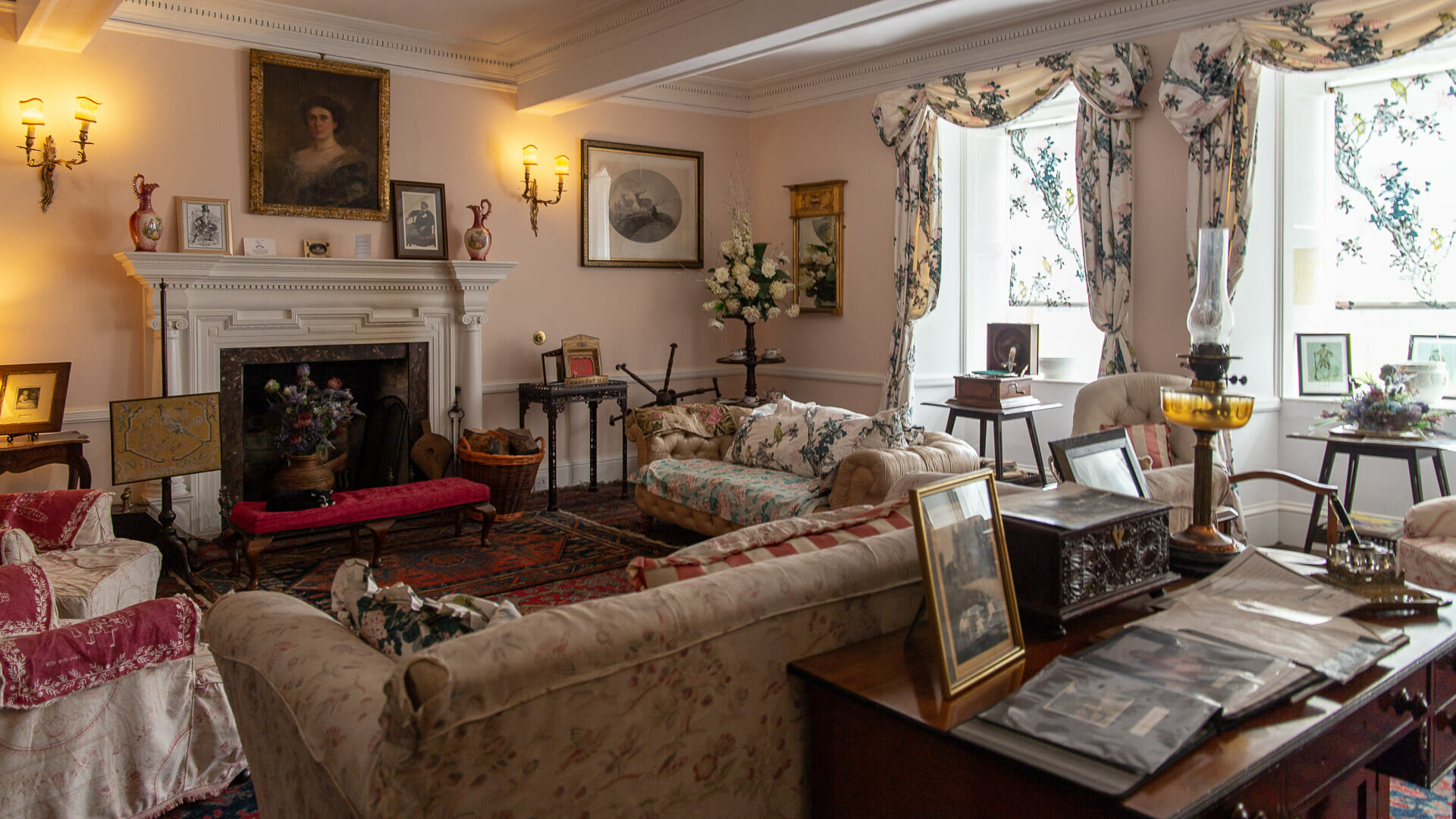
Incidentally, the famous author Robert Louis Stevenson also spent some time in Braemar, where he wrote Treasure Island. A room in the castle is dedicated to him.
Getting there:
With a sat nav: the postcode “AB35 5XR” will bring you nearby.
Without a sat nav: coming from the south from Glenshee, follow the Snow Roads Scenic Route on the A93 through the village of Braemar. A few hundred metres later, just past the petrol station, the castle’s car park is on the left. Coming from the north, you reach the castle a little way past Balmoral Castle on the A93.
