Electric cars are sometimes significantly cheaper to rent in Scotland. Should you take up the offer? We put it to the test.
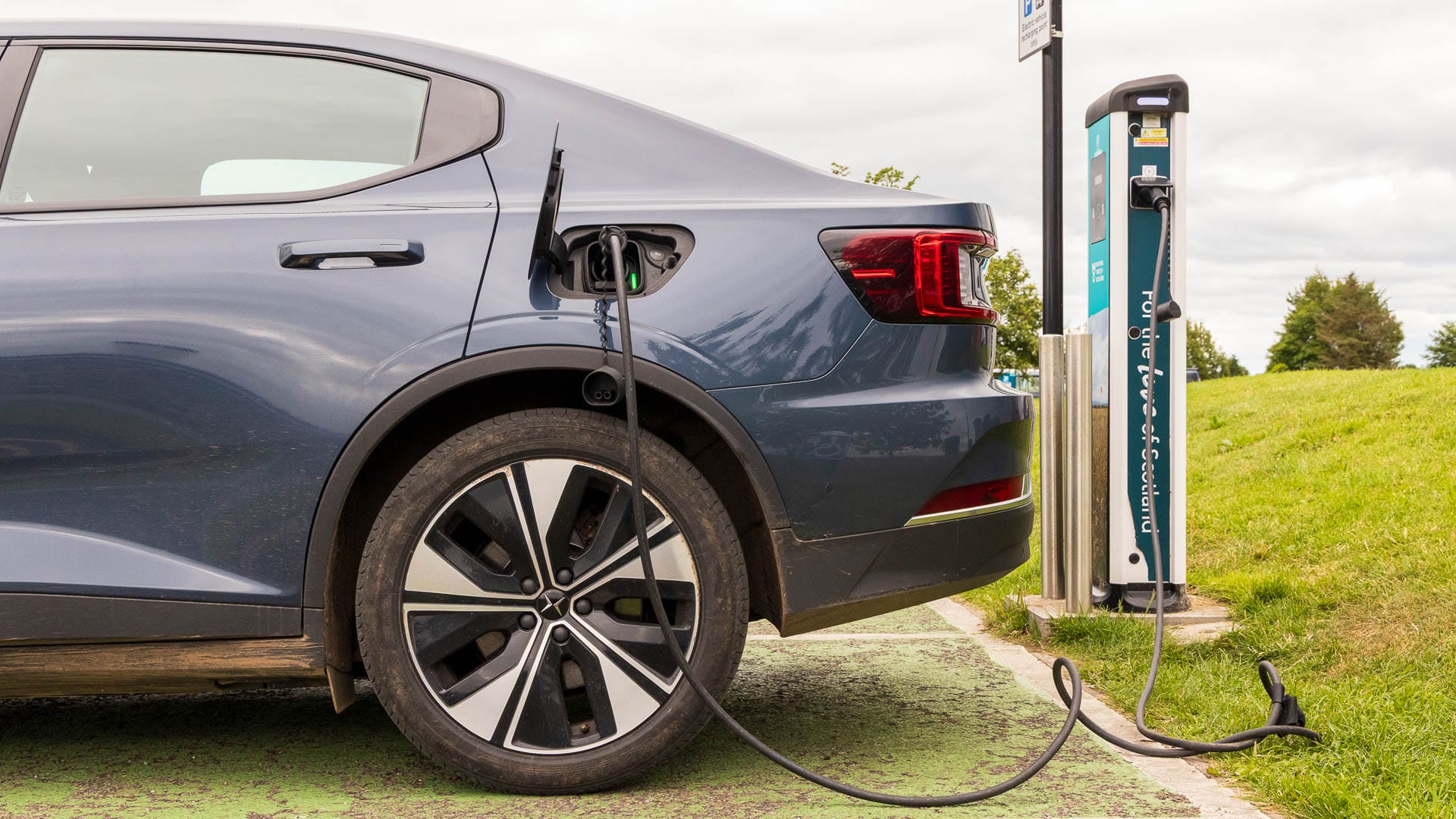
They’re clean, quiet, and drive beautifully too – electric cars have plenty of advantages. But there’s also one serious drawback: the range isn’t as high as with most petrol cars. That’s no problem in cities. But what about the countryside? And above all, what about the Scottish Highlands?
We rented an electric car and spent two weeks travelling with it. Here are our experiences and recommendations.
The verdict, up front
Touring Scotland by electric car is doable, but it needs constant planning. Charging is either not fast or not cheap. The charging network is fragmented across different providers, and the apps often don’t work on German smartphones. The RFID chip on the rental car’s key doesn’t always help here.
The advantages of an electric car in Scotland
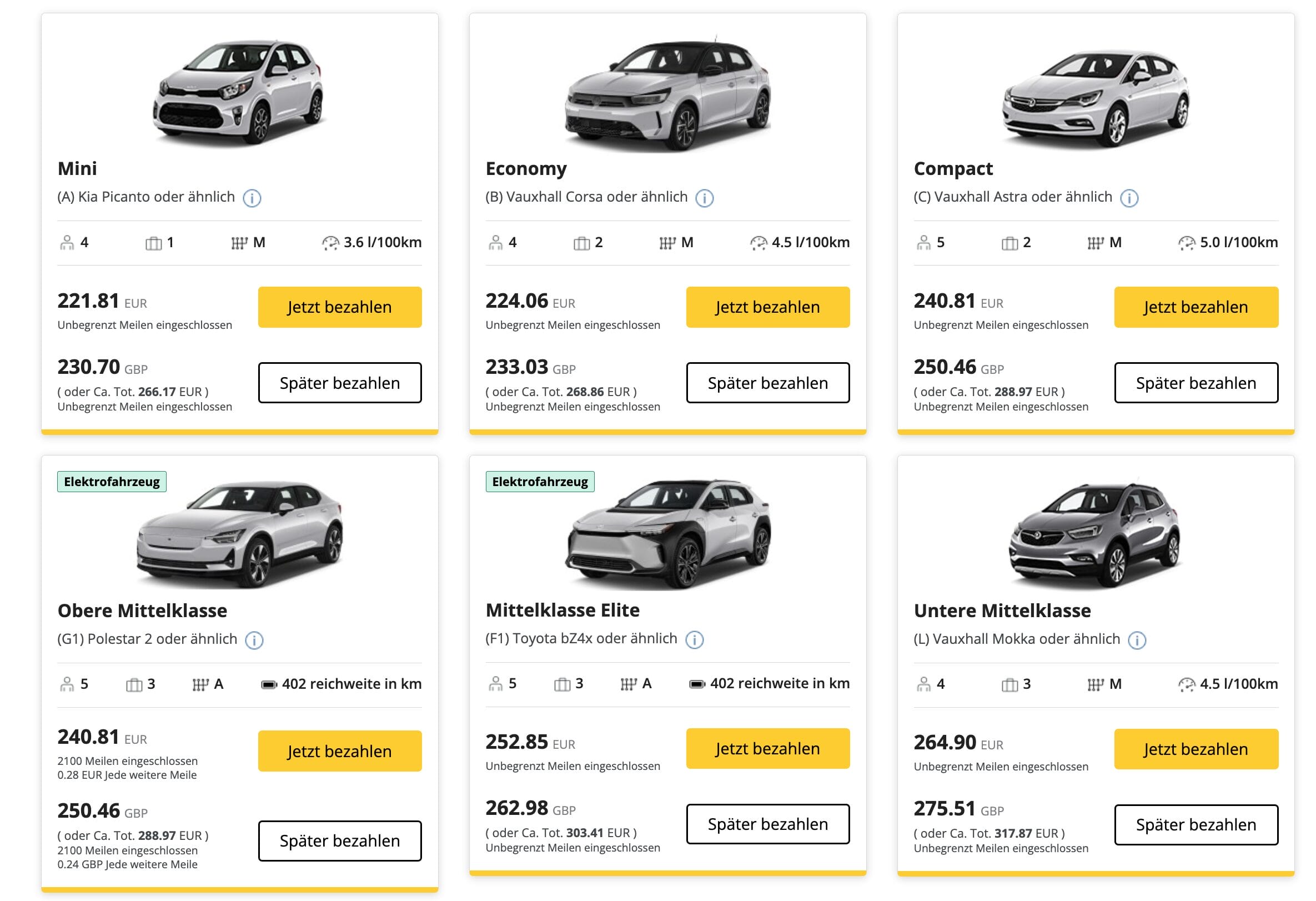
We rented through ADAC at Hertz and got a Polestar 2 – a fairly large car with plenty of room for our luggage. The price was sensationally low for it: several hundred euros less than renting a comparable petrol car from the same provider.
We were also given a good briefing at pickup. An RFID chip hung on the keyring, which can be used to charge the car at many charging points. At the front, under the “bonnet” (correctly: front trunk, or “frunk”), lie the cables needed for charging.
The driving experience was brilliant. We got used to the Polestar quickly.
So far, so good.
The disadvantages of an electric car in Scotland
When people talk about the range of electric cars, they usually mean the range on a full charge. Sounds logical enough.
However: while you simply fill a petrol car’s tank to the top, that’s not necessarily advisable with electric cars. To protect the battery, it’s better not to charge it beyond 90 percent. And Hertz handed the car over to us with only 80 percent.
Since we had to drive some distance and wanted to stay independent the next day, we had to top up the charge that same day. There was no longer any charging option near our first accommodation, so charging overnight wasn’t possible.
If you charge quickly, you sometimes pay more than for petrol. One kilowatt-hour (enough for roughly 6.5 kilometres) cost us around 75 pence. By comparison: a litre of petrol costs around £1.50 and takes you about 15 kilometres.
The next problem: while you drive into a petrol station, fill up in a few minutes, put the money on the counter and get a receipt, the process at a charging point is considerably more tedious.
It’s best to try the rental company’s RFID chip first. If that doesn’t work, things get complicated, as not all charging points accept credit cards. Some only work via the provider’s own app. The problem here: these apps often don’t run on German smartphones either.

On top of that, some charging stations simply refuse to work – despite the app, despite a valid payment method, and so on. That leaves a constant nagging feeling of uncertainty over whether the next charging point will actually deliver the charge you need.
In larger towns, charging stations are at least often available at the big car parks. But if you think you can just plug in the car and go for a leisurely stroll: stay connected too long without freeing up the station, and you’ll pay a penalty surcharge.
All of this takes away a certain lightness from a holiday. Instead of thinking about the route from one sight to the next, you’re constantly checking the charge level and Zap-Map (in our view, the best app for charge planning).
There’s one more thing: if the RFID chip works, you get the invoice from the rental company. If you simply pay by credit card, you have to hunt down the receipt online – if you even get one at all.
My personal summary
From my point of view, as of 2025, the holiday experience still suffers considerably when renting an electric car. The charging infrastructure in rural areas is only moderately developed, providers are fragmented, and the charging point often isn’t reliable. Range does end up being an issue in the Highlands after all. As a result, you’re far too preoccupied with planning where and how your next charge is going to come from.