Fortrose Cathedral on the Black Isle in the east of Scotland is a ruin today. Yet once its power reached across to the west coast. Its history, and why a visit is worthwhile.
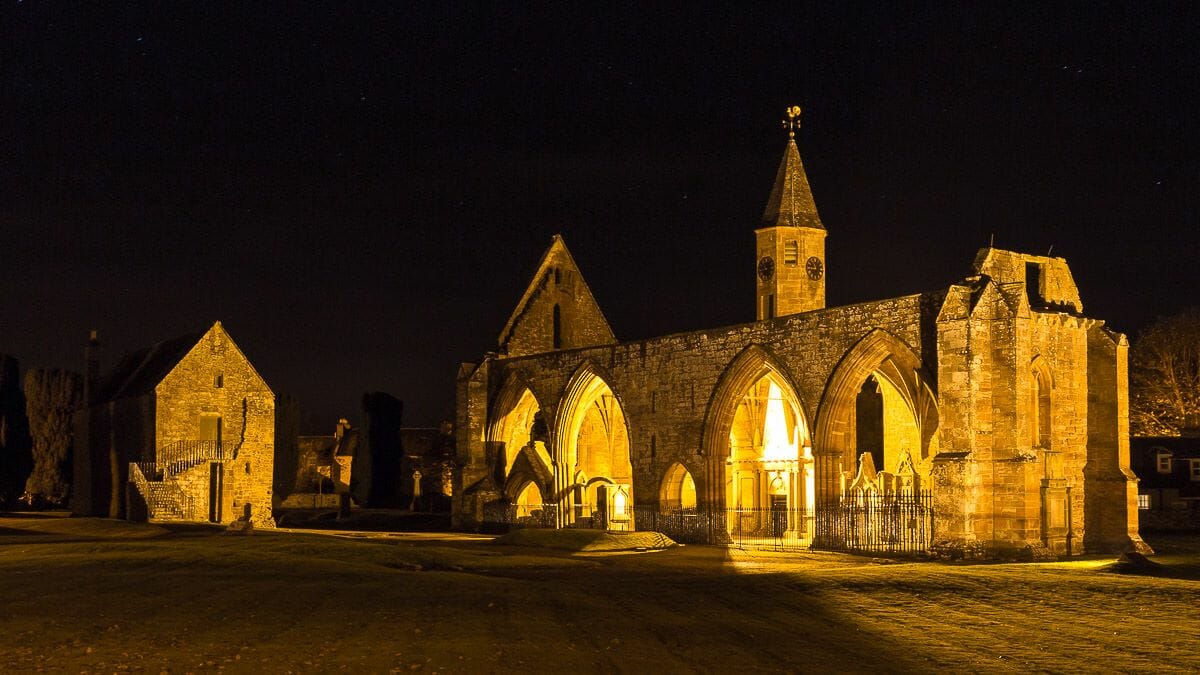
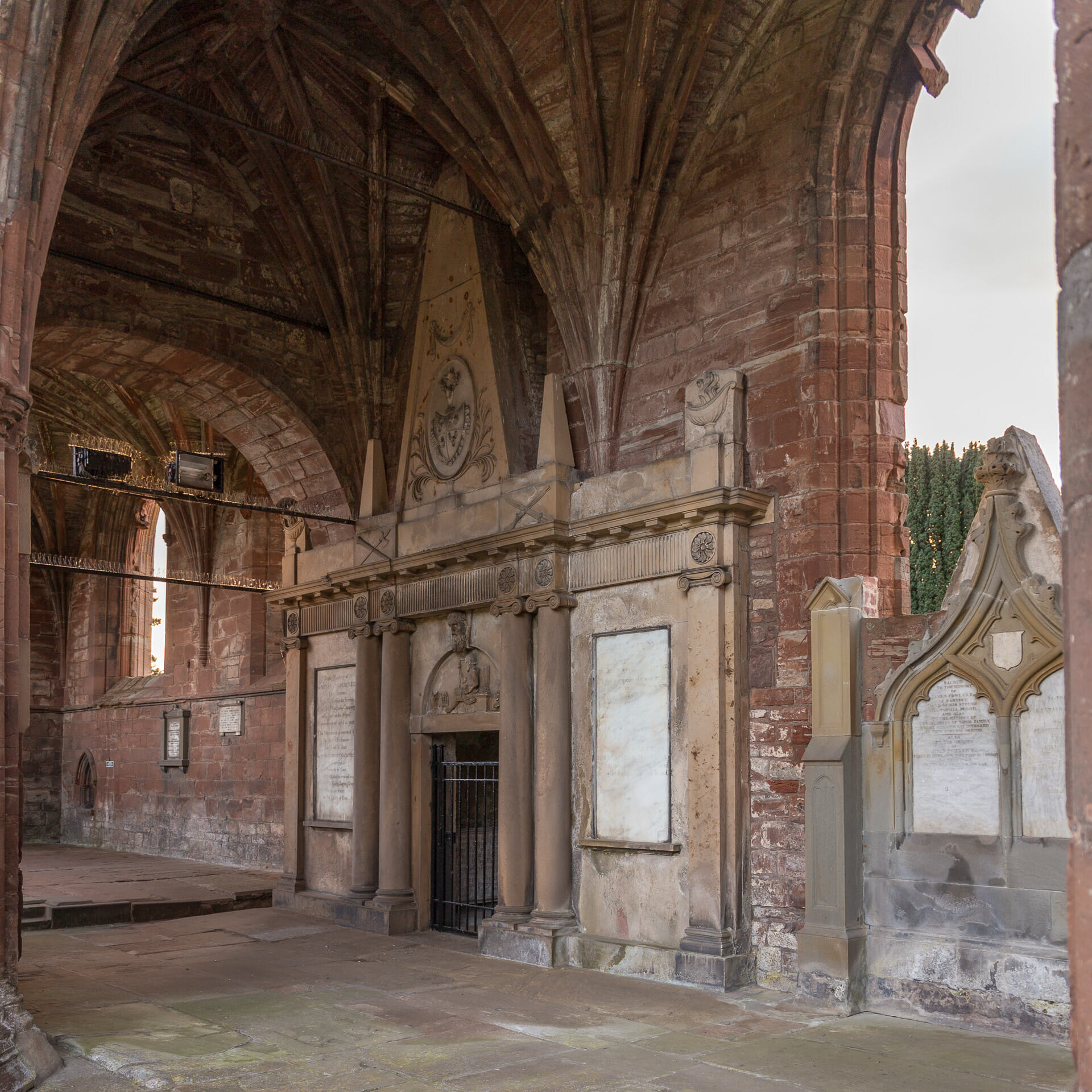
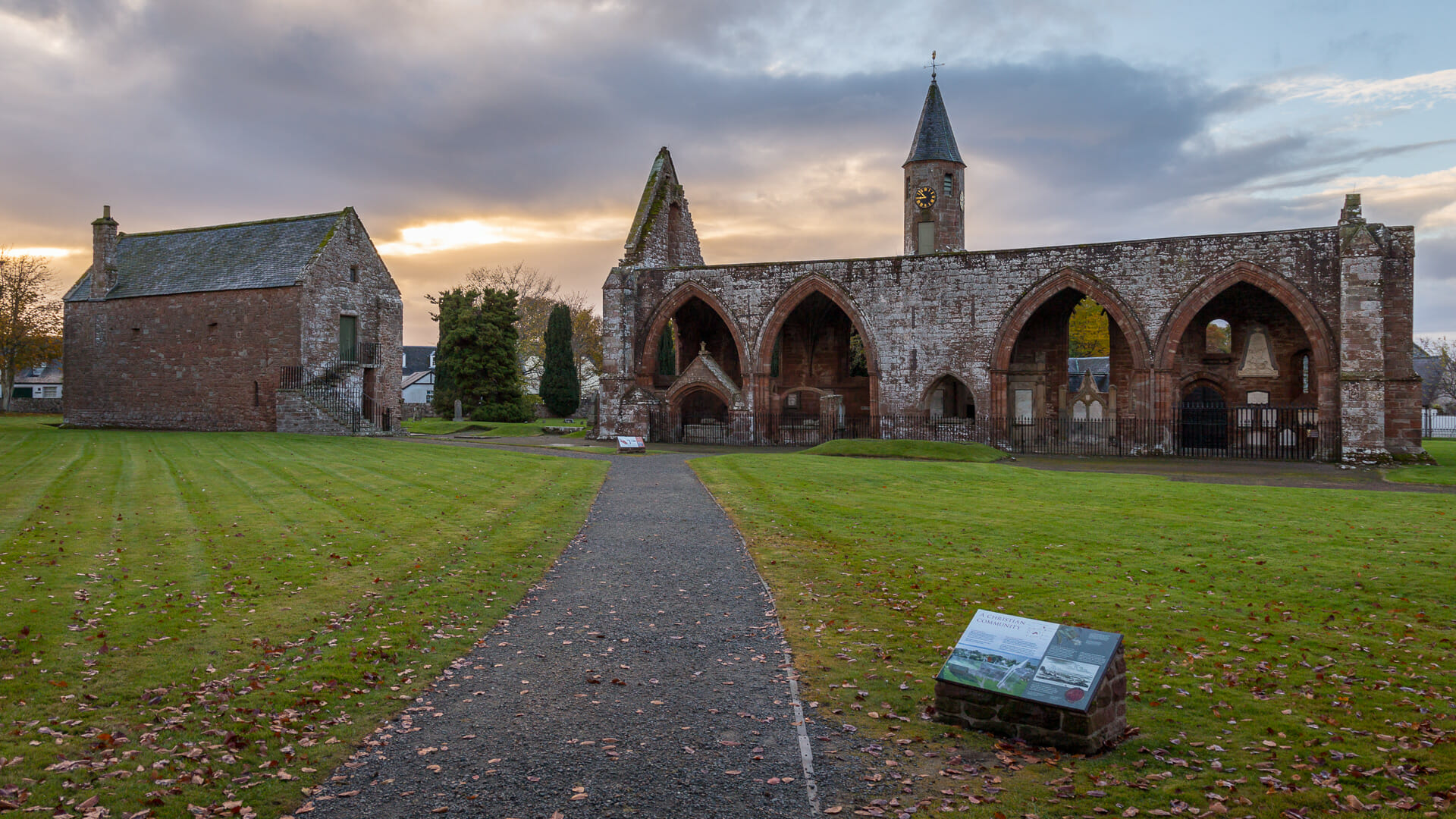
It’s almost a pitiful sight. Not much remains today of the former beauty of Fortrose Cathedral. The nave of the church is completely missing, and the pointed arches that once stood inside now offer unprotected access to the church – which of course also means exposure to the weather.
What still stands today is only the south aisle and the north choir. Nothing at all remains of the once-impressive tower.
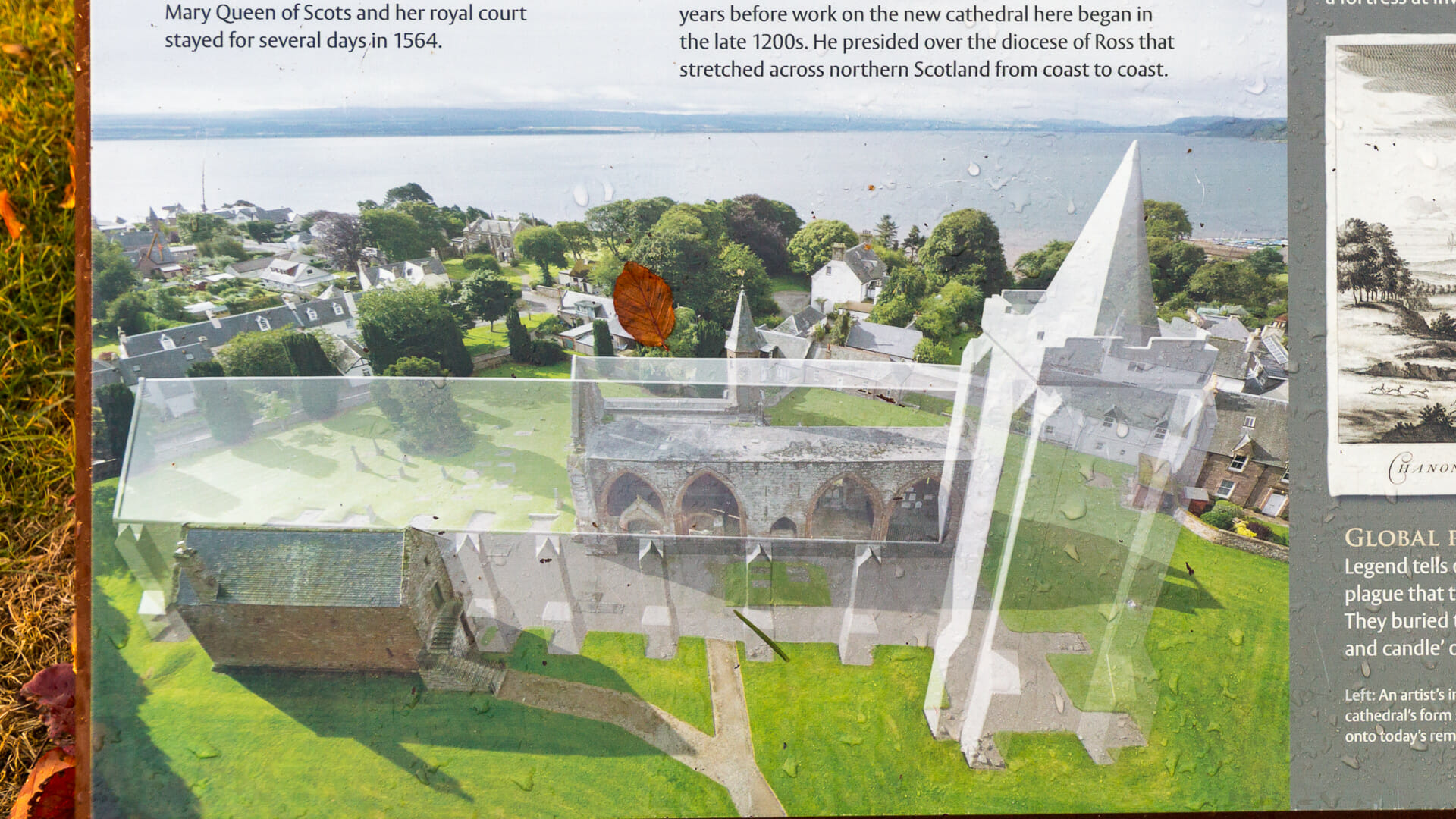
Yet Fortrose Cathedral on the Black Isle was once such an important and powerful centre. The churches from here across to Applecross on the other side of the country fell under its authority. That is how large the diocese was, which at the time corresponded to the county of Ross.
And it wasn’t just the church building itself that mattered. A whole village of clergy had settled around the cathedral – very similar to how it was at Elgin Cathedral. There was a bishop’s palace here, along with buildings for the treasurer, the deans and the precentor.
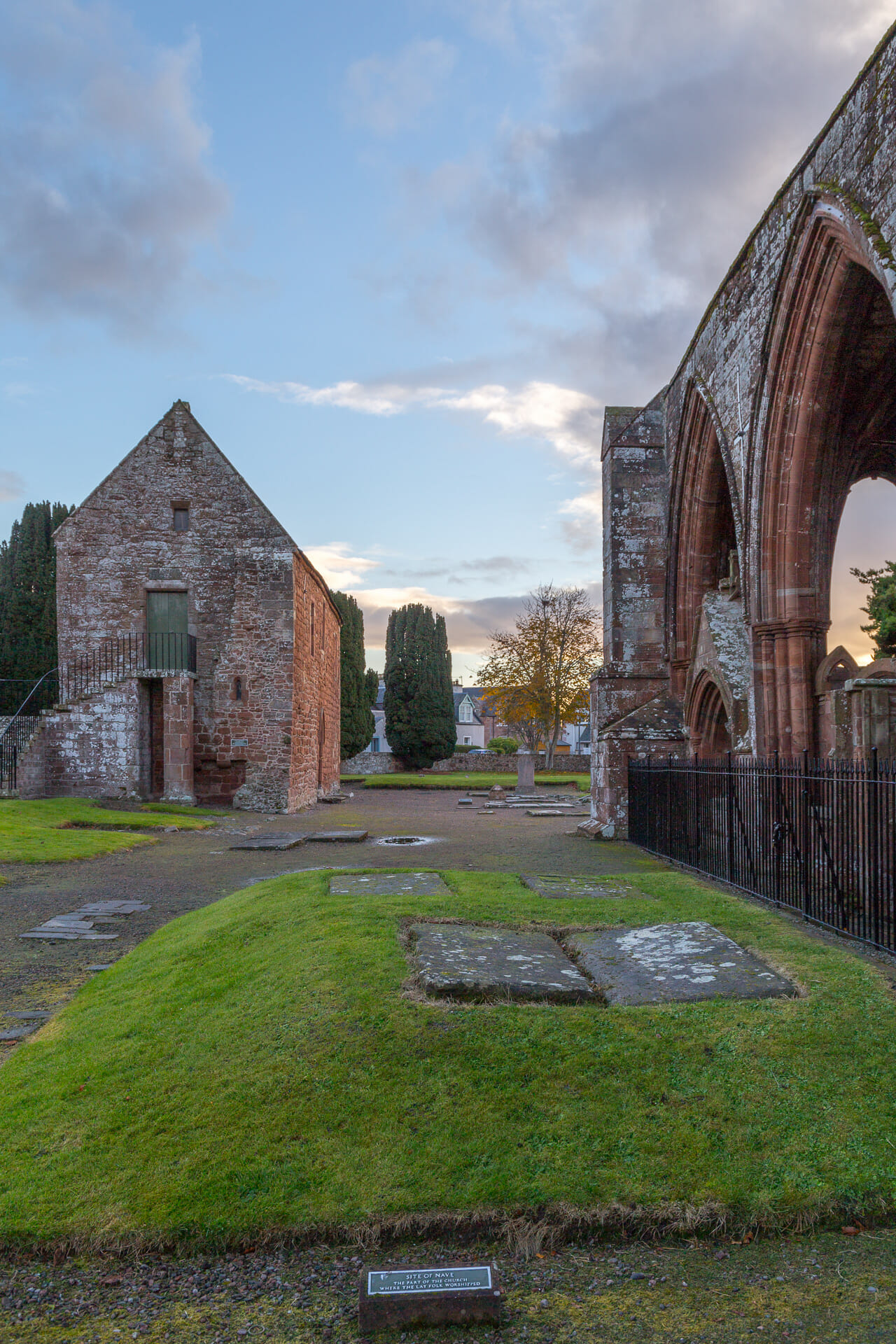
It must have been a fairly busy place back then. Today the grounds around the church form a spot for peace and relaxation. A path leads to the ruins. Trees and grass create a park-like atmosphere.
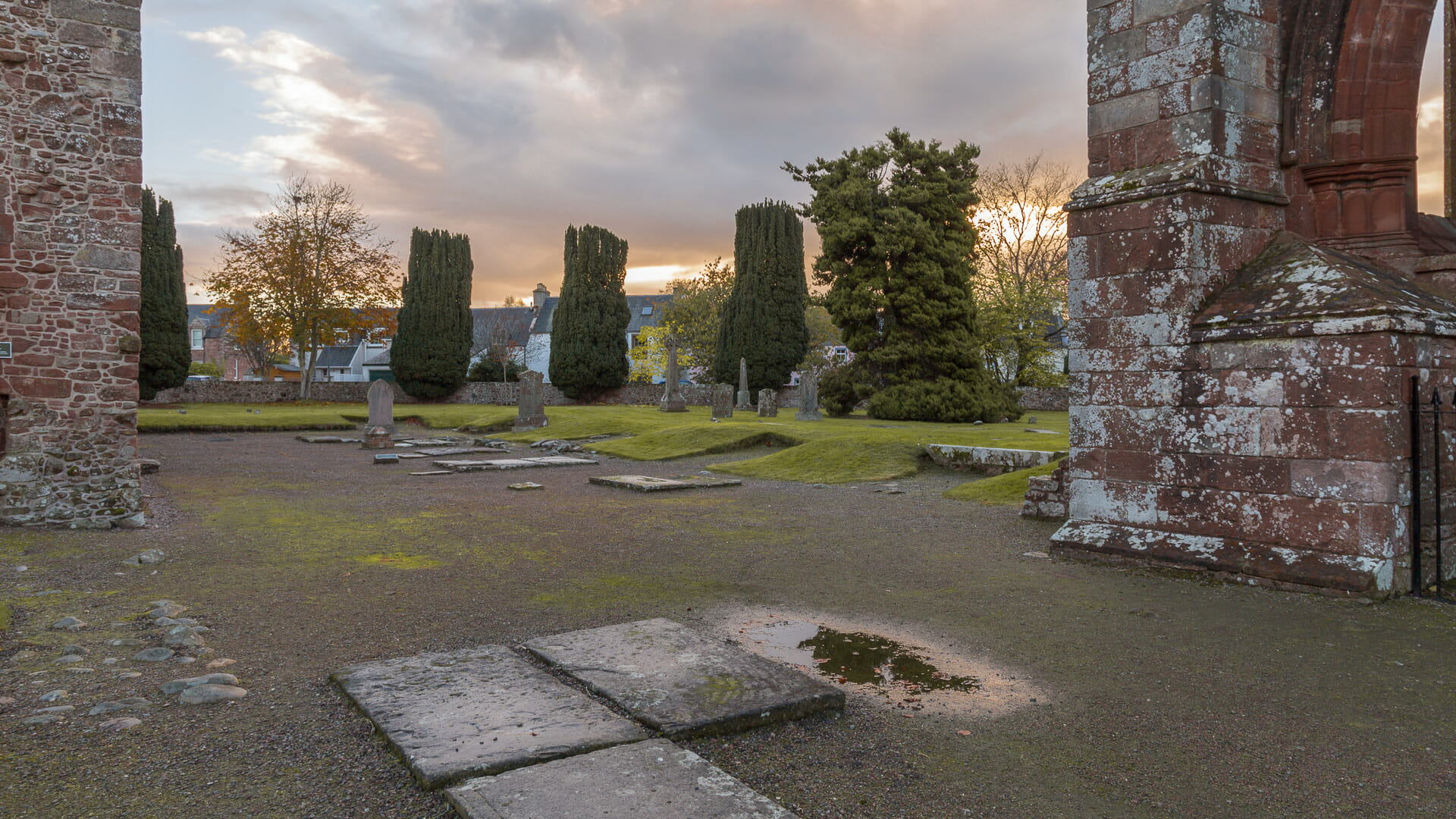
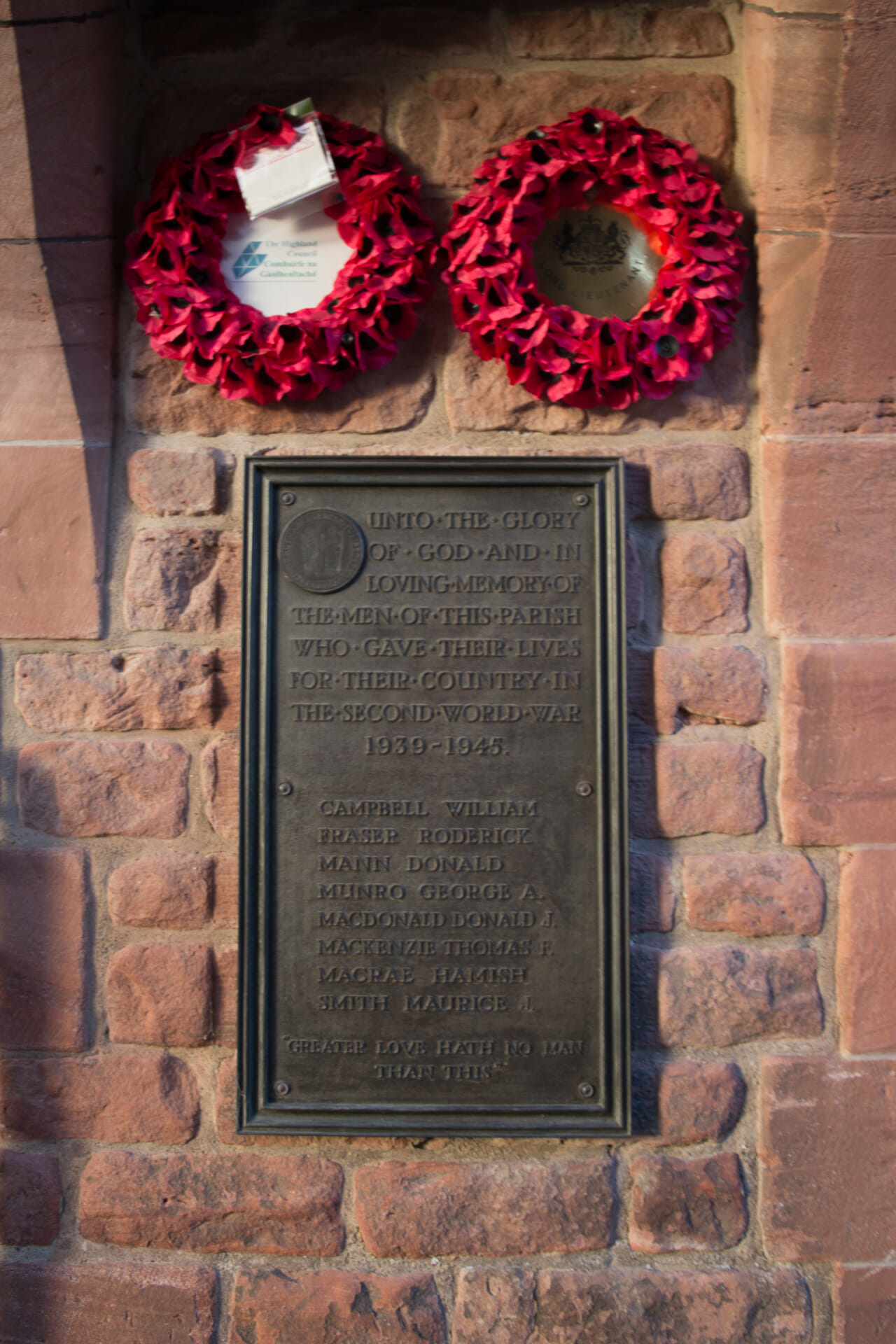
Where the buildings of the churchmen once stood, the houses of Fortrose’s residents now stand. For them, the place is still important and sacred, as it serves as their cemetery, and the entrance with its iron gate commemorates those who fell in the World Wars.
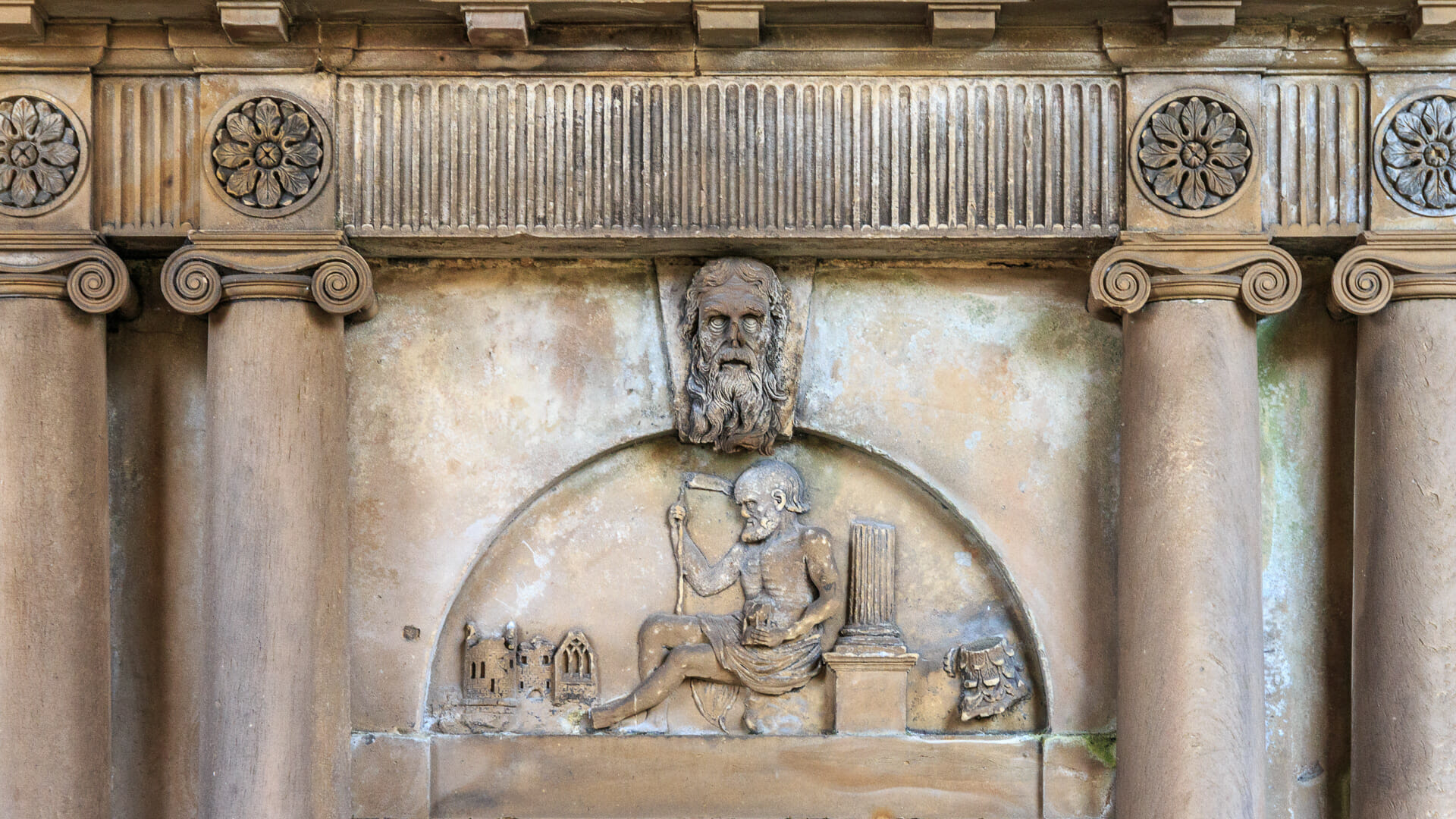
The small cathedral in the middle of Fortrose is today only a ruin, yet a short visit is worthwhile if you’re nearby. If for nothing else, then for the beautiful gravestones.
Know-how: The history of Fortrose Cathedral
The cathedral is dedicated to Saint Peter and the early Pictish bishop Curetán, or Boniface. That was already the case when it was still located nearby in Rosemarkie, in the days when the Picts ruled here. But Bishop Robert Cairnross moved the seat to Fortrose around 1214. And Countess Euphemia supported its expansion up until around 1300. She presumably had an ulterior motive: to create a place where she herself would be buried. And that is indeed what happened.
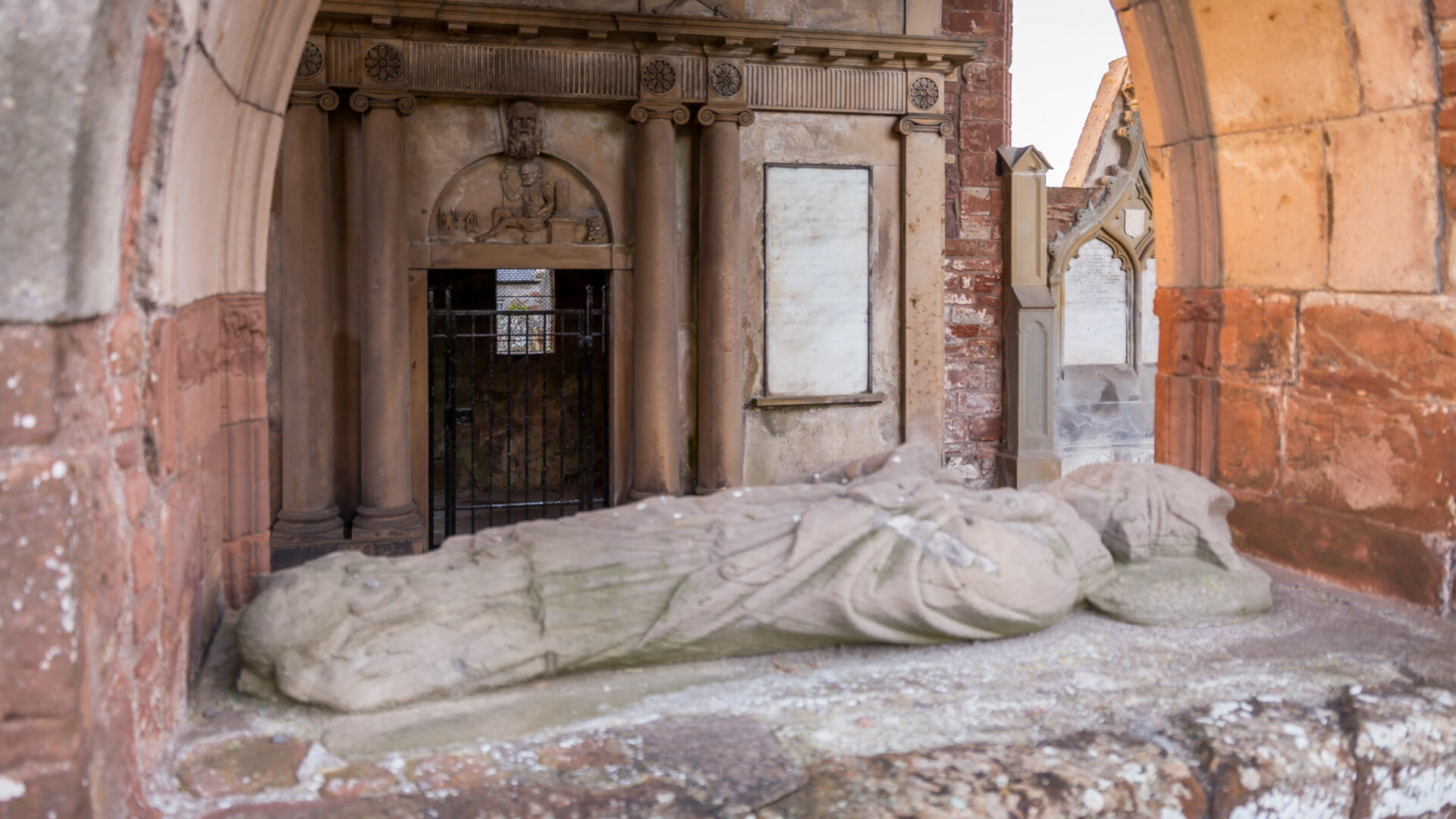
Interestingly, Euphemia was, incidentally, married in her second marriage to the “Wolf of Badenoch”, the man who once had Elgin Cathedral burned down. The partial similarity in architectural style between the two cathedrals could point to a shared master builder.
When the Reformation took hold in 1560, Fortrose Cathedral was officially decommissioned. Lord Ruthven made off with its precious lead roof in 1572 – yet services are said to have continued being held here nonetheless. The small bell tower standing here today, in any case, dates from a later period.
Legend has it that Oliver Cromwell had the building dismantled during the Civil War in the 17th century and used the stones for a fortress near Inverness.
After that, the decay of Fortrose Cathedral could no longer be stopped.
Tip: Visit The Anderson and see it after dark
Right on the corner of the street stands The Anderson – a typical inn. On the one hand you can eat quite well there in an unusual atmosphere (the jukebox, for instance, only knows classical music), and on the other, on leaving the pub you get a wonderful view of the cathedral beautifully lit up at night.
By the way, Chanonry Point is nearby, where dolphins can often be seen.
Getting there:
With satnav: enter “IV10 8TB” and off you go.
Without satnav: Just north of Inverness, the A832 branches off the A9 at a roundabout towards Fortrose. Follow it into the town. There, at the “Eilean Dubh Restaurant”, the road turns right towards the cathedral. It is also signposted. There is parking directly in front of it.
