Seriously? Toilets as a tourist attraction? Oh yes. Why the Victorian Toilets on the Isle of Bute are worth a visit – even without needing to go.
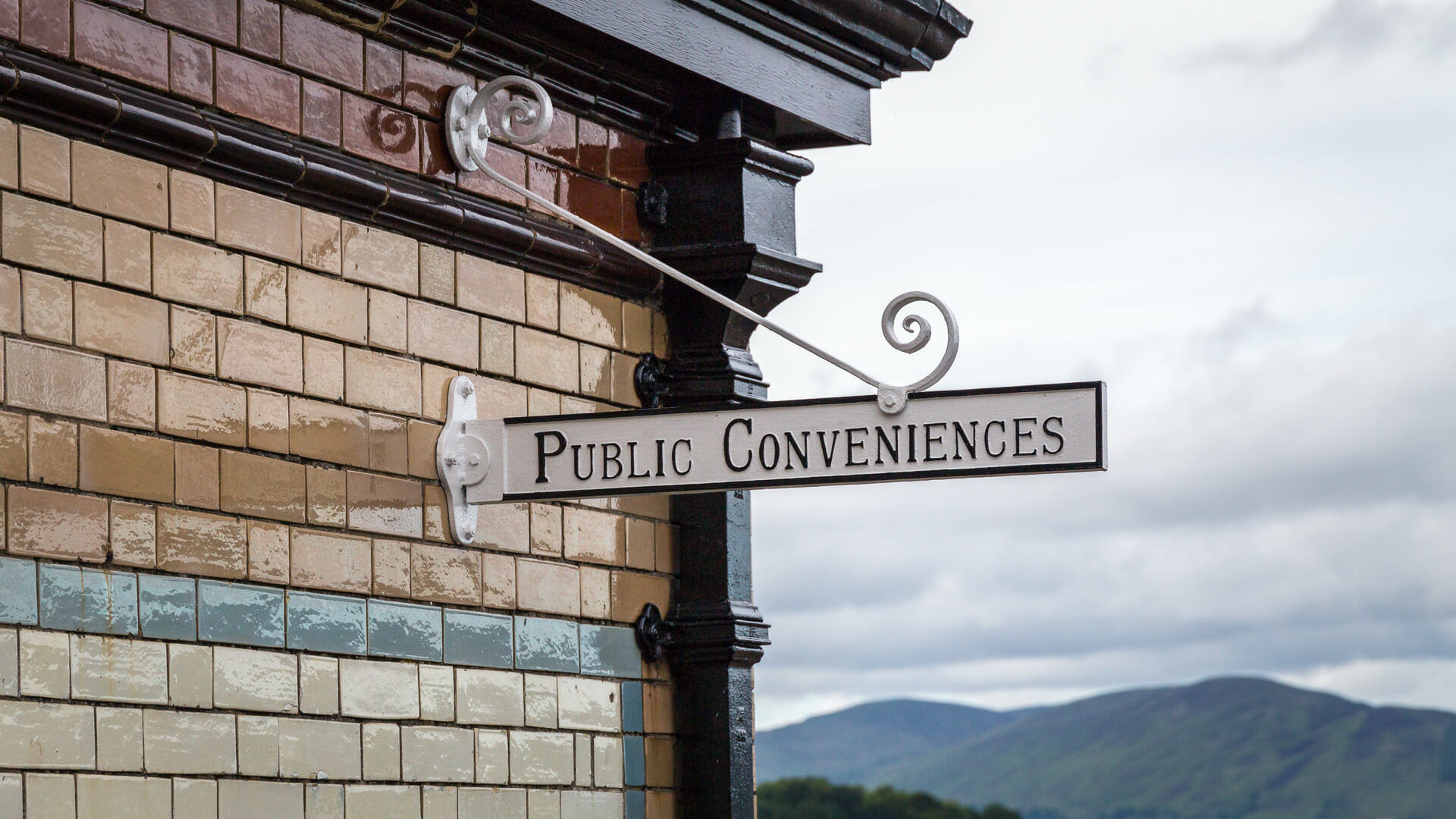
After the long sea crossing, gentlemen at the pier deserved the chance to relieve themselves first. After all, most of them had arrived by paddle steamer, sailing down the River Clyde from Glasgow. The phrase “doon the watter” meant, in the 19th century, taking a holiday to the west – in Dunoon, Gourock, or indeed on the Isle of Bute.
Travellers arriving on the Isle of Bute have, since 1899, been welcomed by a toilet built by the Rothesay Harbour Trust, where they could not only relieve themselves but also freshen up a little – and in the greatest comfort the era had to offer: 20 urinals made from marble-effect ceramic. Six of them form a kind of tower in the middle, crowned by a few green plants.
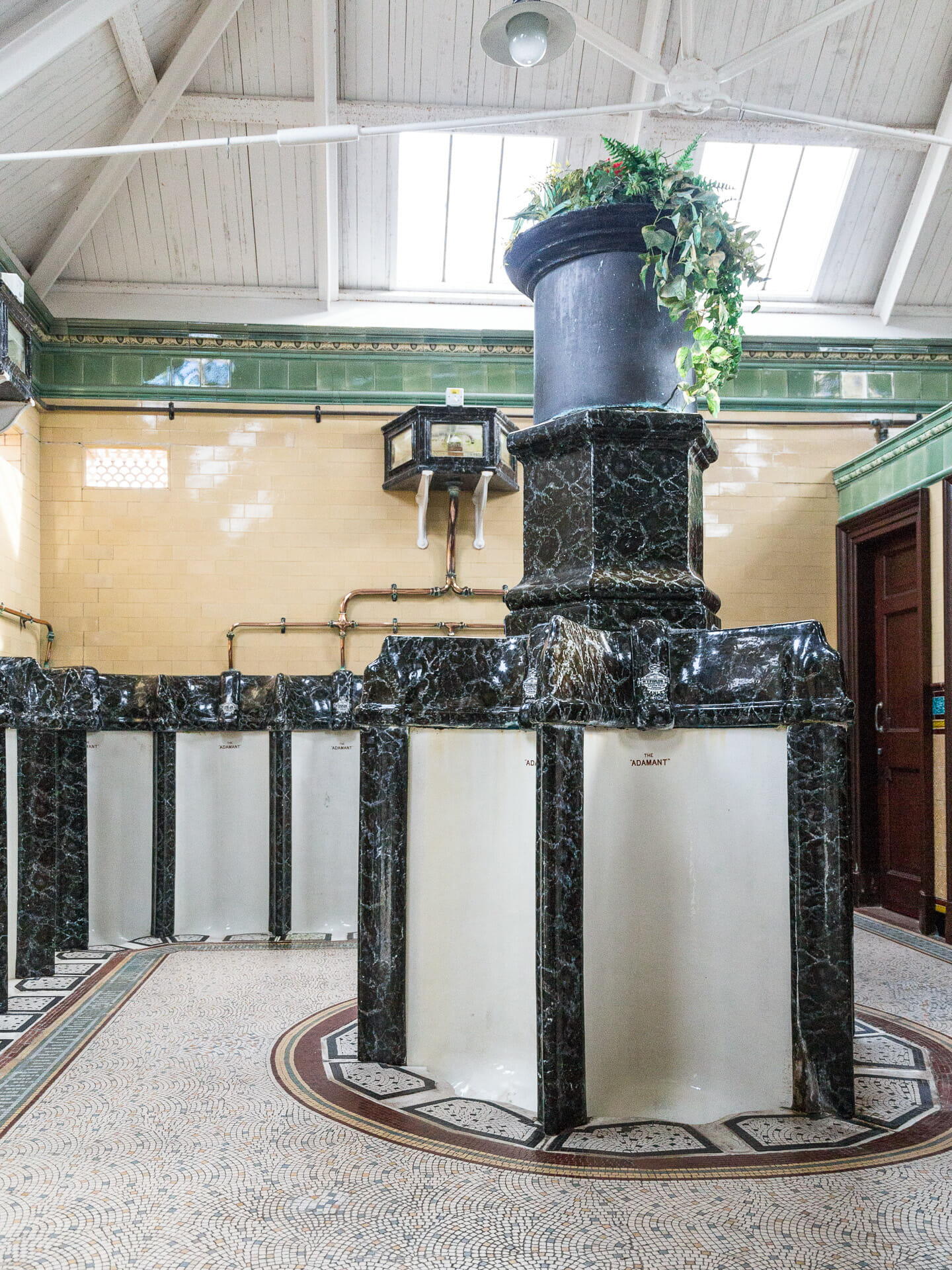
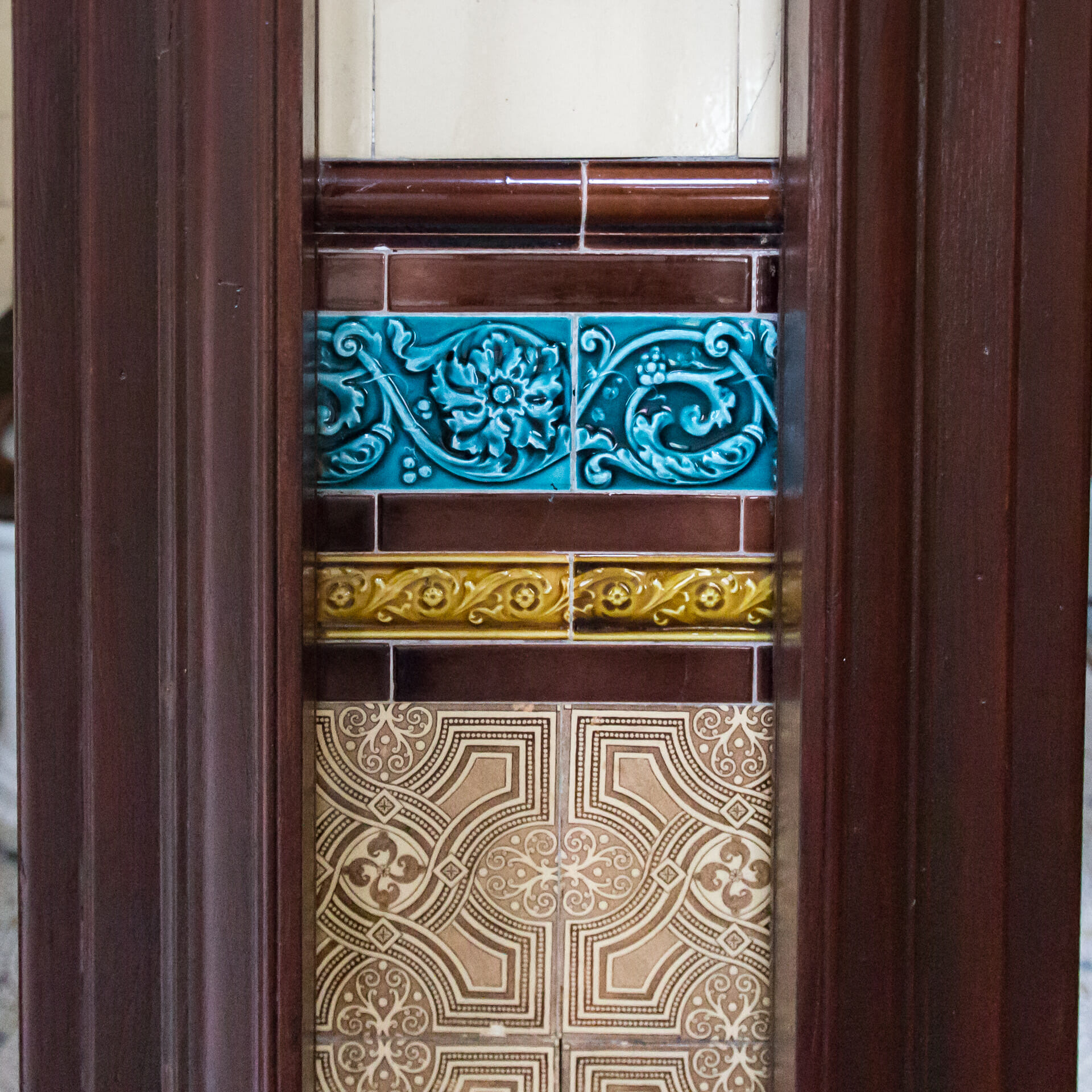
The walls are lined with colourful tiles, and the floor is laid with mosaics that form the coat of arms of the town of Rothesay at the entrance. The flush water comes through copper pipes from high-mounted cisterns with glazed side panels. In short: Britain’s greatness was meant to be evident even while answering the call of nature.
But at some point in the mid-20th century, the flow of visitors to the Isle of Bute began to dry up. The elaborate toilet house had become more of a burden than a relief – after all, upkeep cost money.
It borders on a small miracle – and certainly owes a great deal to the personal dedication of a handful of people – that the Victorian Toilets in Rothesay are today one of the island’s attractions, even if tourists often overlook them.
Hold on a moment! So far we’ve only been talking about the gents. But what about the ladies? As it happens, around the turn of the century there were no toilets for women in the building at all. Today, of course, that’s changed – though the ladies’ facilities still aren’t quite as splendid as the gents’.
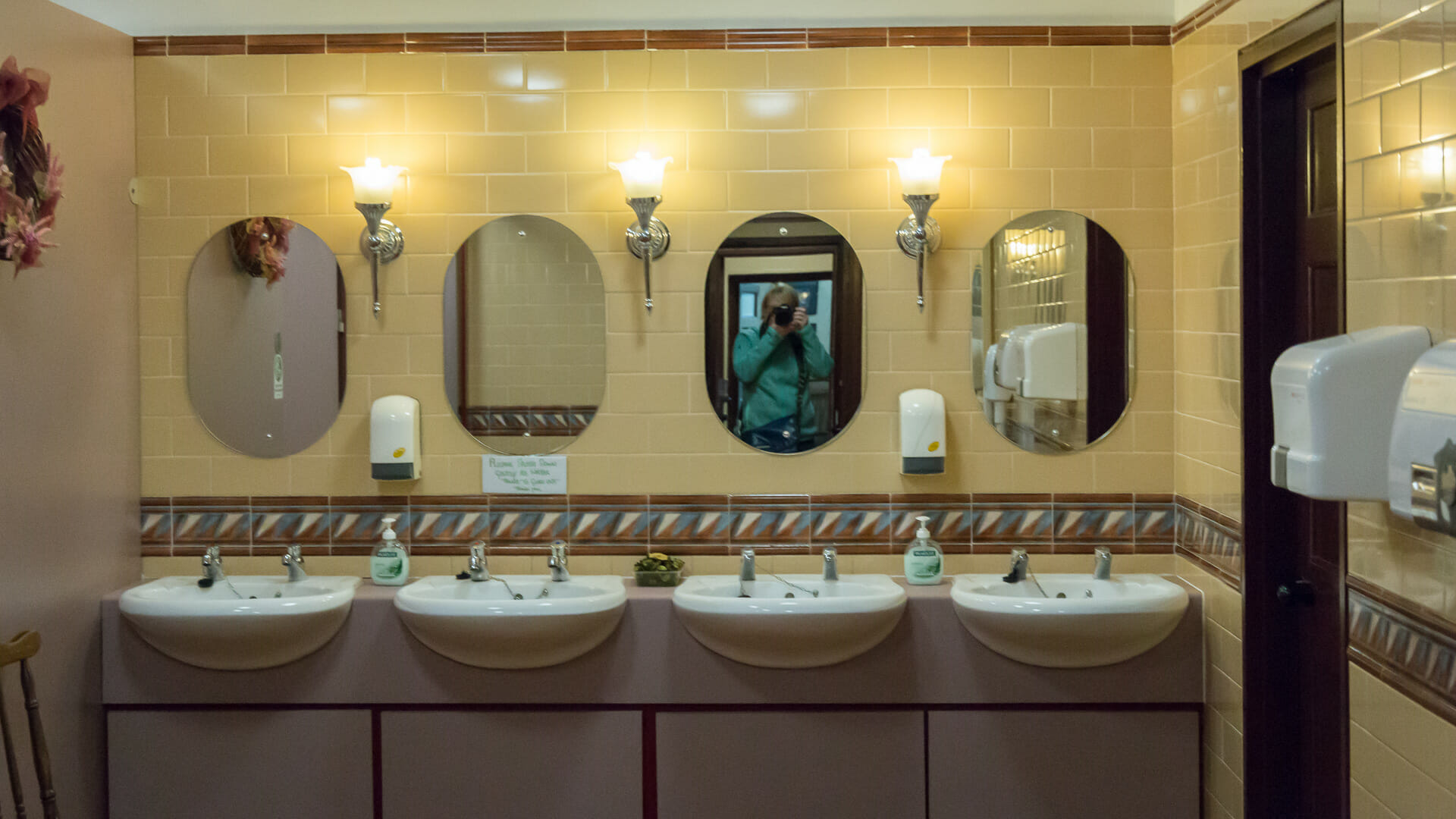
But don’t worry: if no gentleman happens to be relieving himself at the time, women are also welcome to step into the men’s toilet and admire its splendour.
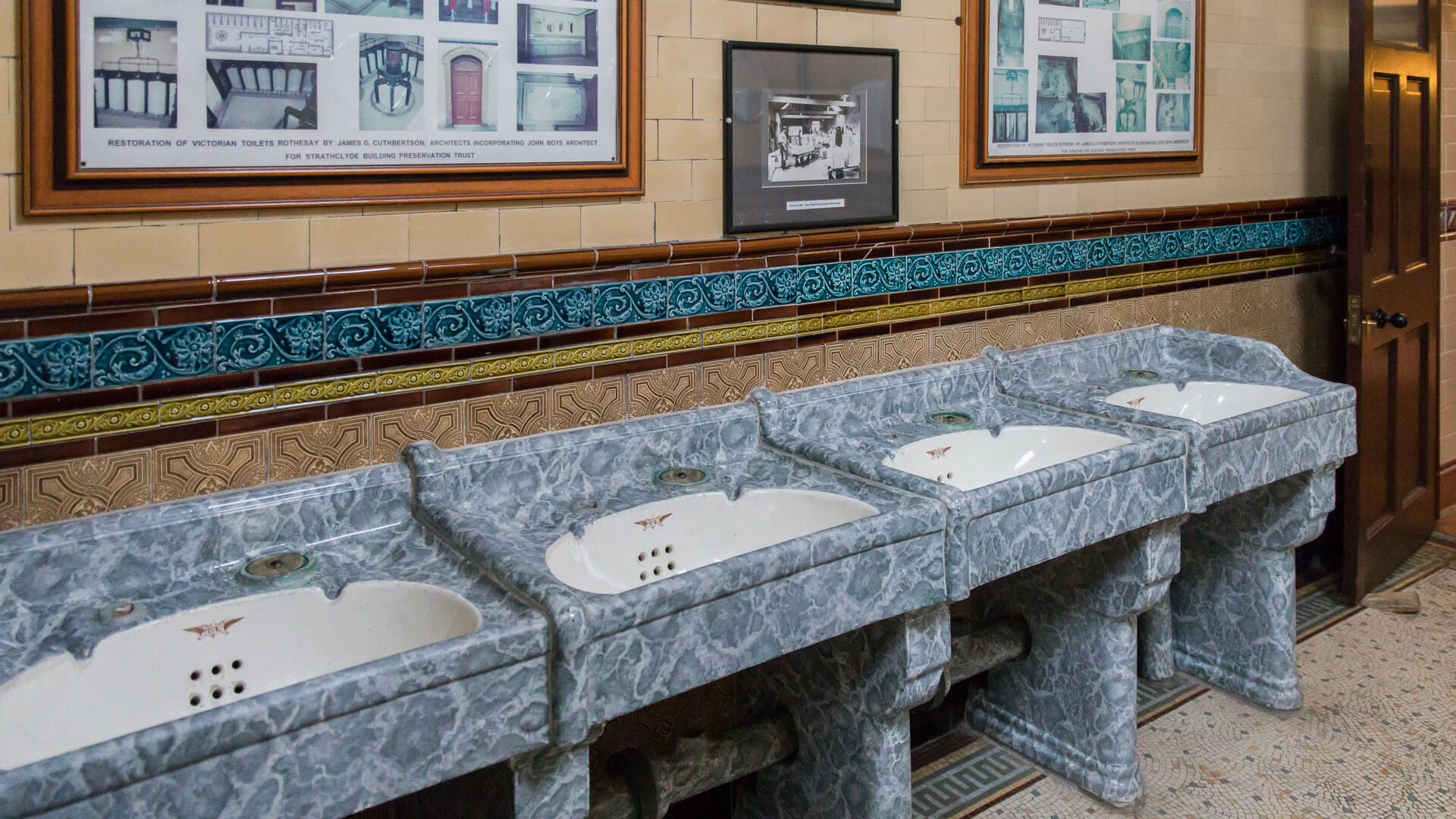
Anyone wanting to go in has to pay – the staff at the entrance see to that. The amount, though, is modest, and in return the toilet attendants are happy to share the odd interesting detail. They also told us, for instance, how women went to the toilet back in the 19th century: they simply didn’t.
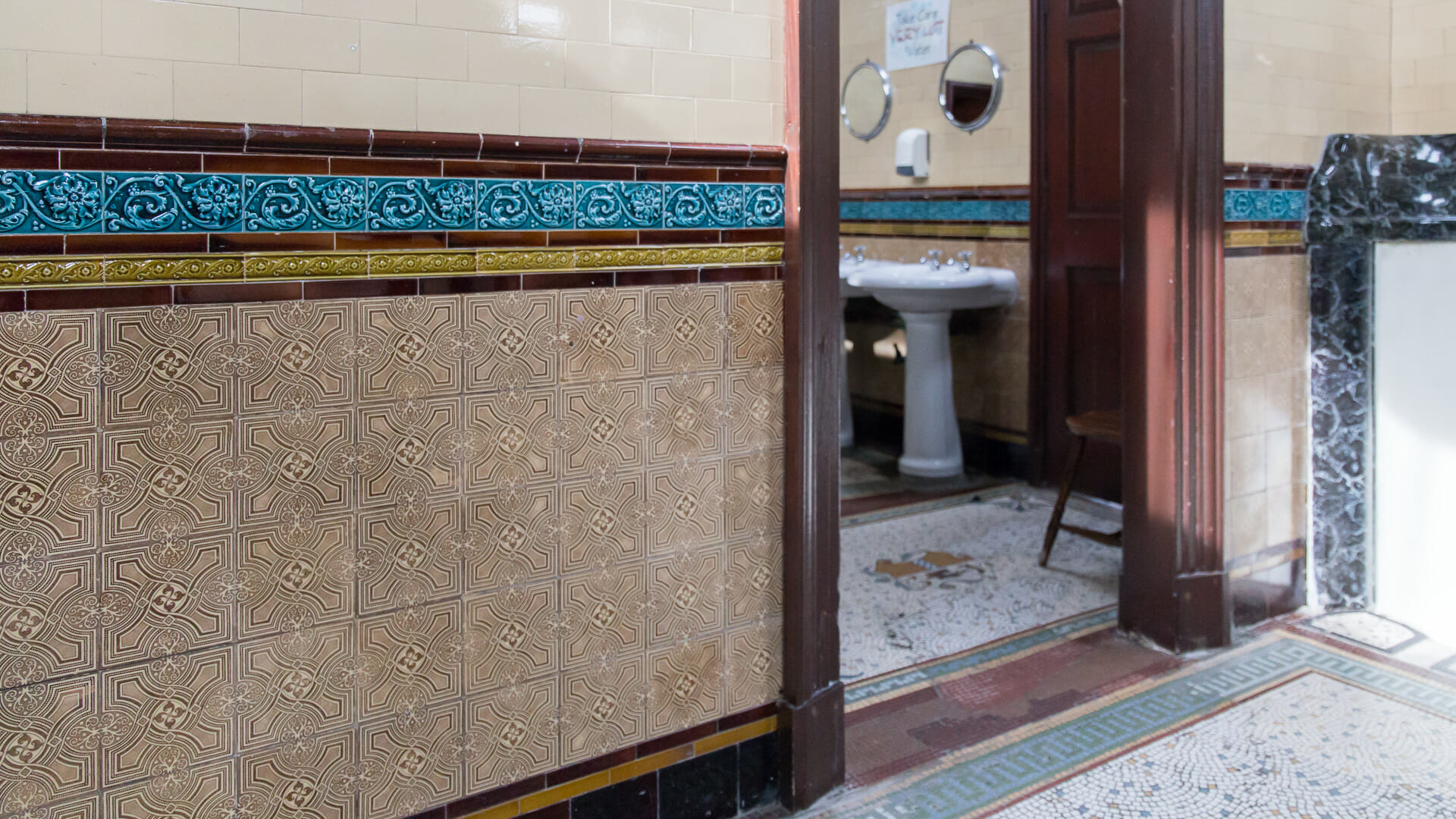
That’s no longer the case today. Alongside the ladies’ toilets, there are now also showers and a baby-changing area.
So if you’re waiting for the ferry from Rothesay to Wemyss Bay and want to pass the time, step out of the car for a few minutes and admire the wonderful Victorian Toilets right by the pier.
Did you know: the makers of the Victorian Toilets
The urinals really are works of art. They even bear a maker’s mark: Twyfords Ltd, Cliffe Vale Potteries, Hanley. Twyfords still exists today, and the company still manufactures sanitary ware. Around 1900, they fitted out palaces just as readily as public toilets. Even the ceramic itself has a name: The Adamant. “Adamant” refers to anything extremely hard-wearing.
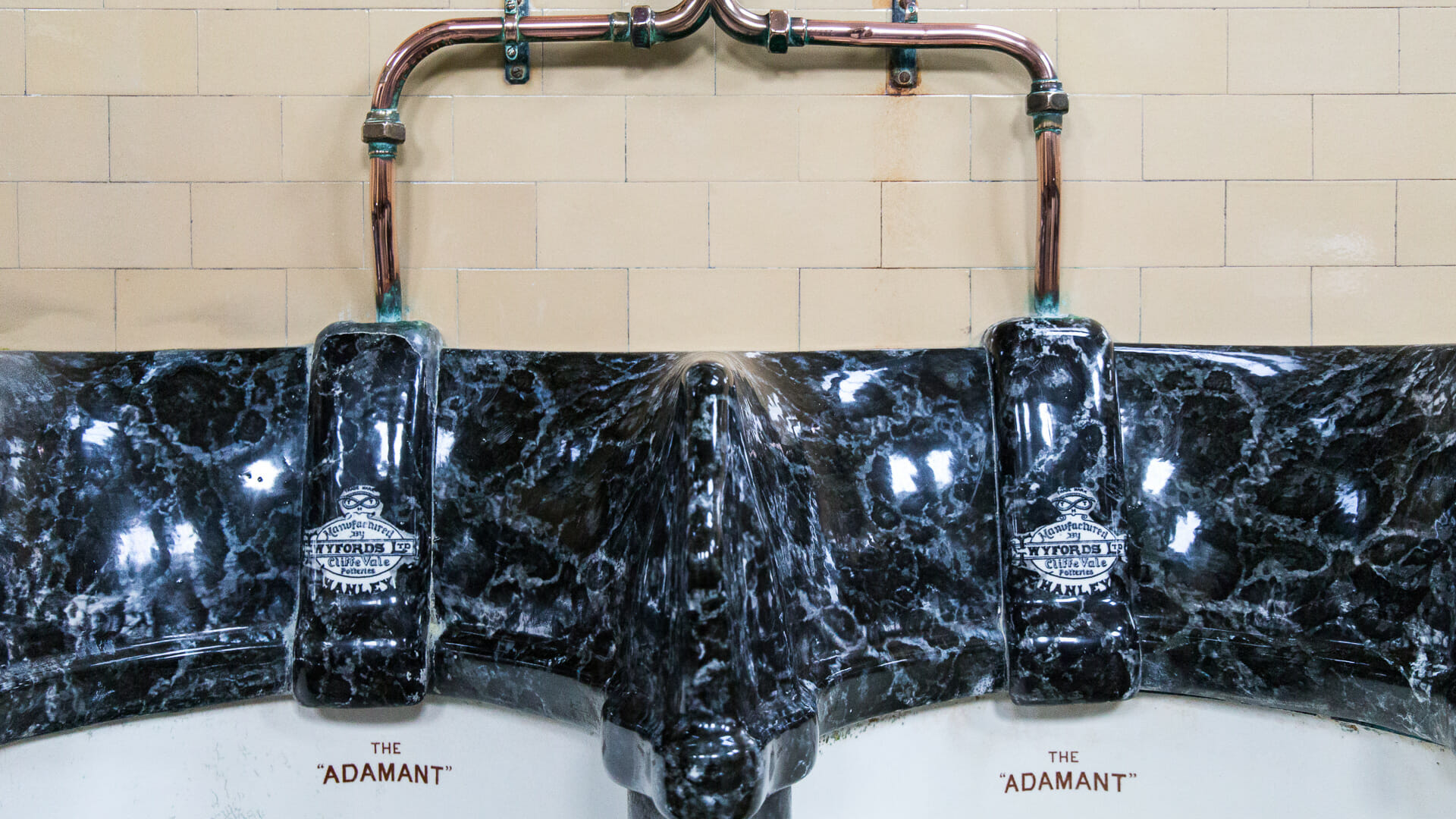
Although the black-and-green surround of the urinals looks like marble, it’s actually a very good imitation. The pattern was elaborately and carefully dabbed on by workers using linen pads.
The bowls for, shall we say, the bigger business, incidentally, also carry a special name: the Deluge. Admittedly, not the most reassuring name.
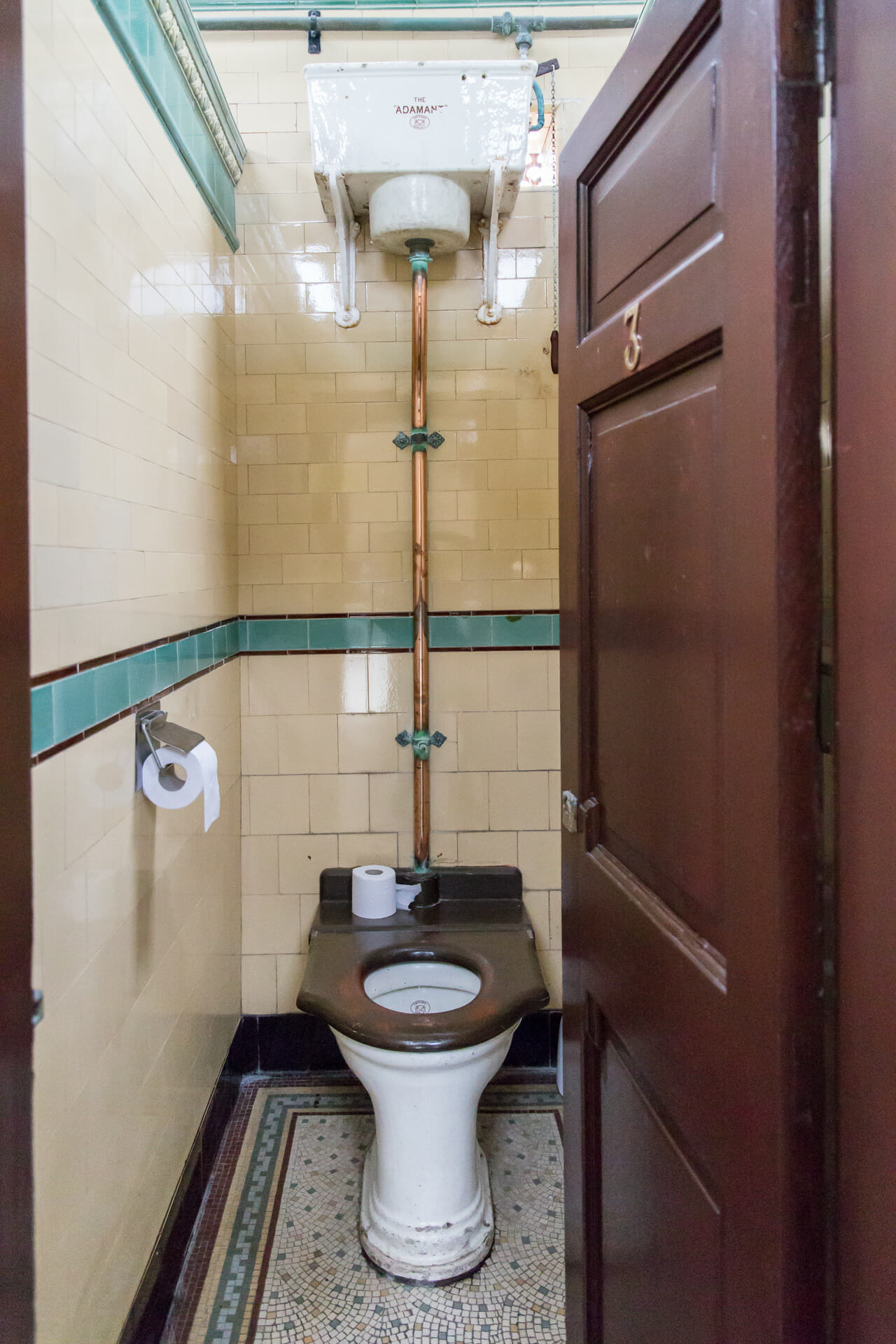
Today, the public, non-profit organisation Bute Victoriana Ltd looks after the upkeep of the toilets. And that’s a good thing, since journalist Lucinda Lambton published a book in 2007, “Temples of Convenience & Chambers of Delight”, about remarkable British toilets. She described the toilets of Rothesay as the “crown jewels of sanitary ware”. Calling them the most beautiful toilets in Scotland is therefore surely fair.
Tip: photos are allowed, as long as no one’s using the facilities
Naturally, the operators want word of the toilets’ beauty as an attraction to spread too. After all, their funding is always up for debate – in 2013, for instance, government support was cut almost in half.
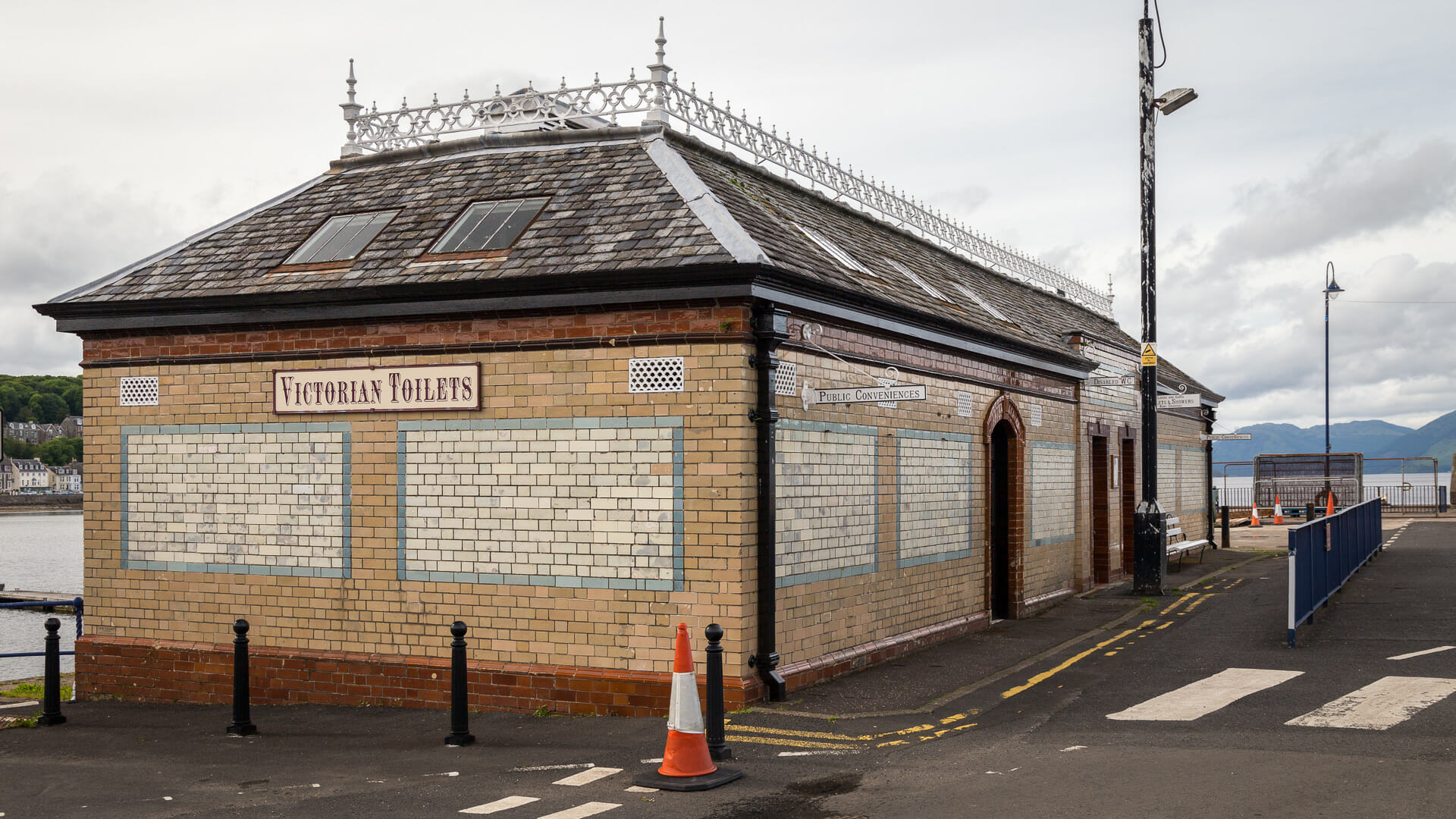
Getting there:
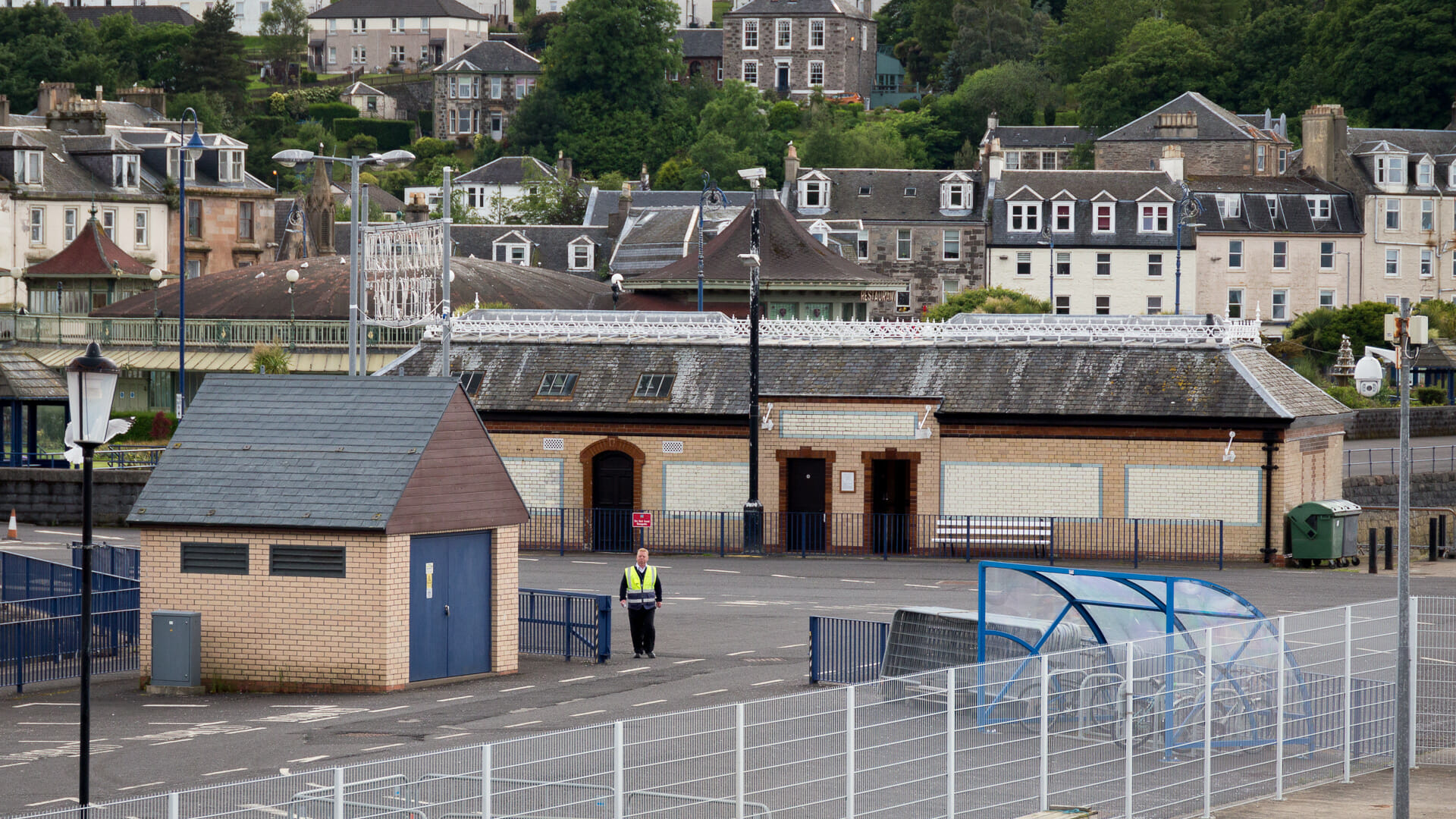
By sat nav: “PA20 0DA” will bring you to Rothesay. Head for the West Pier at the harbour there, right by the ferry terminal.
Without sat nav: driving off the ferry, you’ll see the toilet building straight away on your right. If you’re already exploring the island, simply look for the West Pier and ferry terminal in Rothesay – it branches off directly from the main road, the A844.