On the road between Loch Ness and Fort William stands a monument. At its top: seven gruesome heads. Here’s the story behind the Well of the Seven Heads.
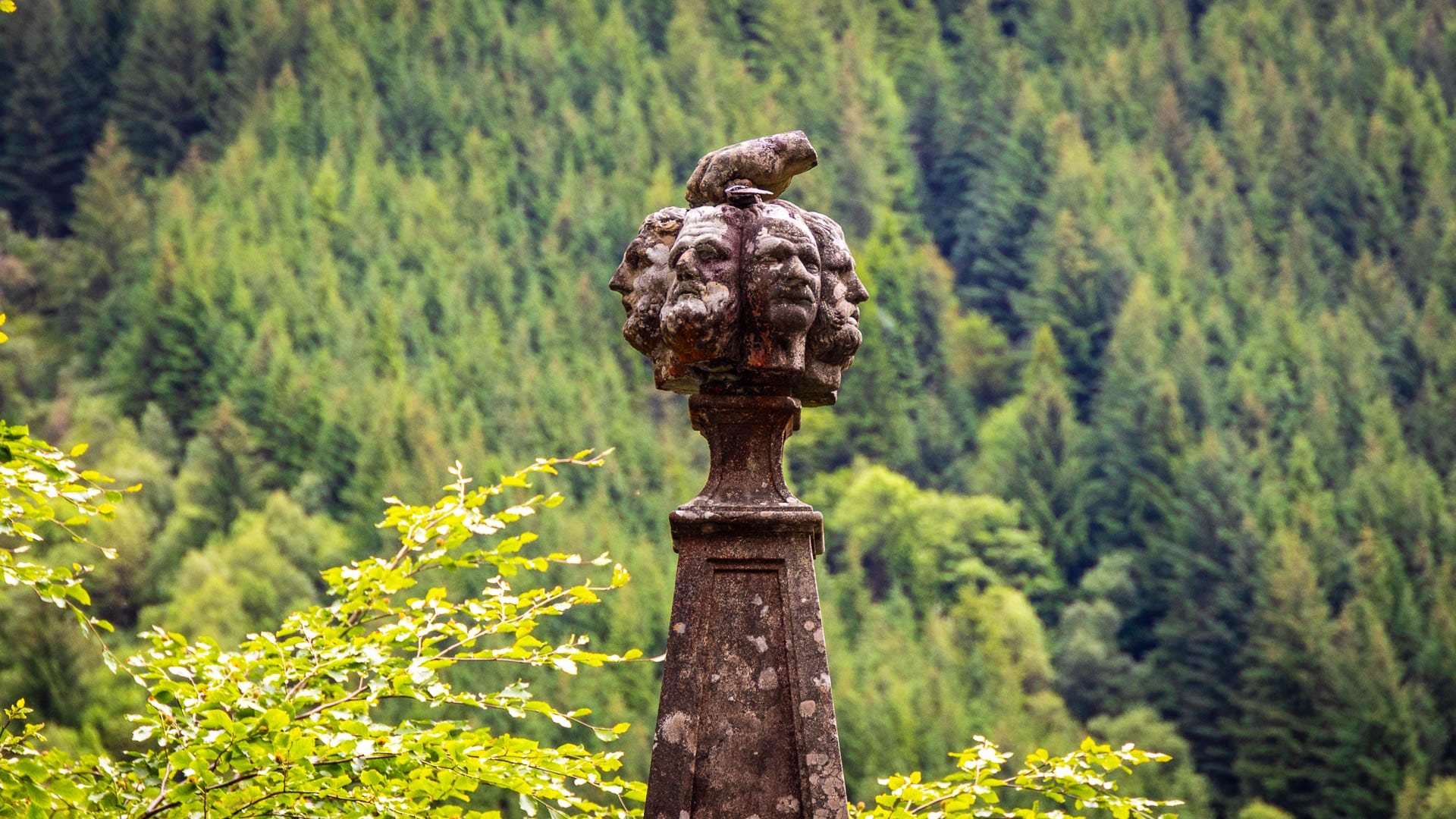
What would the Scottish Highlands be without their gruesome tales of loss, violence and revenge? The monument at the Well of the Seven Heads commemorates just such a story.
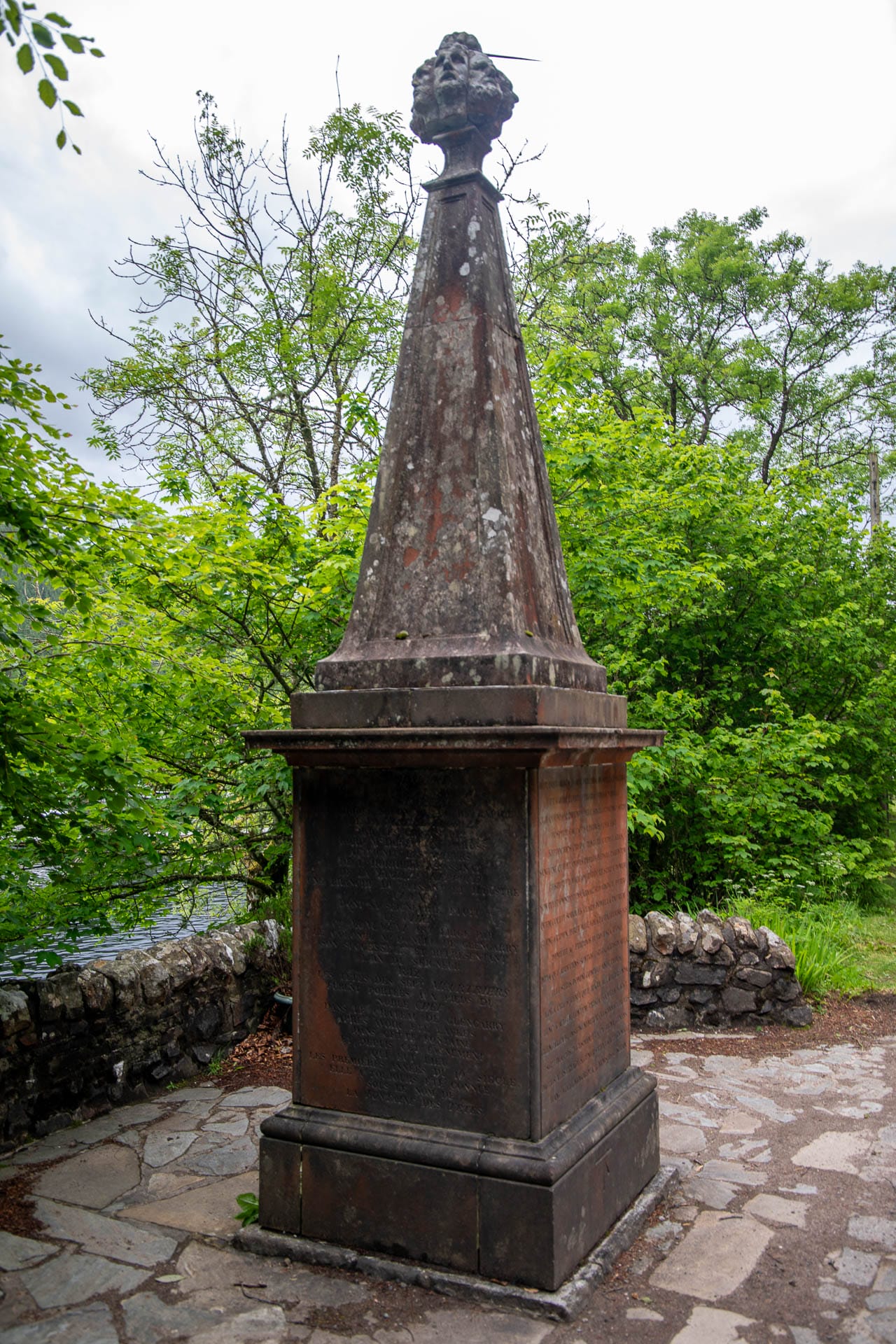
It’s easy to drive right past this obelisk with the gruesome heads on top. It doesn’t catch everyone’s eye along the A82 between Inverness and Fort William, on the shore of Loch Oich.
What you see is the monument itself, commemorating the Keppoch murders (the full story further below).
But a short distance behind it, steps lead down.
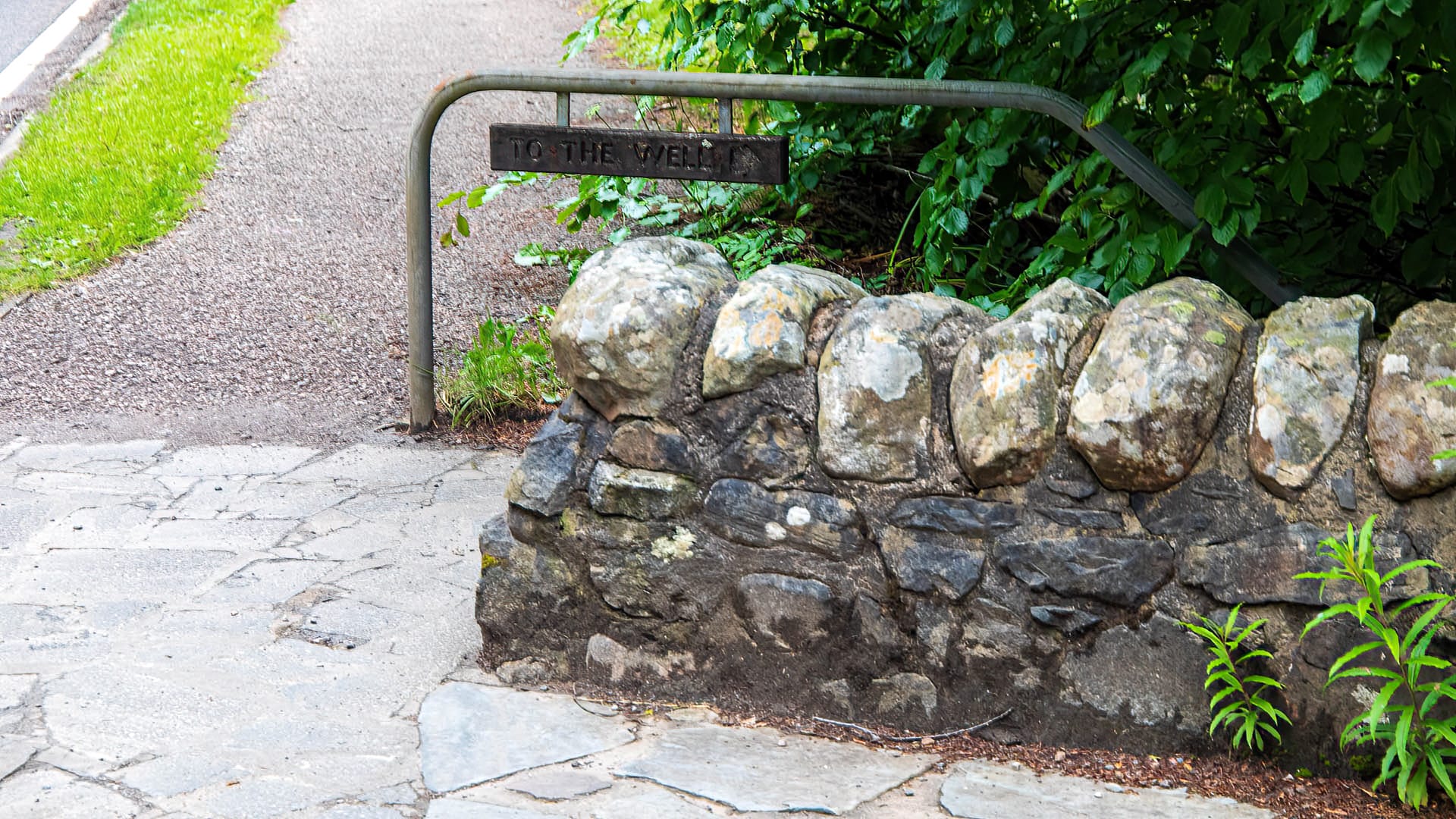
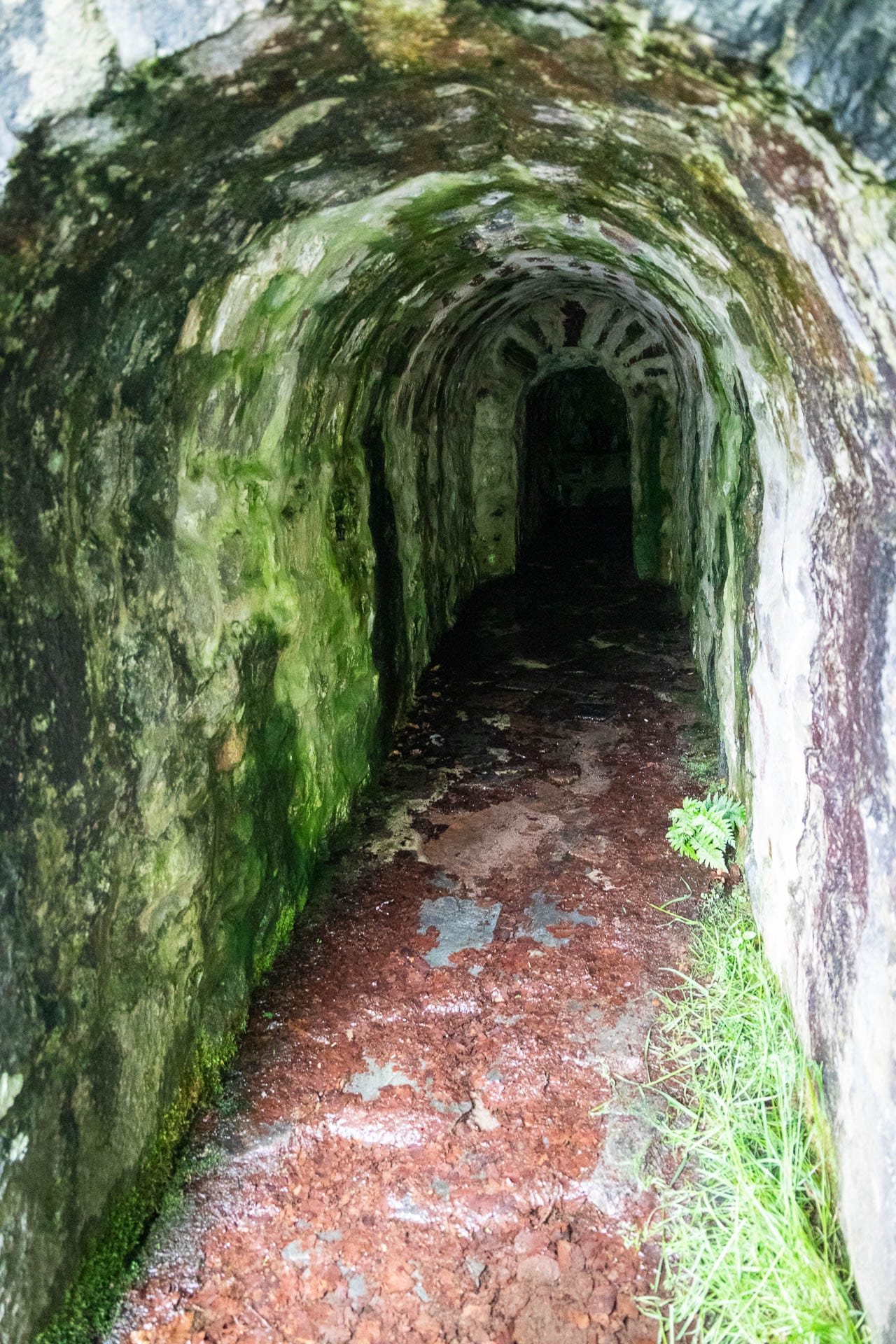
They lead down to the shore of the loch, from where a passage runs underground. This is where the Tobar nan Ceann itself rises – the well of the seven heads.
By the way: on the other side of the road there’s also a café with a small shop.
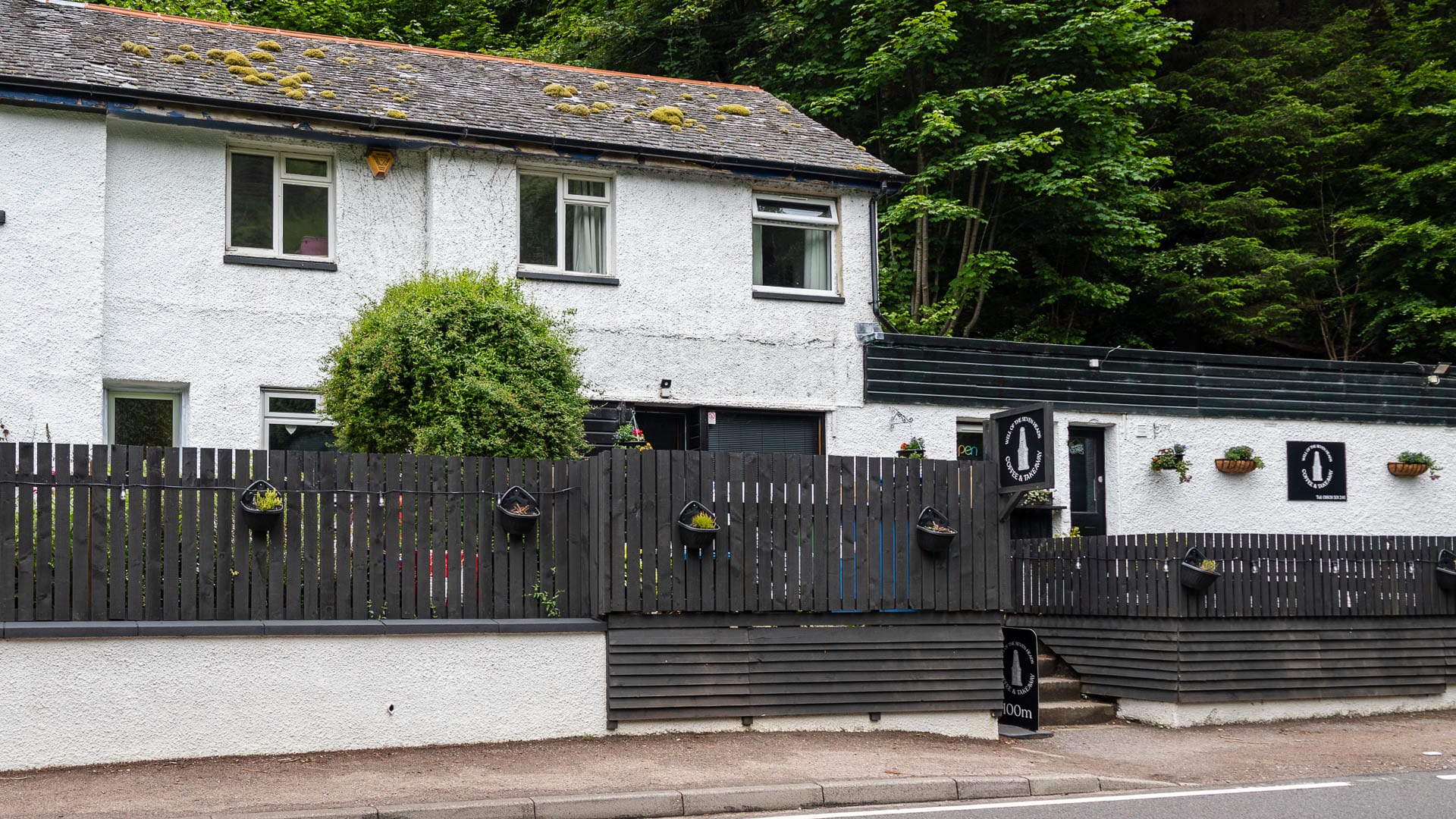
Admittedly, there’s little sense of romance to be found on this busy road. Still, a stop here is worthwhile.
Good to know: The Keppoch murders and the Well of the Seven Heads
So what is the story behind this monument? Why do seven gruesome heads at the top gaze out in every direction? And who were these people?
It began innocently enough on 25 September 1663, with a celebration. Various branches of Clan Donald were marking the return of Alasdair, then chief of the Keppoch branch, and his brother Raghnall. Both had been in Rome to further their education.
But before long, the festive mood turned and led to a deadly quarrel. The opponents were Alasdair MacDonald and his six sons.
Why the quarrel broke out isn’t entirely clear. Some sources say the murderers mocked the refined airs the returnees had picked up. Others say a full-blown murder plot against the clan chiefs was already under way. After all, they had also brought new ideas back with them from mainland Europe. On top of that, a long-simmering dispute over land ownership had been brewing for some time.
Whatever the motives, in the end Alasdair and his brother lay dead. The murderers didn’t even need to flee. It seemed no one wanted to avenge the deed.
No one, except for one man: Iain Lom, “bald John”. His actual name was Iain MacDonald, and he’s still known today as the Keppoch Bard. Iain was a learned and celebrated poet. And he was related to the victims. Iain Lom set out on a one-man mission of revenge.
He himself, of course, was in no position to take on the seven murderers physically. Iain was a poet, not a fighter. Sources also suggest he was likely physically impaired in some way. So he needed help, and turned to the powerful figures of the clan.
First to the MacDonald chief at Glengarry. But he refused to get involved. As did many others.
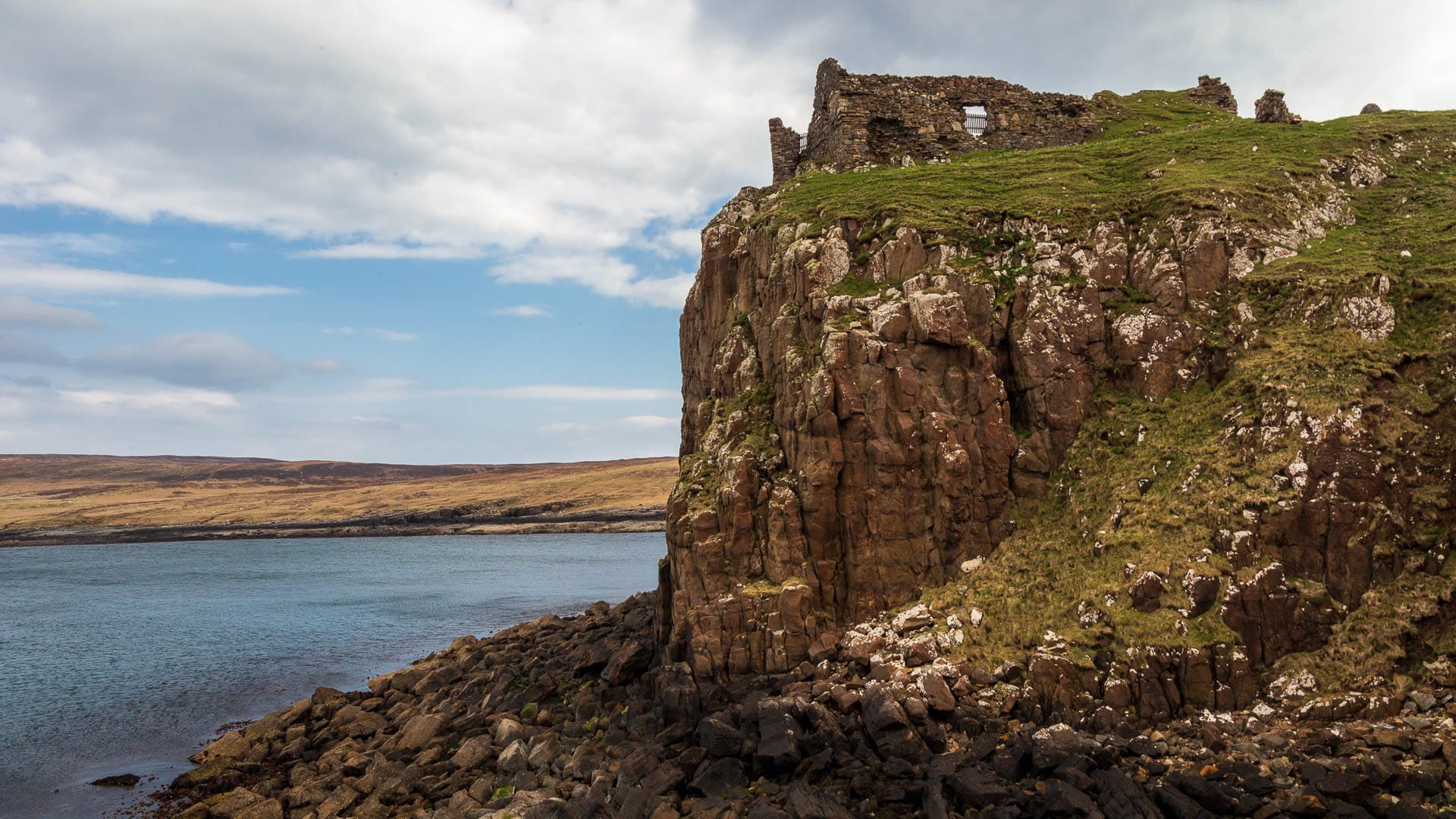
So Iain Lom had to travel all the way to the Isle of Skye. There, Sir James Mor MacDonald resided at Duntulm Castle. He had once been a foster father to both victims. Finally, after Iain addressed a fiery appeal to Sir James in the form of a poem, he received his help.
Sir James appealed to the Privy Council in Edinburgh and secured permission to send Iain Lom out with 50 men to capture the murderers. And that’s exactly what they did – two years after the murder.
The seven murderers were beheaded on the spot as soon as they were captured. Iain Lom collected the heads, tied them together, and set off for Invergarry Castle to present them as proof to the clan chief of Glengarry – the very chief who had refused him help. On the way there, he stopped at the well by Loch Oich, where he washed the heads so they could be clearly identified. That gave the well its name: Tobar nan Ceann – the Well of the Seven Heads.
The heads were later taken to Edinburgh, where they were mounted on spikes as a deterrent. Justice had finally been served – after such a long time.
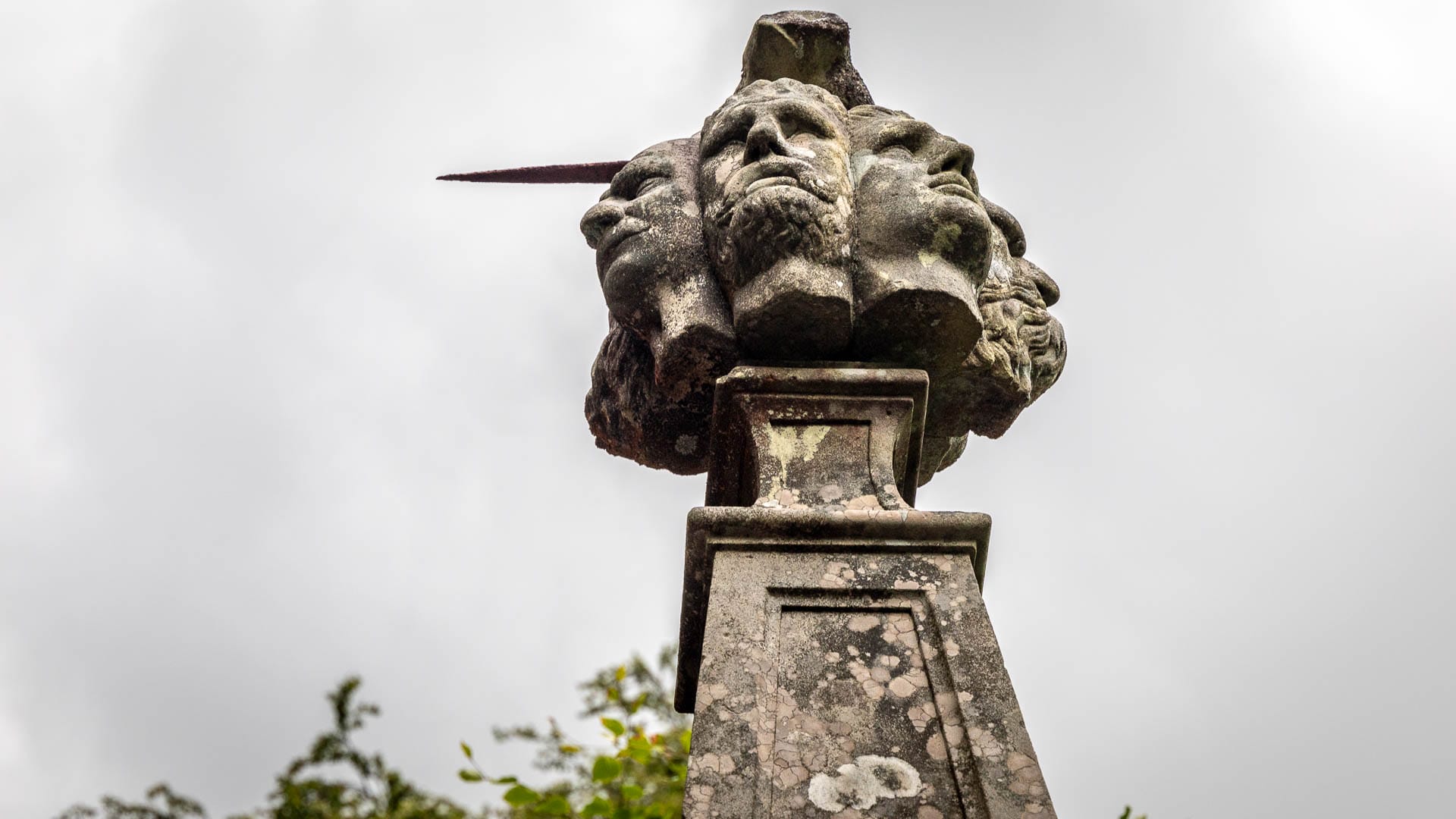
About 150 years later, the MacDonell clan chief had a monument erected at the Well of the Seven Heads. The story is engraved on every side, in Gaelic, English, Latin and French – as a warning and a reminder of the Keppoch murders.
And by the way: that this story isn’t pure invention is confirmed by excavations near Inverlair, where seven skeletons without skulls were found.
Getting there
With a sat nav: Entering “PH34 4EB” takes you straight there.
Without a sat nav: Coming from Loch Ness and Inverness, you reach the turn-off towards Kyle of Lochalsh and cross the Invergarry Bridge. The road then runs alongside Loch Oich. After a while, a longer bay appears on the left, marked with a car park sign. In the distance, on the right, you’ll see a white house (the café). Cover the rest carefully on foot.
Coming from Fort William, you cross the iron swing bridge on Loch Oich. Shortly after, the large Loch Oich car park appears on the right. You can park here already and walk along the pavement opposite. Or drive on to the café and park there.
Note: This road really is very busy. Please take great care when crossing.
