The Crinan Canal is regarded as Scotland’s most beautiful shortcut. And indeed, this 14-kilometre waterway runs through a wonderful landscape.
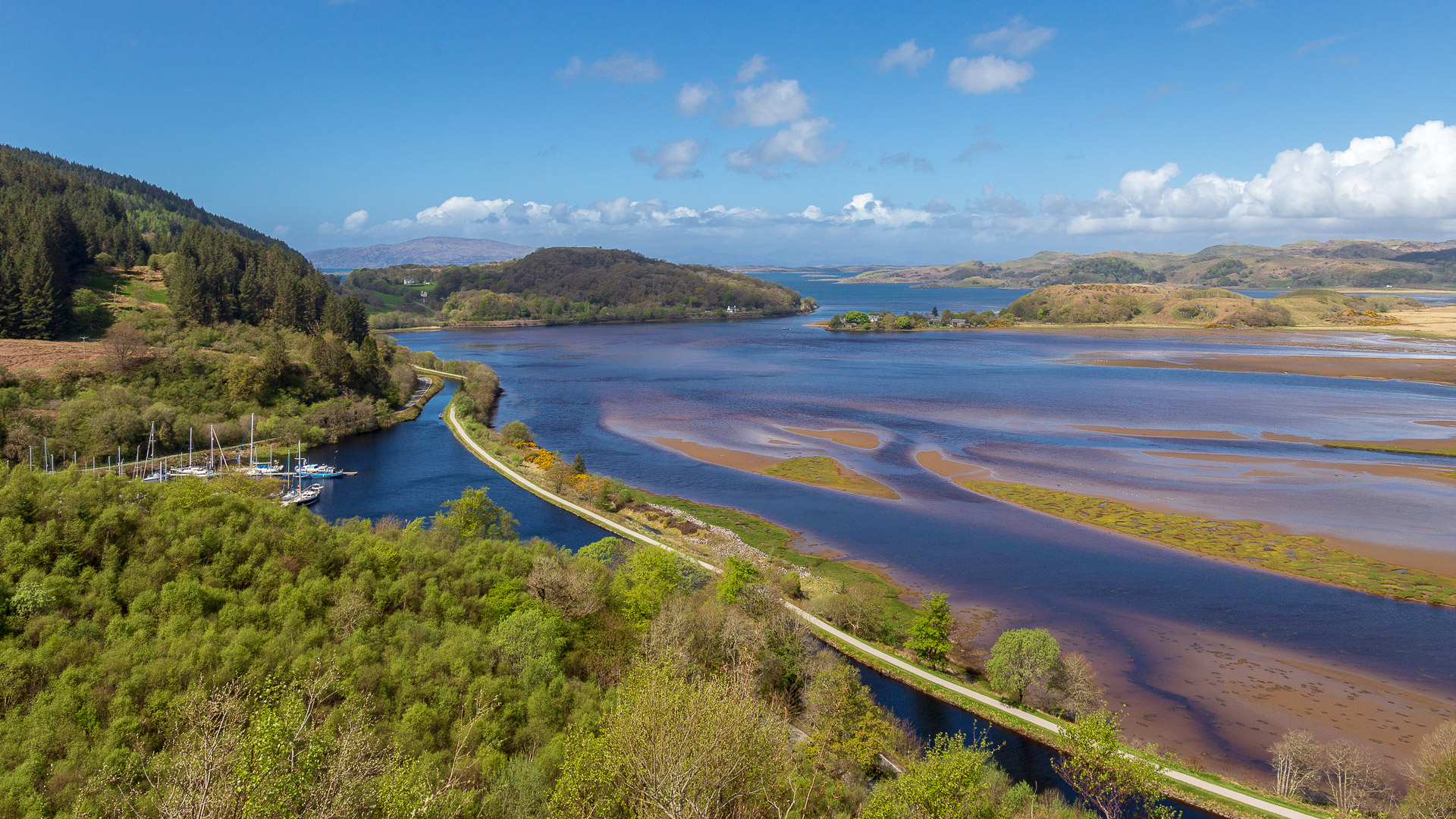
The Crinan Canal passes historic sites such as the coronation stone of Dunadd and the Moine Mhòr Nature Reserve. Shortly before the Crinan Canal flows into Loch Crinan, the River Add meets it at its mouth, creating an enchanting backdrop of water, sand and green. And that’s exactly what today’s boaters come here for: beauty and relaxation.
The Crinan Canal, however, was of course built for economic reasons. At a time when there were no lorries yet, horse-drawn barges and steamships offered the best way to distribute large quantities of goods along the coasts. Shipping traffic formed the lifeblood of the Highlands.
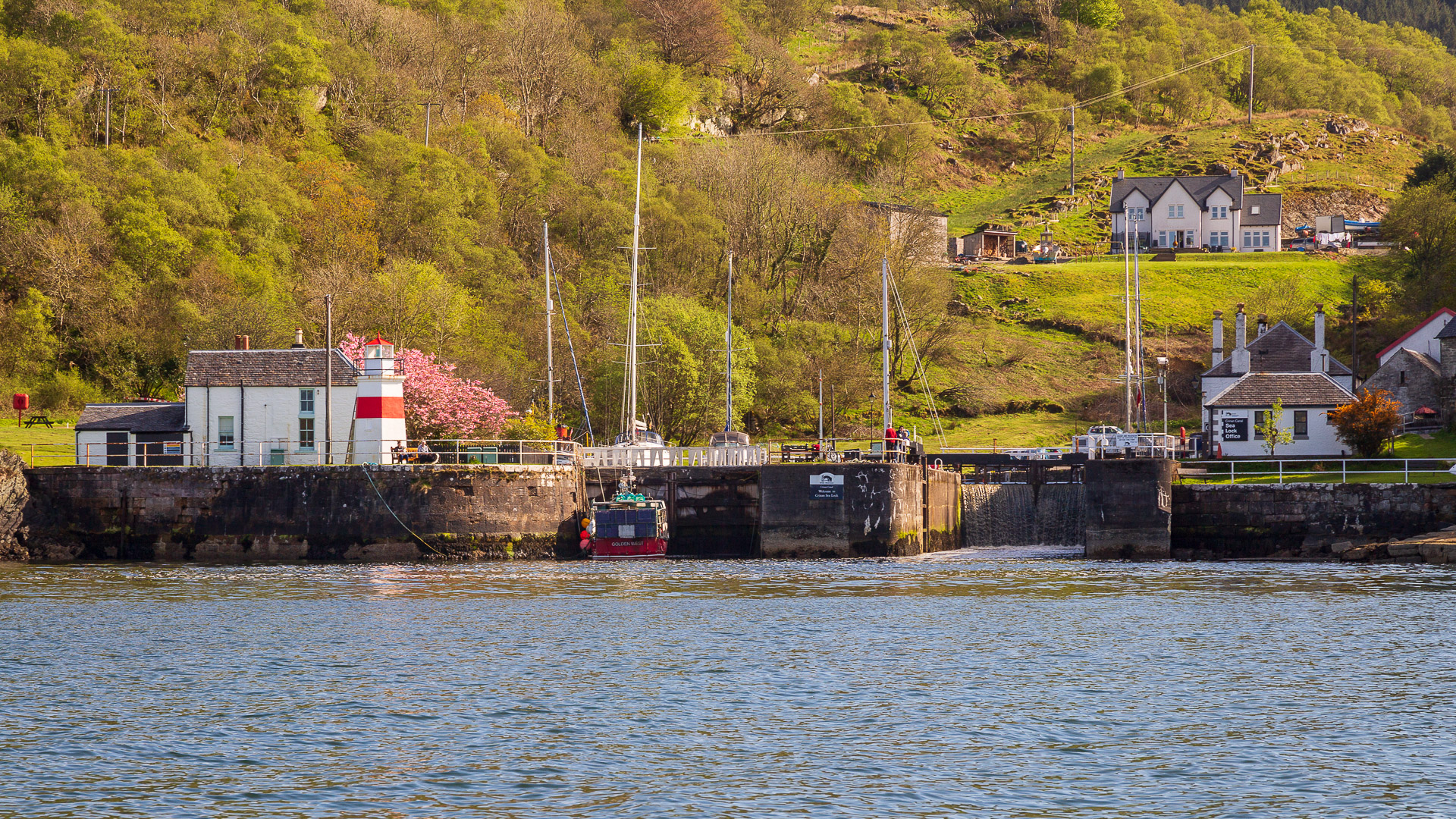
Many goods came from, or were bound for, Glasgow, the city that in the 19th and early 20th centuries was a major seaport, shipbuilding and industrial hub. It also supplied islands like Islay, and brought whisky back from there.
The trouble was that the peninsula of Knapdale and Kintyre pushed like a wall between the two areas. And its tip, the Mull of Kintyre, was notorious among skippers for its currents.
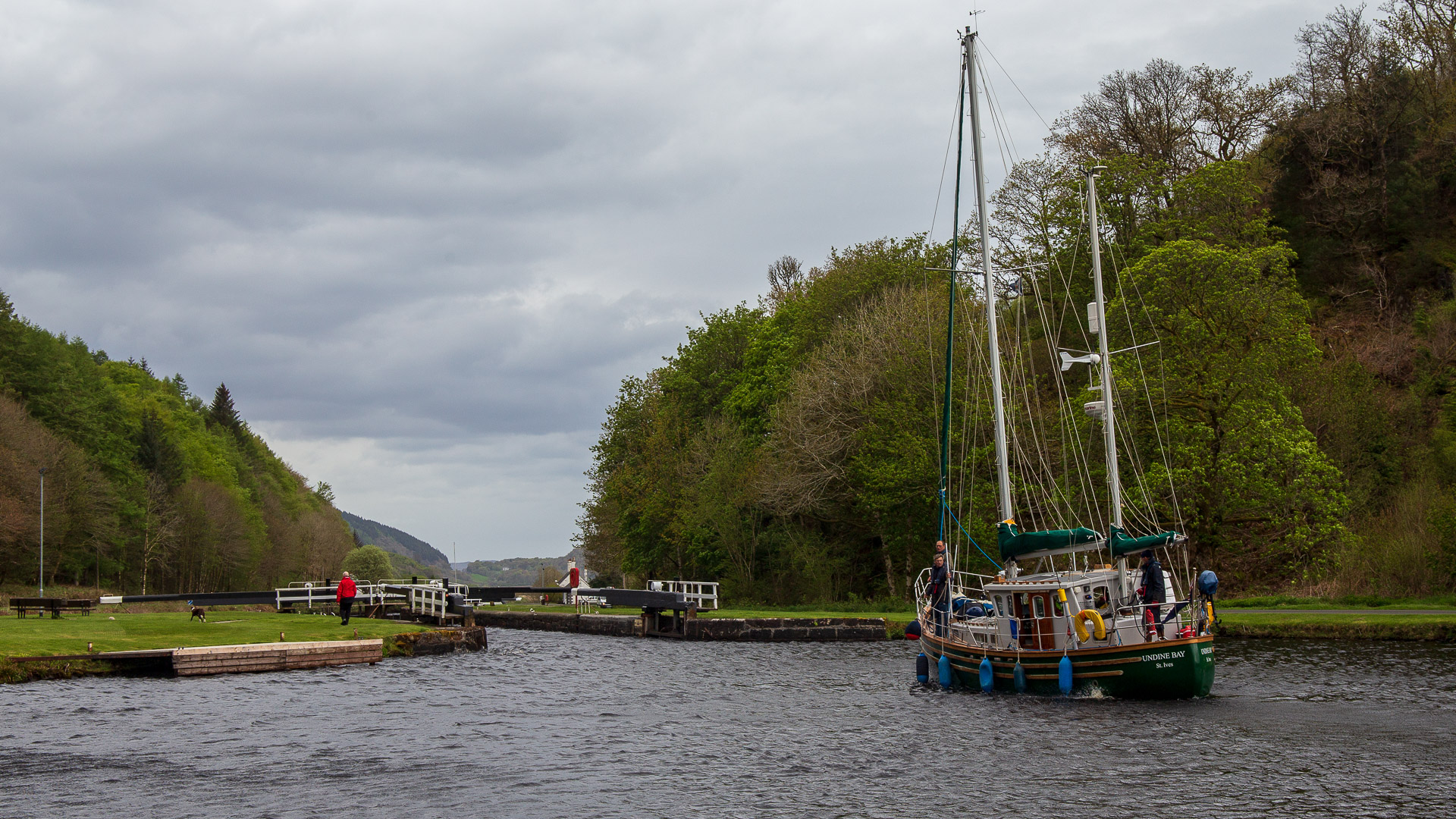
So, as early as 1809, a canal was opened that offered a safe shortcut straight across Knapdale: the Crinan Canal, between Ardrishaig and Loch Crinan. And it was put to good use. By the middle of the 19th century, its operators had already counted 33,000 passengers, 27,000 sheep and 2,000 cattle who had taken the route via the canal.
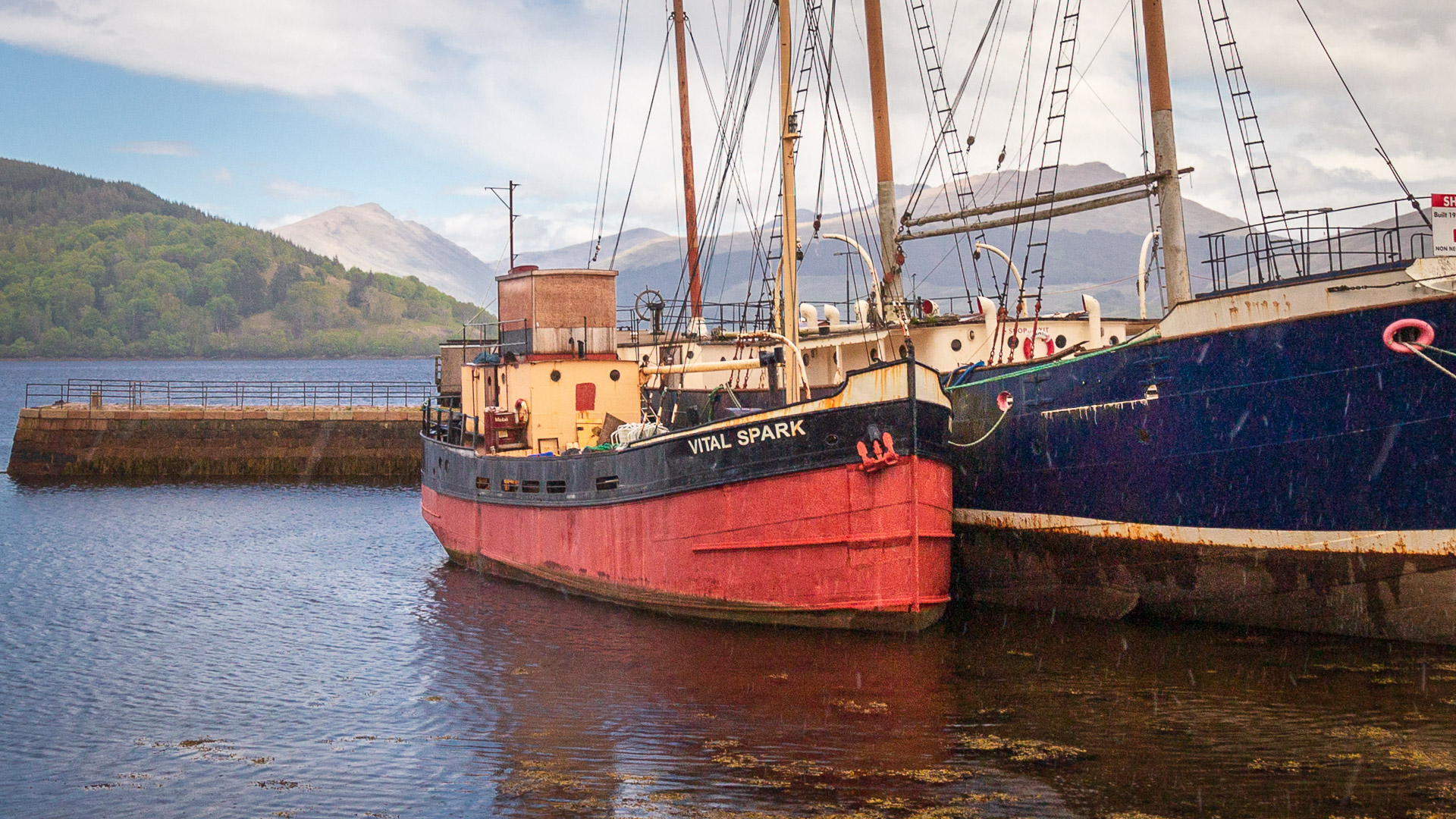
From around 1850, the Clyde Puffers came into fashion. Small steamships that called at every remote corner of the Highlands & Islands and could dock at even the tiniest harbours. They too made heavy use of the shortcut. One such puffer is in fact still preserved at Crinan: the VIC 32 can even be chartered. And another puffer lies not too far away, at the pier in Inveraray: the Vital Spark.
From 1866 onwards there was also the Linnet, a 26-metre boat that plied up and down the canal carrying passengers, who liked to go ashore at the locks at Cairnbaan and Dunardry. (Pictures of the Linnet on this page.)
Dunardry is a great spot to enjoy the canal anyway. Not only can visitors watch how the lock gates are forced open with their huge levers.
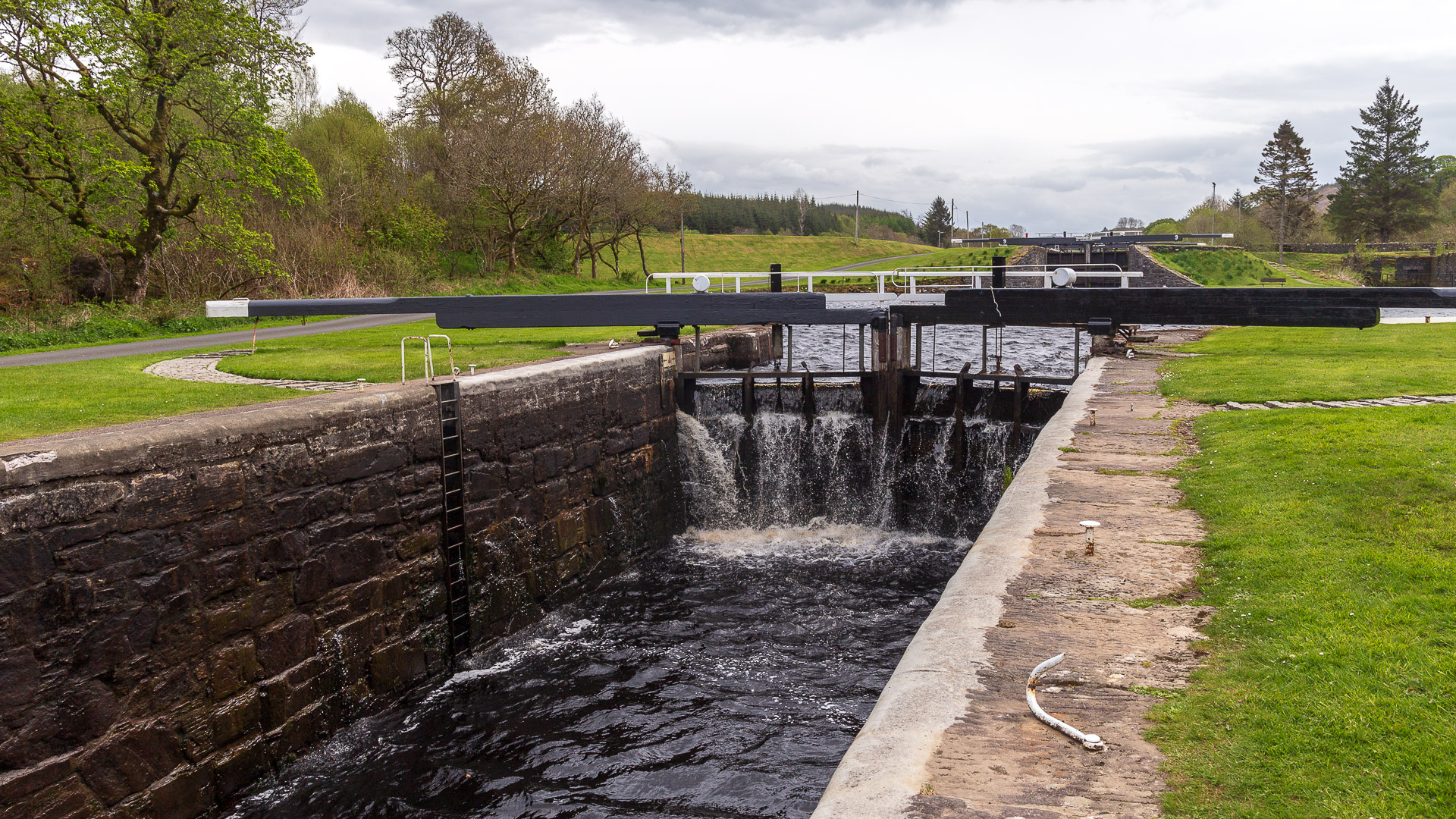
The remains of the former boathouse of the Linnet can also still be seen here.
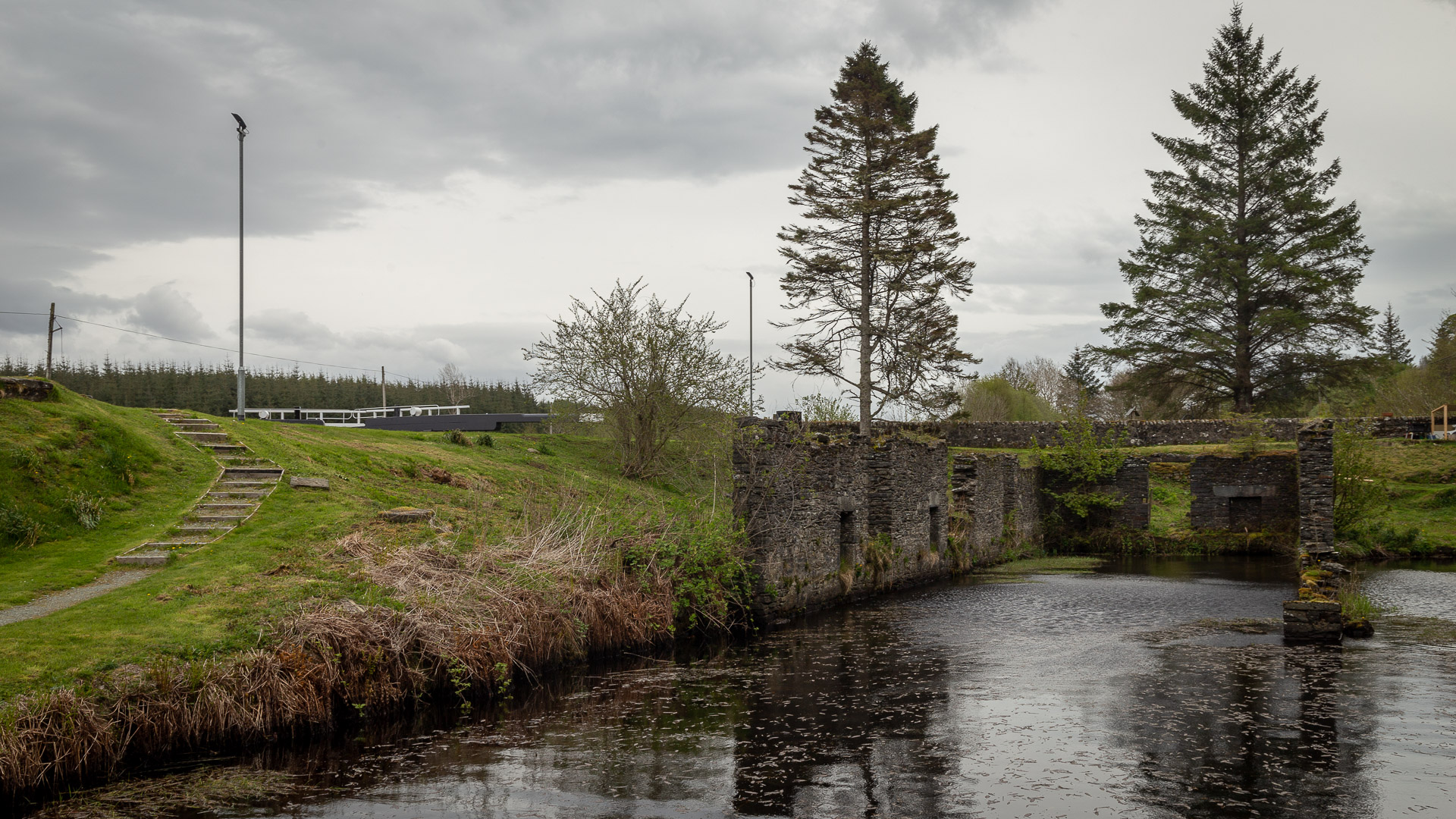
For tourists stopping at Kilmartin and Dunadd, a side trip to Crinan and a stop at the canal’s locks at Dunardry is well worthwhile.
Did you know: A stroke of misfortune for the young Crinan Canal
Many canals need inland water reservoirs to keep the water level constant. The Crinan Canal, too, had such huge reservoirs when it was completed in 1801, though not yet opened. Even by then, the construction of the canal had been plagued by misfortune and financial trouble. And it continued. In 1805, a dam burst near the outlet at Ardrishaig. The route of the canal then had to be relaid once again. It wasn’t until 1809 that the waterway could finally be opened.
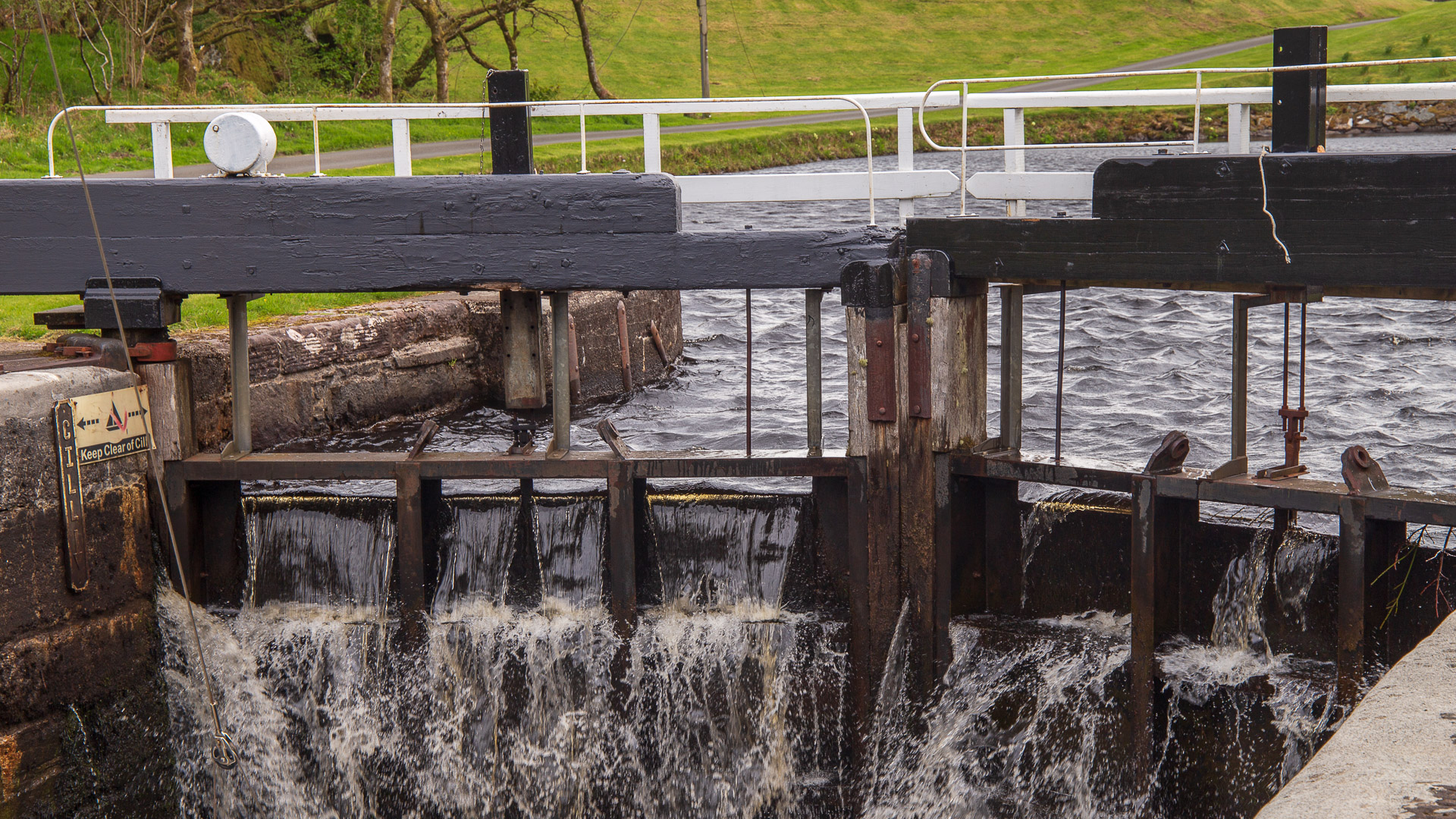
But a storm in 1811 was the last straw – or rather, made the reservoirs overflow. One of them burst, and its masses of water shot down both sides of the canal, along with mud and stones. The floods tore apart lock gates and damaged the banks as well as the roads running alongside. That, however, was also the last major disaster to this day.
Tips: Crinan and its surroundings
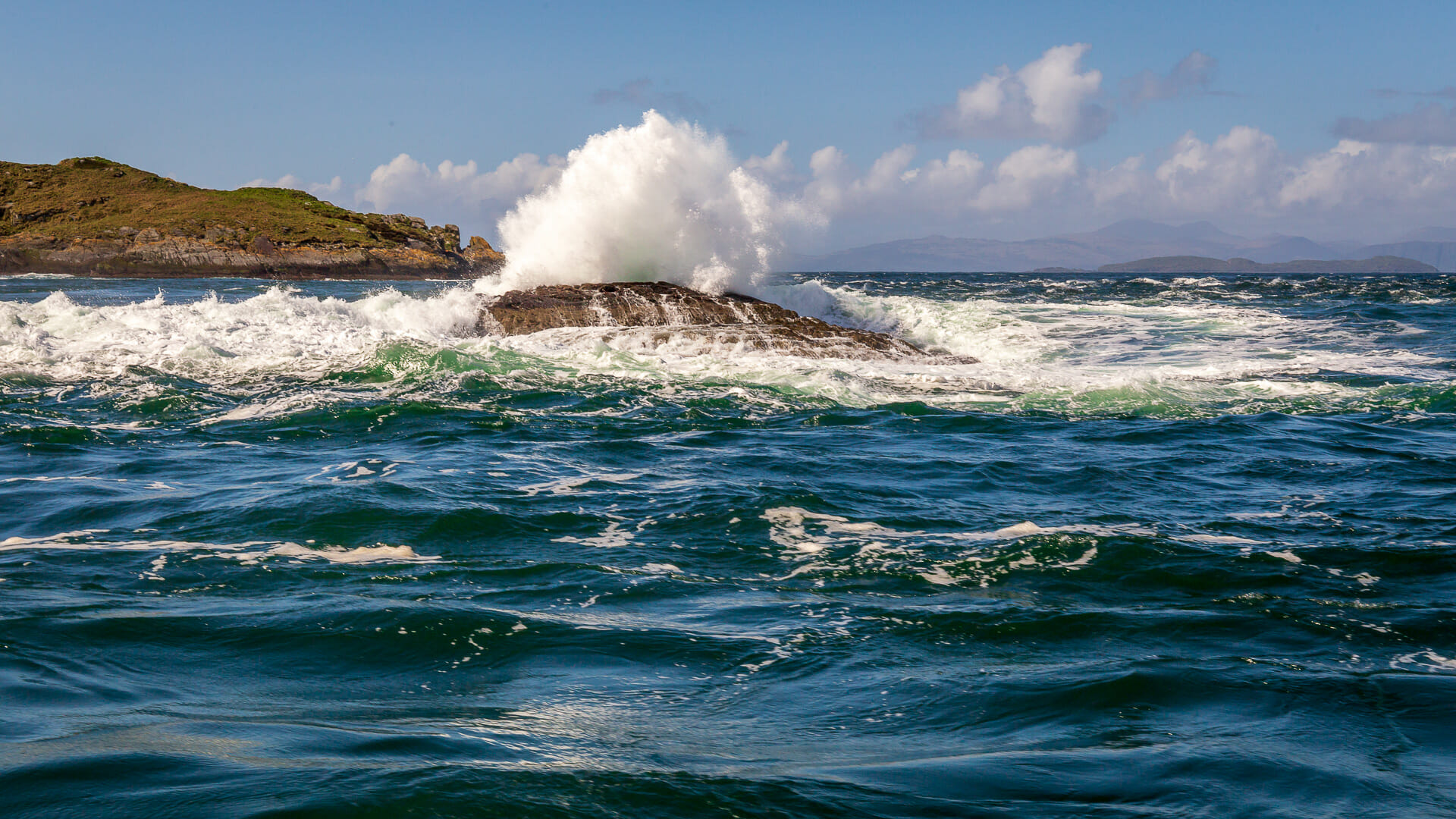
There’s plenty to do at the canal’s end in Crinan. For one, there are circular walking routes here described on Walkhighlands. For another, you can also set out from here on the famous boat trip to the Corryvreckan whirlpool.
Not far away also lies the Tayvallich rainforest.
Getting there:
With a sat nav: The postcode PA31 8UE takes you right to the area.
Without a sat nav: Coming from Kilmartin heading south or from Lochgilphead heading north, take the A816 until signs for Cairnbaan and Crinan appear, leading onto the A841. It runs alongside the canal, either to the car park at Dunardry or further on to Crinan.