“Dominus Insularum” – as ruler of the isles, that’s how he signed his letter. In doing so, he created a new realm that would soon be more powerful than its neighbour Scotland. He was John of Islay. The year: 1336 AD. The letter went to the King of England, and dealt with power, land, and betrayal.
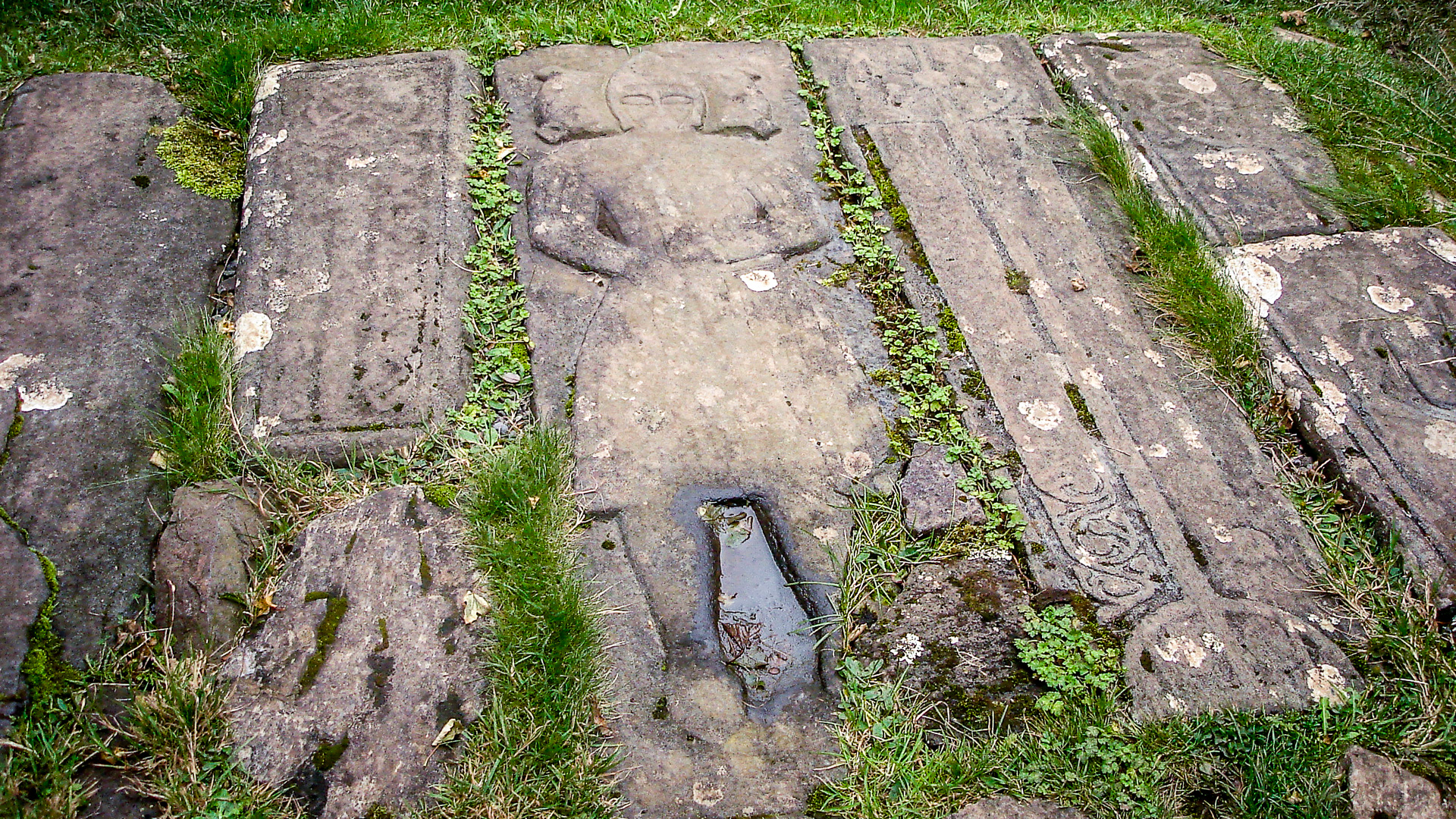
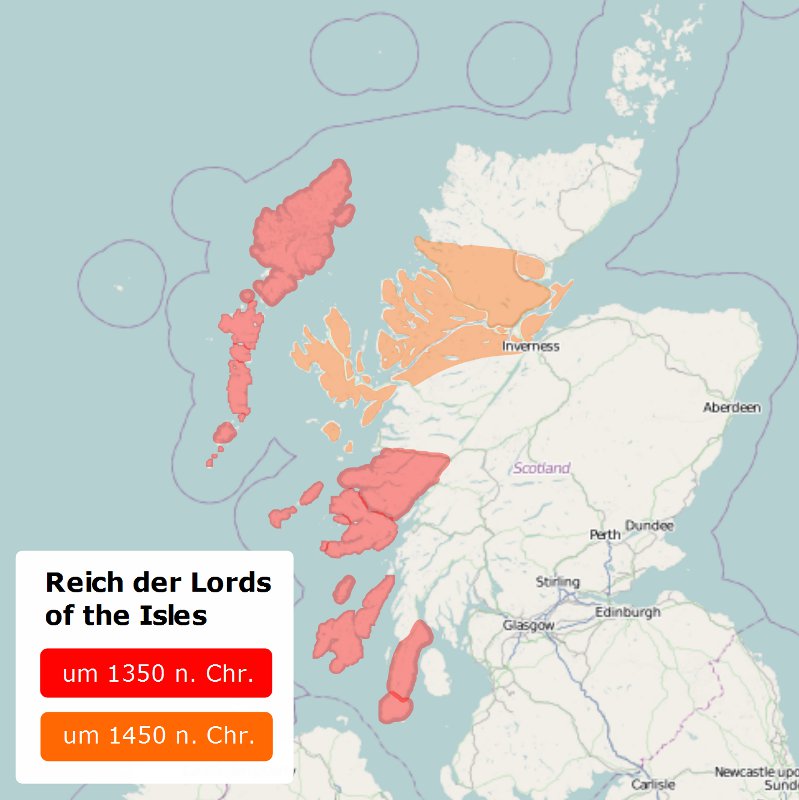
By signing the letter, John had effectively made himself the first Lord of the Isles. But the territory had already been claimed by him and his ancestors for some time. His realm encompassed several of the Inner Hebrides, including Islay, Jura, Mull, and the smaller islands of Colonsay, Coll and Tiree; as well as parts of the Scottish west coast such as Kintyre, Knapdale, Ardnamurchan, Morvern and Glencoe.
John had inherited the lands from the ruling line directly descended from the legendary Somerled – that man who had driven the Vikings from the isles. John was thus one of the forefathers of Clan Donald.
The realm rested on shifting alliances
The letter to Edward had a purpose that the Scottish king wouldn’t have liked: in it, John confirmed his support for the English in a campaign against their neighbour on the mainland. In return, the English ruler was to guarantee that the Lord’s landholdings would remain secure.
In fact, the island realm was built on shifting alliances. A large part of the land had been granted to John’s ancestors as a reward for helping the famous Robert the Bruce in his wars of independence against England.
But what use are old alliances? John had good instincts for his time, and now allied himself against Scotland – yet he never took the initiative himself, holding back on any concrete support. He skilfully played the two rivals off against each other.
Indeed: Scotland and England fought each other throughout John of Islay’s entire life. When two parties quarrel, a third benefits. So the Lord of the Isles gained further lands from the Scottish crown, and was able to quietly secure his rule over the Outer Hebrides.
One thing was important here: John avoided calling himself king, and never officially challenged the Scottish crown (only, perhaps, its holder). While his island realm was de facto independent – since the Scottish king had no power over its warriors – the Scots could always keep up appearances that they were the true rulers.
The power of the Lords of the Isles
A few islands and a stretch of coastline – how could that soon become more powerful than the Scottish kingdom?
For one thing, the Scottish king in fact only controlled the Lowlands, that is, the south of Scotland. He couldn’t really govern the Highlands with their clans. The clans actually tended to listen more to the Lords of the Isles, since they shared the clan system, whereas feudal rule had already been established in the Lowlands – unthinkable for the freedom-loving Highlanders!
And then the islanders of the Lordship had something the Scots didn’t: a fleet of agile galleys, further developments of the old Viking ships, which carried their warriors anywhere they needed to go. And almost every man of the realm – which was hardly less populous than Scotland – was a warrior.
Yet power wasn’t built on an army alone. The galleys could also carry goods much faster to much more distant places – to Ireland, England or Europe, for example. Trade was a pillar of the Lords of the Isles’ power. While Scotland exhausted itself in wars, the economy flourished on the islands.
John of Islay supported this peaceful development of trade wherever he could. He also promoted the arts and helped found churches. These efforts soon earned him the nickname “Good John of Islay”. And in this way he ensured a relative prosperity, on which his power also rested.
Finlaggan – the heart of the realm
The Lord of the Isles ruled from a small island. This island, however, wasn’t in the sea, but in a freshwater loch on Islay. At his side, the ruler had a council, the Council of the Isles.
Even today you can visit the ruins of the buildings at Finlaggan, and get a sense of how councils and celebrations once took place here.
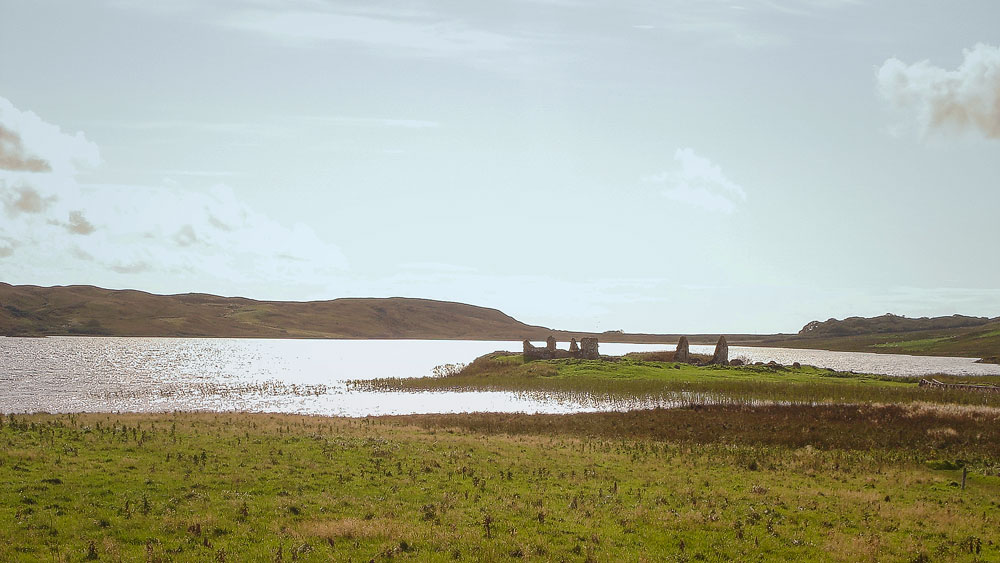
It was only the last Lord of the Isles who moved his seat of government away from Islay to the mainland – to the displeasure of his subjects …
How the island realm fell
John, the first Lord, was a skilled politician. He rarely waged wars himself, but married twice, formed alliances cleverly, and thereby gained land, consolidating his realm.
But unfortunately: his three successors proved less diplomatic, repeatedly clashing with an increasingly powerful Scotland. And so the Lordship of the Isles existed for only about 180 years.
Already John’s son Donald wanted to claim the earldom of Ross for himself, and thereby came into conflict with its ruler, the Duke of Albany. Donald lost the battle over the land, but got off relatively lightly.
Donald’s son Alexander then clashed directly with the Scottish king James I over the earldom of Ross. The king promptly had the island lord imprisoned and attacked Alexander’s realm to bring it under his control. Clan Donald managed to repel this attack at Inverlochy; Alexander was freed again and – for the sake of peace – even achieved his goal: he was allowed to call himself Earl of Ross from then on, and for a time even gained Dingwall and Inverness in the east of Scotland as well. The island of Skye also fell into his hands from 1438 onward.
So by around 1450, the Lordship of the Isles had reached its greatest extent, and there was once again peace between the crown and the Lords.
The fourth Lord, again named John (that is, John II), sealed his realm’s fate, however. When in 1470 he acted too clumsily with the English against the Scottish king and this plot was uncovered, most of his lands were taken from him. He remained officially the Lord of the Isles until 1493, but with much less power. He was also no longer allowed to pass the title on. It passed instead to the ruling house on the mainland.
The independent realm thus fell in 1493, becoming part of Scotland. The title “Lord of the Isles” still exists today, though – its holder is the Prince of Wales, William. Today he too may sign his letters with “Dominus Insularum”, ruler of the isles.
