That’s it – you cannot go any farther north in Orkney. Two lighthouses in beautiful surroundings mark this grand finale. Yet North Ronaldsay has much more to offer: sheep that eat seaweed, rare migrant birds and a landscape shaped entirely by wind and sea.
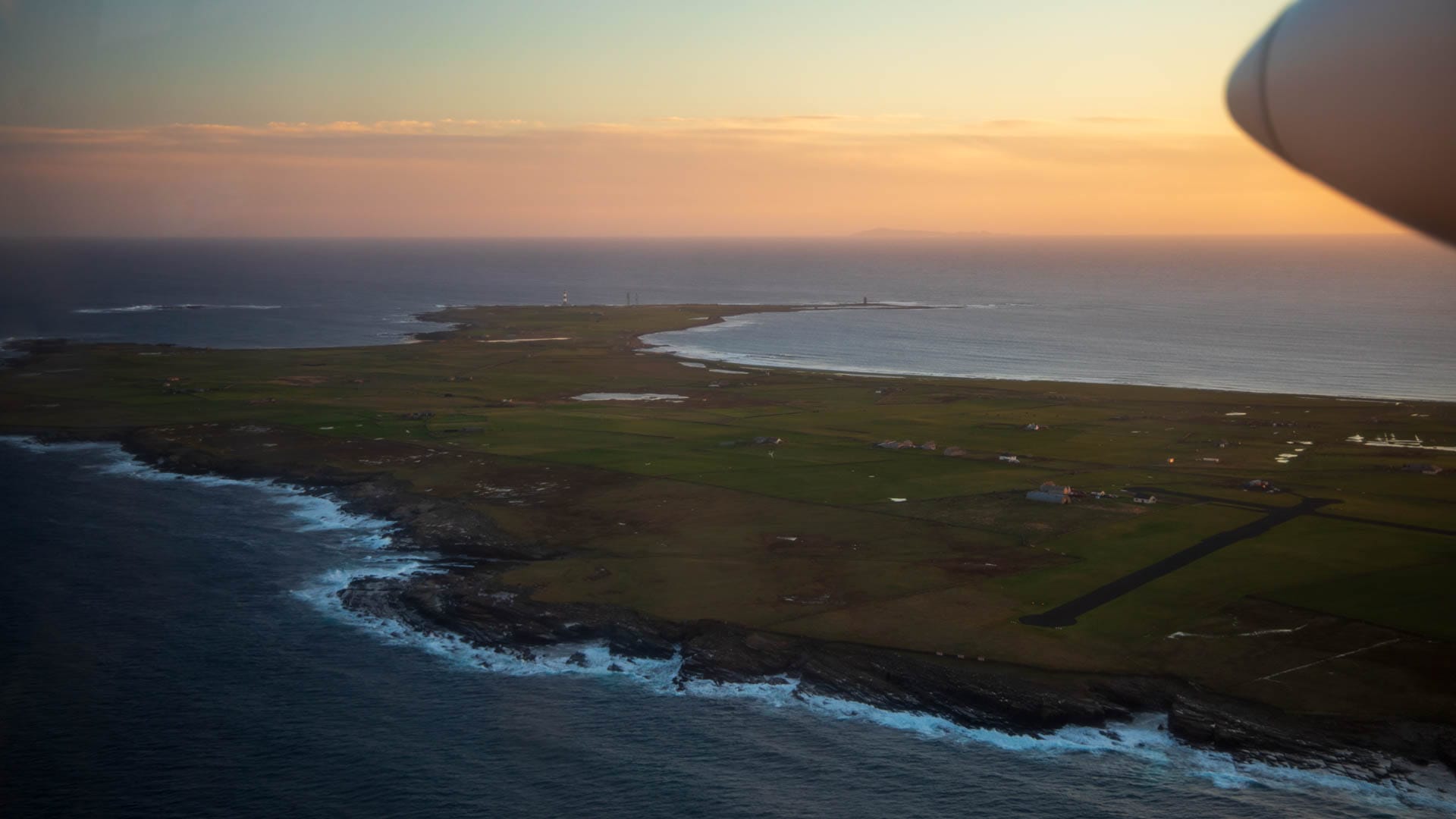
North Ronaldsay lies so far north in the Orkney Islands that beyond its rocky shore there is first a great deal of sea before Fair Isle and the Shetland Islands appear. Meadows, drystone walls, beaches and a vast sky define the landscape. Anyone visiting this Orkney outpost feels both its remoteness and its close relationship with the sea. A genuine adventure!
The small, flat island is easy to explore on foot or by bicycle.
Contents: Sheep and the Sheep Dyke | Lighthouses | Walk | Birdlife | Things to see | Getting there | Questions
Special feature: The sheep of North Ronaldsay
North Ronaldsay’s most famous inhabitants do not graze in the green fields. They live on the shore and feed mainly on seaweed and other coastal plants. North Ronaldsay sheep have adapted to this unusual diet and form a distinct, rare breed.
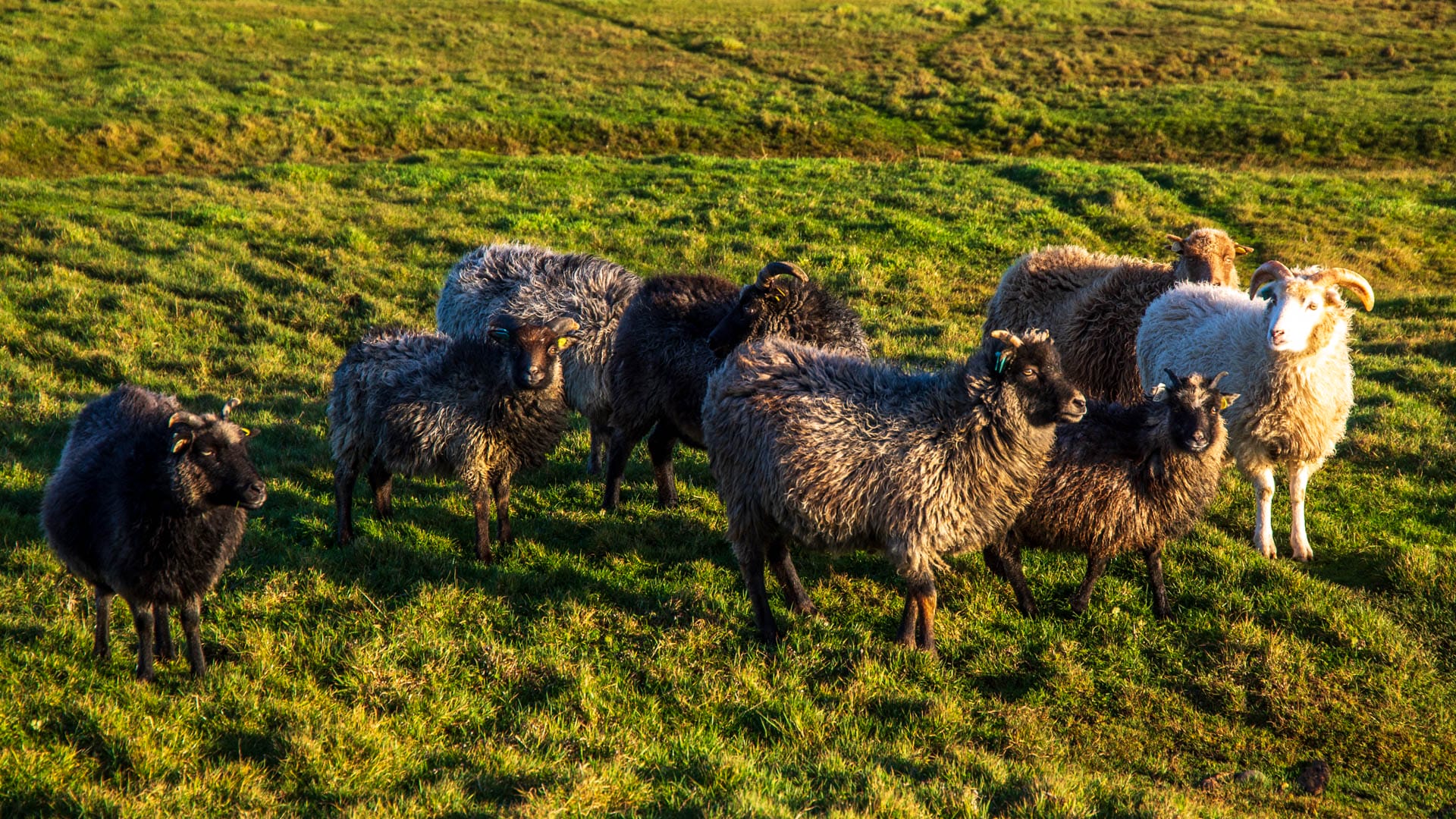
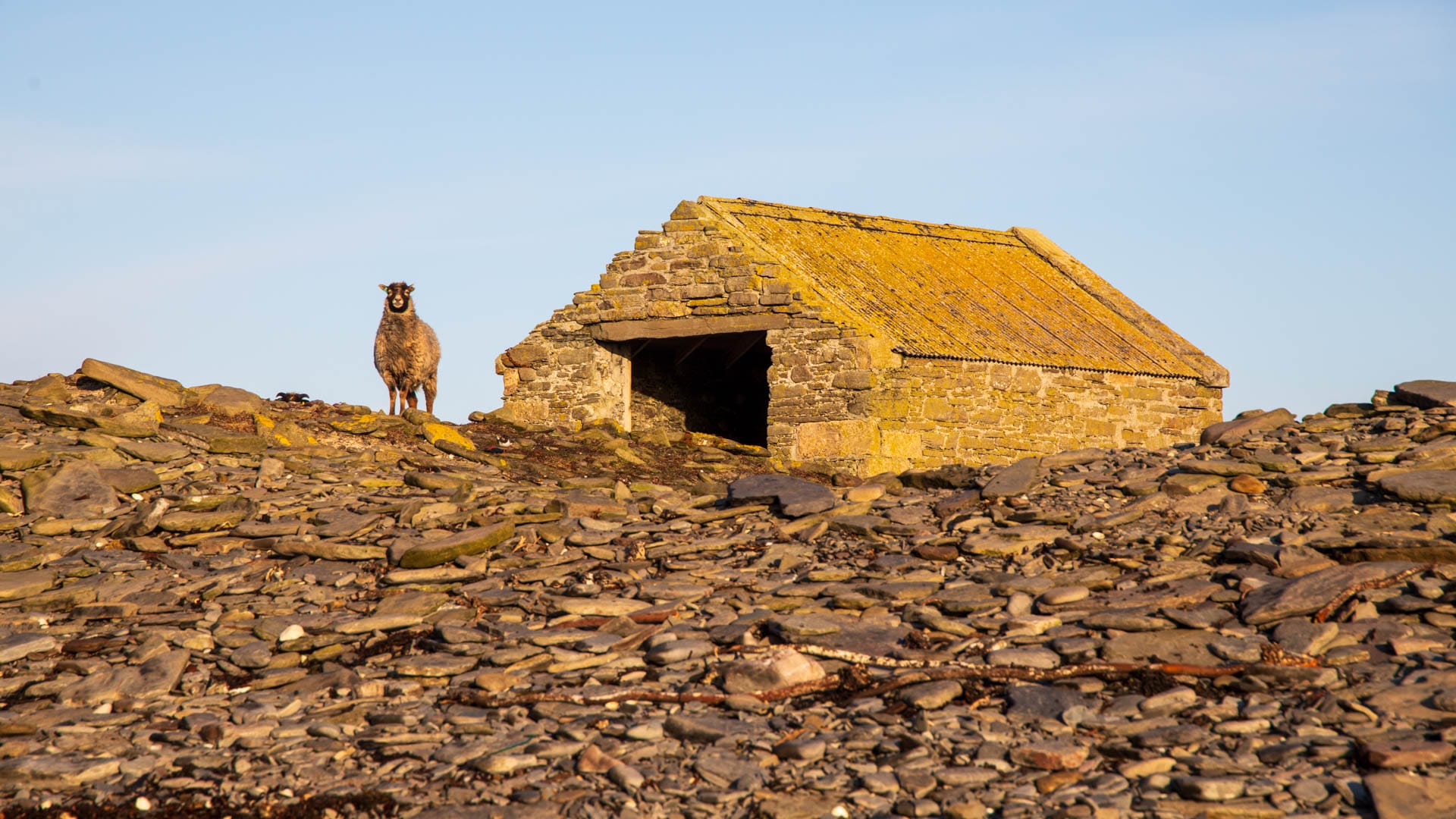
A drystone wall measuring about 13 miles, or 20 kilometres, keeps them on the coastal strip: the Sheep Dyke. Built in 1832, it almost completely encircles the island. This left the fields inland available to other grazing livestock.
Wind and waves repeatedly damage the wall. At the annual North Ronaldsay Sheep Festival, anyone can help repair damaged sections. There are also tours, workshops and other events. The dates vary and places are in high demand.
Where there are so many sheep, wool naturally plays an important role. At the small Wool Mill, fleeces are made into yarn, felt and other products. The natural colours range from white through grey and brown to black. Tours can be arranged in advance.
Sight: The new and old lighthouses
North Ronaldsay Lighthouse stands in a landscape of meadows, and that is precisely what gives this northern place its charm. It is also the setting for a lovely walk between the two lighthouses.
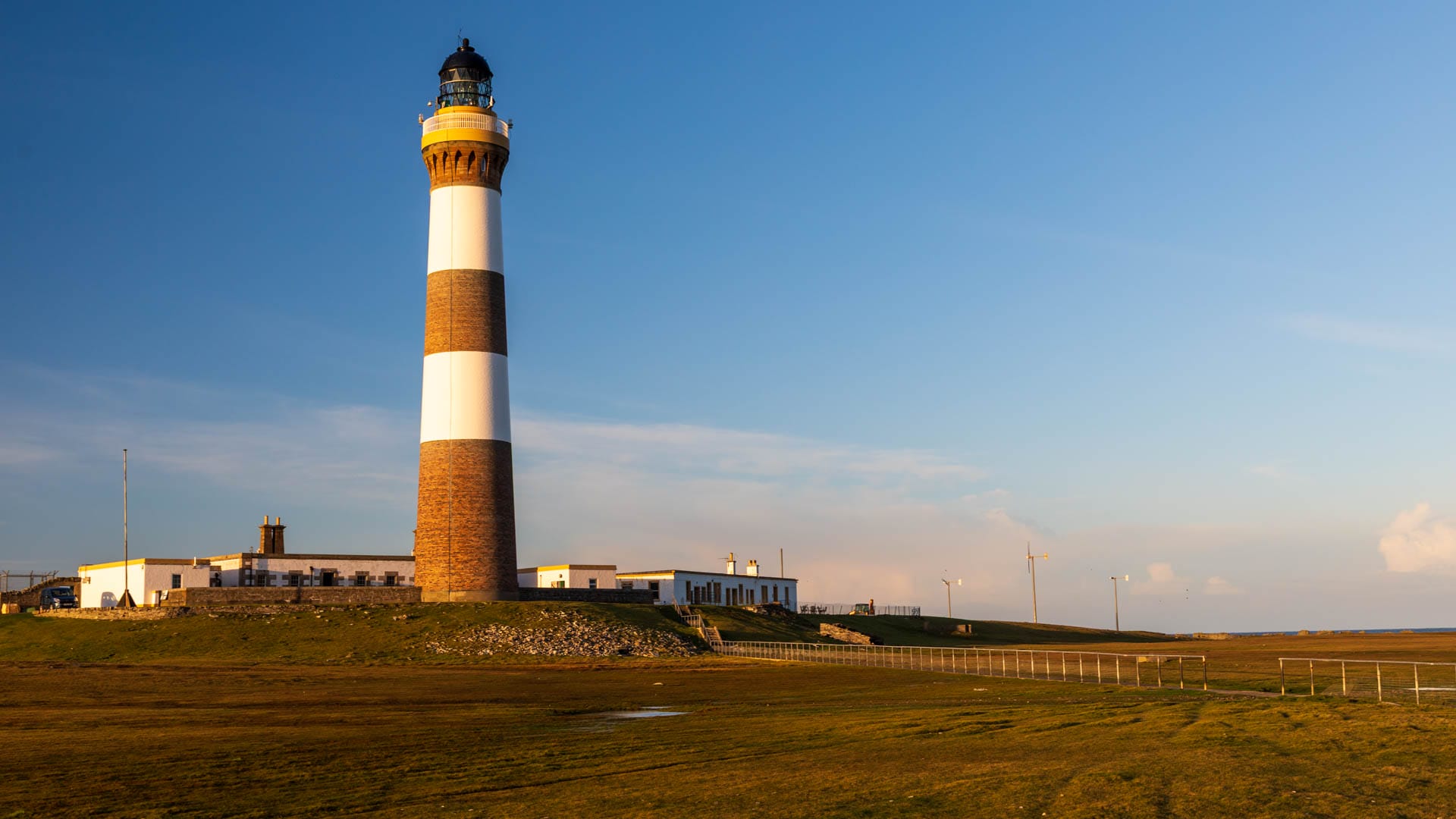
Wait – two? Yes. Alan Stevenson’s modern tower is built of red brick and, at around 42 metres, remains the tallest land-based lighthouse in Britain. Even its curved entrance is worth seeing. On certain days visitors can climb to the top. Current information about tours is available on the island website.
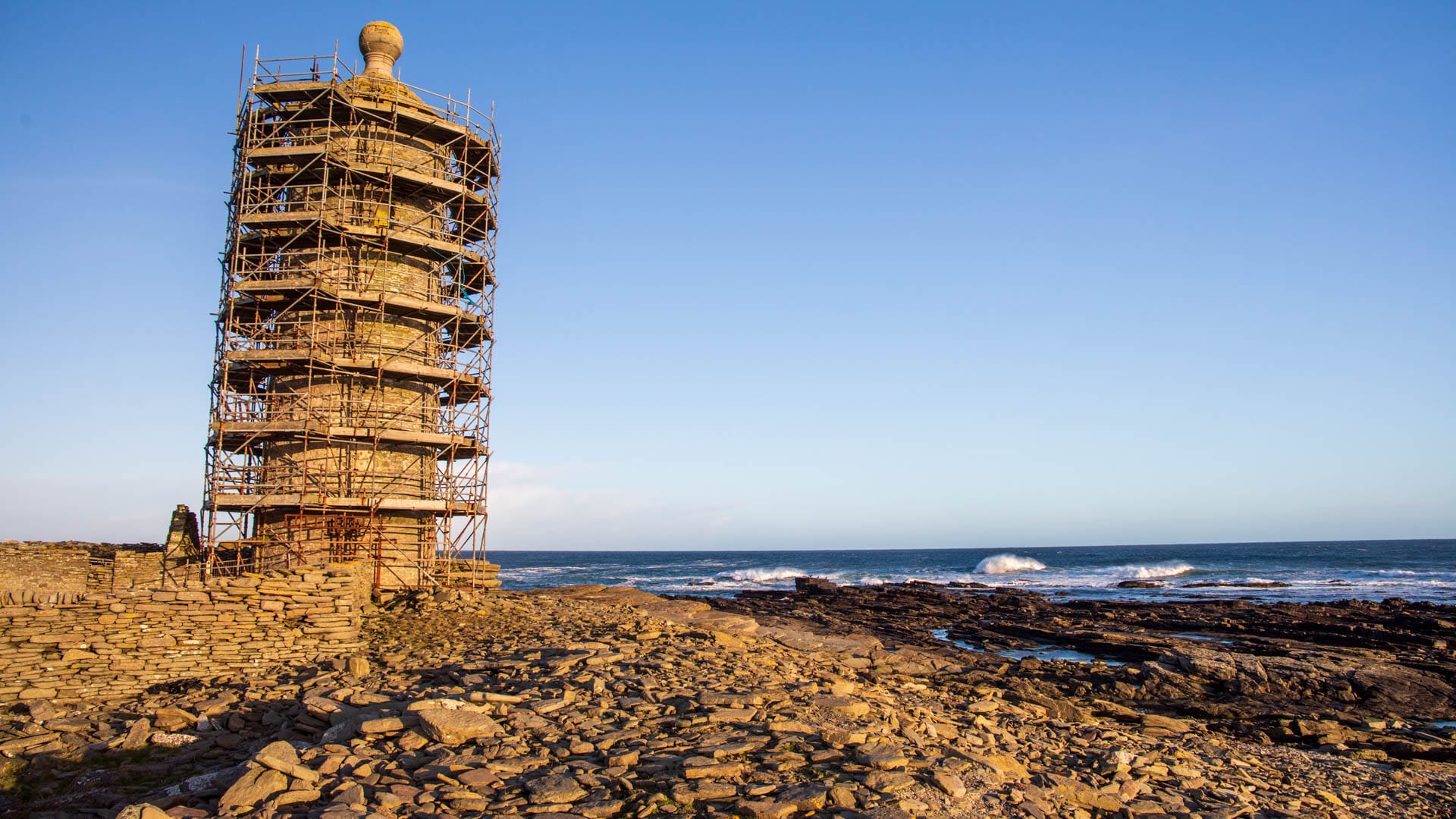
A short distance away stands the Dennis Head Old Beacon. Its light was first lit in 1789. Thomas Smith designed the tower together with his stepson Robert Stevenson. It has been inactive since 1809. The stone ball at its summit makes it unmistakable. The Northern Lighthouse Board has more about its history.
Walk: Lighthouse to lighthouse along the north coast
Distance: 2.4 kilometres | Time: about 30 minutes to one hour | Difficulty: easy
You are currently viewing a placeholder content from Google Maps. To access the actual content, click the button below. Please note that doing so will share data with third-party providers.
More InformationThe north of North Ronaldsay is flat. Meadows end at a rocky coast, with the sea beyond and Shetland the next stop. It is a wonderful place for an extended walk.
The walk starts at the new lighthouse. Steps lead down to several small white buildings. Take care, as the steps can sometimes be slippery. The little buildings once belonged to the foghorn.
From here, follow the coast to the right, heading east. There is no clearly marked path; instead, stay close to the boundary between the stony beach and the grass. Circular stone enclosures appear along the way, where North Ronaldsay’s inhabitants once grew cabbages.
At one point there is a hollow beside a stone wall. It is thought to be a grave dating from the period of Norse rule. An information board tells the story of Halfdan Long-Leg, who was brutally executed here. Whether this really was his grave remains uncertain.
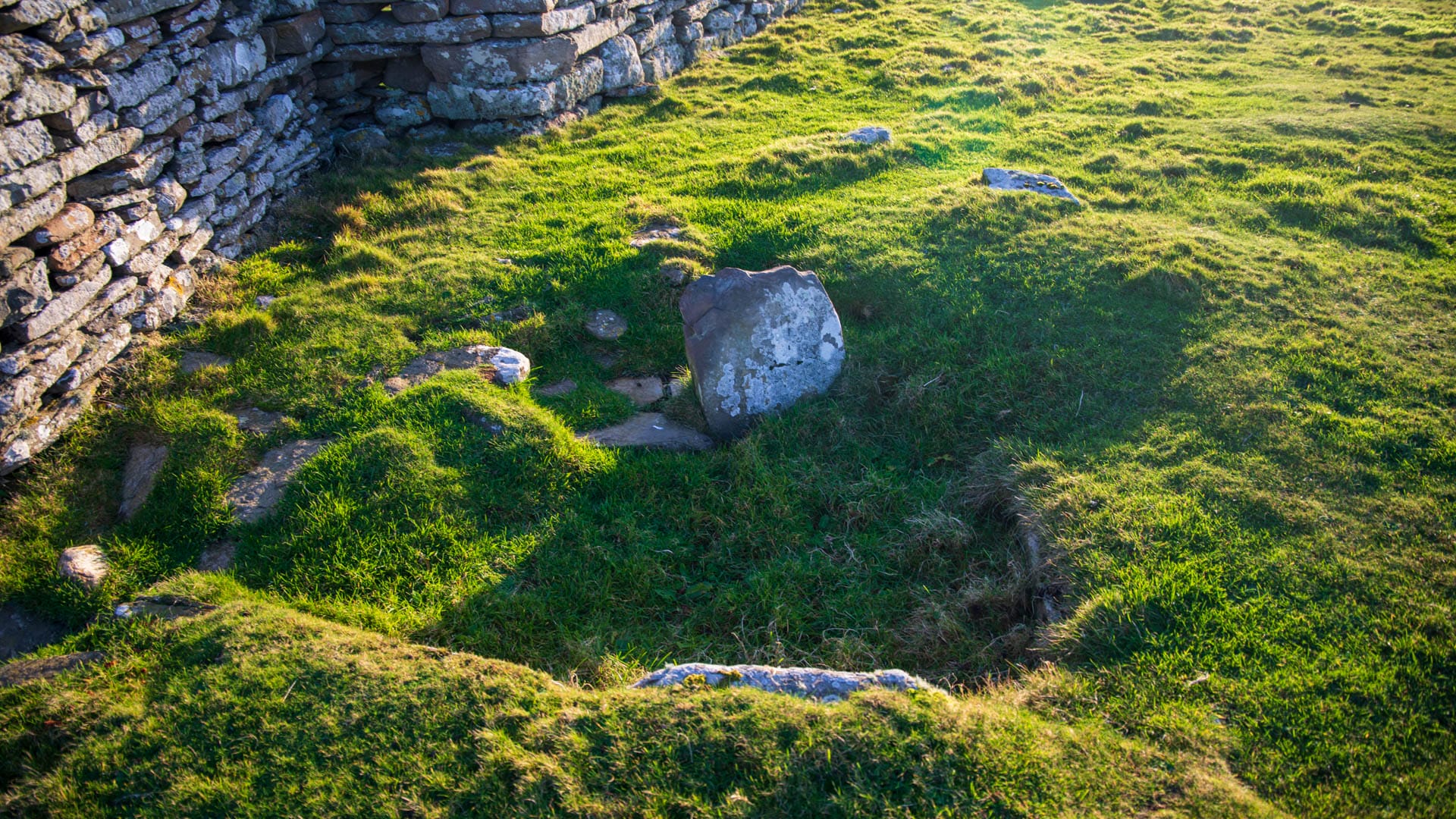
The short walk continues along the coast towards the old lighthouse on Dennis Head. Other hollows in the grass were used for burning kelp. This too is an interesting part of Orkney history.
The lighthouse on Dennis Head is only half as tall as the new one. It is, however, considerably older – and only a few of its kind survive.
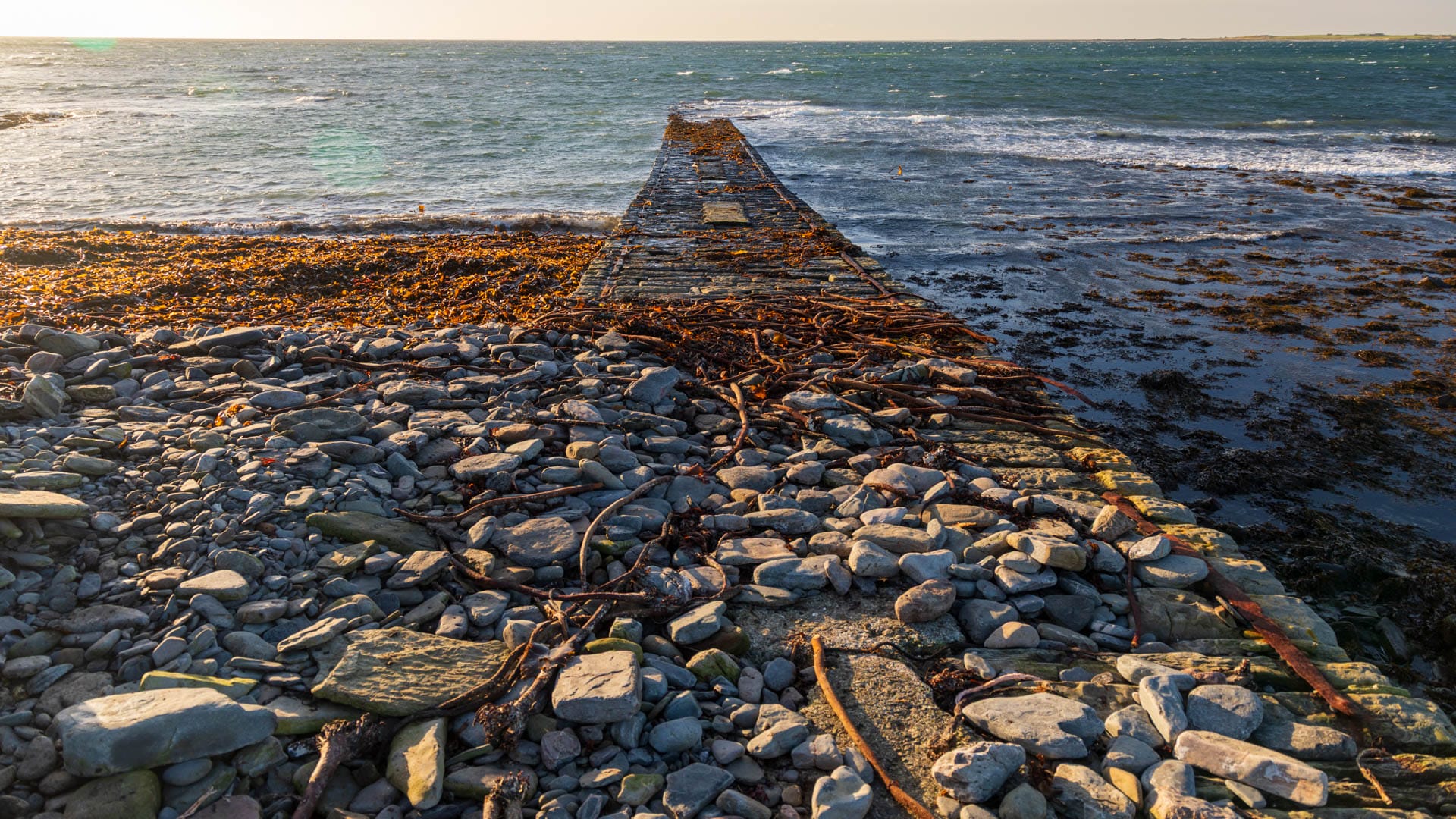
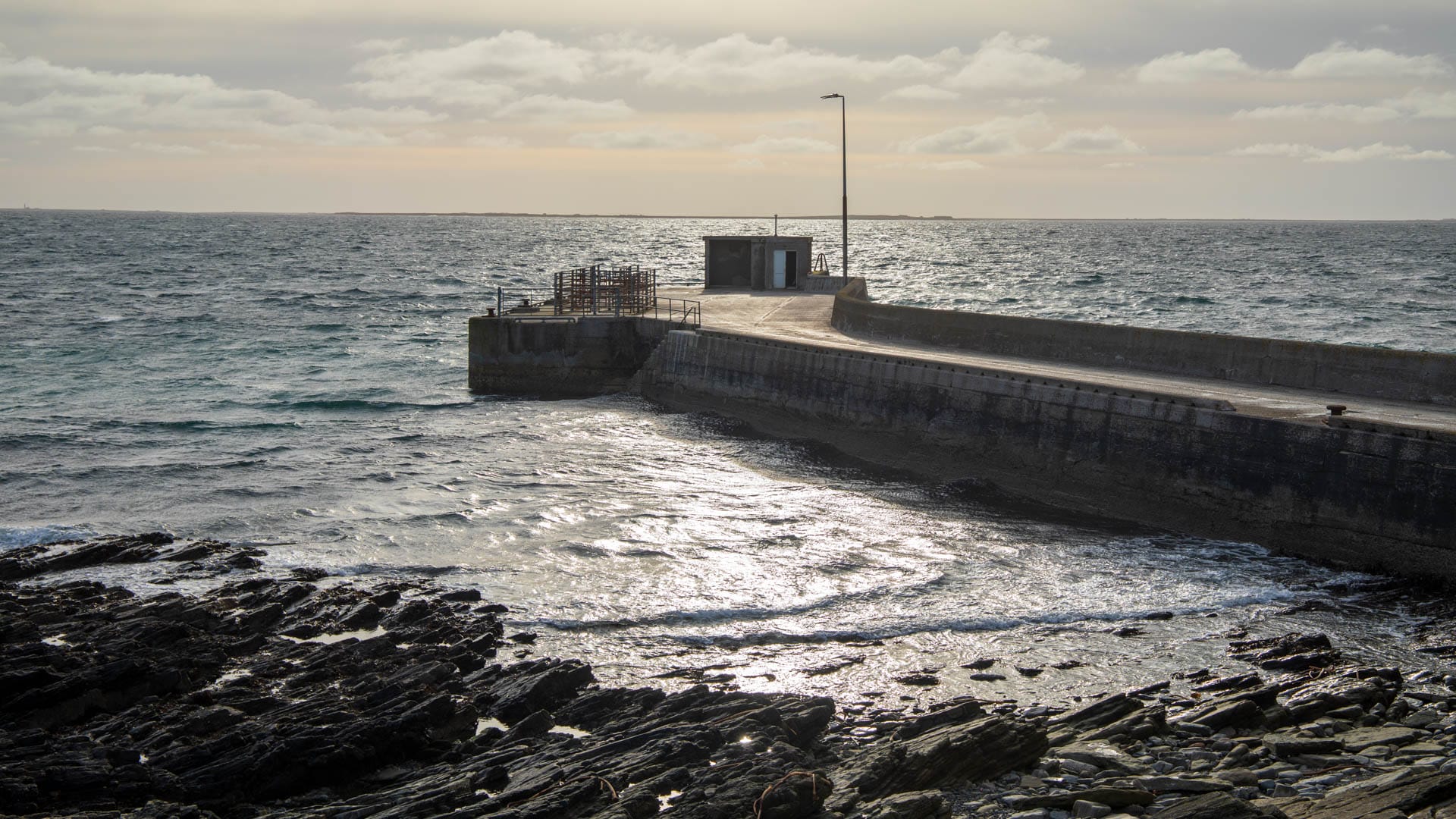
Continue along the coast between the sea and Dennis Loch until you reach the old pier. The stone houses here date from the 18th and 19th centuries. From here, the tarmac road leads straight back towards the large lighthouse.
Birdlife: A centre for birdwatchers and other visitors
Sometimes long rows of people stand here with large spotting scopes and plenty of patience. Rare birds repeatedly make landfall at the southern tip of North Ronaldsay.
Siberian blue robin, rufous-tailed robin and yellow-browed bunting: if those names stir pleasant excitement, the North Ronaldsay Bird Observatory is well worth a visit. Birds of varying rarity regularly pass through and, with a little patience, can be observed here.
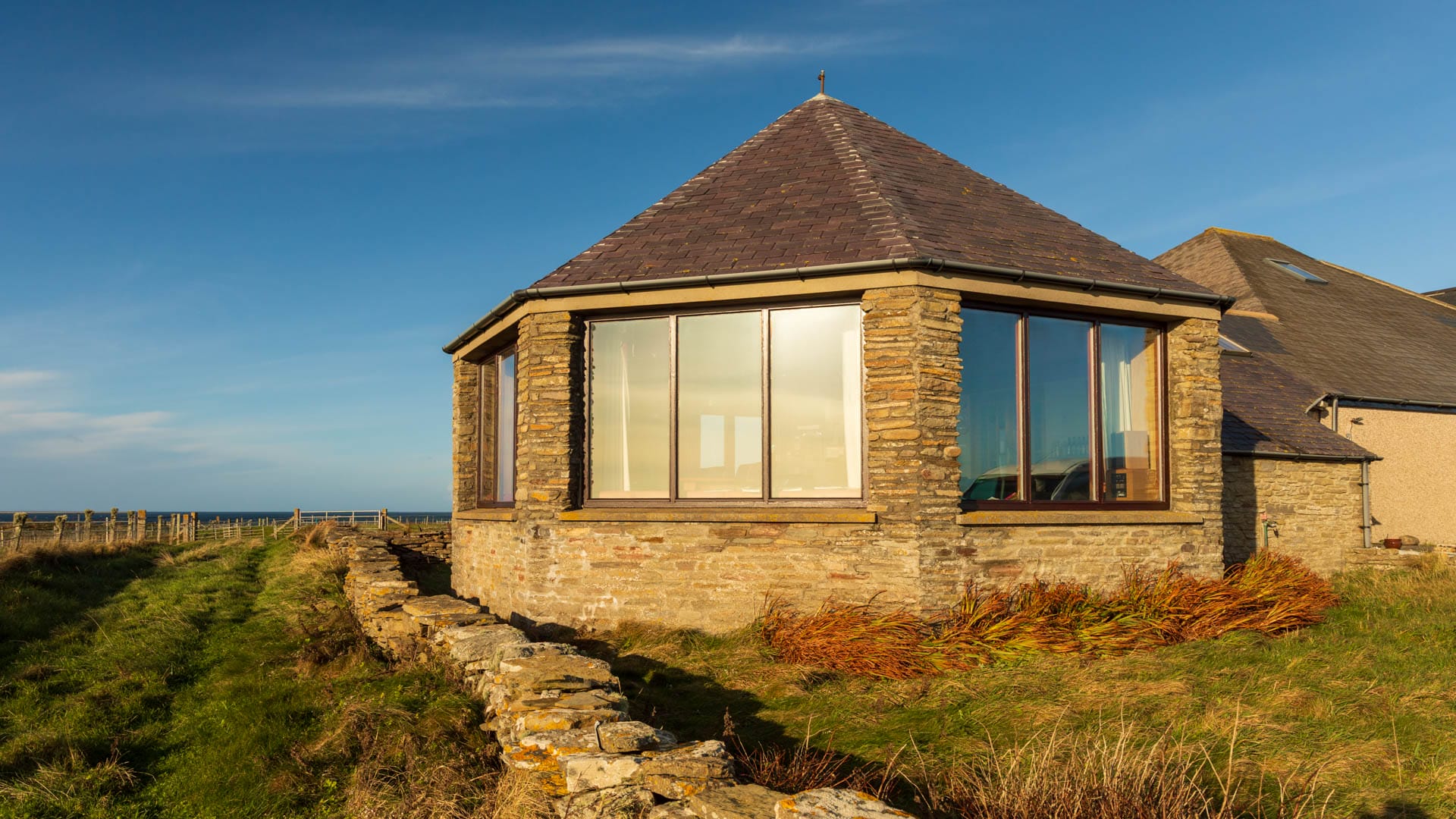
For visitors who know little about birds, the centre still has a larger shop and serves food and drink. You can also stay at the Bird Observatory: it offers guest rooms, hostel beds and camping facilities.
Even outside migration periods, the coast remains full of life. Seals are common, and with luck whales may pass by. This makes an early-autumn visit worthwhile too.
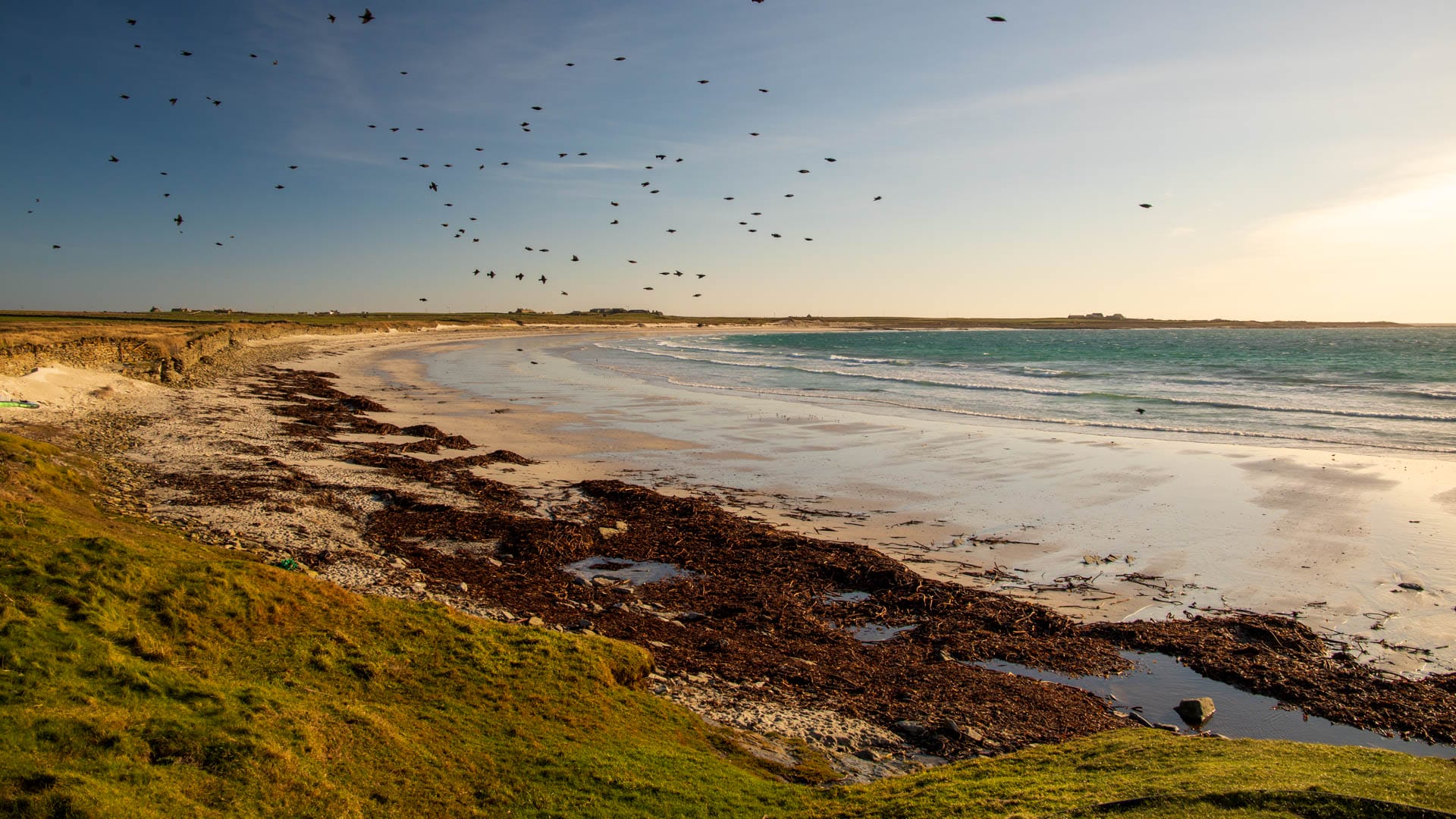
Discover: More things to see on North Ronaldsay
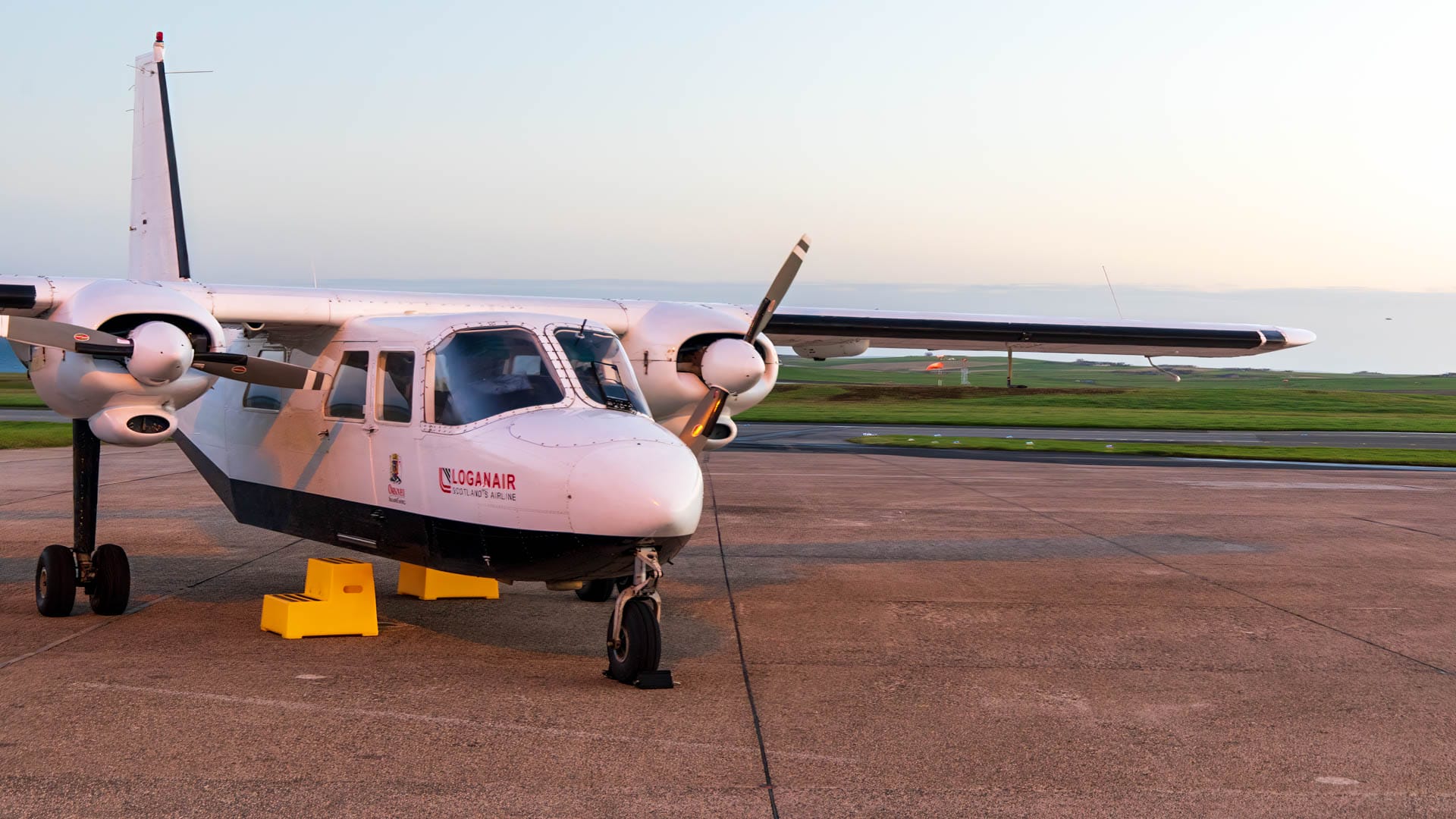
- Airport: Even visitors arriving by ferry should visit the little airport and watch an aircraft land and take off.
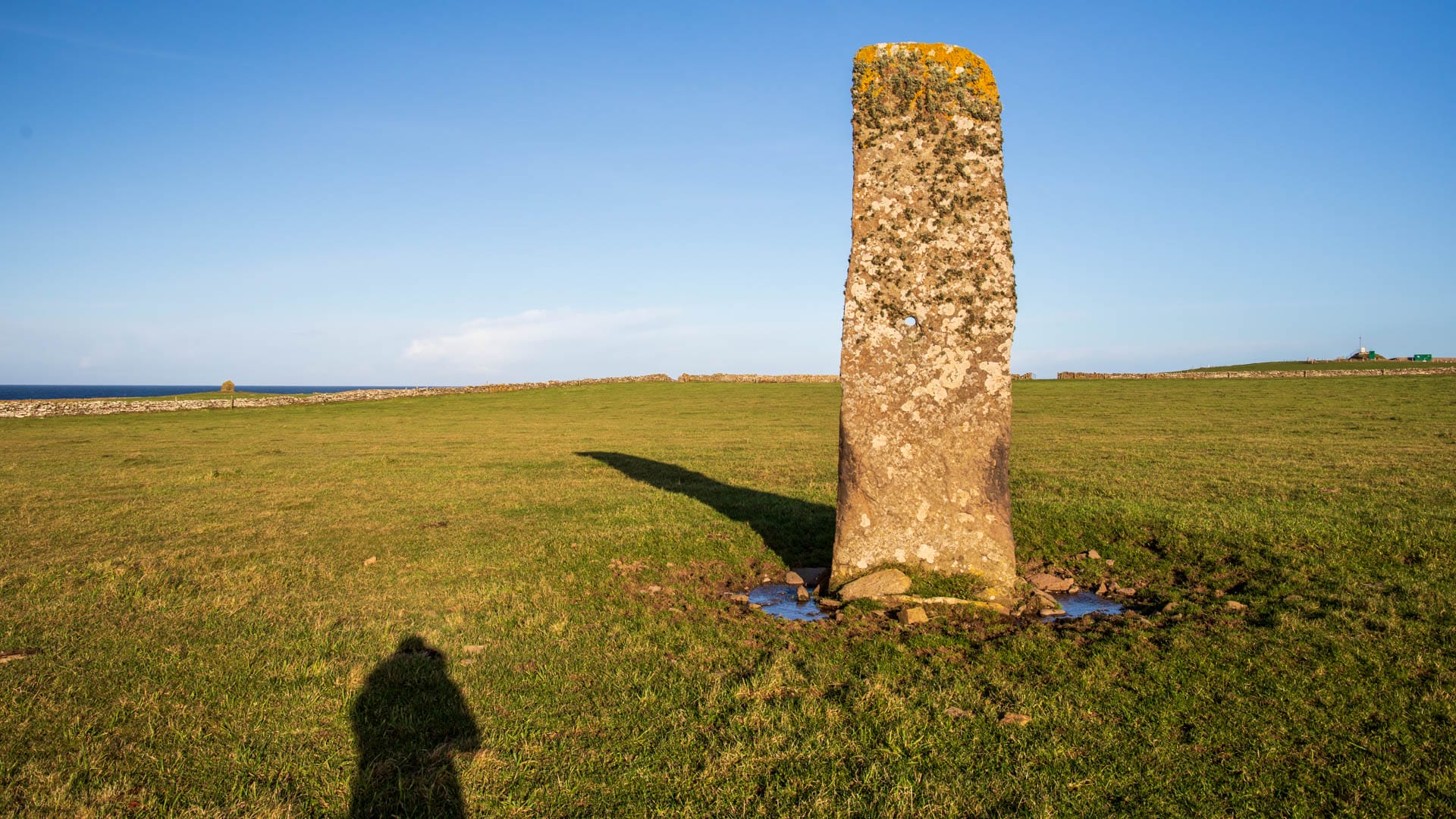
- Standing Stone: Between Holland House and the Bird Observatory, a large pierced monolith stands in the field west of the road.
- Island Archives: The island archive uses words and pictures to show the lives of North Ronaldsay’s inhabitants.
- Bell Cairn: Both the windlass and the bell on this curious stone mound may have come from a timber ship wrecked here in 1882, though this is not certain.
- South Bay beach: One of the island’s loveliest beaches lies close to the ferry pier.
North Ronaldsay is easy to explore on foot or by bicycle. The island is small and almost completely flat. With more time, you can follow longer stretches of the Sheep Dyke, moving between sandy bays, rocky coast and grazing land.
Getting there: Flight or ferry to North Ronaldsay?
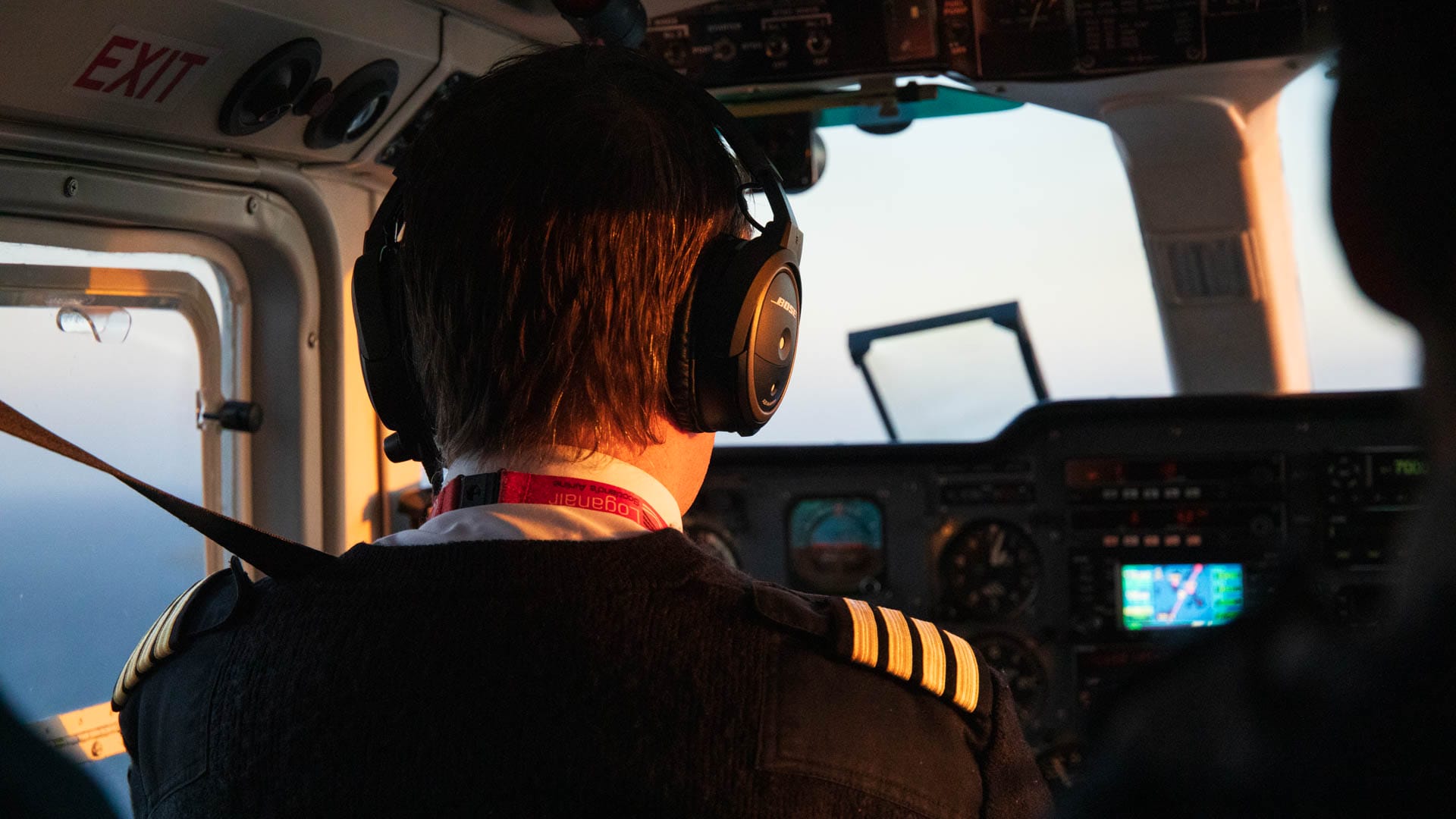
Most of the islands can be reached by ferry in a reasonable journey time, with a return sailing the same evening. For North Ronaldsay alone, flying is worthwhile. The small aircraft depart from Kirkwall and regularly connect the outermost northern island with Mainland. Especially in summer, book early. The Orkney Islands Council publishes the current timetable; tickets are booked with Loganair.
Orkney Ferries also sails from Kirkwall to North Ronaldsay. Services are less frequent, take longer and may be affected by tides and weather. Travellers with more time, or those wishing to take a bicycle, should check the current Orkney Ferries timetable.
Staying and eating: Why it is worth more than a day
A day trip is possible. But an overnight stay leaves more time for the coast, birdlife and encounters with islanders – without constantly watching the clock for the return flight.
The Bird Observatory offers guest rooms, hostel beds and camping pitches. Other holiday homes, including former lighthouse keepers’ cottages, can be found on the island website. ObsCafe is the main place for meals, the bar and shopping. Check opening times and availability before travelling.
Frequently asked questions about North Ronaldsay
What is special about North Ronaldsay sheep?
This rare breed lives on the coast for almost the entire year and feeds mainly on seaweed and coastal plants. The historic Sheep Dyke keeps the animals out of the island’s cultivated interior.
How do you get to North Ronaldsay?
There are flights and ferries from Kirkwall. For a day trip, flying is usually more practical. Ferry services are less frequent and more dependent on weather and tides.
What should you see on North Ronaldsay?
The top things to see include the new lighthouse, the Old Beacon on Dennis Head, the Sheep Dyke and its famous sheep, the Bird Observatory, South Bay and the island archive.
Can you explore North Ronaldsay without a car?
Yes. The island is small and flat, making it ideal for walking and cycling. Bicycles can be hired on the island if booked in advance.
When is the best time for birdwatching?
The spring and autumn migration seasons are especially rewarding. Alongside regular visitors, exceptionally rare species may appear at these times.
Is it worth staying overnight?
Yes. A day trip covers the main sights, but an overnight stay gives you enough time for longer coastal walks, birdwatching and the island’s peaceful atmosphere.
