There are several beautiful fishing villages on the west coast of the Highlands. And Plockton turns out to be a true gem among them.
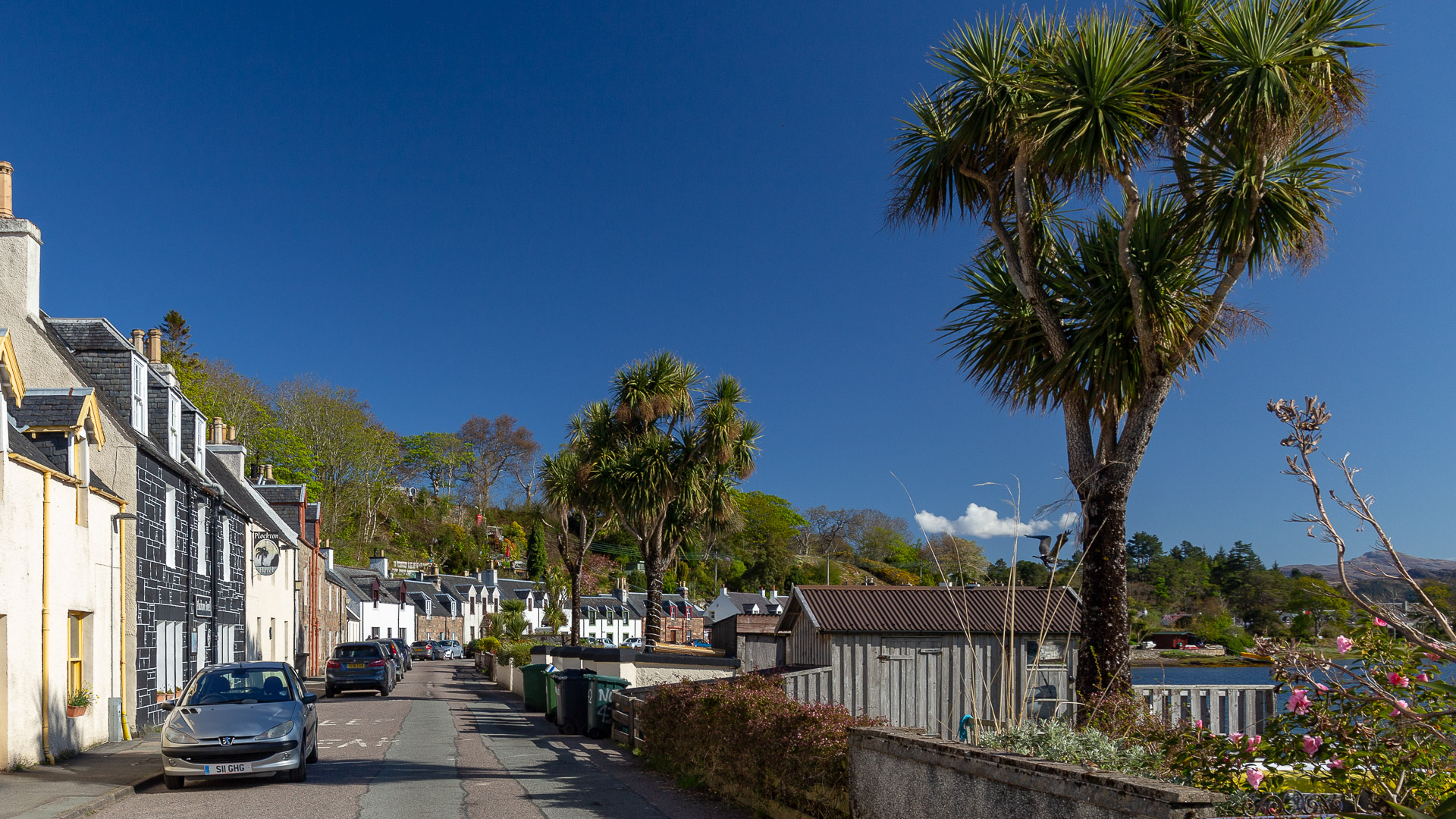
In good weather, Plockton’s idyllic charm is almost too much to take: white houses line a road running along the shore. Palm trees (!) occasionally interrupt the view over the small harbour wall, against which the blue sea laps. Behind the houses rises a hill crowned with trees.
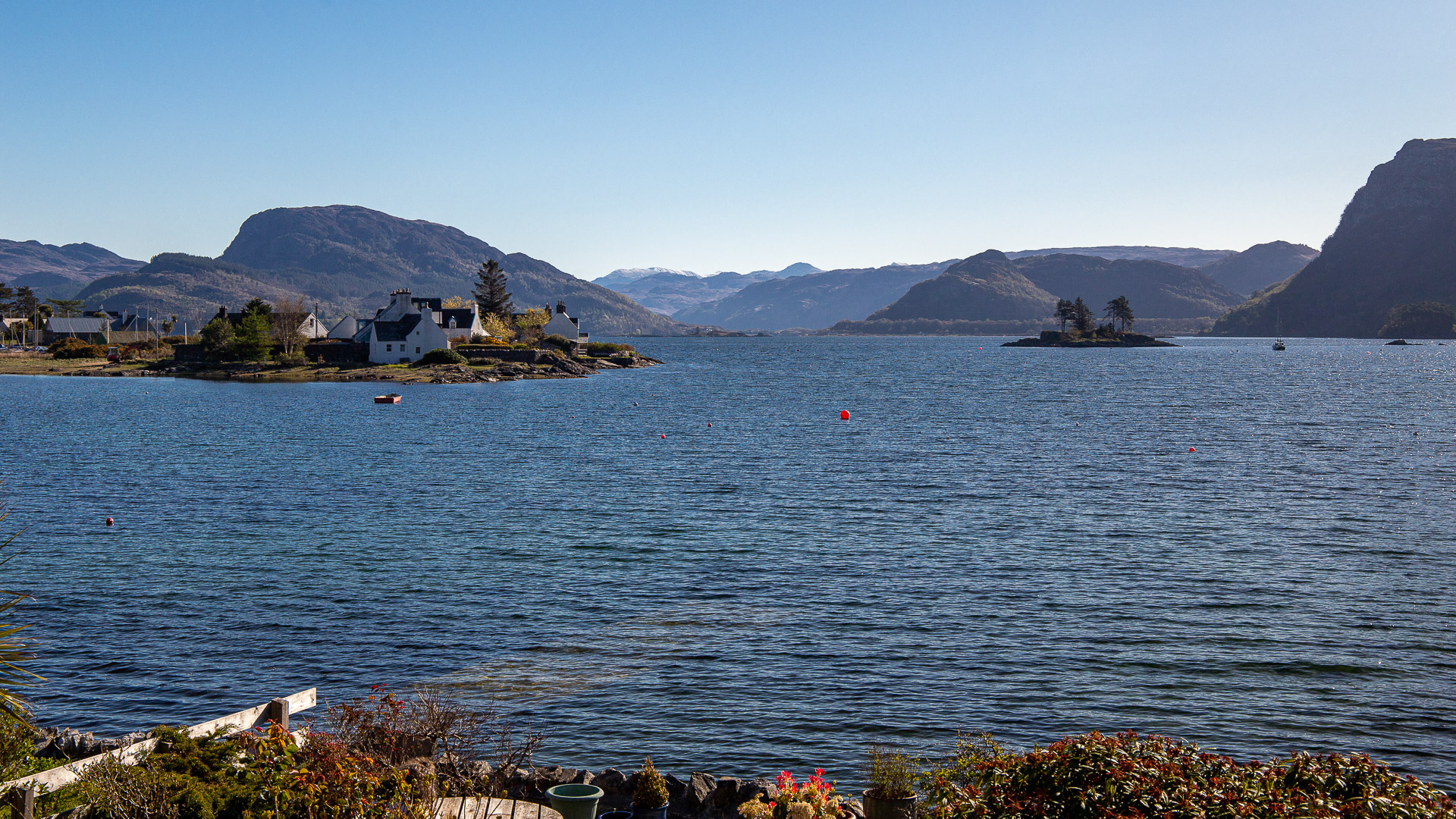
Plockton lies sheltered in a fold of land on Loch Carron. This sea loch, which stretches inland from the Applecross peninsula, is dotted with small islands here. In the distance, the peaks of the Torridon massif already rise into view.

Plockton doesn’t sit directly on a main road, though. Visitors approach along winding roads from the Isle of Skye, or coming from Bealach na Bà (in German for now) after perhaps having driven the North Coast 500 beforehand. The railway brings visitors too – sometimes even in a luxury train like the Royal Scotsman.
Today, Plockton lives off its visitors: 450 residents who make artwork here, host and entertain guests, or offer excursions.
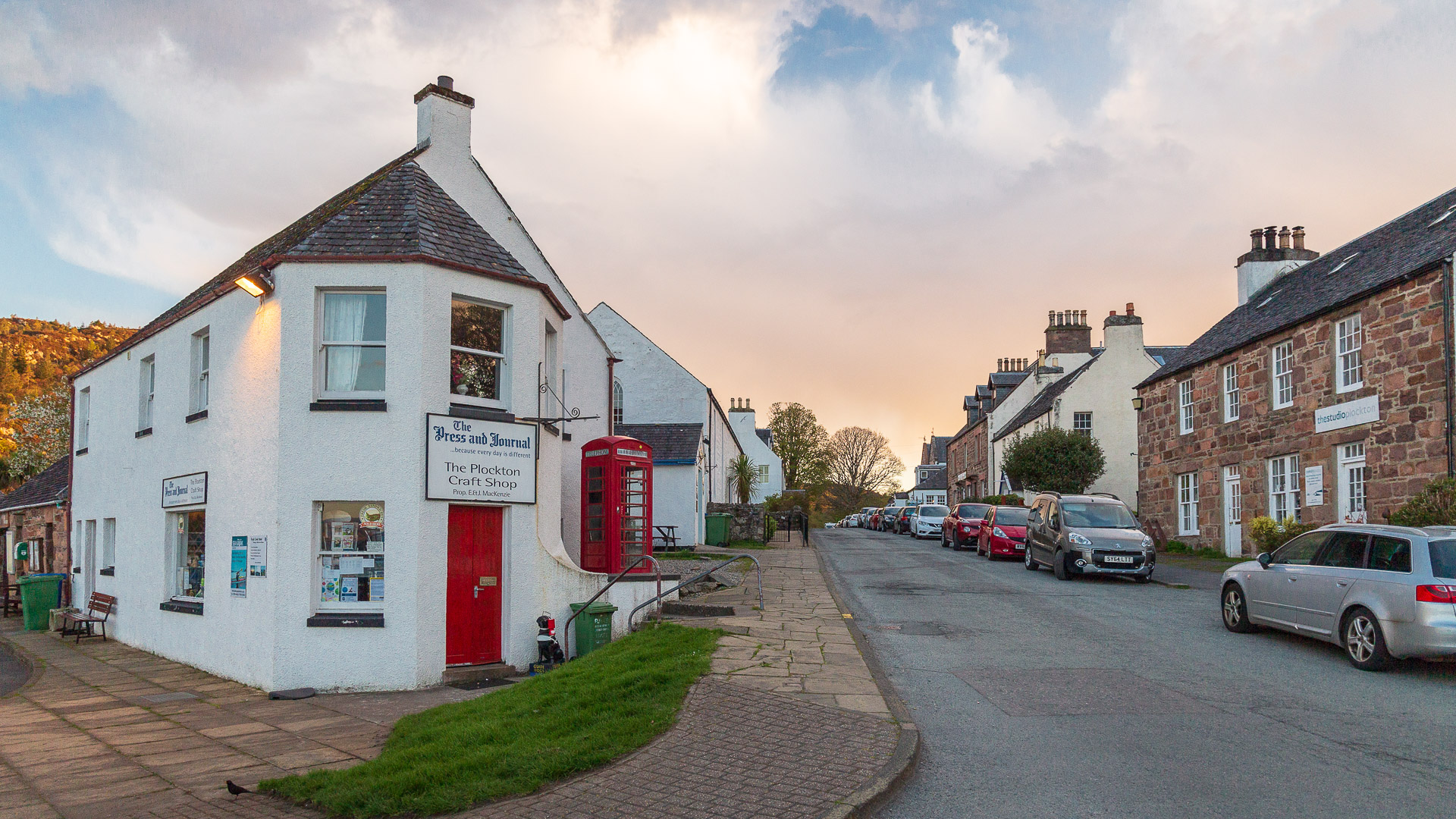
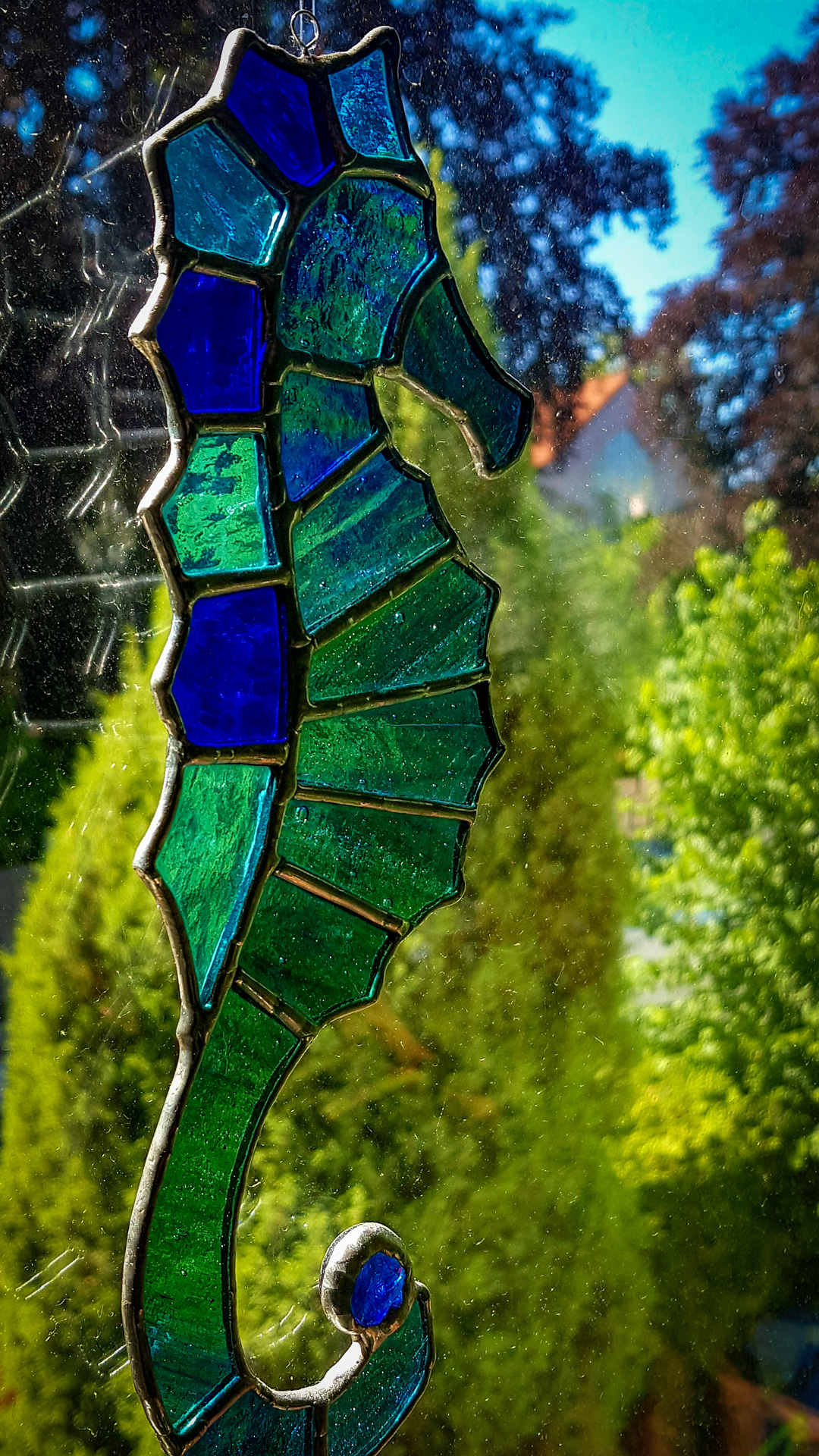
Studio Plockton, diagonally across the street, also sells artwork large and small – like our little seahorse, which accompanied us on the journey home from Scotland.
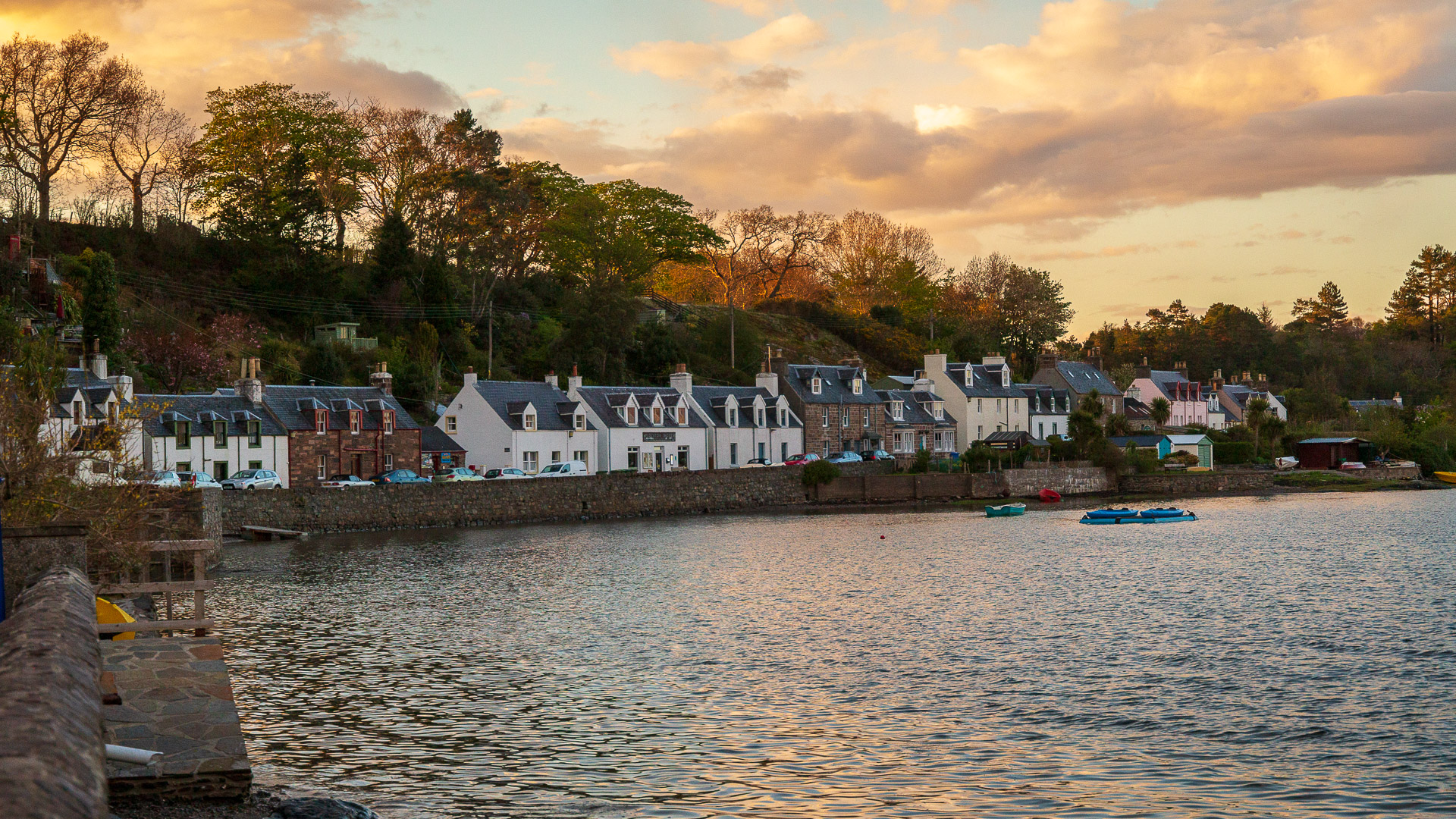
Plockton is a perfect place to spend two or three days recovering after days of touring. For walks, and for the view across the loch. And if that sounds too quiet for you, join one of Calum’s Seal Trips, or visit the Coral Beach.
History: Plockton’s difficult past
Before Plockton became the idyllic little village it is today, it also went through many painful moments. It was founded in its present form as a planned fishing village – much like Ullapool further north. But there weren’t actually all that many fishermen to begin with. They only arrived as a result of the Clearances (in German for now) carried out by the large landowner in Glen Carron – the valley through which the river flows that then feeds into the sea loch of the same name.
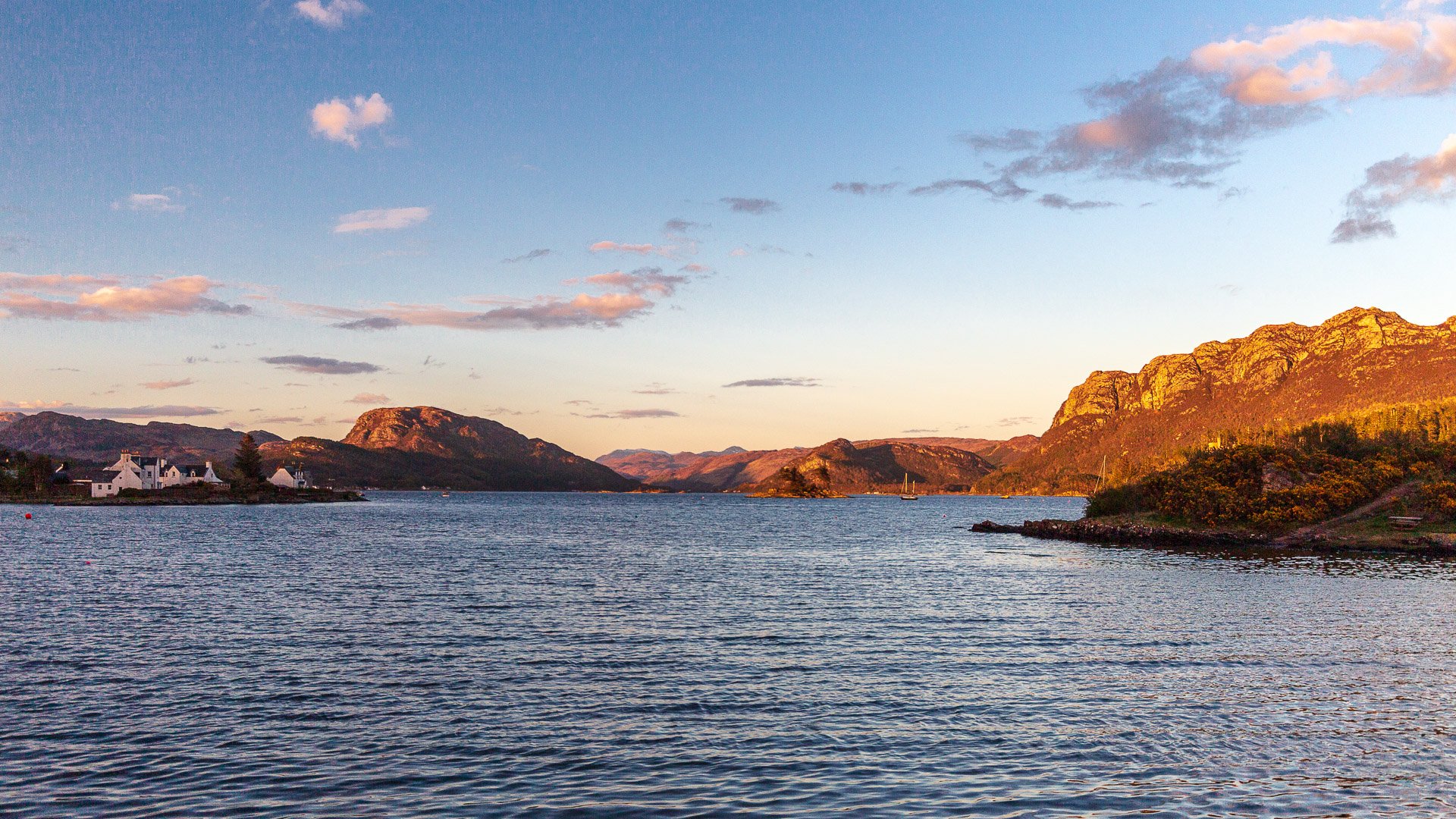
Between 1814 and 1820, the residents of this valley had to leave their homes to make way for sheep. In Plockton, these farmers found a new home – as fishermen and crofters. Some also emigrated from here to all corners of the world (in German for now).
The name Plockton comes from the Gaelic “ploc” (pronounced roughly “plochk”). It means “lump” or “knoll”, and refers to the spit of land jutting into the loch on which the village sits. The “-ton” is an anglicised corruption of “town”.
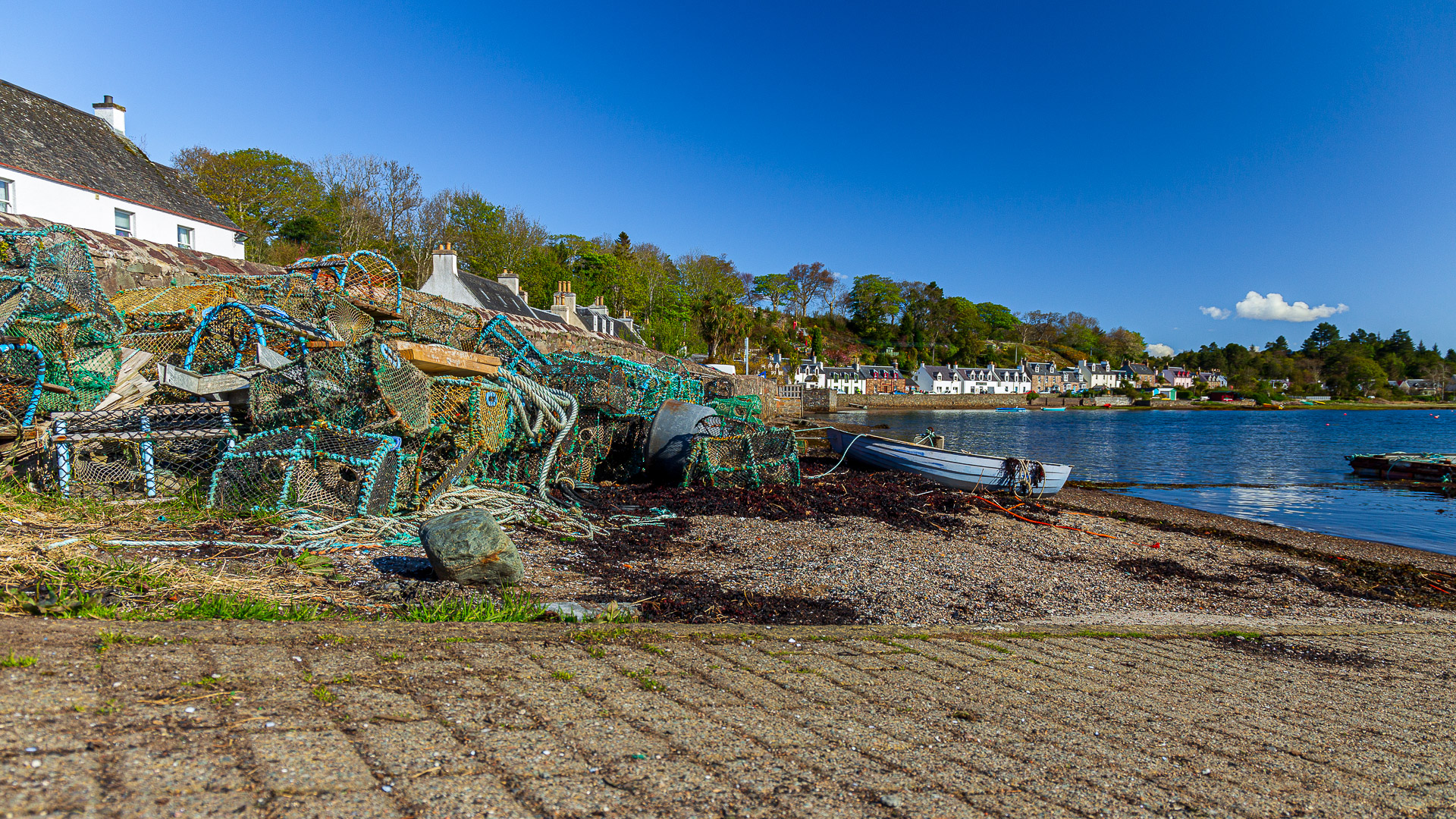
Like the whole of the Highlands, the village’s fortunes rose and fell over time. One day the herring simply stopped coming – the fish had changed their routes. Potato blight struck in the mid-19th century. On the plus side, the railway arrived in the late 19th century, and the fishermen were able to market their catch of seafood more effectively. The First World War, however, put an end to that once again.
It was only once Plockton appeared as a backdrop in several BBC series that tourism picked up, and the residents found a new source of income.
Getting there:
With a sat nav: Enter “IV52 8TW”, and it will take you to Plockton.
Without a sat nav: Coming from Bealach na Bà, drive first through the village of Lochcarron, then turn onto the A890. It follows the railway line and the shore of Loch Carron. Then turn right towards Achmore and Plockton, and simply keep following the signs.
Coming from Skye, turn left at Kyle of Lochalsh after the railway station, towards Duirinish and Plockton. Keep following the road straight ahead. After Duirinish, turn left over the bridge into Plockton and drive into the village.
You can park down by the harbour, near the craft shop.
