Ardnamurchan is Scotland’s Wild West. Amid dreamlike scenery, visitors encounter hardly any other people. What is there to do here?
Ardnamurchan Info:
» Good to Know
» Attractions
» Best time to visit
» Getting There
» History
Ardnamurchan is a peninsula in the west of the Scottish Highlands, surrounded on three sides by the Atlantic and by Loch Sunart, which cuts deep inland. Few tourists find their way here, yet Ardnamurchan certainly has a lot to offer.
So why is it still so little visited? Probably because film crews rarely stray here either – neither Harry Potter, nor James Bond, nor Outlander has used this wonderful landscape as a backdrop. And no particularly major road runs through it – though the roads that do are very beautiful.
Even so: in Ardnamurchan, Scotland travellers can still breathe genuine Highland air and pick up the odd snatch of Gaelic. Especially for those seeking the Highlands in their purest form, this peninsula is a rewarding destination.
Good to Know: Facts and Figures on Ardnamurchan
Ardnamurchan belongs to the district of Lochaber, which today forms part of the Highland Council area, and lies north of the Isle of Mull. The peninsula measures 27 kilometres from east to west and around 11 kilometres from north to south at its widest points.
Somewhere between 320 and 678 people are spread across this area. (A note on the imprecise figure: heritageardnamurchan.co.uk gives 320 residents, while the 678 comes from the official Scotland’s Census site, where I added up the postcode districts. The figure of 2,000 residents given on Wikipedia may stem from the registered number of GP patients, but it contradicts the census figures.)
What’s particularly fascinating: one in ten people here still speaks Gaelic – especially in the village of Acharacle. With around 150 residents, Kilchoan is the largest settlement on the Ardnamurchan peninsula.
Ardnamurchan’s Nature is Something Special
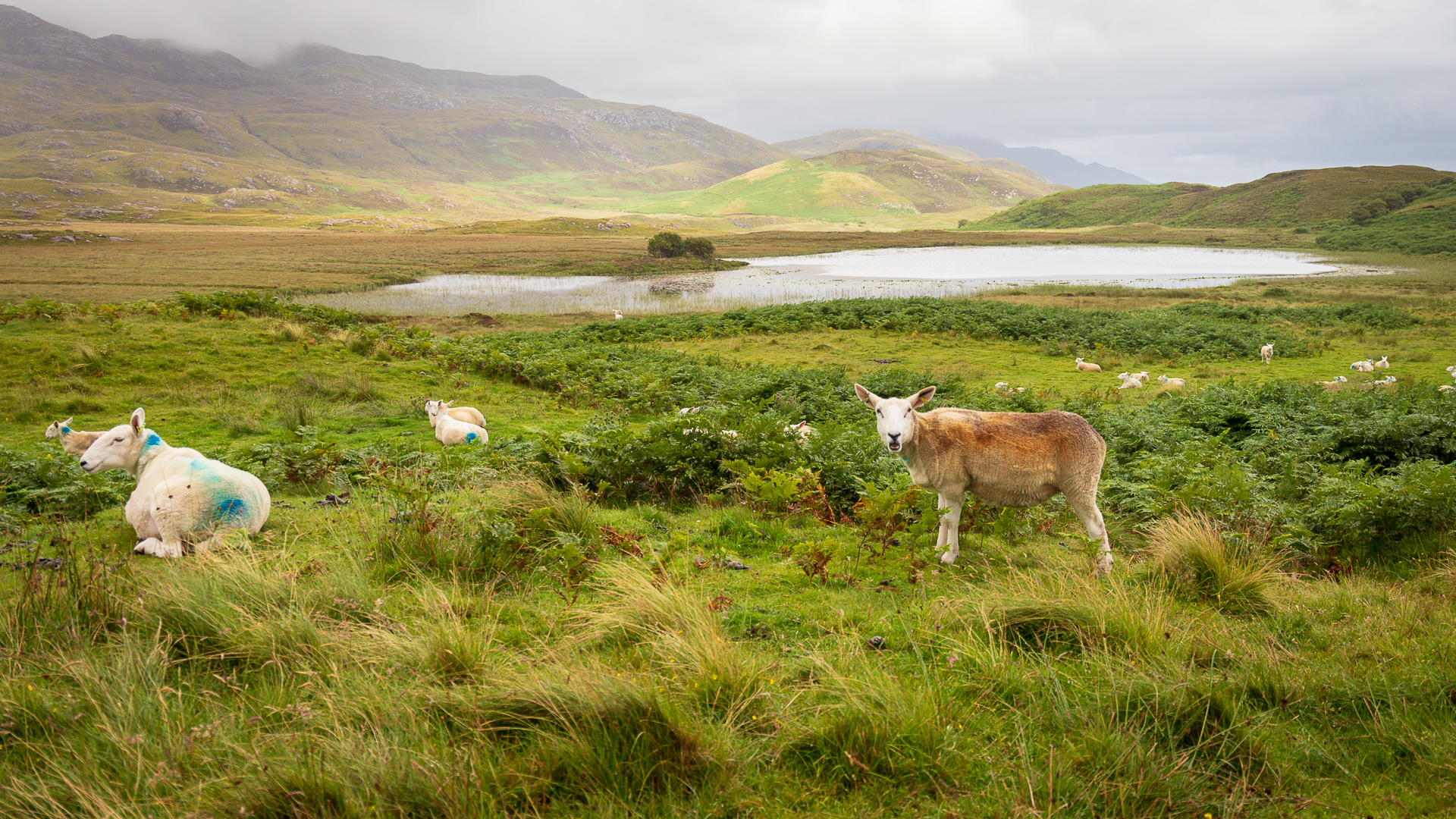
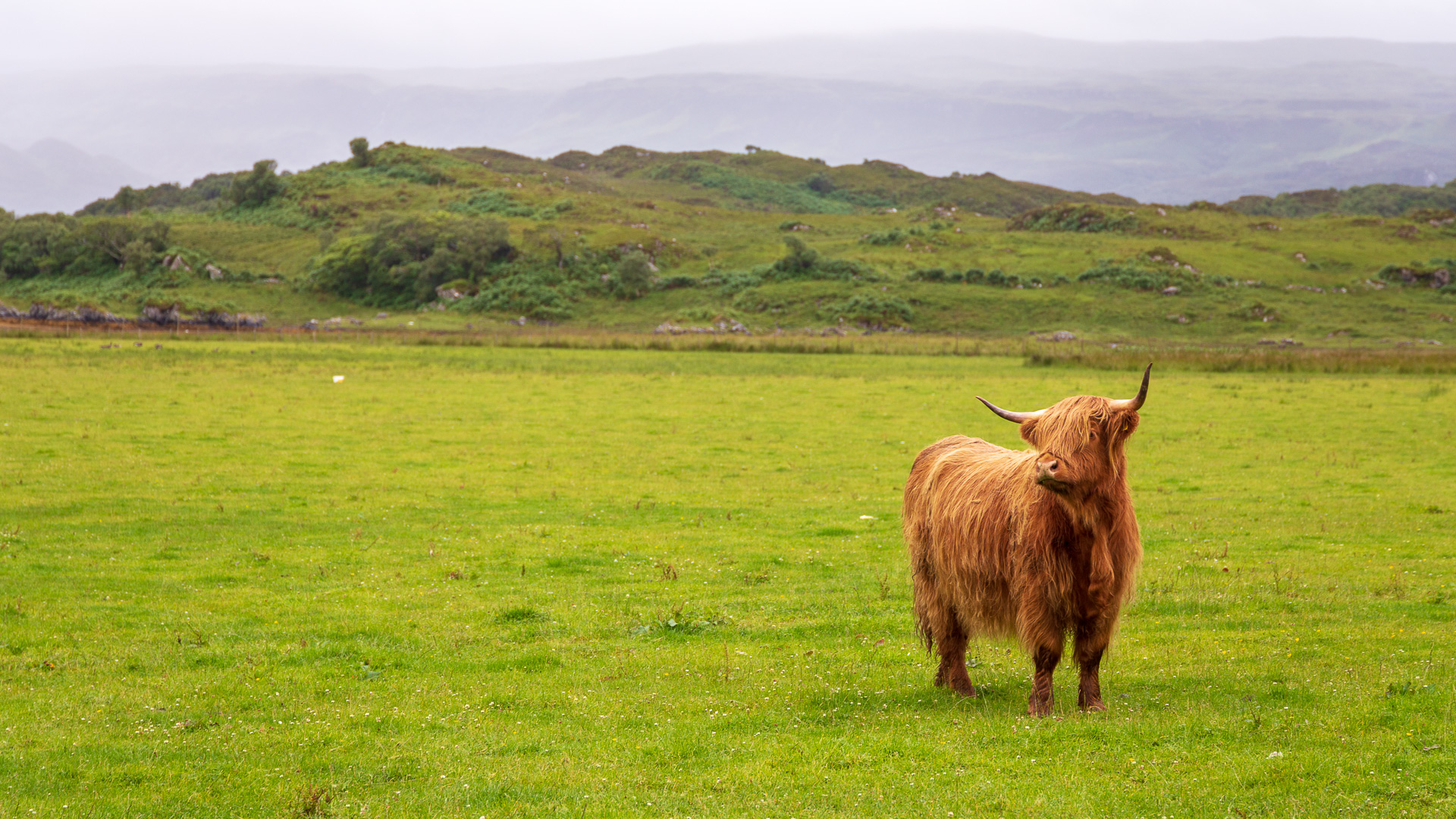
Thanks to the low population and the narrow land bridge, rare species have found a refuge on Ardnamurchan. There are golden eagles and white-tailed eagles here, pine martens and red deer – alongside, of course, the inevitable sheep and Highland cattle.
Particularly interesting: a number of pure Scottish wildcats have survived on the peninsula – so many, in fact, that a dedicated initiative gathers wildcats from across Scotland and attempts to reintroduce them here on Ardnamurchan. The Wildcat Haven project runs the reserve – though visitors are unlikely to actually spot these shy animals.
How Is Ardnamurchan Pronounced?
The name comes from the Gaelic “Àird nam Murchan”, pronounced roughly as “Aird nam Murrachan”:
Most visitors simply pronounce it “Ard-na-mur-khan”. The name itself means “peninsula of Murdie”.
The Best Attractions on the Ardnamurchan Peninsula
The peninsula’s attractions include beaches, nature, and castles too. Here are the best of them.
The Caldera and Sanna Beach
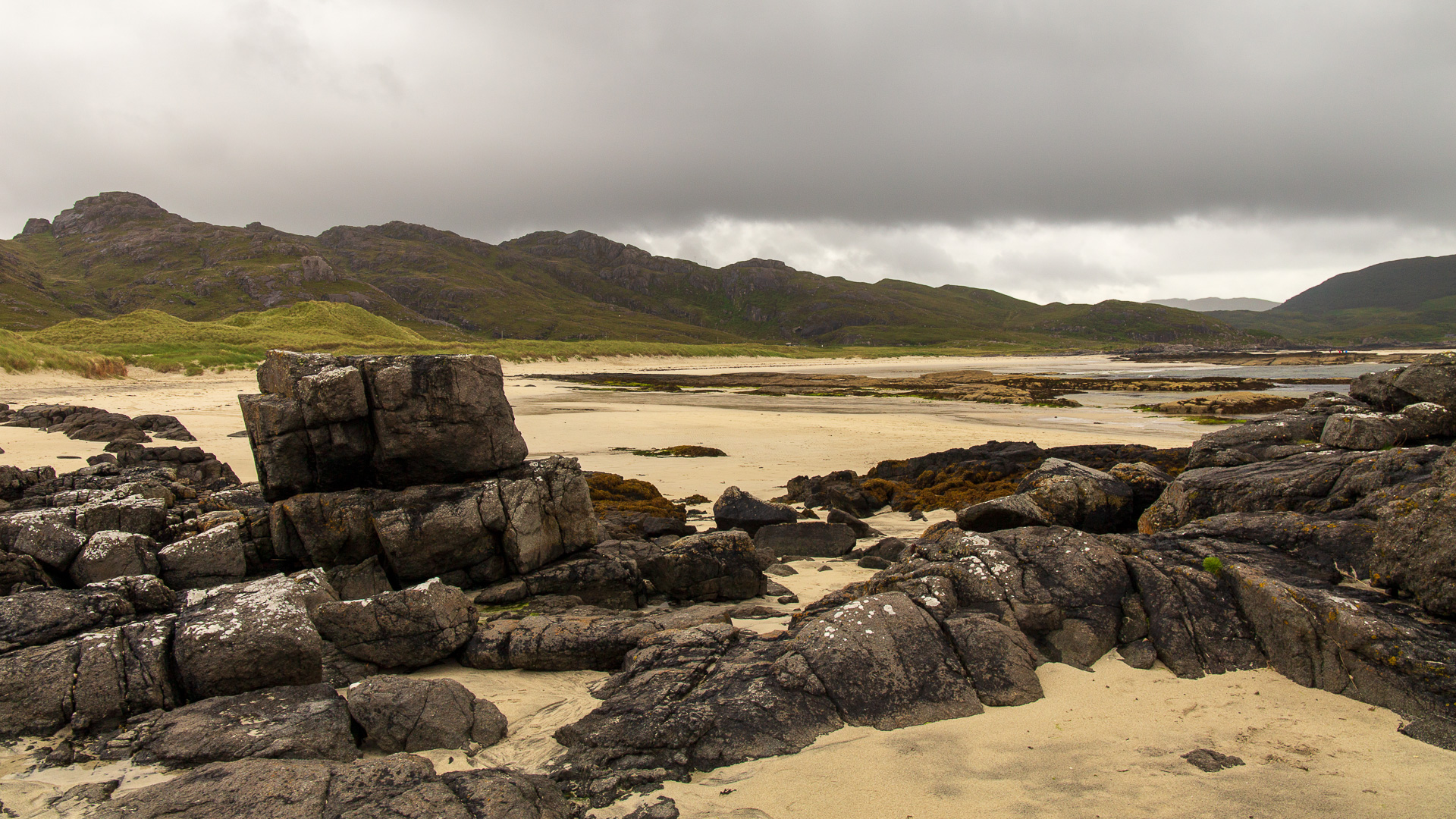
Right in the far west of Ardnamurchan lies Sanna Beach, a truly beautiful sandy beach. The route there leads through the peninsula’s caldera, the crater of the magma chamber of a huge volcano. The caldera feels wild, bounded by sharp-edged mountains.
More on Sanna Beach here.
Ardnamurchan Point and Lighthouse
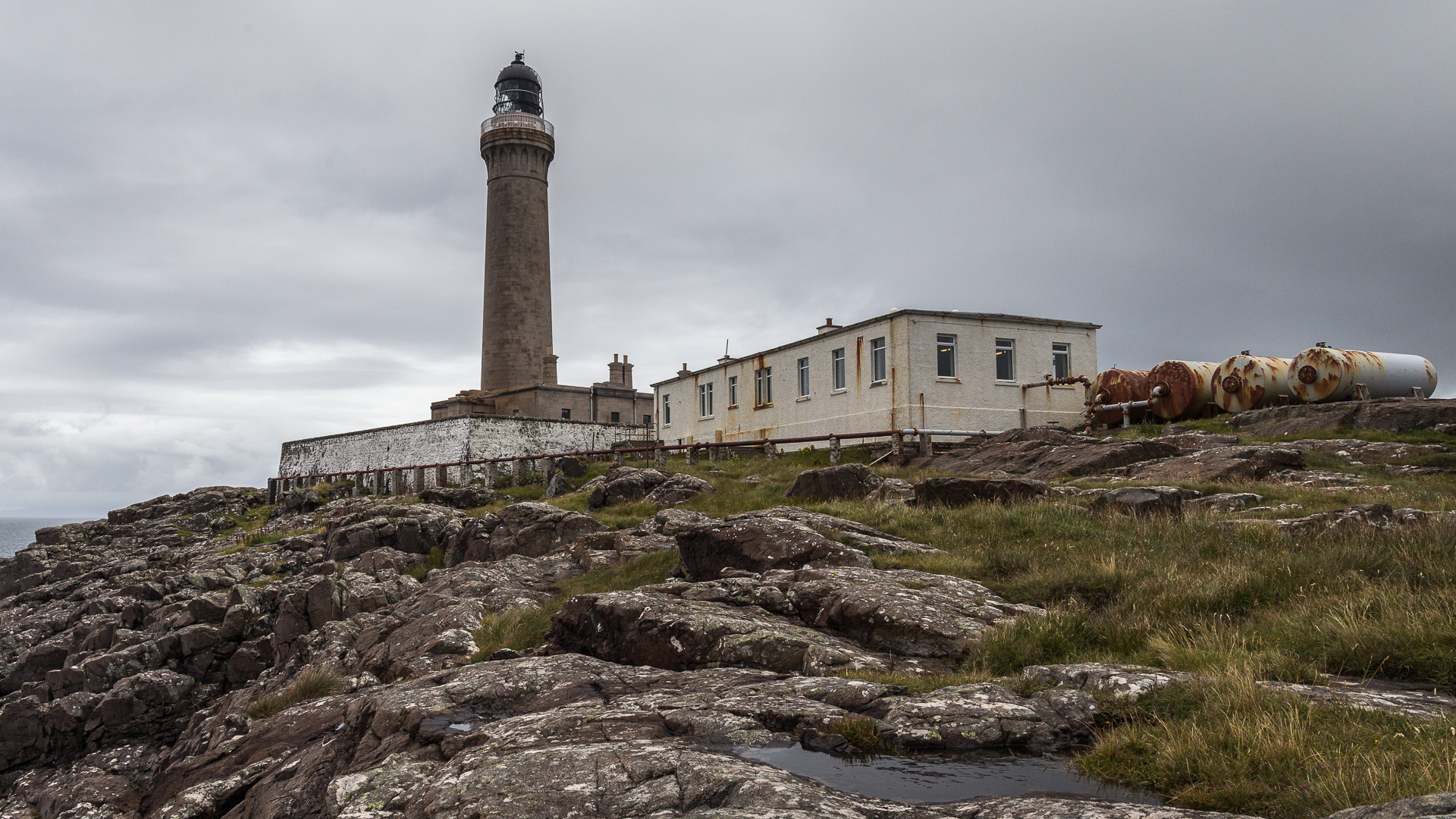
The lighthouse is also the westernmost point of the British mainland. The Ardnamurchan Lighthouse also boasts a rather unusual Egyptian-style architecture.
More information on Ardnamurchan Lighthouse here.
Ardnamurchan Distillery (also known as Adelphi Distillery)
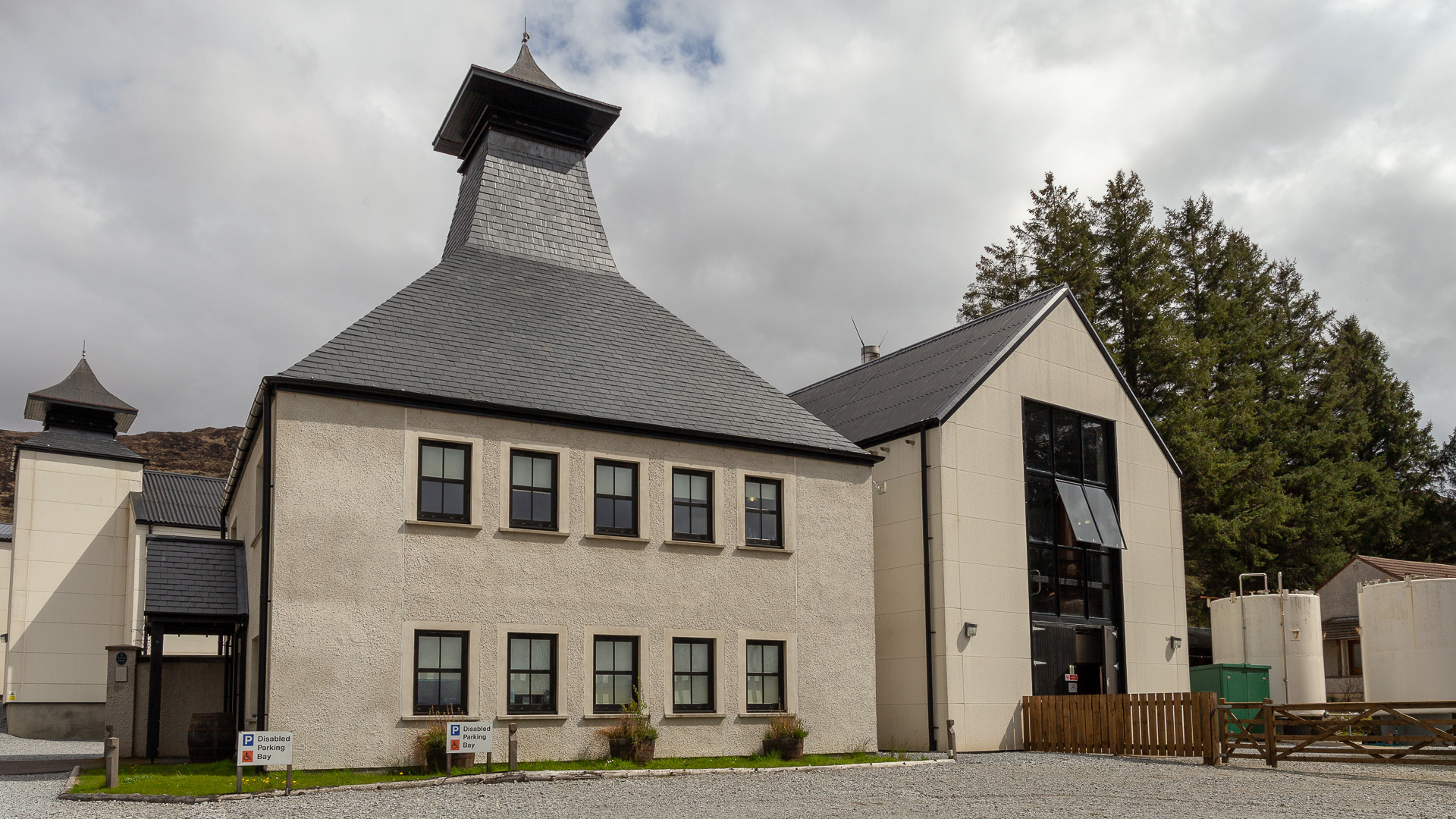
It will still be a while before this distillery’s whisky is fully matured and on sale. In the meantime, though, visitors can already tour the distillery and join a tasting. You still get a dram at the end of the tour – just from a different distillery.
More information on Ardnamurchan Distillery here.
Mingary Castle
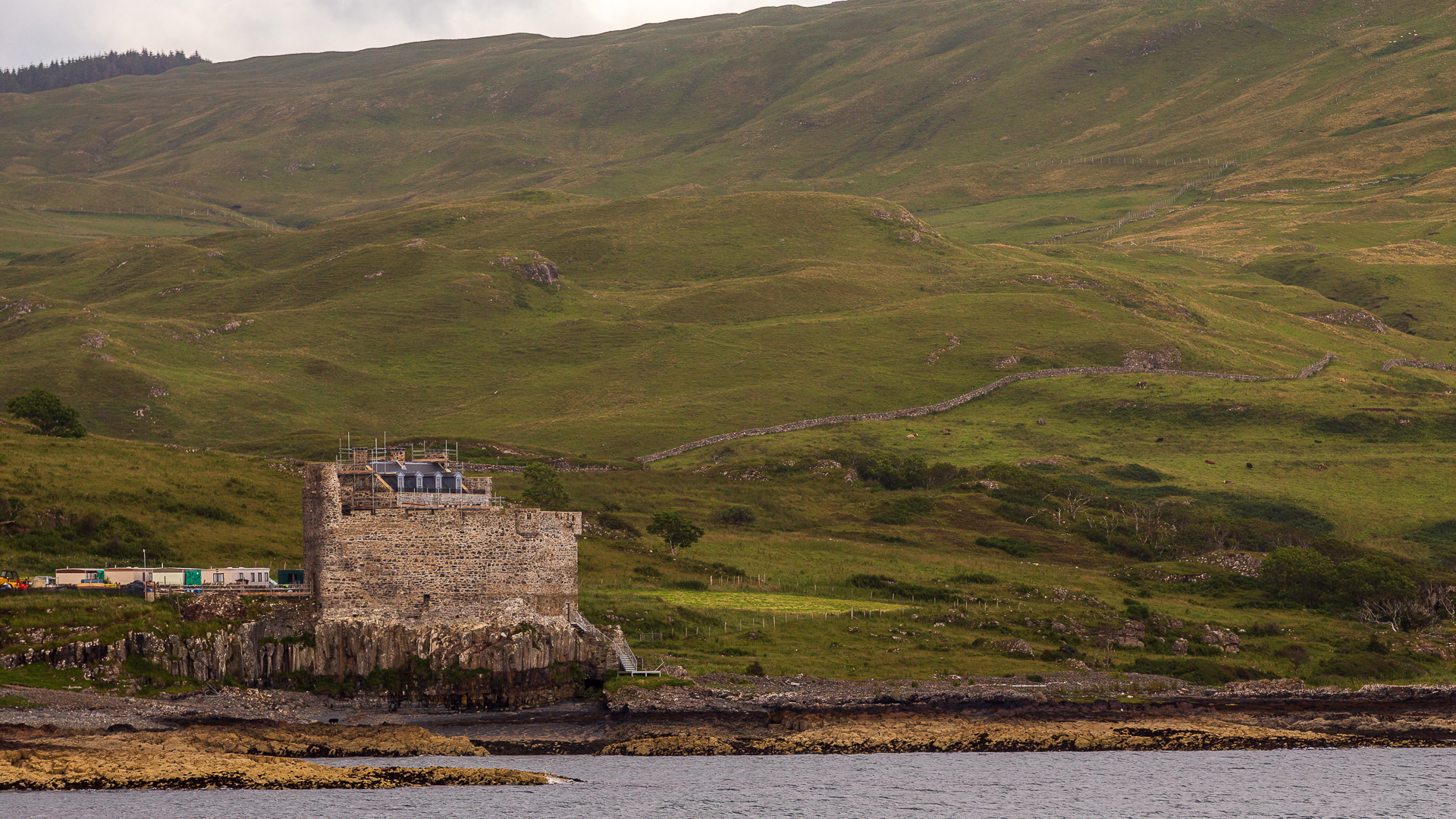
Once the seat of the MacIains, who ruled Ardnamurchan, it’s now a hotel. The castle can’t be visited inside, but a look from the outside is well worth it regardless. It’s also clearly visible from the ferry terminal to Tobermory.
More information on Mingary Castle here.
Camas nan Geall
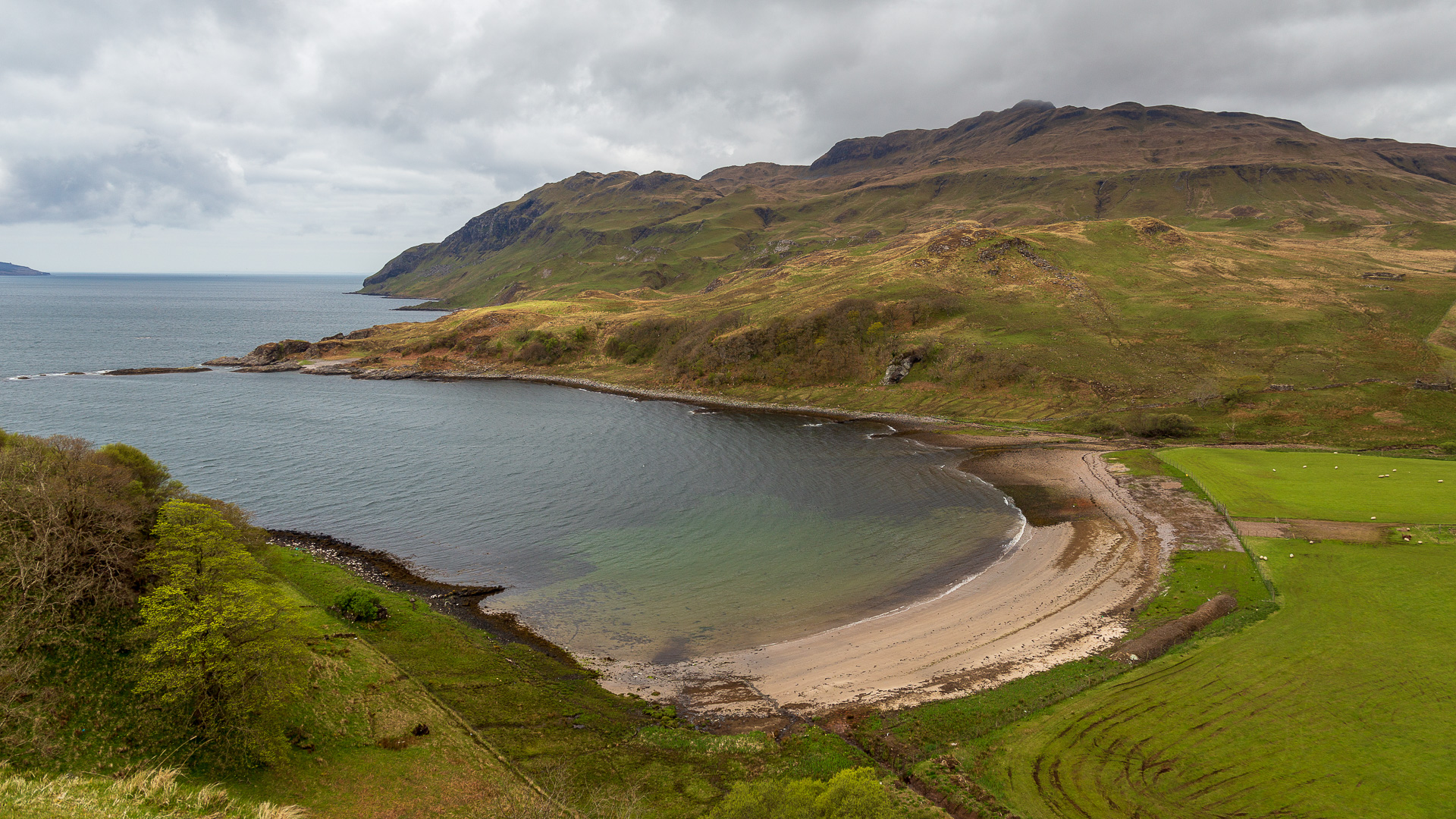
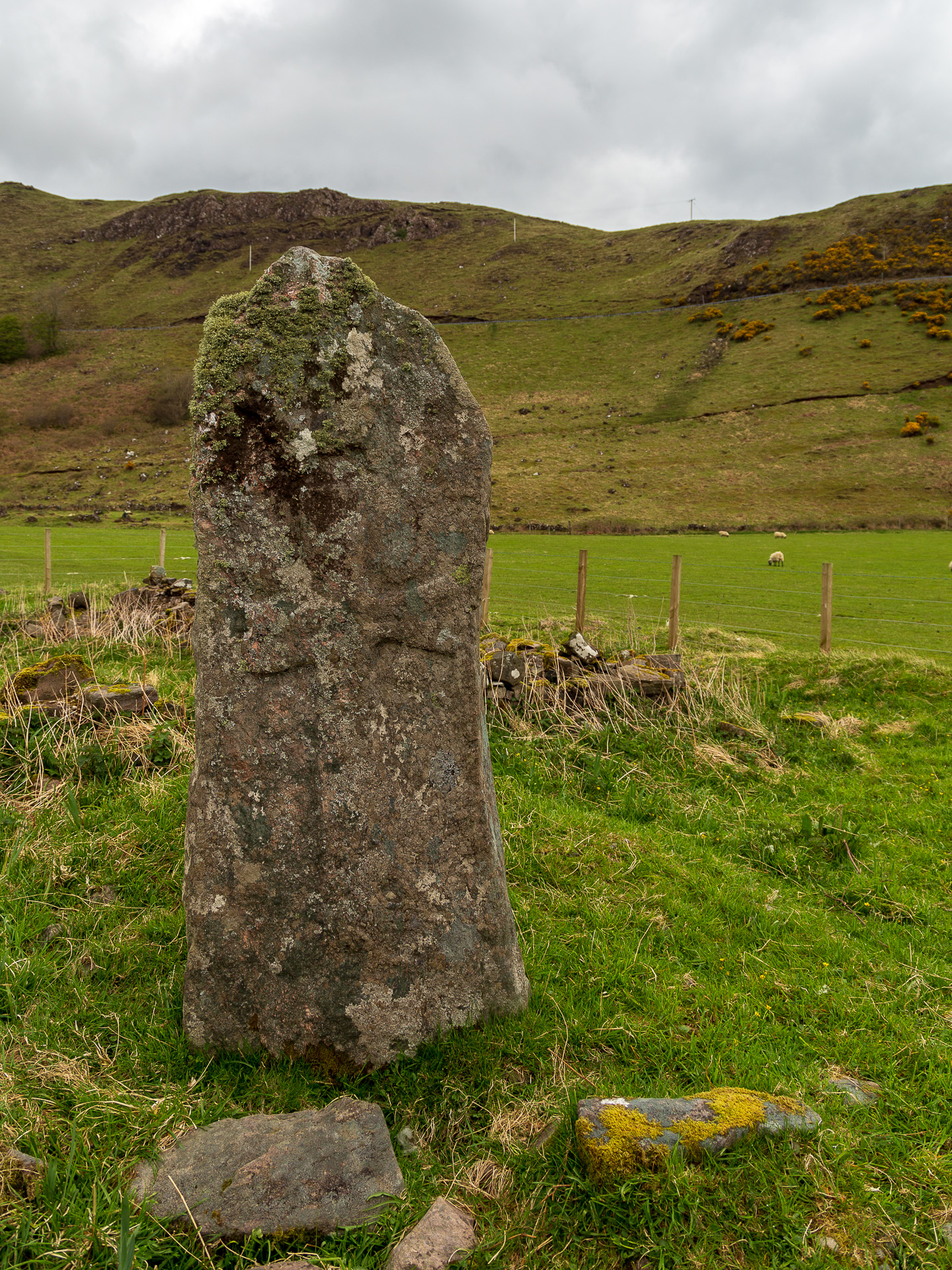
The bay isn’t just beautiful – it also traces the history of settlement on Ardnamurchan. There’s a Neolithic cairn, a Bronze Age standing stone, and the remains of a settlement dating up to the 19th century. The bay lies well below the road, but the walk down is worth it.
Nàdurra Visitor Centre
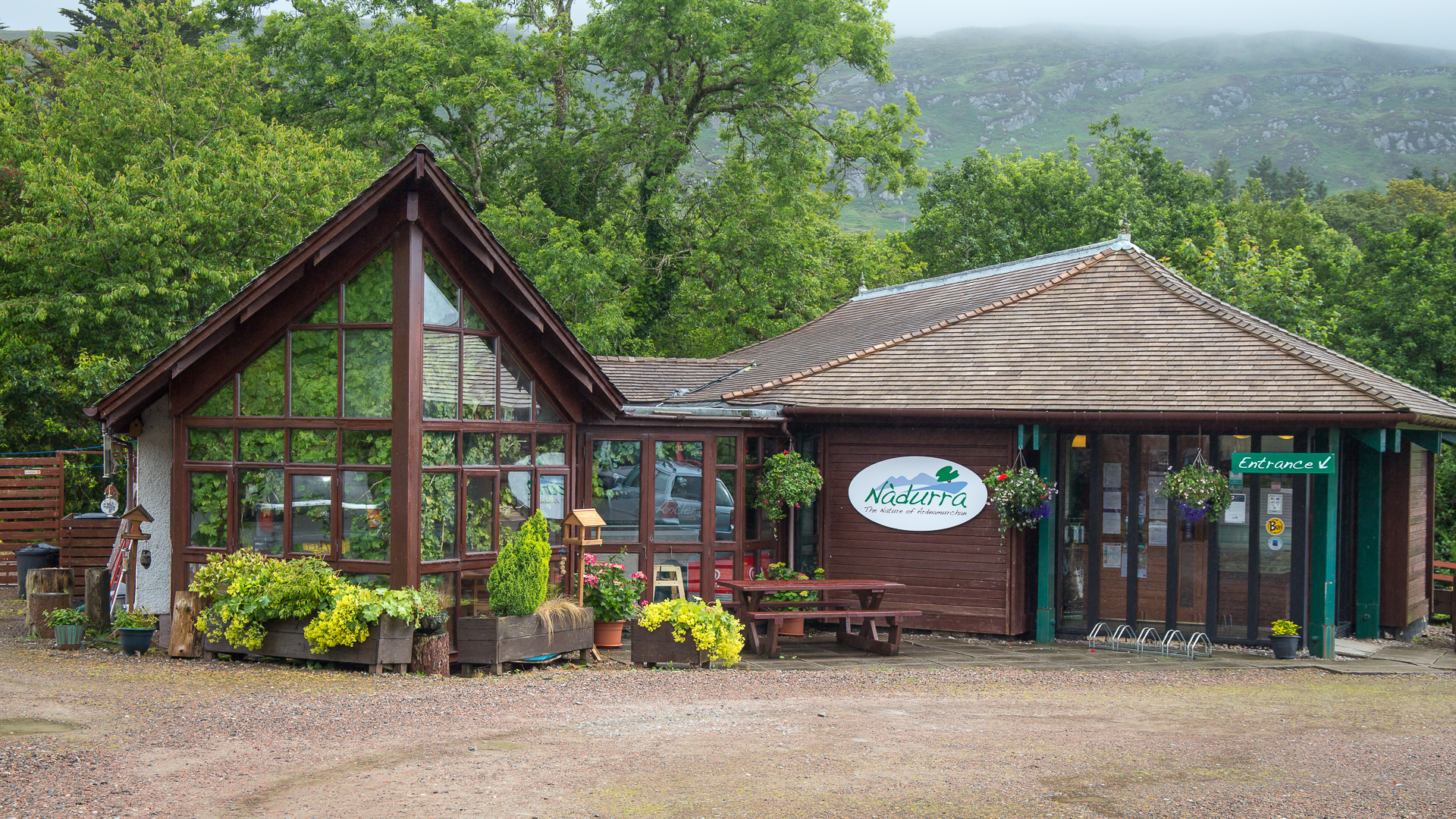
The Nàdurra centre (nàdarra being the Gaelic word for “natural”) also demonstrates just what a natural paradise Ardnamurchan is. Inside, visitors learn plenty about the peninsula’s animals and plants. There’s also the “Antler’s Tearoom”, where visitors can eat and drink.
More information on the Nàdurra Centre here.
Castle Tioram
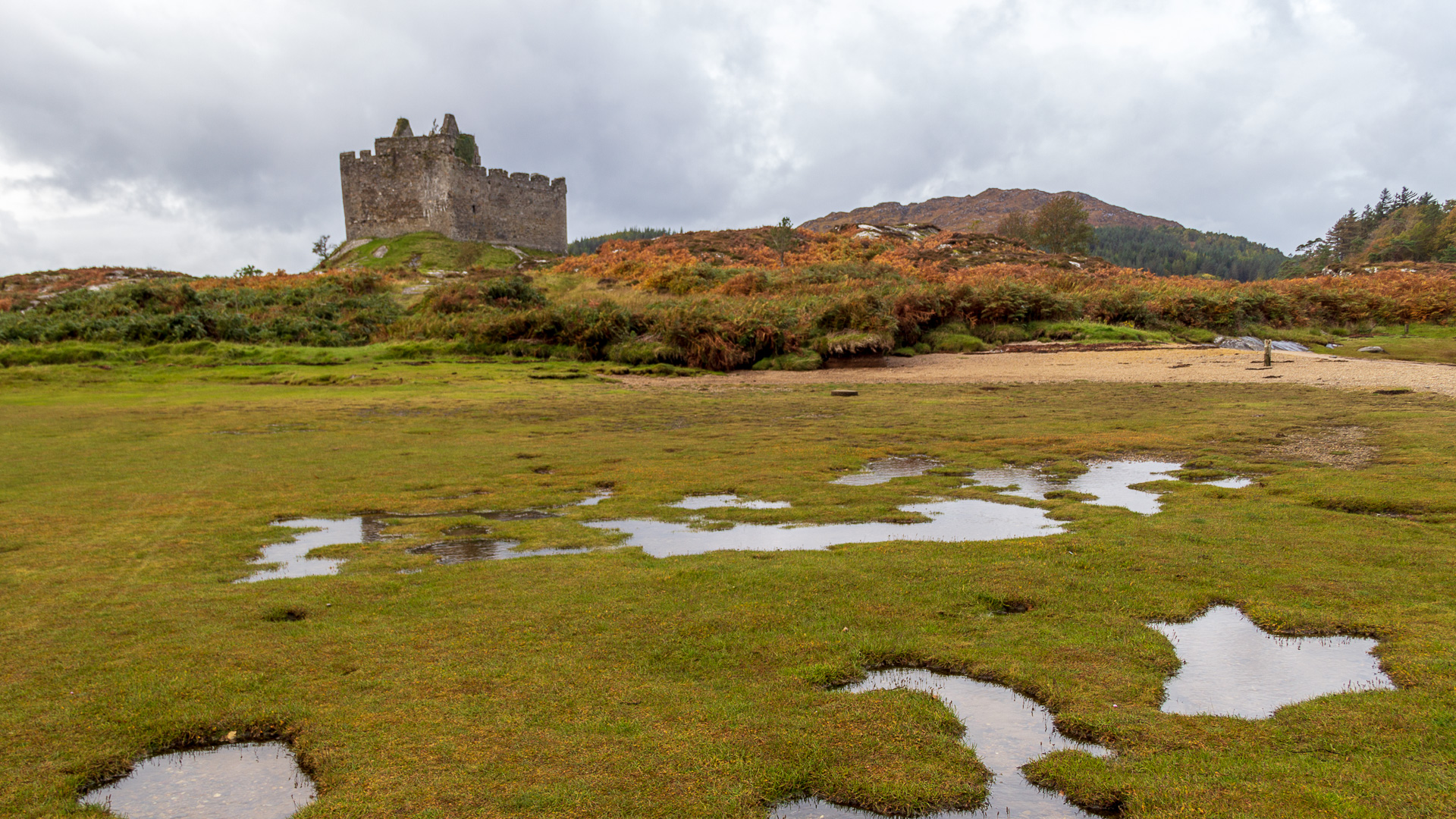
Technically, Castle Tioram doesn’t belong to Ardnamurchan but to Moidart. However, it sits right on the route if you’re approaching from the north. Tioram stands on a tidal island surrounded by sand. The castle can’t be entered, but you’re welcome to walk around it. Tioram is a former seat of the powerful Clanranald.
More information on Castle Tioram here.
What Else to Experience in Ardnamurchan?
Beach walks: Sanna Beach in particular is perfect for a long stroll by the sea through gorgeous white sand.
Hiking: From easy walks, such as around Castle Tioram, to mountain hikes up Ben Hiant, there are plenty of worthwhile routes. Walkhighlands offers a good overview of routes in Ardnamurchan.
Geopark: Thanks to its volcanic past, Ardnamurchan is a fascinating part of the Lochaber Geopark. Information boards along the so-called “Geotrail” provide background on the rocks and the fossils often embedded in them. The Ardnamurchan leaflet features six stops with short walks.
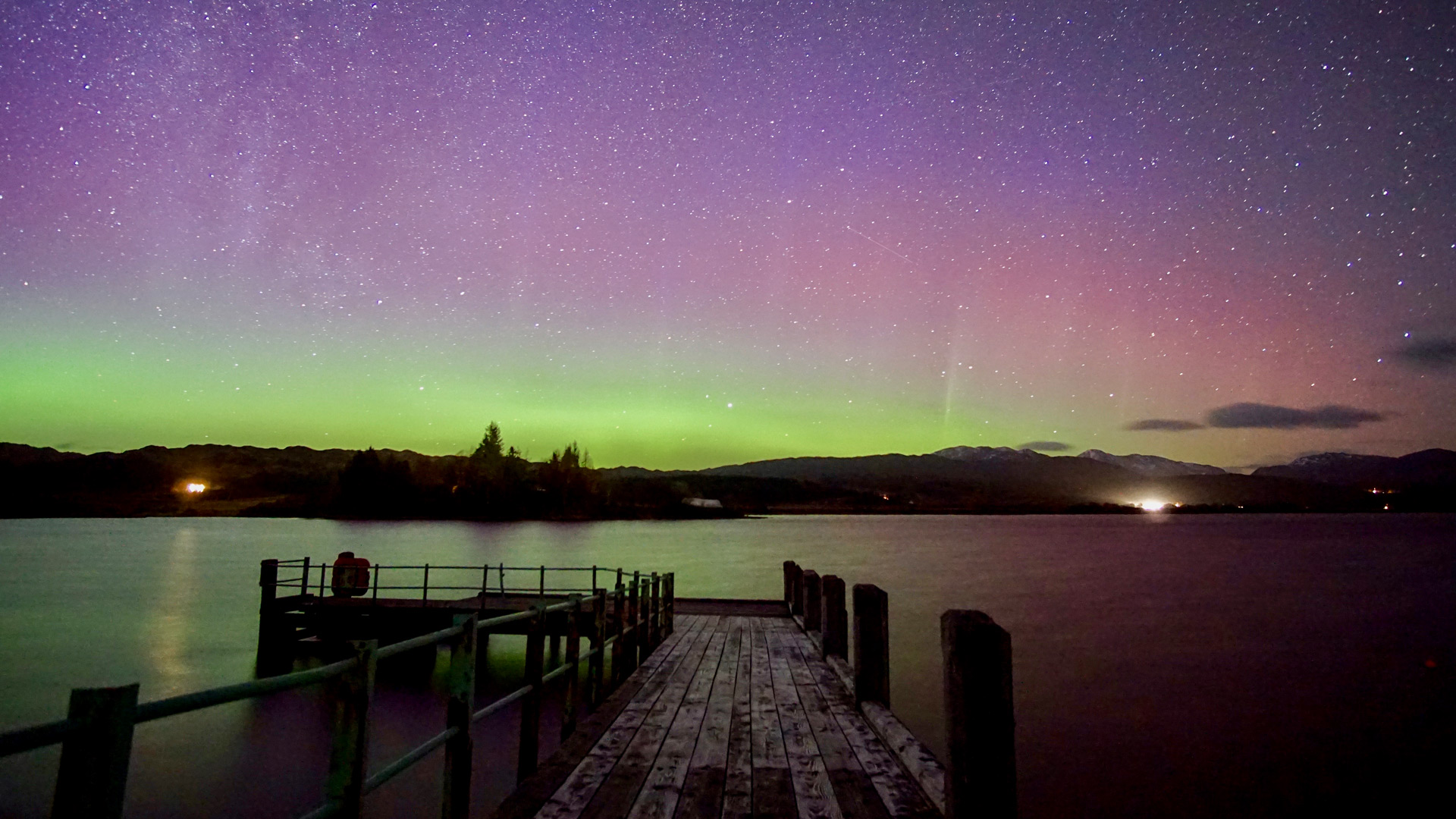
Stargazing: Especially in autumn and winter, the northern lights often put in an appearance over the peninsula. Since there’s virtually no light pollution, the phenomenon can be admired beautifully – provided, of course, the sky is clear. A great base for this, and for good baking too, is the Salen House B&B, run by Ellen Kammerath.
Weather and Climate: Best Time to Visit Ardnamurchan
Since Ardnamurchan lies on the Atlantic coast in the west, the weather here can change quickly. It can have wonderfully beautiful days, but it’s certainly very rainy. While the capital, Edinburgh, averages around 700 millimetres of rainfall a year, the nearest weather station at Dunstaffnage records 1,680 millimetres a year – more than twice as much.
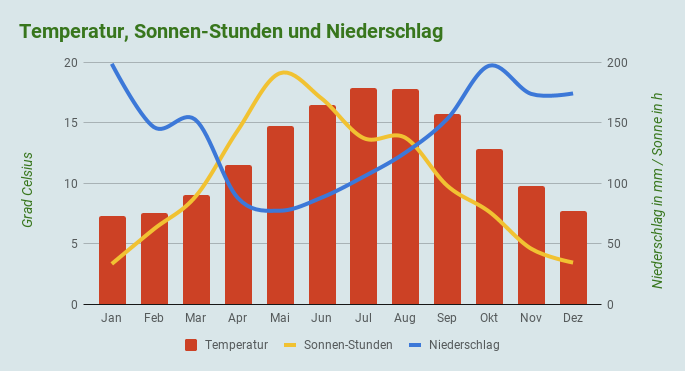
As in almost all of Scotland, the best month to visit is May. There are usually no midges around yet at this point, rainfall is at its lowest, and the days are long and sunny. June, July and August are, of course, still fine too, with the caveat that the odd biting fly does tend to show up.
In favour of the winter months, on the other hand, is that this is the time when the northern lights and stars can be observed well – provided the sky is clear. However, the Nàdurra wildlife centre, for instance, is closed from November, and distillery tours run less often.
Getting There: Ferry and Roads to Ardnamurchan
One of the usual routes runs via the Road to the Isles, the A830 between Fort William and Mallaig. Near Lochailort, the A861 branches off towards Salen, Acharacle, and a few other settlements. About 30 kilometres further by car, the road reaches Acharacle, marking the start of Ardnamurchan.
Continue on the road all the way to Kilchoan, and you reach the ferry to Tobermory. That makes Ardnamurchan a scenically wonderful route to or from the Isle of Mull, for instance. The ferry between Kilchoan and Tobermory runs between 7:15am and 7:15pm, roughly every one and a half to two hours. The crossing takes just over half an hour and costs around £9 for a car and £3 for a passenger.
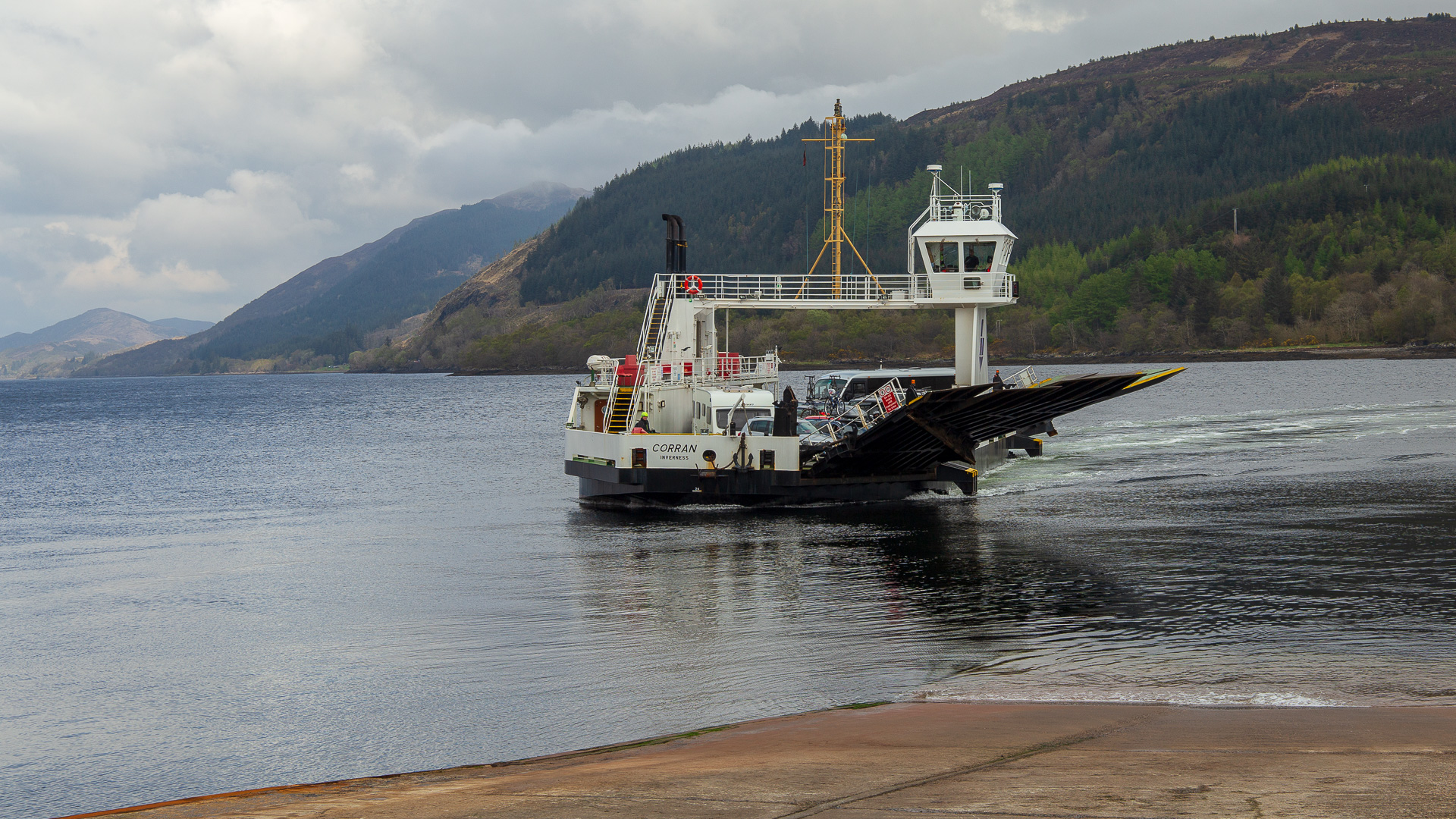
If you want to avoid Fort William, and arrive or depart via Glencoe, for instance, there’s a shortcut via the Corran Ferry, also known as the “Ardgour – Nether Lochaber Ferry”. It crosses every 20 or 30 minutes between 6:30am and 9:30pm; the crossing costs £8 and takes ten minutes.
History: Of Land and Clan
The early history of Scotland is always also the history of the glaciers of the last ice age – it was they who shaped the beauty of the lochs and glens. But to explain Ardnamurchan’s appearance, we need to go back even further. 60 million years!
Back then, Ardnamurchan was one of the areas with high volcanic activity – the large caldera bears witness to this. And that’s exactly what makes the peninsula an El Dorado for geologists today. There are fascinating rock layers and fossils to be seen here, which is also why the Geopark exists.
Otherwise, Ardnamurchan’s history closely mirrors that of the surrounding islands. There is evidence of human presence here since the Neolithic and Bronze Age too, such as the standing stone at Camas nan Geall.
The invaders from the north – the Vikings – also gained a foothold in Ardnamurchan. The excavation of a ship burial at Port an Eilean Mhòir, near Kilchoan, even shows that the Norsemen passed through here as early as the 10th century. Viking rule here didn’t end until the 13th century – and bloodily so: in 1266, the local ruler Muchdragon MacRi Lochlunn was killed on the mountain Ben Hiant.
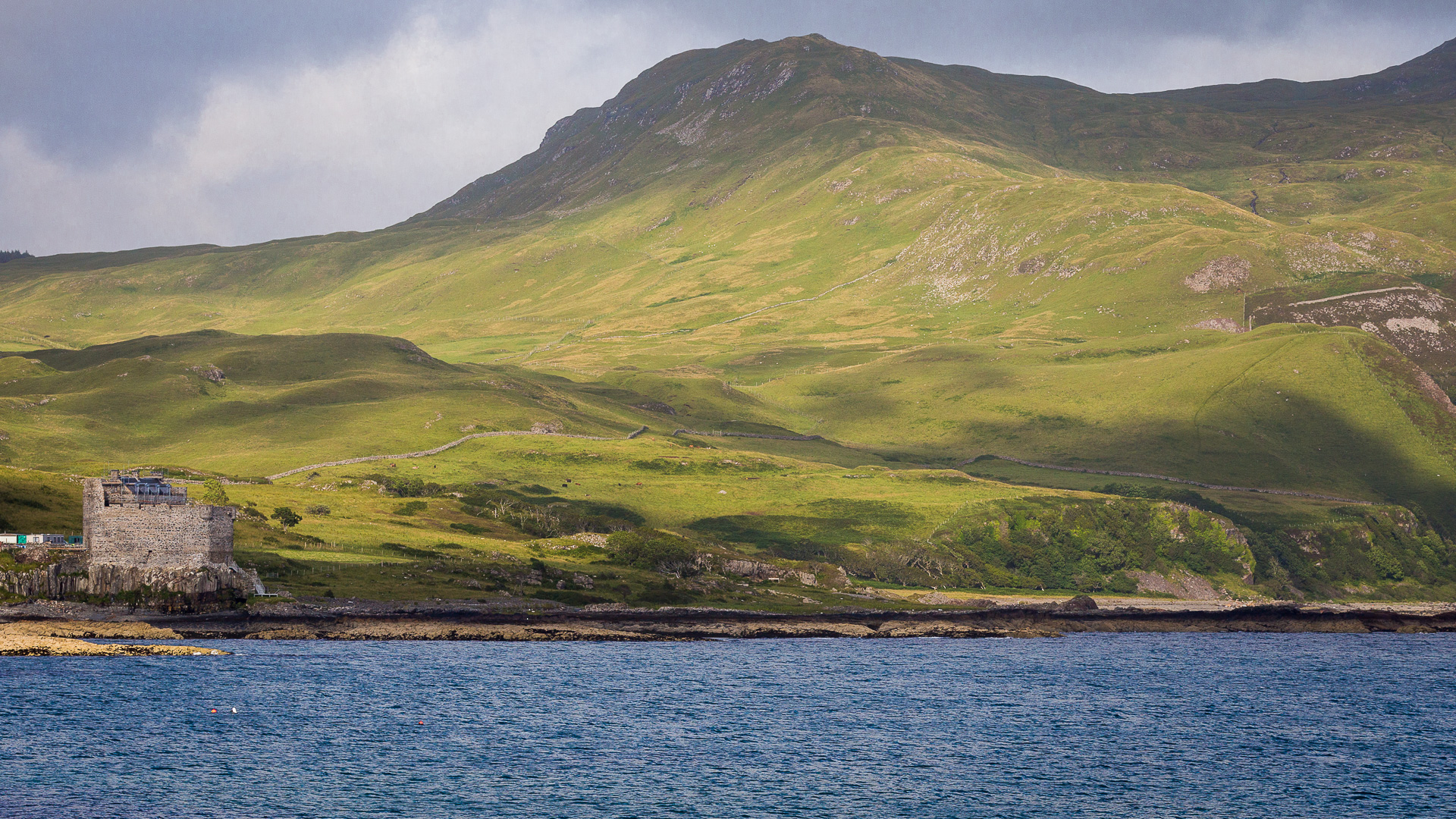
After that, the Lords of the Isles ruled here first, then the Scottish crown, which granted a fiefdom to Clan MacIan. Their seat was Mingary Castle. Later, the Earl of Argyll – that is, the Campbells – took over control here.
After the defeat at Culloden, the Highland Clearances began on Ardnamurchan too. Right up into the second half of the 19th century, residents were resettled or driven out. Between 1841 and 1851, the population figure in the statistics falls from over 5,151 to 2,269.
That’s how Ardnamurchan became the sparsely populated wilderness it is today.
