Set idyllically on the River Clyde, New Lanark offered the mill workers a home that set new standards in humanity. Today it’s a UNESCO World Heritage Site. What made it so special?
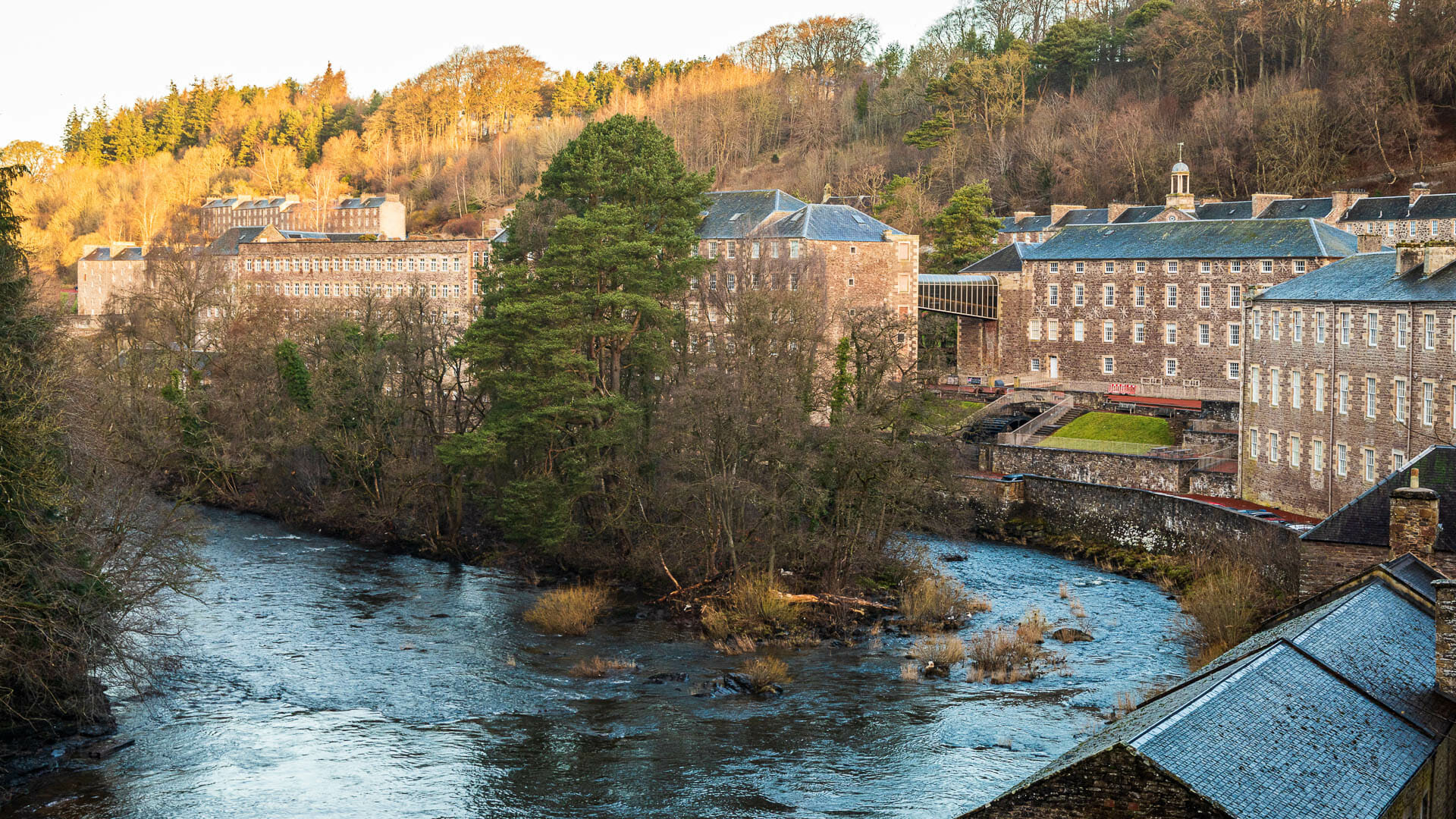
The late 18th century. Industrialisation is gathering pace, and the Highland Clearances are driving the rural population into the cities, or even to new continents. The situation of this new working class is dire. Most live crammed into small rooms in Glasgow or Edinburgh – dirty, dark, and exploited. But here, things were meant to change. Because here, visionaries wanted to build a better world for workers and their families. Here, in the mills of New Lanark.
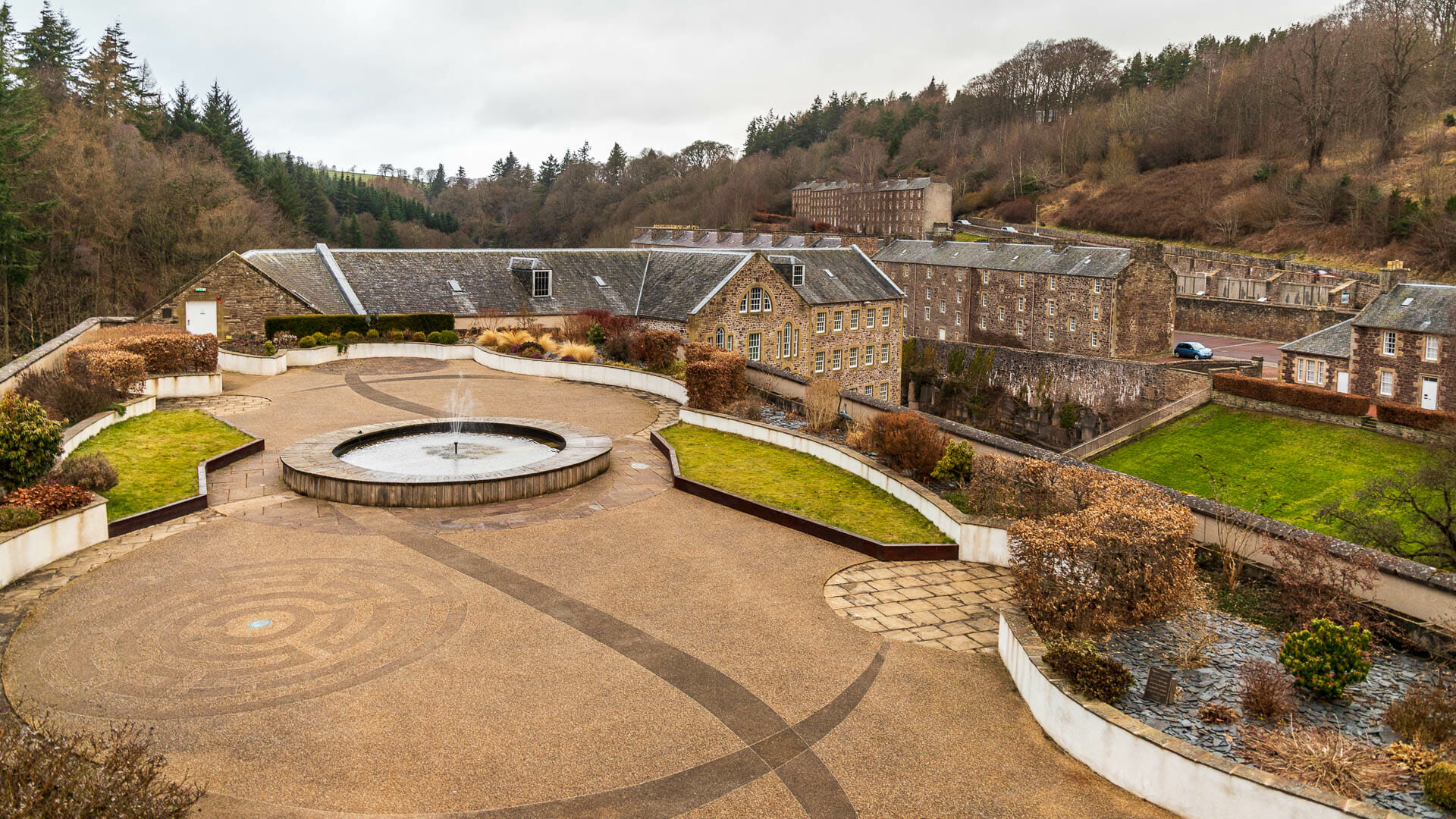
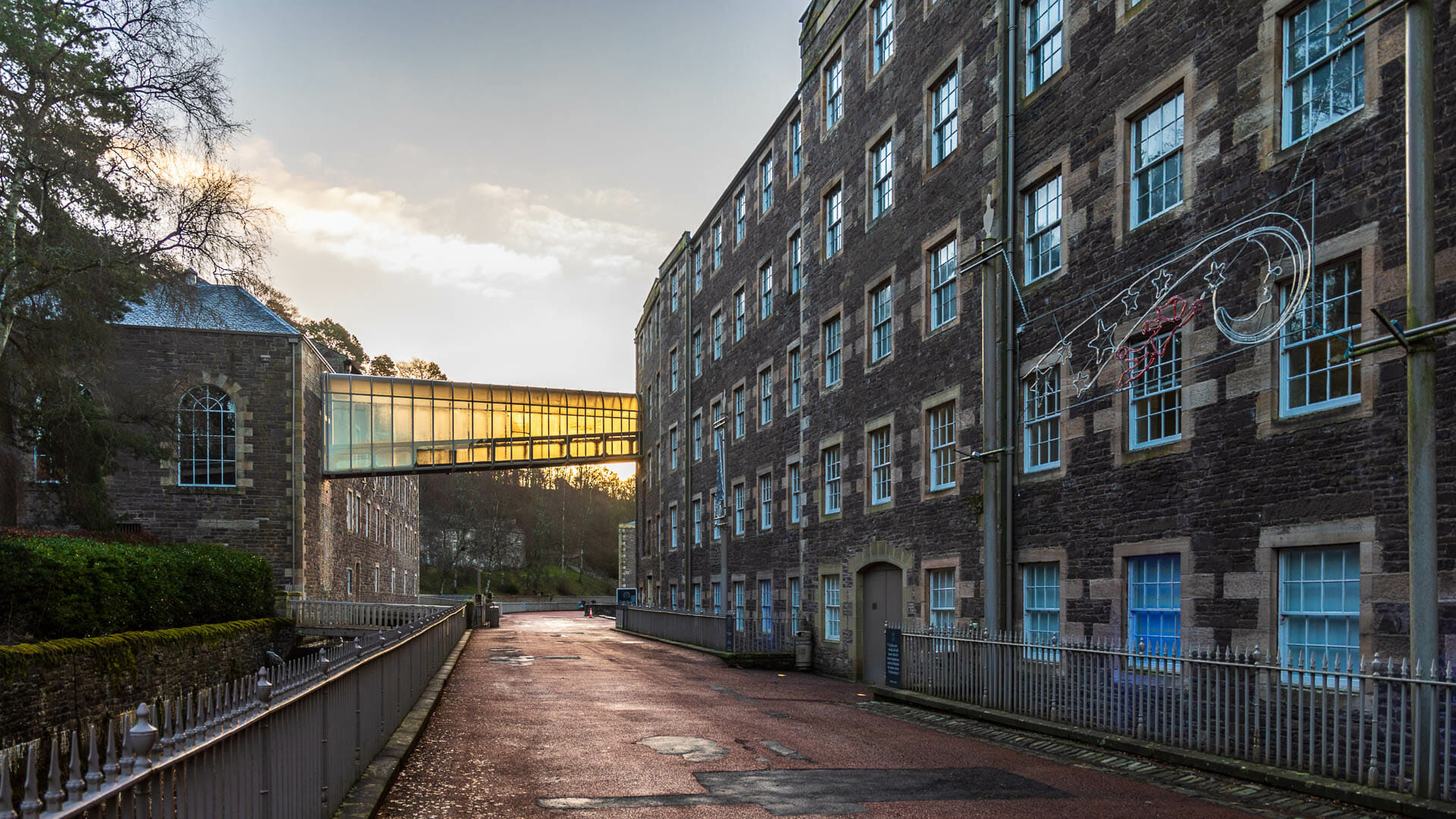
Visitors today might not sense that positive idea straight away. New Lanark is made up of large residential buildings and equally large mill buildings, admittedly surrounded by woodland and overlooking the falls of the River Clyde. Yet there are hardly any people in this settlement. It feels rather eerie and unsettling. So why should this place stand for a better world?
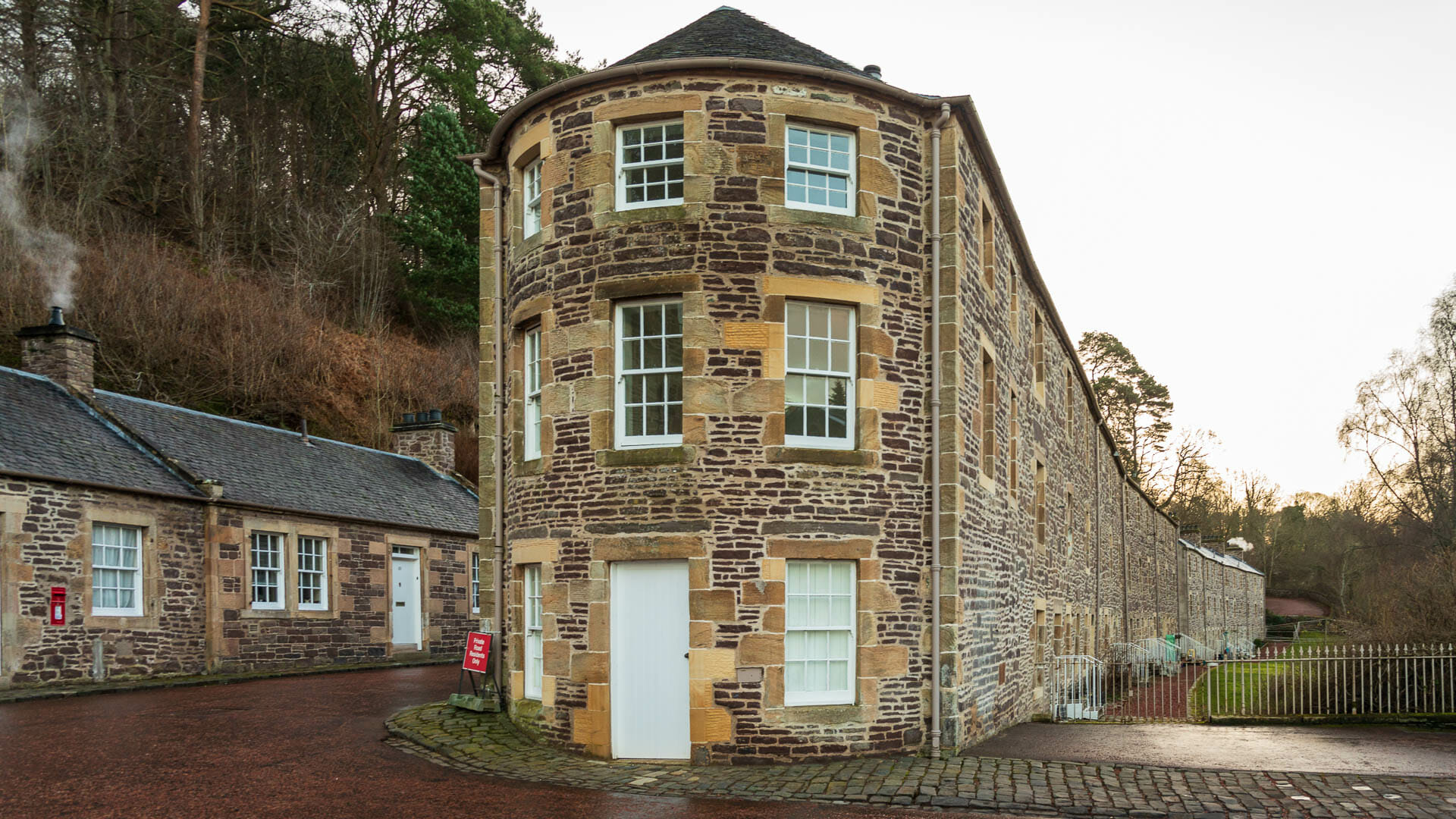
Back in 1785, reality looked rather different: child labour was the norm. There was no time – and no money – for education. Work in the factories was gruelling, and evenings back in the city’s housing were dirty and foul-smelling. When David Dale and Richard Arkwright founded new cotton mills below the Royal Burgh of Lanark, they had a revolutionary idea in mind: free education for the children!
By the standards of the time, that was indeed generous. Even so, the children still had to work eleven hours a day before being allowed two hours of reading, writing and arithmetic. But with Dale and Arkwright, the improvements were only just beginning.
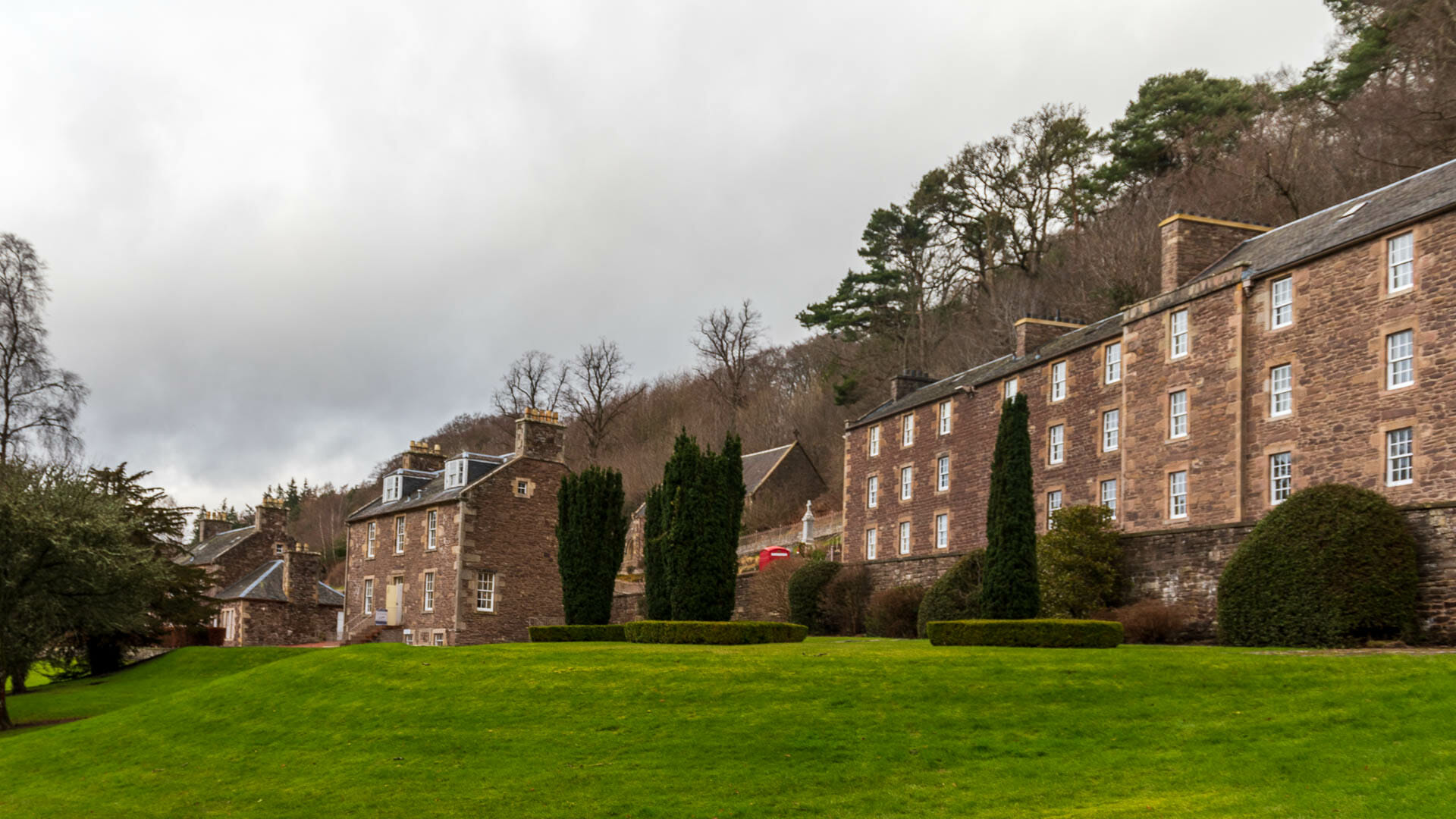
Dale’s son-in-law, Robert Owen, went even further. He further reduced working hours for all employees, eventually down to just eight hours. Children under ten were no longer allowed to work at all. There was a doctor on site, and rather than imposing draconian punishments, workers’ performance was measured using a “Silent Monitor” – a four-sided piece of wood whose coloured face showed, at a glance, how well the worker was doing.
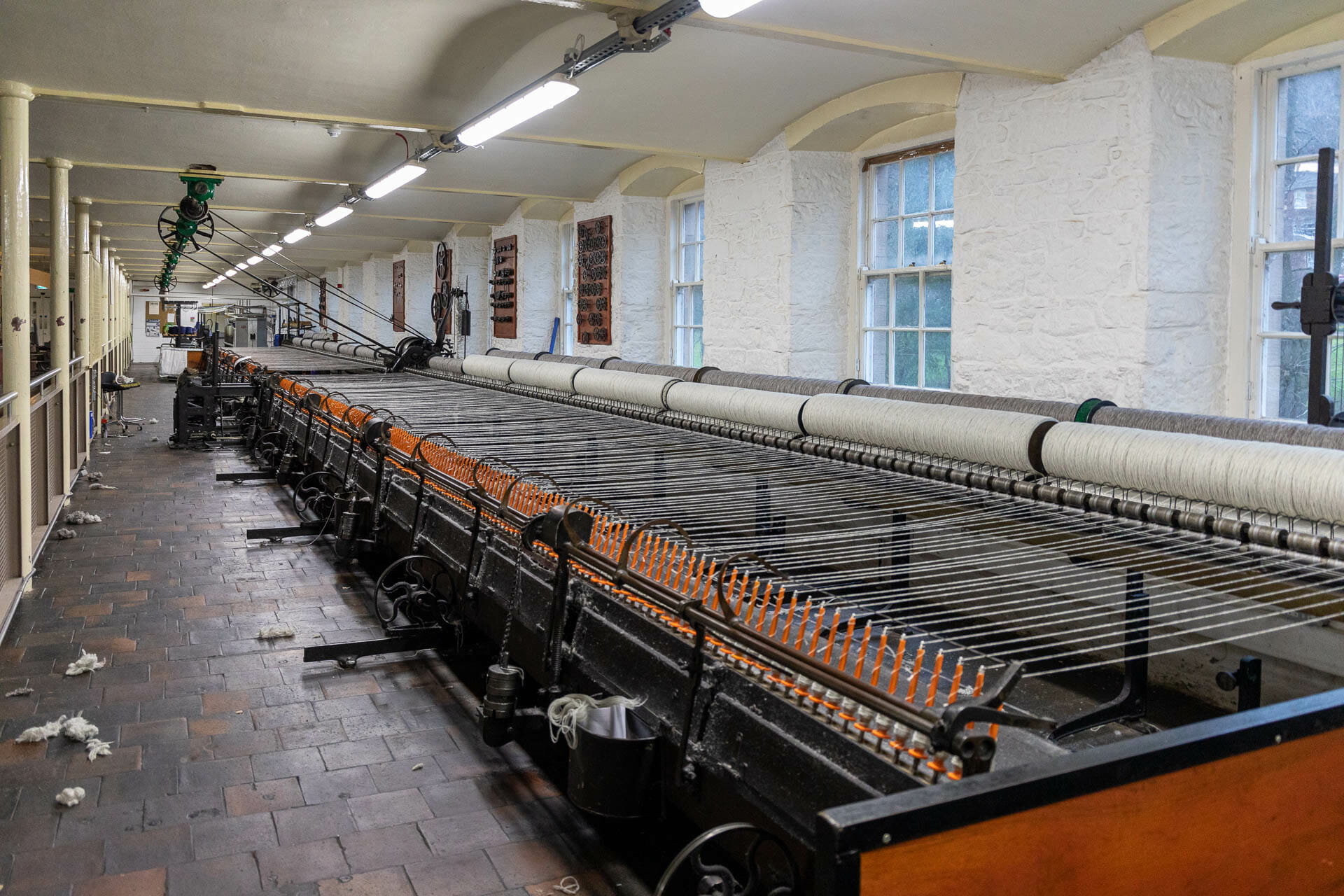
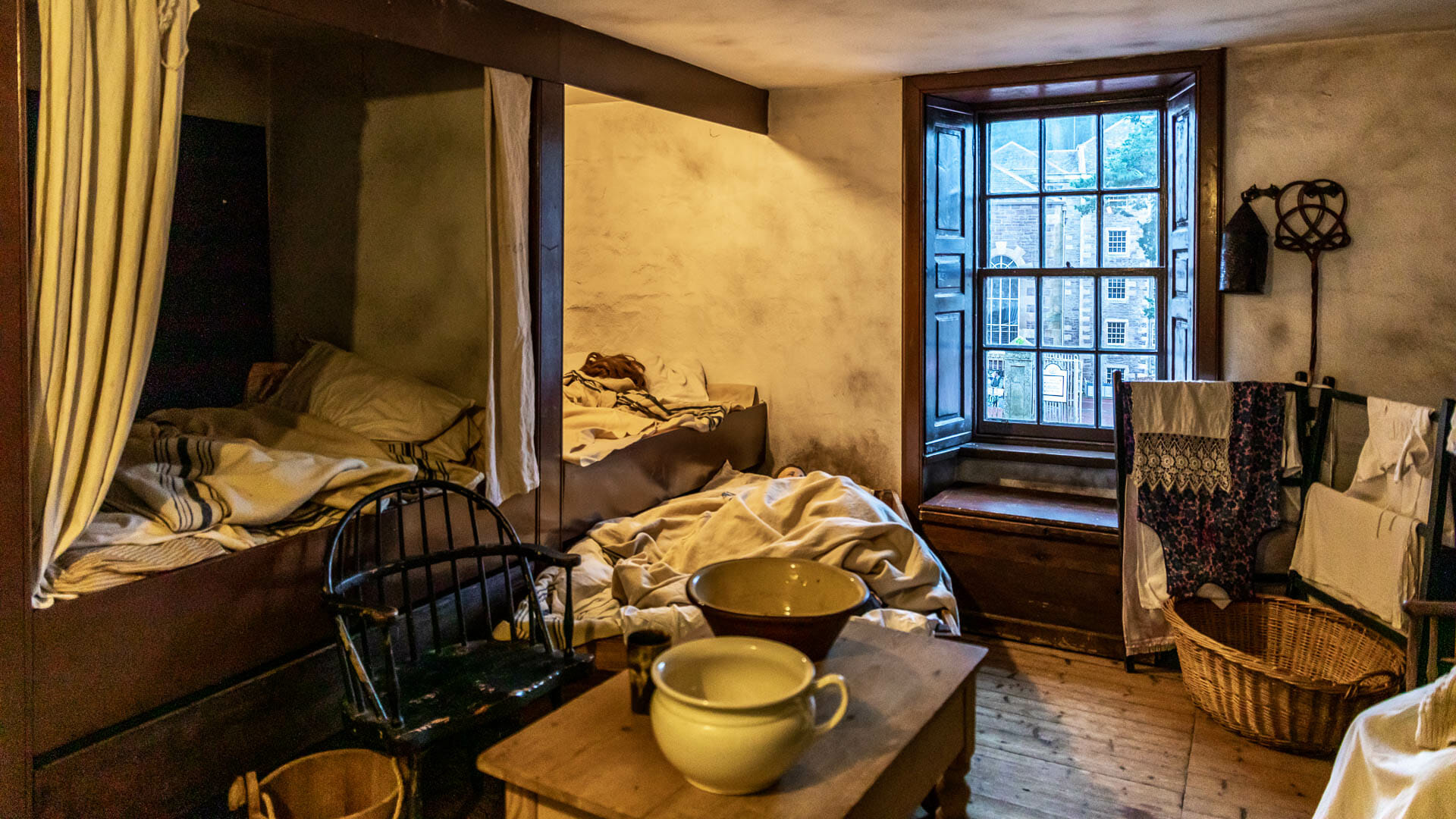
The streets and halls that feel so empty to us today were full of people in the 19th century. Around 2,500 lived here, 500 of them children. Today’s visitors can get a real sense of these living conditions – some of the flats are part of the tour through New Lanark. What feels cramped to us today was, at the time, close to luxury for workers. Even so, discipline was strict: the flats were regularly inspected for cleanliness and vermin. The cleanest flat had a houseplant placed in its window – a mark of pride, and an incentive for everyone else.
The mills turned a healthy profit, and workers could spend their wages straight away on everyday goods at the local shop. New Lanark became a place of pilgrimage for many European industrialists who also wanted to reform working conditions. This influence is surely one reason why UNESCO declared New Lanark a World Heritage Site in 2001.
Eventually, though, time caught up with the mill. Robert Owen, who went on to champion workers’ rights through many other projects, died penniless in London in 1858. The mills of New Lanark kept turning until 1968, before finally coming to a halt as well.
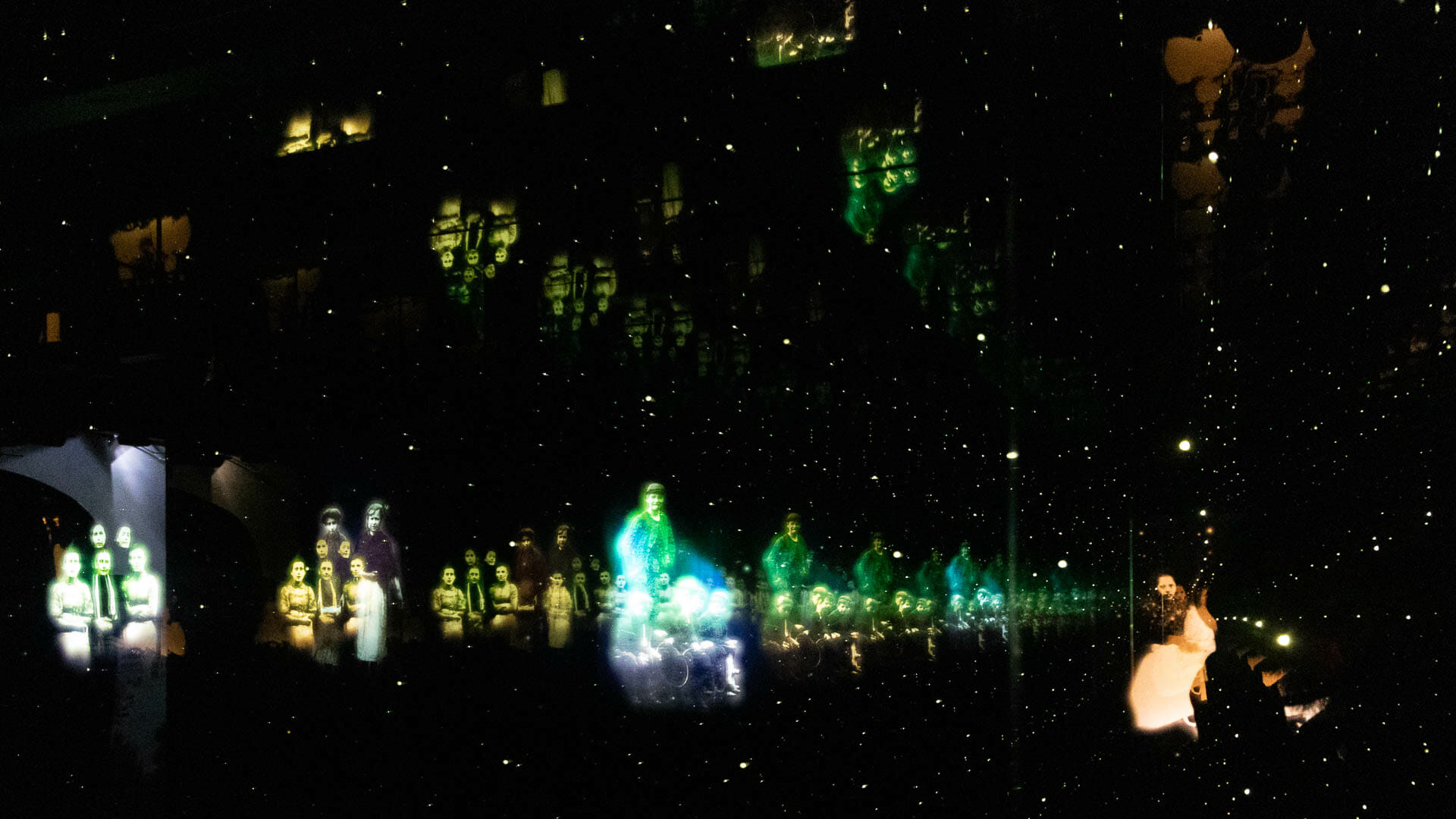
And today? Today, ghosts show us the spirit that once animated New Lanark. On part of the tour, visitors ride through a kind of ghost train, guided through the corridors by the ghost of a child named Annie McLeod. She reveals a glimpse into the everyday reality of the working families of New Lanark.
Visitors can easily spend a whole day at New Lanark. Wander among old, heavy machinery, explore the flats of workers and managers alike, and admire their wallpapers and everyday objects. Sit on the benches of the old classroom, or stroll with a locally made ice cream between the great old buildings, down to the River Clyde and its waterfalls.
The falls of the Clyde are also the view most closely associated with New Lanark.
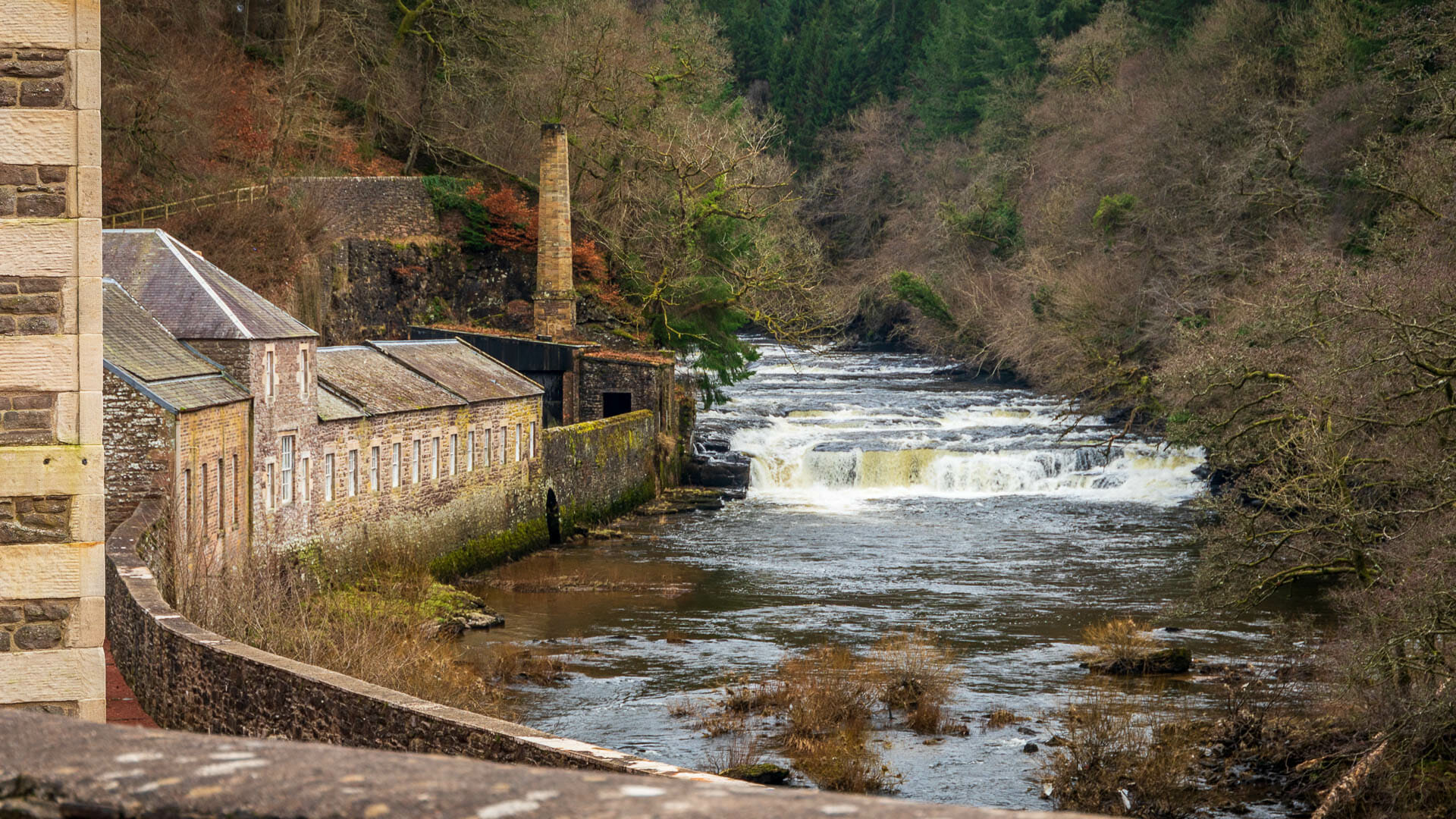
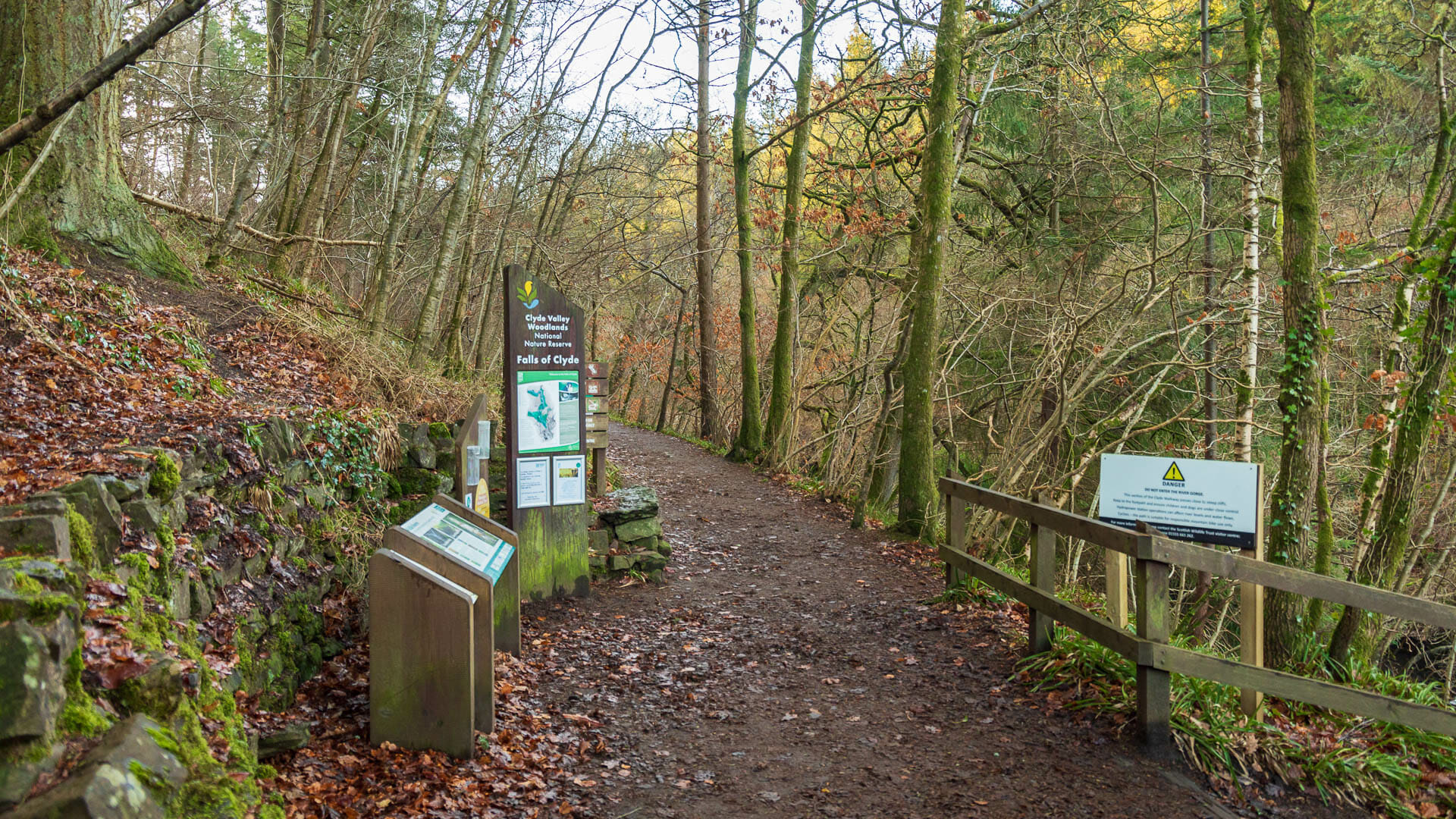
This is also where the path through the Falls of Clyde Woodland Reserve begins. Depending on how much time you have, you can walk a circular route of 10 kilometres from here.
New Lanark is a special place – one that promises a better life, that shows hope, but also the harsh reality of a bygone era. New Lanark breathes history amid wonderful natural surroundings. And it’s a place that helped shape Scotland’s history.
Good to know: New Lanark’s rescue after closure
In 1968, production ceased in the last mill. But New Lanark’s decline had already begun much earlier. Fewer and fewer flats were inhabited, one mill had burned down, and the population had long since moved away.
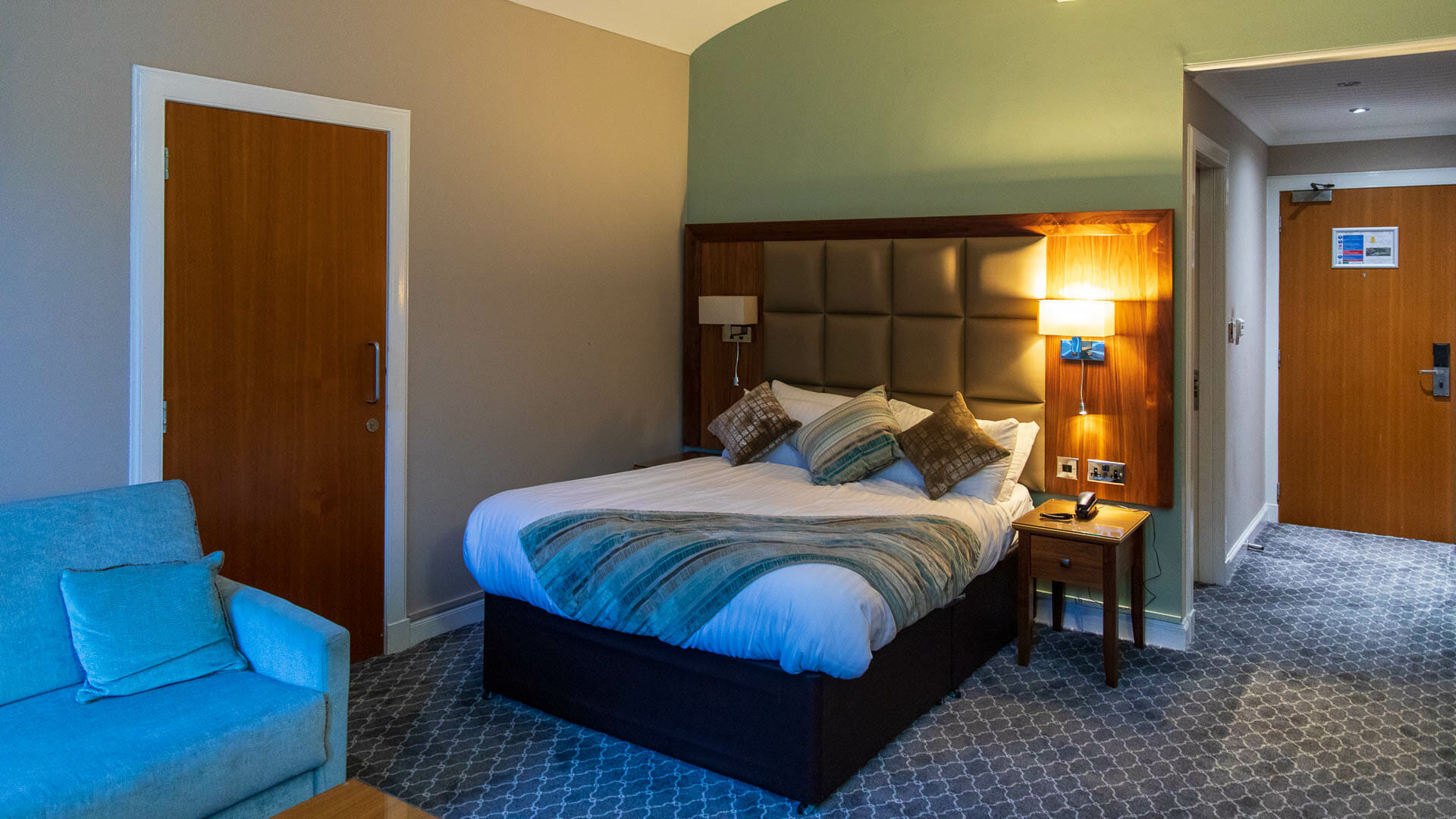
Around 1970, New Lanark was set to be demolished. But a community formed to stop this from happening: the New Lanark Conservation Trust. For almost 50 years now, its members have been restoring the site – successfully. Today there’s an ice cream factory here, a textile-making operation, and even a large hotel for conferences or tourists.
Not all buildings are yet in a stable condition. The church is at risk of collapse, and some flats remain in a sorry state. Even so, treasures are often still found here, such as original wallpapers from centuries past. And more importantly: people live here again. 150 residents now call New Lanark home.
Getting there
New Lanark is roughly an hour’s drive from Glasgow, and about an hour and fifteen minutes from Edinburgh.
With a sat nav: the postcode “ML11 9TG” will take you straight there.
Without a sat nav: from Glasgow, take the M8 motorway to the “Lanark” exit. From there, take the A73 towards Lanark. In Lanark, keep right towards the Clyde Valley Tourist Route. At the next roundabout, New Lanark is already signposted. There’s one more hairpin bend, then a series of switchbacks leads down into the valley to the Clyde. Park right at the entrance to the museum.
