Through the union between England and Scotland in 1707, the Scots gained access to a global empire with colonies. A wave of emigration followed. But why did so many Scots leave their homeland?
One term always comes up in this context: the Highland Clearances. The image that goes with it: greedy landowners driving out the poor population in the northwest of the country to replace them with sheep.
But as so often, the truth is more complex.
When did the emigration take place?
It began in the 17th century and ended in the early 20th century. Emigration peaked around 1850. It ebbed away once the Great Depression set in from 1920 onwards, which then offered no prospects in the new countries either.
Why was there emigration from Scotland?
The structural change in Scotland from the 17th century onwards brought emigration with it. That did include some positive aspects. Schools and universities, for example, which in the south of Scotland favoured the rise of an educated middle class. But school leavers found no prospects in the weak domestic economy. So they emigrated, seeking their fortune as missionaries in Africa or as traders in the Far East.
From around 1730, many Highlanders left their homeland, recruited by agencies to supply workers and settlers for the New World. So it wasn’t necessarily only expulsion at work. From 1815, Lowlanders joined the flow across the great pond as well.
Many of the emigrants hoped for freedom and a better life. They usually paid for their own passage to North America, Australia or New Zealand. The domestic landowners were not at all pleased about this at first, since it also meant losing their workforce and tenants.
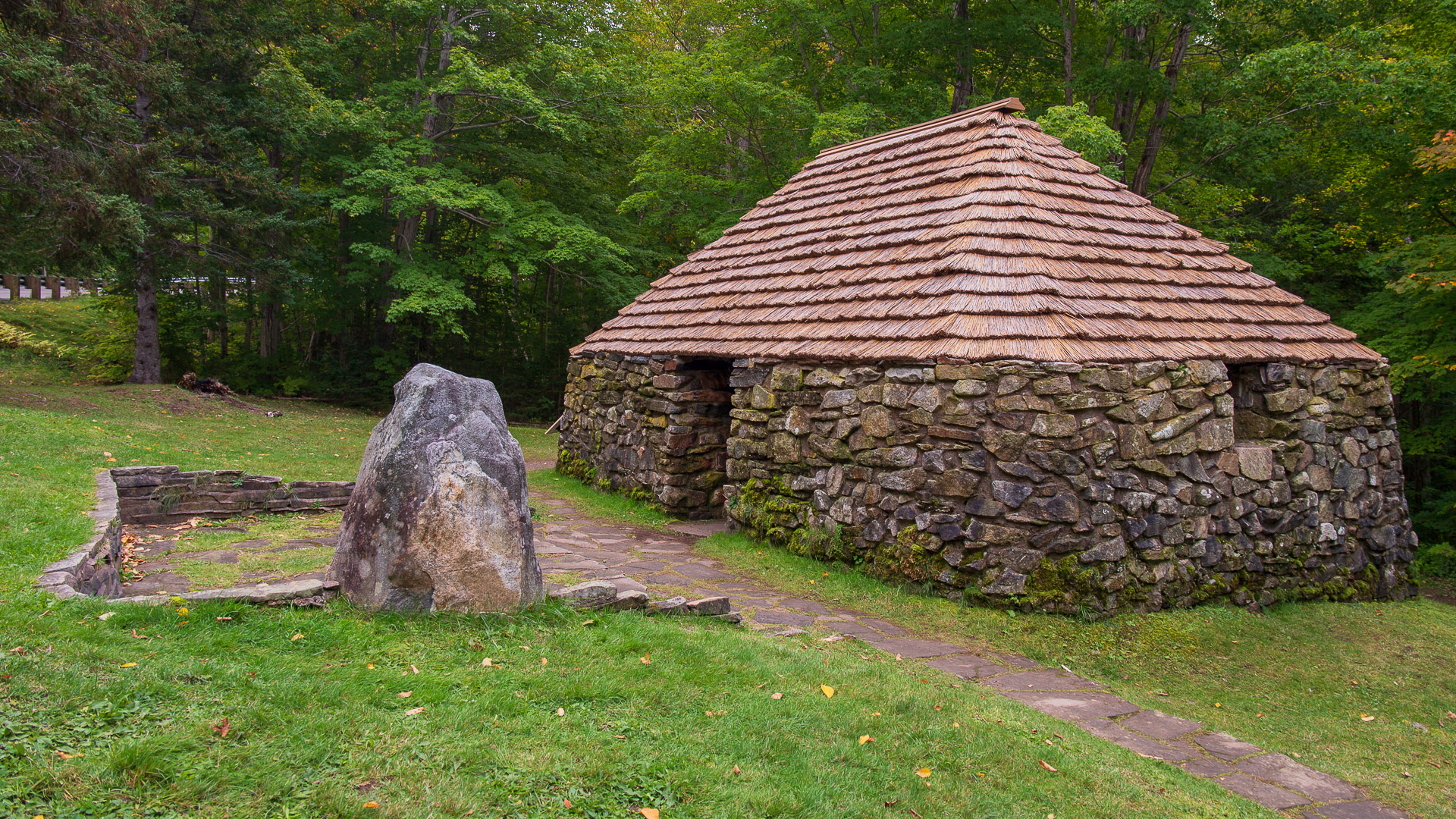
Later, the attitude of many landowners changed. Because in 1846, potato blight struck Scotland, having already caused devastating conditions in Ireland a year earlier. Now the landlords had to fight hunger on their estates. High costs, paid out over years. To some, it seemed more sensible to solve the problem with a one-off payment for a passage across the Atlantic, or even the Pacific, for their tenants or workers. There, people could provide for themselves. In theory, both sides came out ahead.
For this purpose, the Highland and Island Emigration Society was even founded, promoting emigration to Australia, where shepherds were urgently needed.
Was emigration forced through violence?
It was only around 1840 that landowners came to see emigration as a means of getting rid of surplus rural population. In some cases they supported this by paying for the passage. The landlords were by no means always cruel; emigration was often based on mutual agreement, all the more so since part of a family had often already been living in the new countries overseas.
Only a few cases involved forcible removal onto ships. This mostly happened when tenants had already agreed to leave the land on the ship and then – on the day of departure – no longer wanted to.
Yet there was, of course, the pressure of landowners evicting their tenants, who simply saw no other way out than to migrate.
Either way: leaving home, or having to leave it, was not easy for the Scots.
What was a crossing to the new land like?
The voyage of the Hector stands as an exemplary story of a – dangerous – crossing. Precisely because so much went wrong on it, we know a great deal about it today.
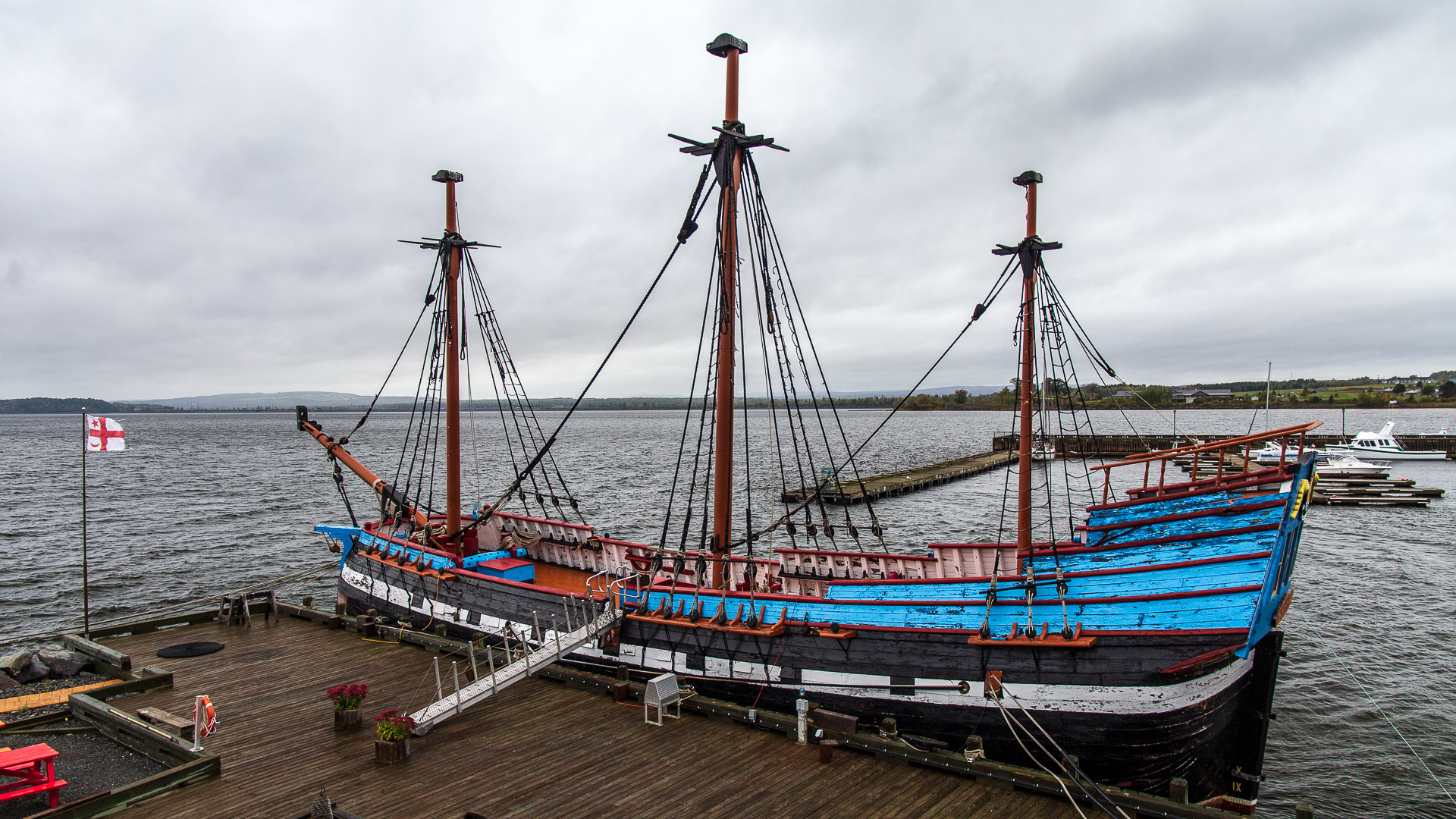
The Hector was a Dutch cargo ship owned by John Pagan. It probably already had over 50 years behind it, and the wood was rotten. Pagan, together with his partner Dr John Witherspoon, bought a piece of land in eastern Canada, in what is now Nova Scotia. The land lacked settlers, so emigrants were lured from the Highlands. The promise: free passage, provisions on board, and beyond that even support for a year in the new land.
In 1773, 189 Highlanders boarded the Hector at Loch Broom, their heads and hearts full of dreams of a better life on distant shores. Dreams that quickly burst and were replaced by a harsh reality.
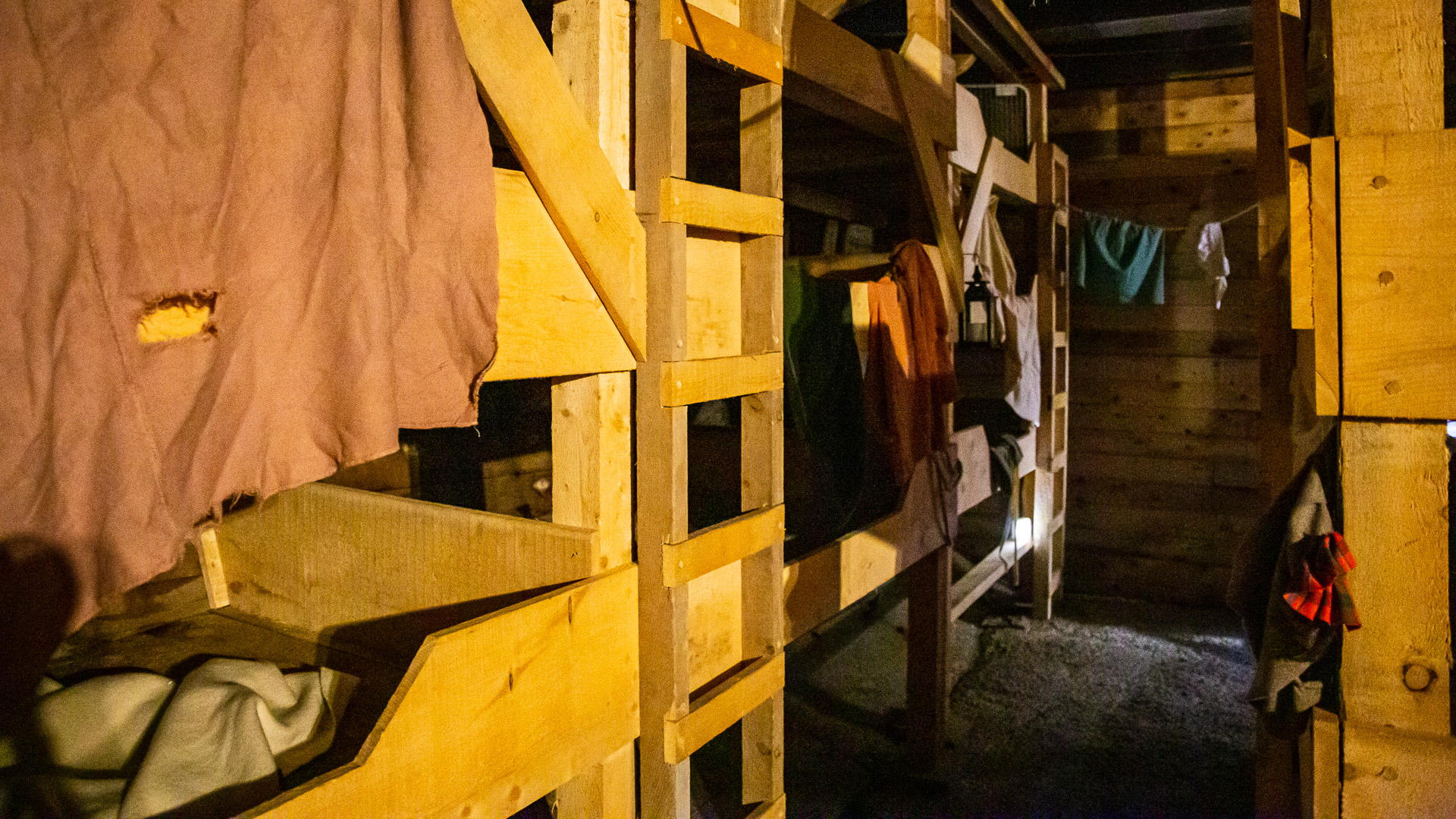
Because conditions on board were inhumane. Sleep was taken in shifts: one half of the passengers stayed up on deck, the other lay below in the bunks. The sleeping berths were only about half a metre high. People stacked on top of one another, hygiene an unknown concept. A breeding ground for disease. Eighteen settlers died of smallpox during the crossing.
At least there was food. But some passengers weren’t satisfied with it. They found the ship’s biscuit too dry and threw it away. Fortunately, one clever Highlander collected the biscuits again. Did he know what was going to happen?
The voyage was meant to take eleven weeks. But off Newfoundland – so almost at the destination – a storm set the ship back by 14 days. The rations hadn’t been calculated for that. Hunger followed. In the end, the discarded biscuits saved lives.
When the Scots finally disembarked near what is now Pictou, they were nearly struck dumb. The promised land was forest. Nothing here had been prepared. And felling trees – the farmers knew little about that, since back home there were hardly any trees. The promised year’s worth of provisions wasn’t there on site either.
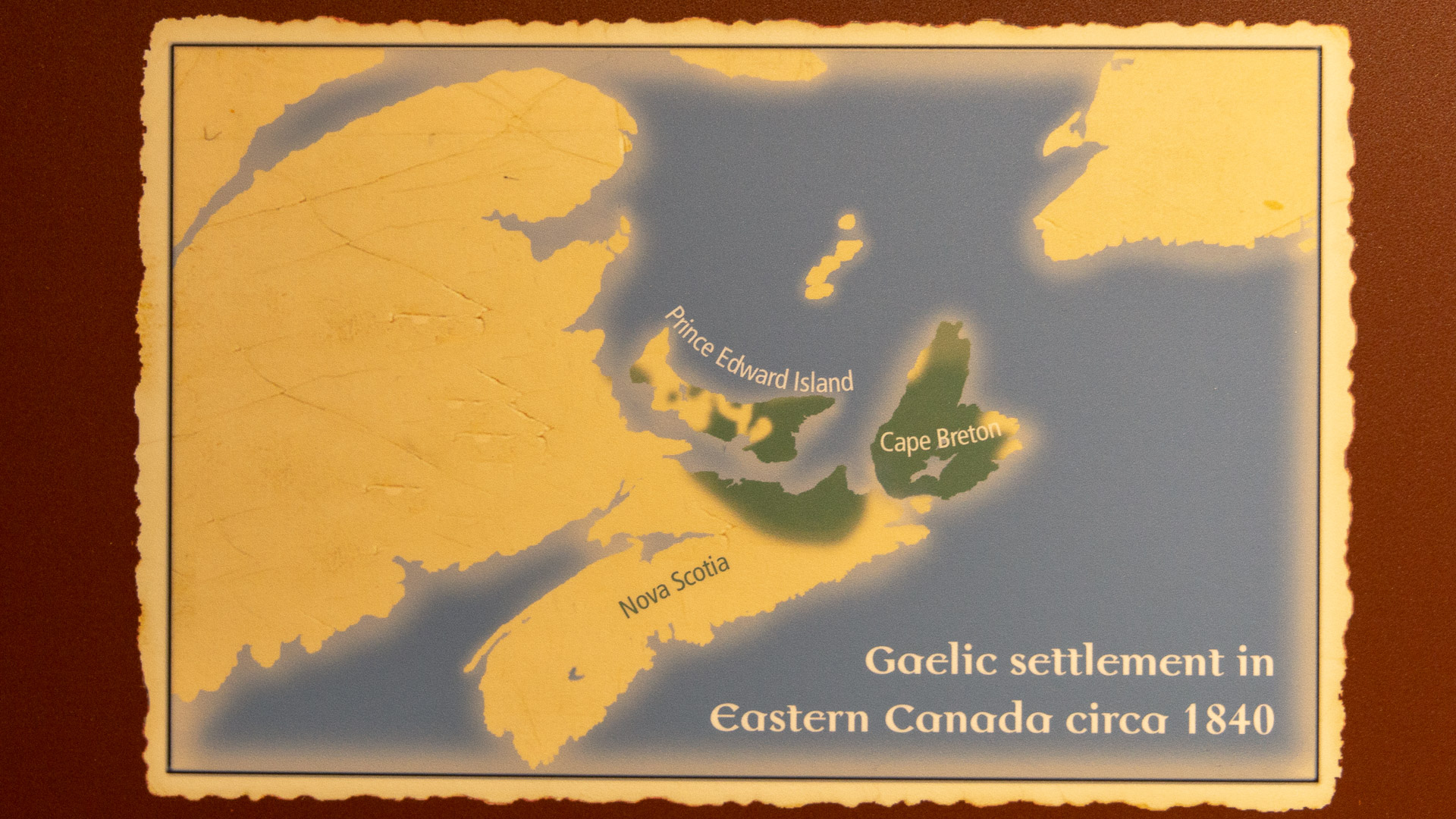
Even so, the settlers eventually made it. They built a life for themselves in “New Scotland”, in Nova Scotia. The Hector is regarded today as the symbol of Scottish immigrants to Canada and lies as a replica in the harbour of Pictou. Over the following decades, so many Highlanders were to follow that fiddle, bagpipes and Gaelic became widespread on Cape Breton and in the area around Pictou.
By the way: a story like this provides an excellent basis for novels. In “Piper”, author Jacqueline Halsey describes the Hector’s crossing through the eyes of a 12-year-old passenger.
What did the Scots find in the new world?
Many settlers found what they had been looking for: fertile farmland and new opportunities. They took part in building the new world, but also, in doing so, in the destruction of the cultures already living there.
In recent years, the Scots have also been critically examining their involvement in the slave trade. That too is part of the Scots’ expansion across the entire world.
Today, Scotland seems to be almost everywhere – at least in name. The Canadian city of Calgary takes its name from a bay on the Isle of Mull. There’s also an Inverness on Cape Breton. There’s an Aberdeen in Australia too. In New Zealand, many Gaels settled in the south. The city of Dunedin in the southeast takes its name from the Gaelic word for Edinburgh: Dùn Èideann.
How did the emigration come to an end?
Around 1930, after more than 200 years, emigration ebbed away. On the one hand, crofters were now finally protected and the large landowners were reined in. On the other hand, the Great Depression set in, which even led some emigrants to move back to Scotland.
But the countries the Highlanders had emigrated to were now no longer colonies of the crown either. The USA, Canada, Australia, New Zealand … they all became independent.
Yet that did nothing to diminish the sense of togetherness among the Scots. Today there are Highland Games all over the world, and many exiled Scots make pilgrimages back to their family roots at clan gatherings. And in Nova Scotia, the Celtic Colours festival is held every year, celebrating Gaelic music with local musicians and Scottish guests.
