Outer Hebrides: Sights, Activities, Best Time to Visit
The Outer Hebrides are a maritime beauty: dreamy sandy beaches alternate with steep cliffs. A wild landscape stretches between the coastlines – with lochs, moorland and mountains. Everything you need to know for a trip there is right here.
Contents: Top 10 Sights | Best Time to Visit | Getting There & Around | Whisky | Nature | FAQ | All Sights
The coast and land of the Outer Hebrides give refuge to many unique animals and plants. And the islanders are proud of their Gaelic language and culture, their history and their stories. A visit to these wonderful Atlantic islands takes you into a magnificent landscape.
The Outer Hebrides at a Glance
| Name: | Outer Hebrides, Western Isles, Na h-Eileanan Siar |
| Highlights: | dreamy Atlantic coastline, strong Gaelic culture, a paradise for birds |
| Activities: | hiking, boat trips, enjoying the beach, whisky & gin |
| Languages: | English, Gaelic |
| Note: | most shops here are closed on Sundays |
What the Outer Hebrides Are Known For
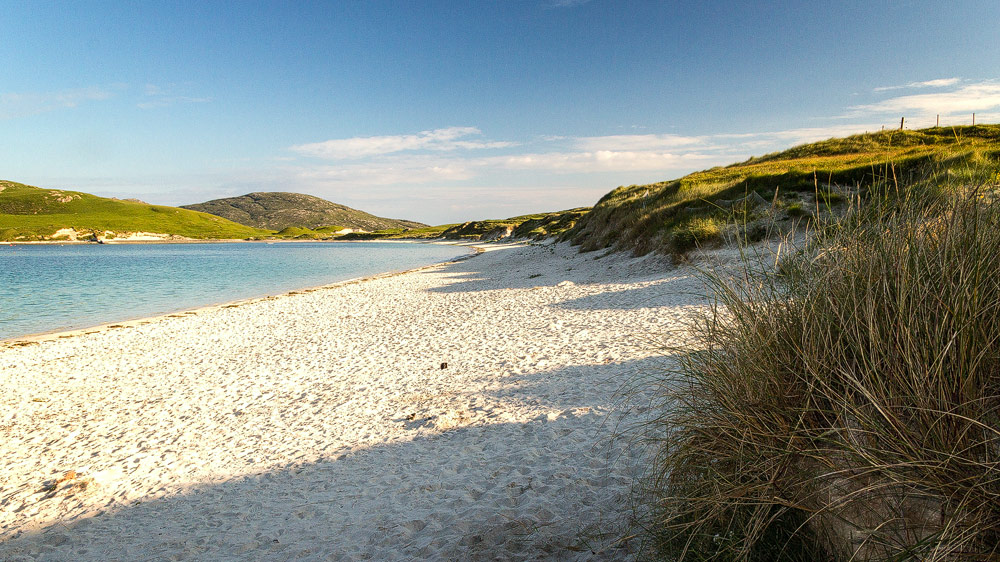
Beaches
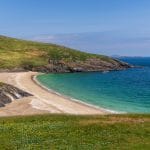
An almost endless run of dreamy white sandy beaches, against which the blue-green Atlantic rolls in – sometimes wild, sometimes gentle.
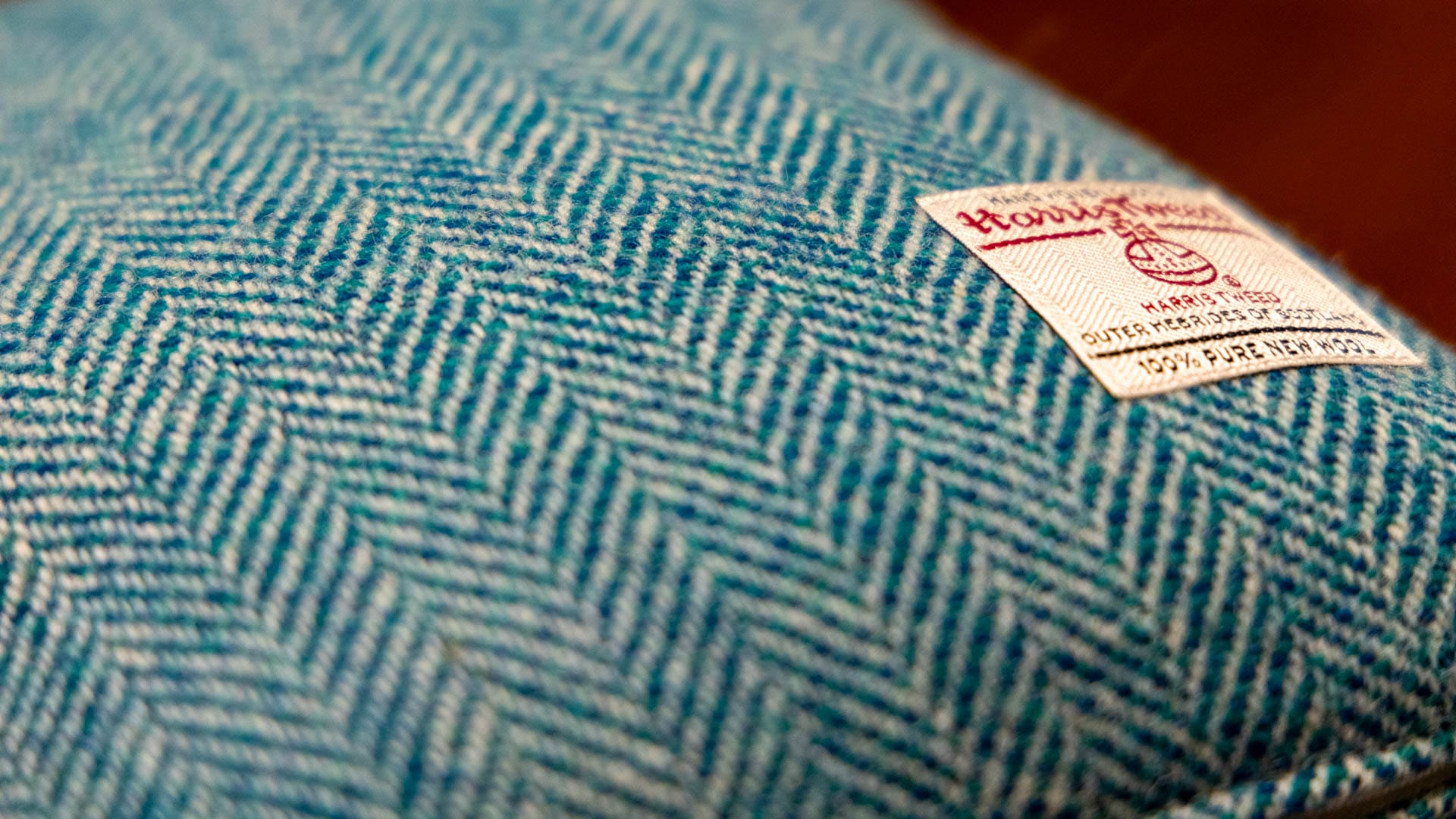
Harris Tweed
A hard-wearing, patterned fabric that may only be hand-woven on Lewis and Harris to earn the seal.
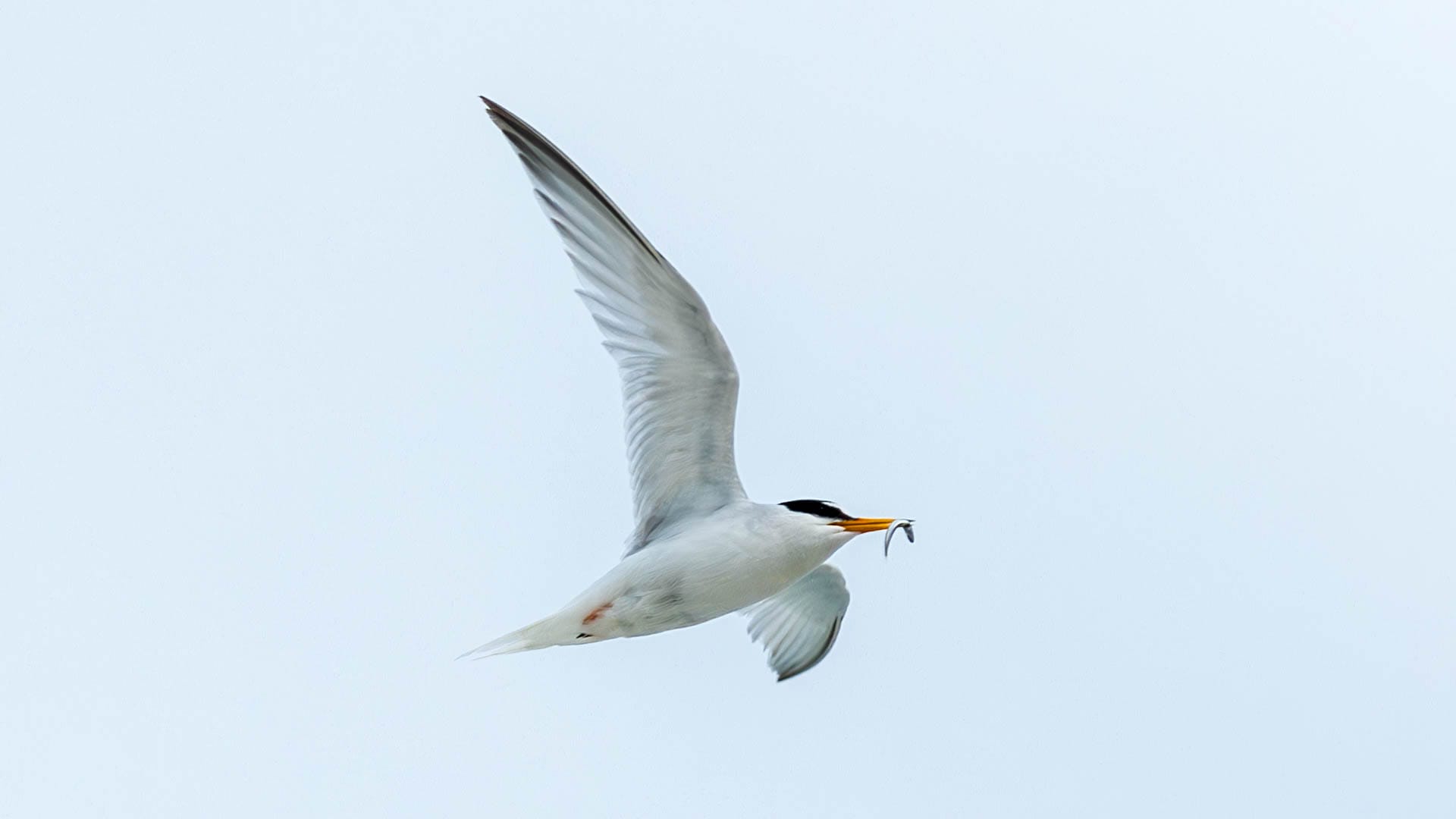
Birds
A diversity found almost nowhere else in Scotland: from the Arctic tern to the puffin to the majestic sea eagle.
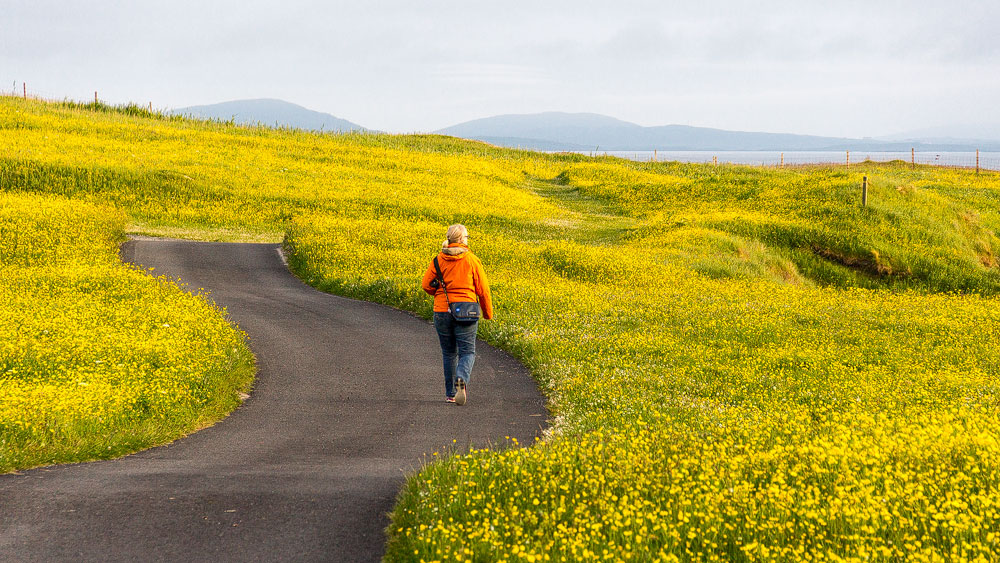
Machair
A delicate soil at the meeting point of sea and moorland, which turns into a carpet of blooms in summer.
The Main Islands of the Outer Hebrides
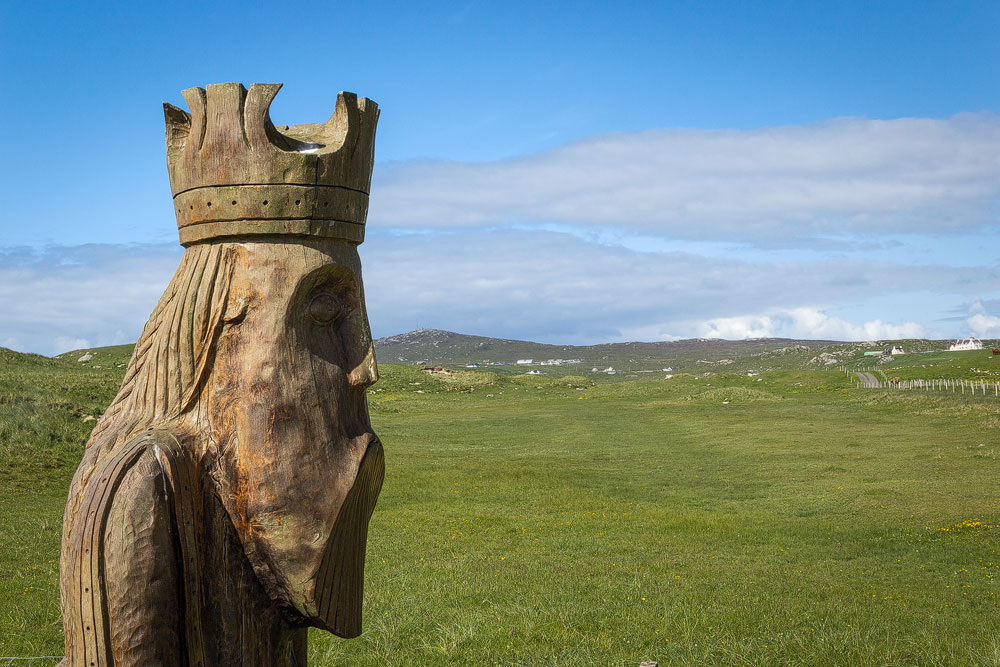
Isle of Lewis
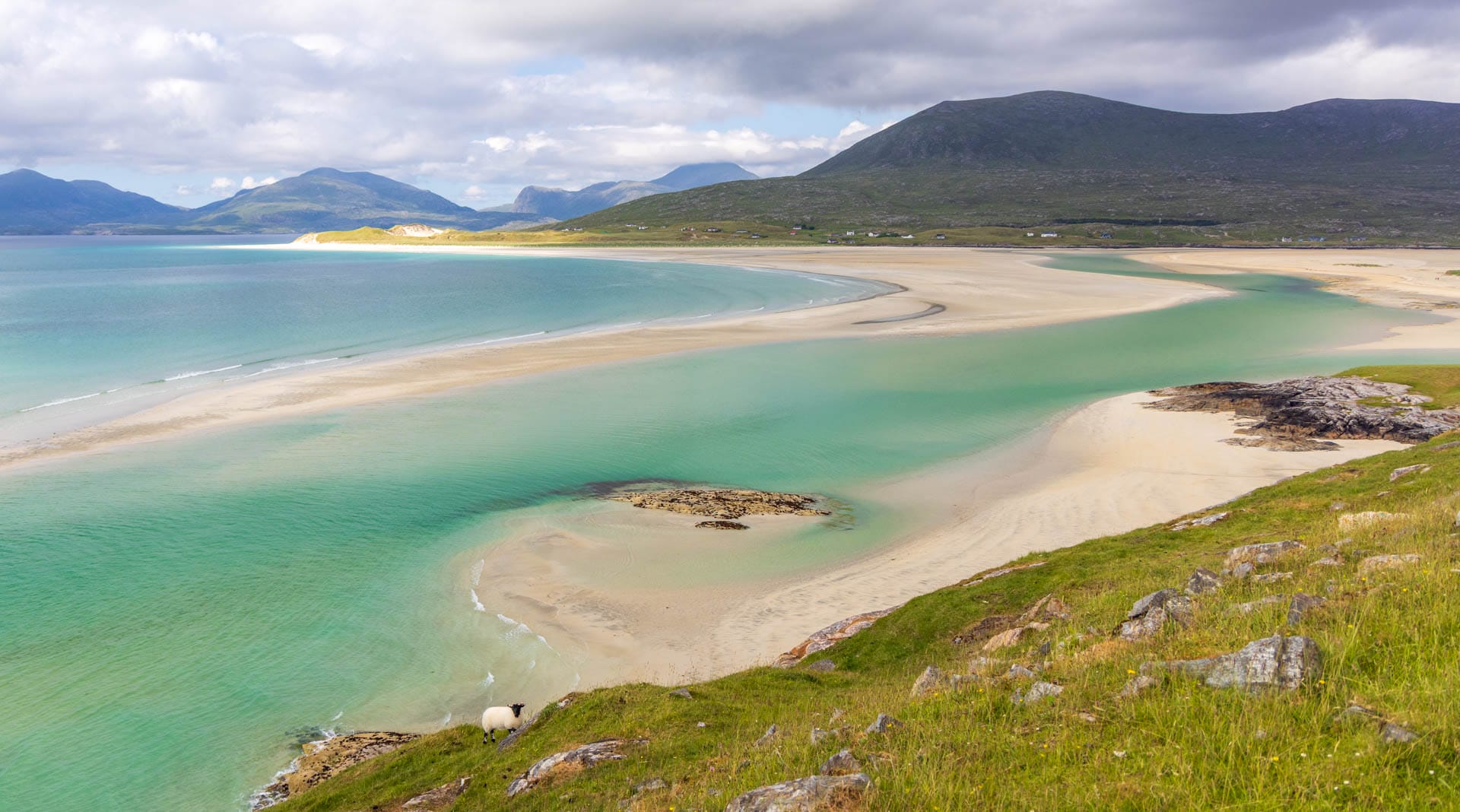
Isle of Harris
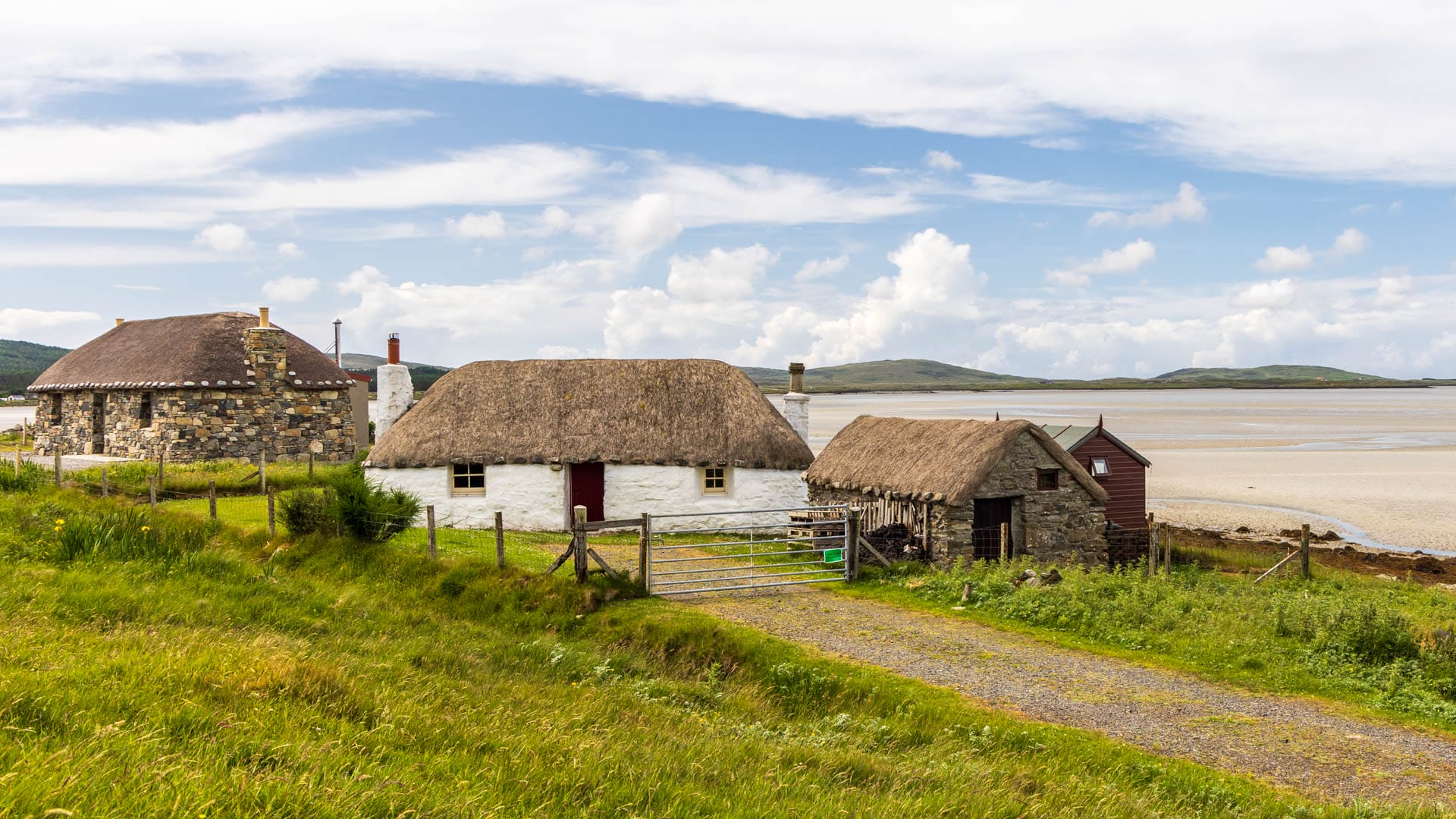
North Uist
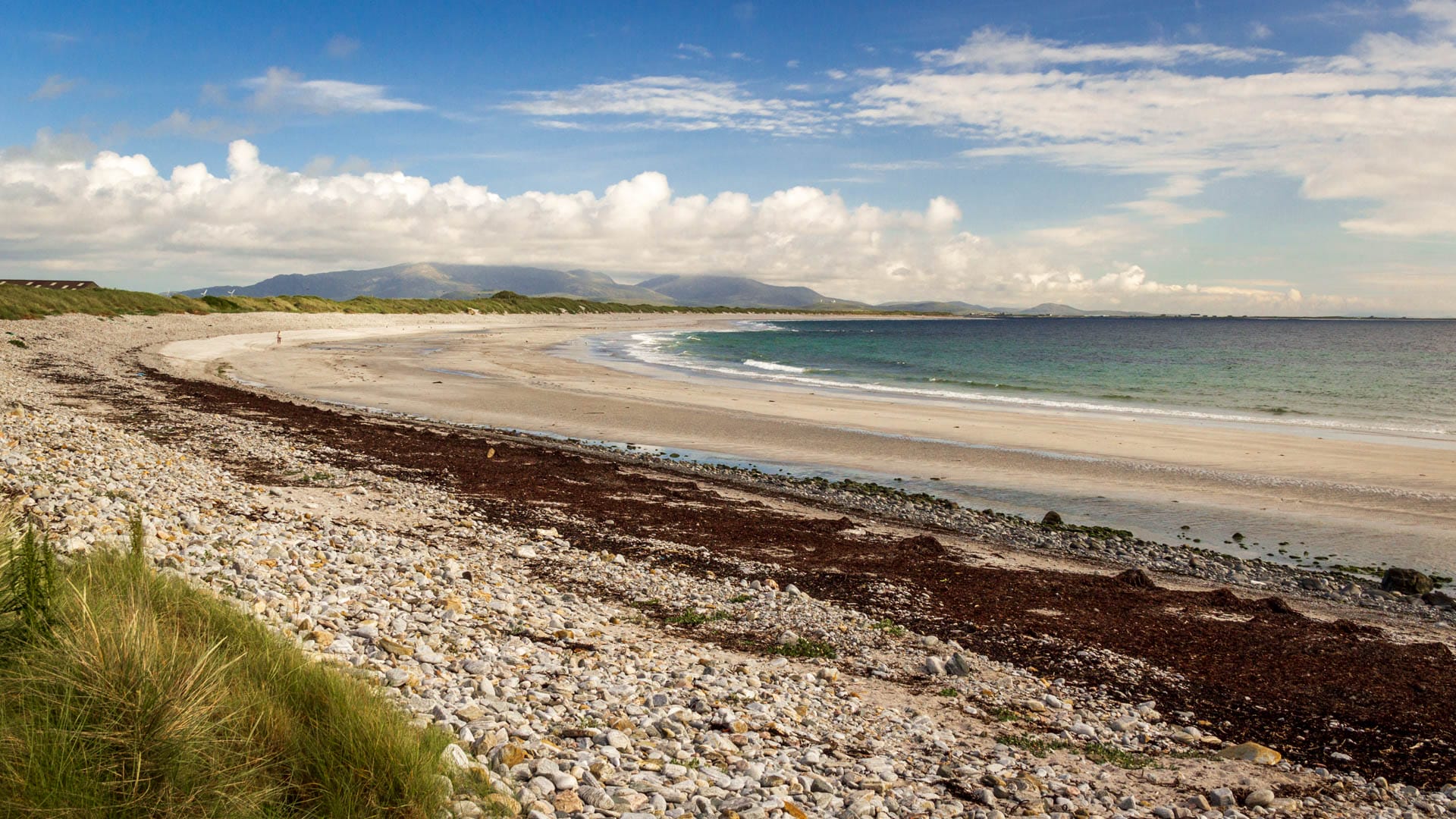
Benbecula
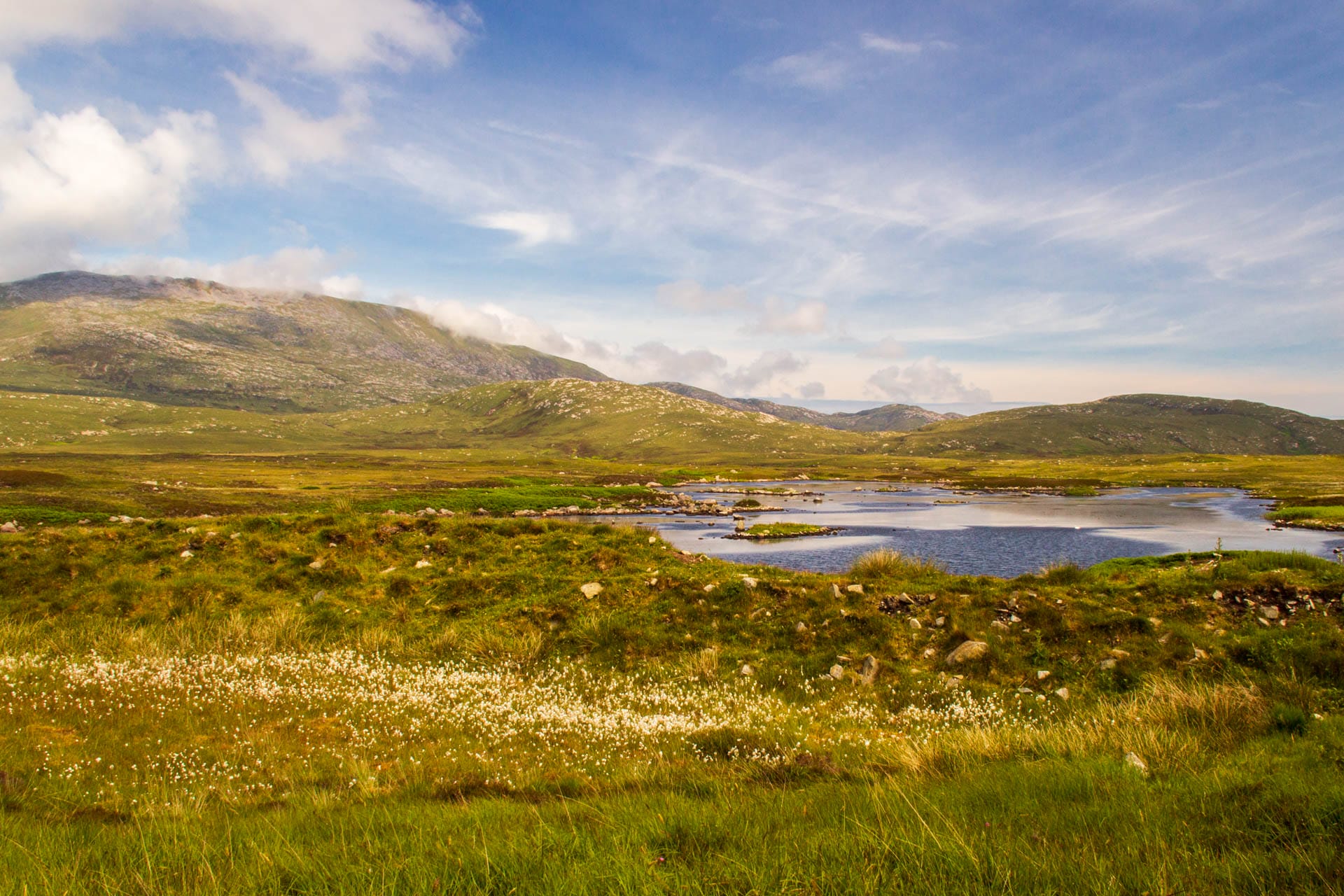
South Uist
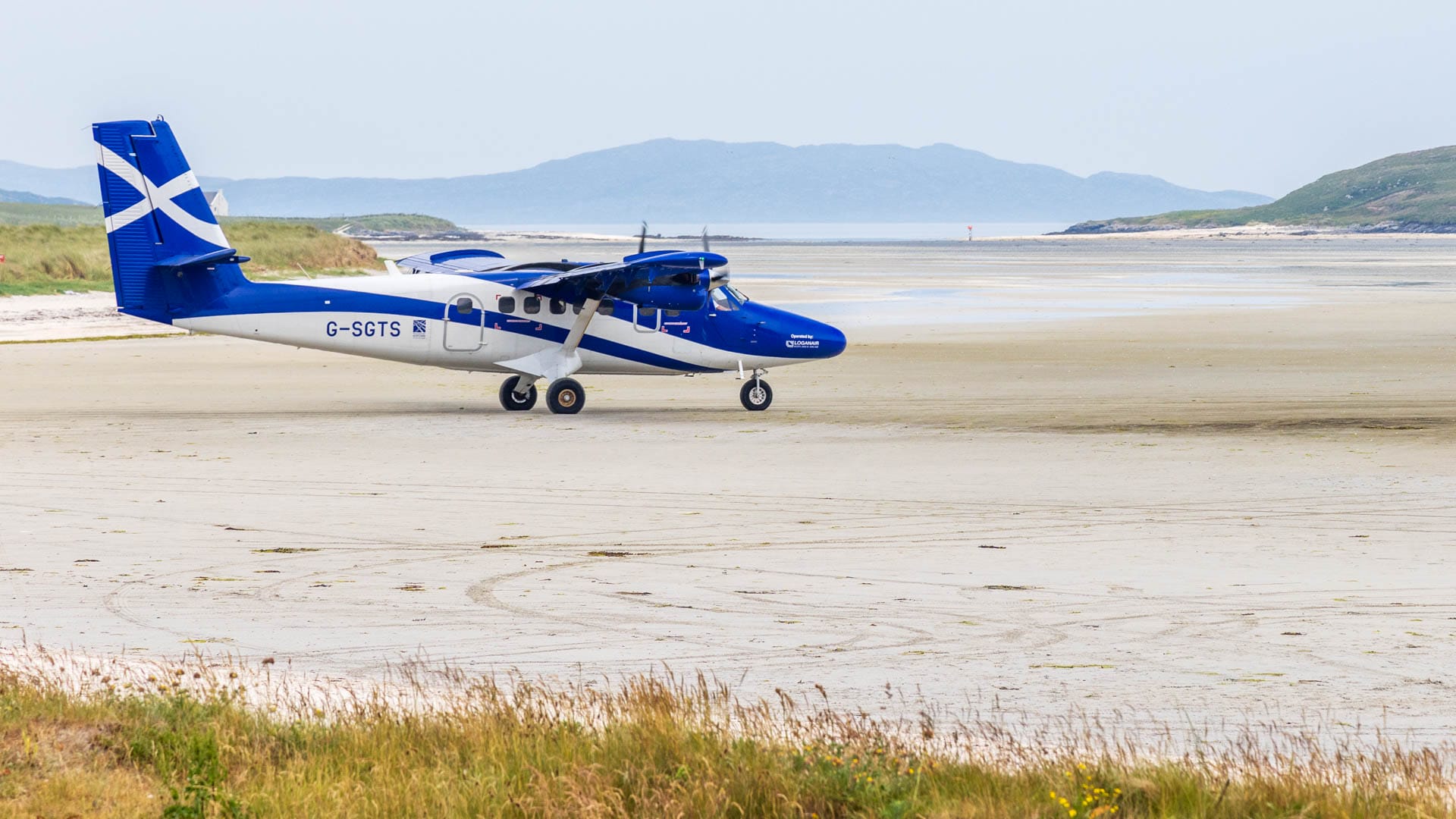
Barra
Top 10 Sights of the Outer Hebrides
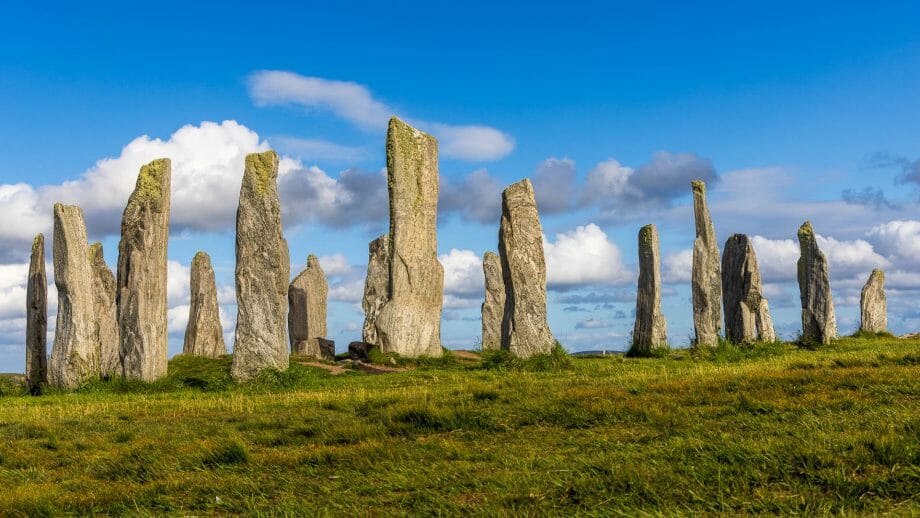
1 – Calanais Standing Stones, Lewis
One of the most impressive stone circles in the whole of Britain. A truly mythical place.
2 – Luskentyre Beach, Harris
One of the most beautiful views around, standing for the many wonderful sandy beaches of the Outer Hebrides.
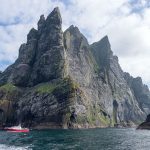
3 – St Kilda
An island group out in the middle of the Atlantic – wild and untouched. It takes almost two hours’ sailing to reach.
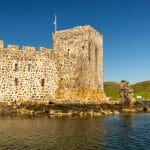
4 – Kisimul Castle, Barra
A castle surrounded by water. It sits in the bay at Castlebay and remains the ancestral seat of the MacNeils to this day.
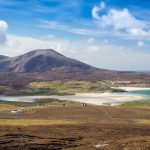
5 – Uig, Lewis
A wild, little-known natural paradise in the west of the Isle of Lewis, with a huge sandy bay.
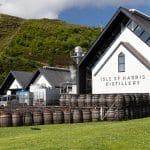
6 – Isle of Harris Distillery, Harris
The distillery produces delicious gin and whisky. A tour through the production site is well worth it.
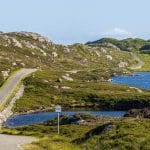
7 – Golden Road, Harris
A road in the east of the Isle of Harris winds along the coast between rocks and lochs. Uniquely wild.
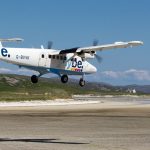
8 – Barra Airport, Barra
A huge sandy beach where propeller planes take off and land. Watching it happen is an experience in itself.
Best Time to Visit the Outer Hebrides
The great thing about the Outer Hebrides: they’re largely flat. So weather fronts often pass right over the island chain without dropping their rain here. That’s why there’s less rainfall here than on the mainland or on the mountainous Isle of Skye.
There’s another upside too: thanks to the Atlantic and a near-constant breeze, at least along the coasts there’s no real problem with Highland midges. So here you can consider months beyond the midge-free month of May.
Weather and Climate on the Outer Hebrides
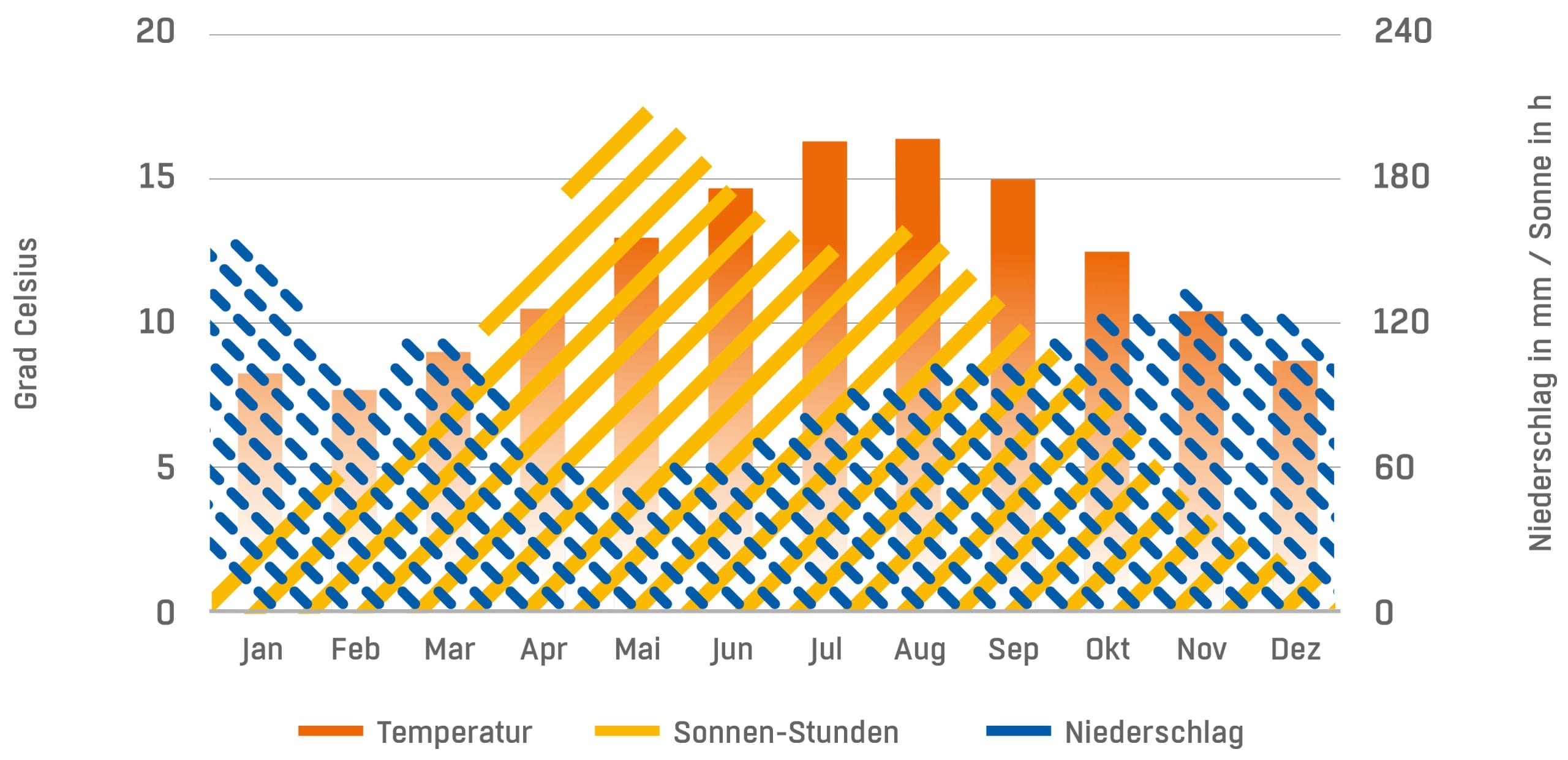
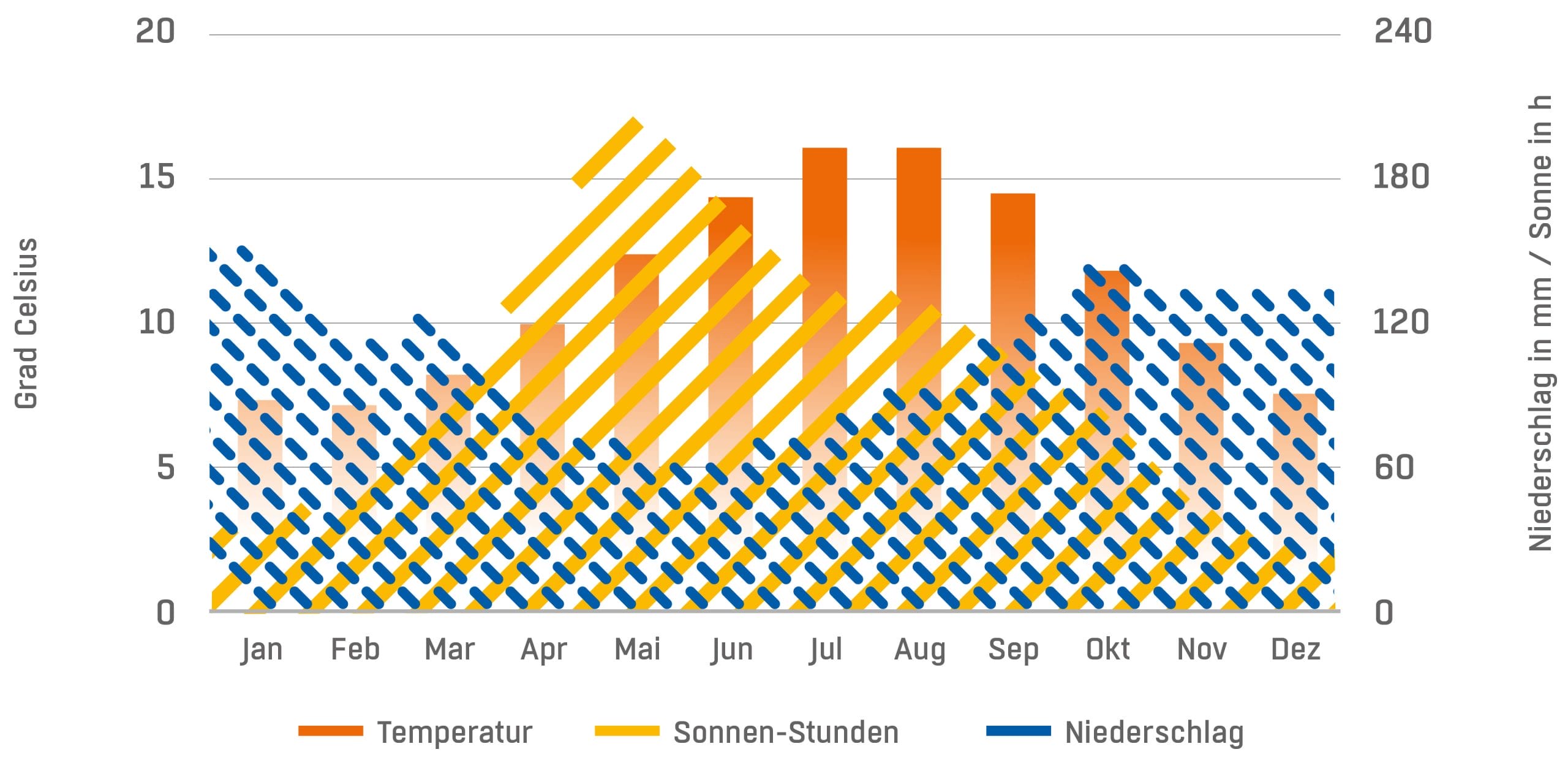
In short: the wind off the Atlantic keeps the midges grounded. So May, June and July are all pleasant months to travel. The same pattern holds here too, though: the most sunshine hours and the least rainfall come in May. It keeps getting steadily warmer through to July, while rainfall also stays fairly limited during that stretch – though hours of sunshine do start to drop off.
Getting There: How Do I Get to the Outer Hebrides?
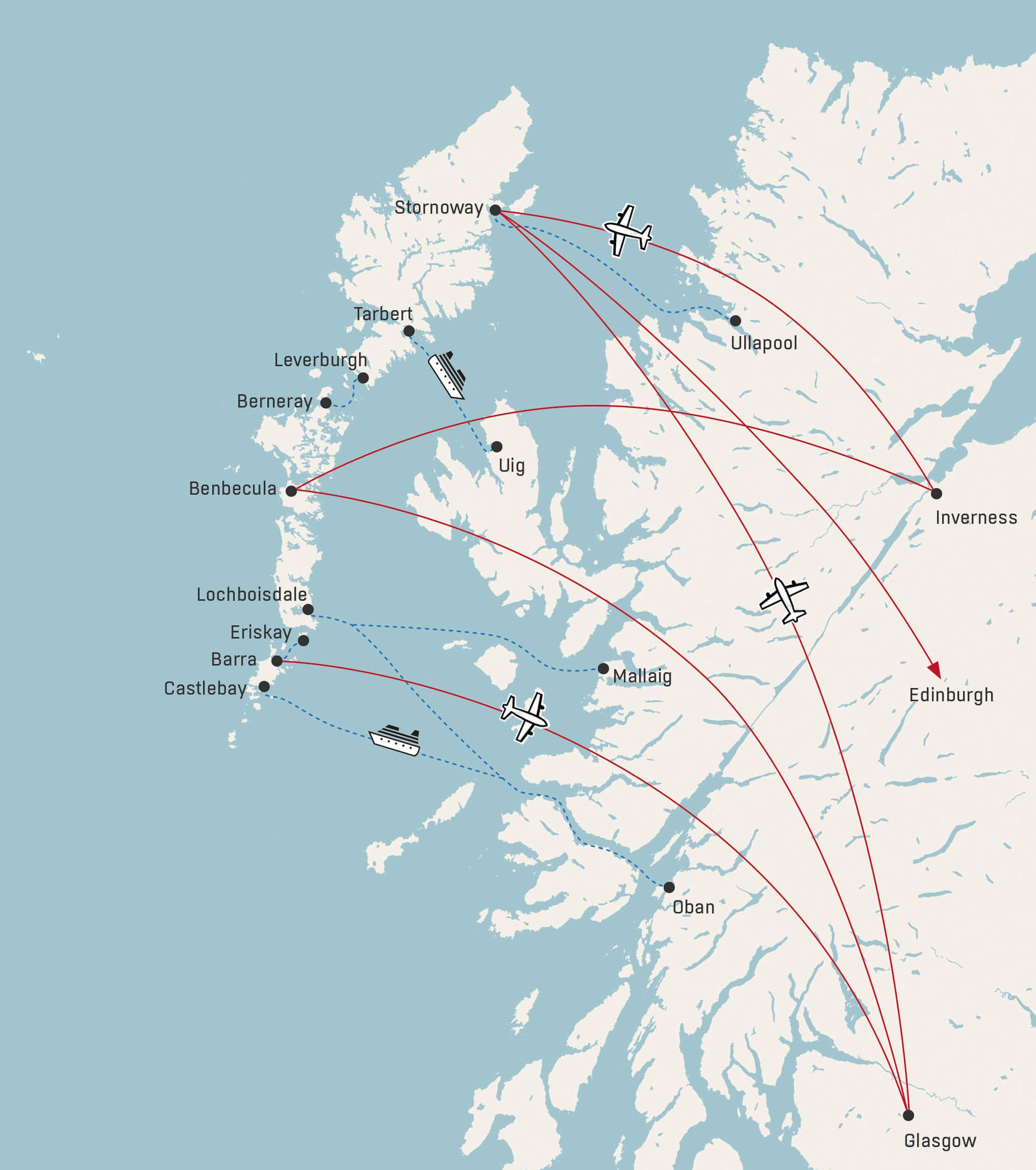
Ferries – connections run from Oban, Mallaig, the Isle of Skye and Ullapool.
Flights – depart from Glasgow, Edinburgh and Inverness.
Ferries to the Outer Hebrides
Caledonian MacBrayne’s car ferries depart from various ports along Scotland’s west coast. Where they sail from and to, how long each crossing takes, and roughly what it costs, is set out in this table:
| from | to | Duration | One-way cost |
|---|---|---|---|
| Oban | Castlebay, Barra | 5:10 h | Person approx. £16, car approx. £75 |
| Mallaig | Lochboisdale, South Uist | 3:30 h | Person approx. £12, car approx. £63 |
| Uig (Skye) | Tarbert, Harris | 1:40 h | Person approx. £7, car approx. £35 |
| Uig (Skye) | Lochmaddy, North Uist | 1:45 h | Person approx. £7, car approx. £35 |
| Ullapool | Stornoway, Lewis | 2:45 h | Person approx. £11, car approx. £56 |
Flights to the Outer Hebrides
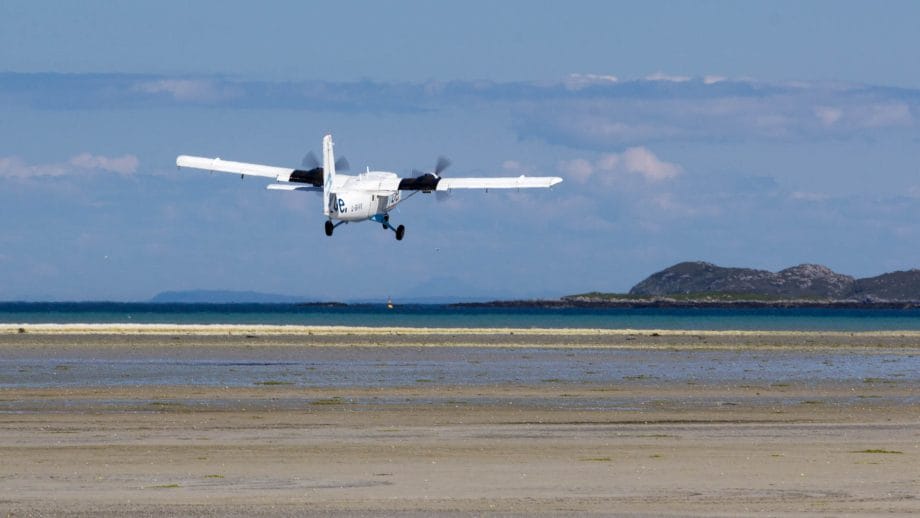
The flight between Glasgow and Barra Airport in the south of the Outer Hebrides is an experience quite unlike any other. Not only does the propeller plane fly over the wonderful landscape of the Highlands and Islands, it lands, in the end, on a huge sandy beach. A uniquely beautiful trip that’s also considerably faster than the ferry crossing.
Even so, there are two downsides: first, because of the small aircraft, luggage is limited – sometimes to just 15 kilograms. Second, anyone wanting to get around by car on the islands will need to arrange a rental car, which can work out a bit pricier than on the mainland.
Flight prices depend heavily on the day of the week, season and how far ahead you book. Loganair flies to the stunning Barra Airport twice daily, landing on the famous beach runway, with one-way fares starting from (!!!) £80.
Further flights go to Benbecula from £165. Finally, for Lewis and Harris, the plane lands at Stornoway up to three times a day, from £145. All flights take between one and one and a quarter hours. From Inverness, Loganair flies to Stornoway from £165 and to Benbecula from £90. From Edinburgh, too, there are one to two flights a day to Stornoway, from £180. Check Loganair’s website for exact details.
Getting Around the Outer Hebrides
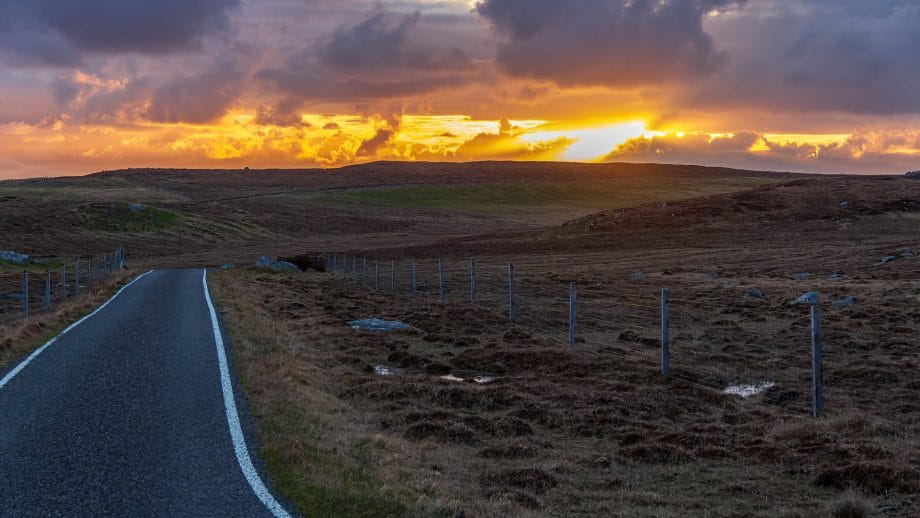
By car: your own car or motorbike remains the most flexible, freest way to get around. If you want to bring your own vehicle, that’s only possible by ferry, and the costs rise accordingly. The islands’ roads, incidentally, are pretty good, though often just a single-track road with passing places.
By bike or on foot: you’ll experience the islands in a more eco-friendly way, and closer to nature, if you explore them under your own steam. Thanks to the introduction of the Hebridean Way, more and more visitors are doing just that. The route starts on the small island of Vatersay, just below Barra. For walkers, the route runs around 250 kilometres up to Stornoway on Lewis. Cyclists face around 300 kilometres to the Butt of Lewis, right at the northern tip.
Public transport: you can reach most destinations by bus too. Timetables and routes are all listed on the website of Comhairle nan Eilean Siar. Just be aware: on Sundays, as with almost all shops on the islands, bus services also take a day off. During the week, though, routes are usually served several times a day, so travellers can reach most places.
Some of the islands are linked by causeways for cars. That means Eriskay, South Uist, Benbecula and North Uist, right up to Berneray, can all be reached without a single boat transfer. Between Barra and Eriskay, and between Berneray and the Isle of Harris, though, crossings are still needed. Both ferry routes run up to five times a day in summer, depending on the day of the week.
| von | nach | Dauer | Kosten einfach |
|---|---|---|---|
| Barra | Eriskay | 0:40 h | Pers. ca. 3,50 £, Auto ab 12 £ |
| Bernaray | Harris | 1:00 h | Pers. ca. 4 £, Auto ab 15 £ |
Whisky & Gin on the Western Isles
Abhainn Dearg
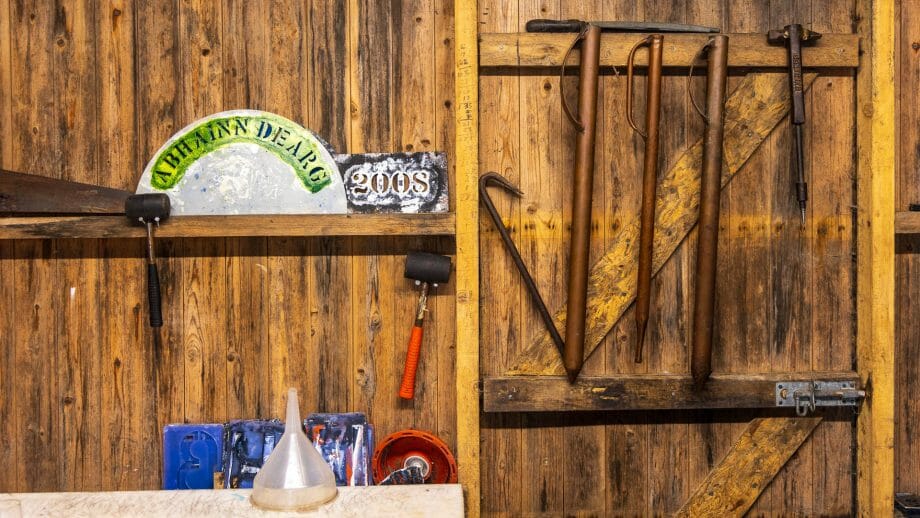
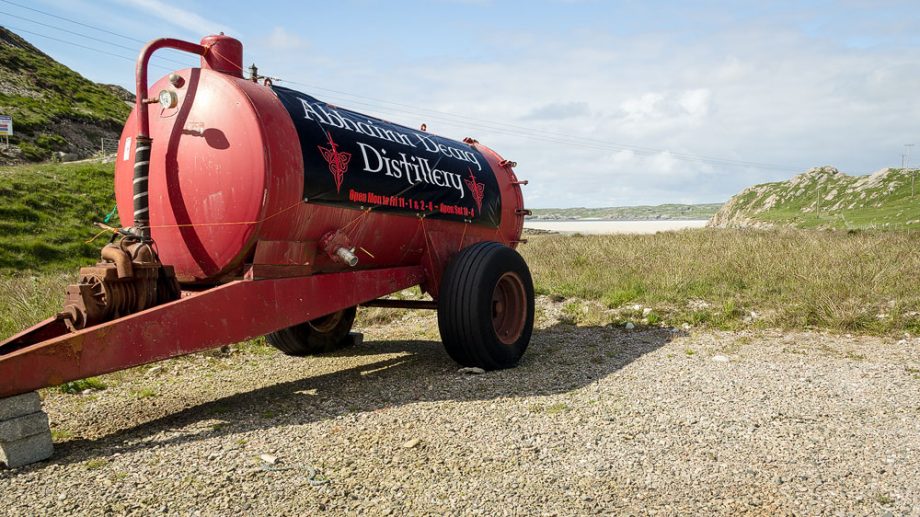
This small craft distillery has been making whisky since 2008, following a strict “field to bottle” philosophy – everything comes from the Isle of Lewis. Abhainn Dearg whisky is hard to find abroad, but the PX and Madeira cask bottlings available on site are well worth trying.
Read a detailed report on the Abhainn Dearg Distillery here.
Isle of Harris Distillery
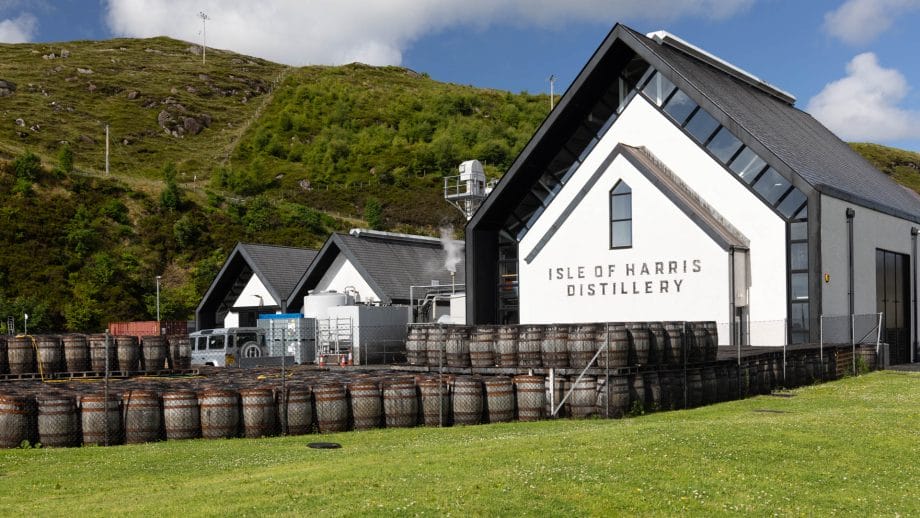
In 2023, the Isle of Harris Distillery released its first single malt whisky, named “The Hearach”. The distillery is equally famous, though, for its kelp-flavoured gin. Visitors can stock up on gin, whisky and more in the shop, and a tour offers tastings plus more background on how the distillery works and how it came to be.
North Uist Distillery
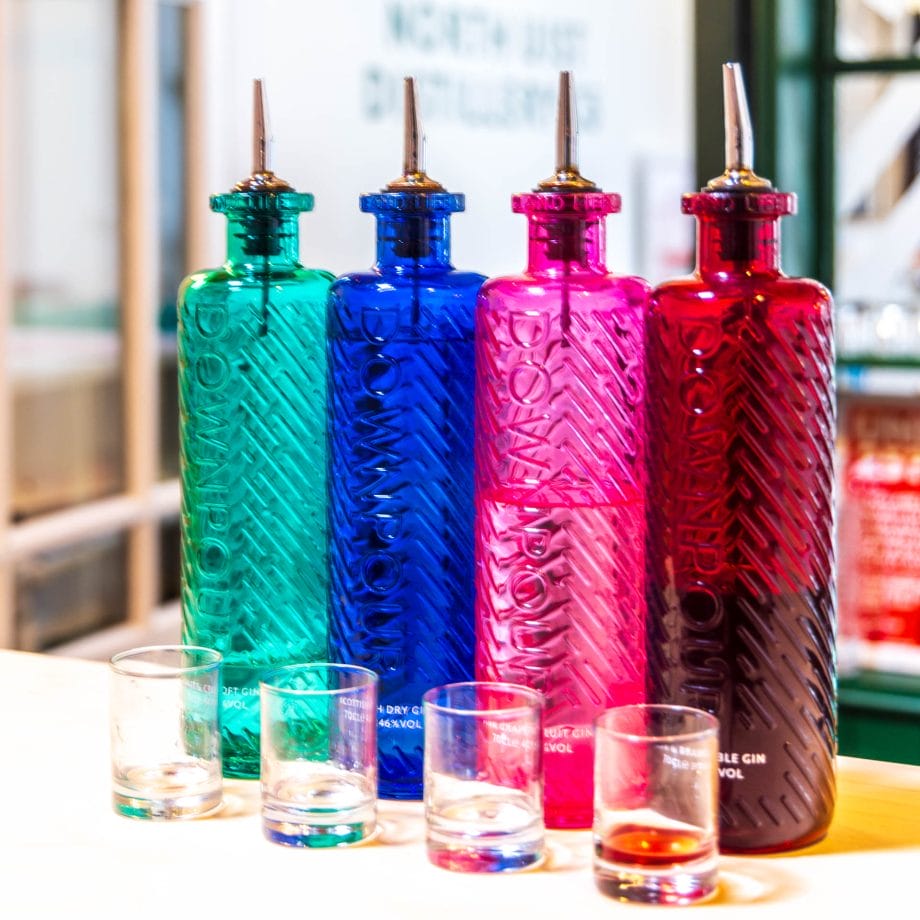
The distillery originally started out on North Uist, then moved to Benbecula, keeping its original name. It’s known for its Downpour gin in its colourful bottles, and has also been distilling whisky since 2023.
Benbecula Distillery
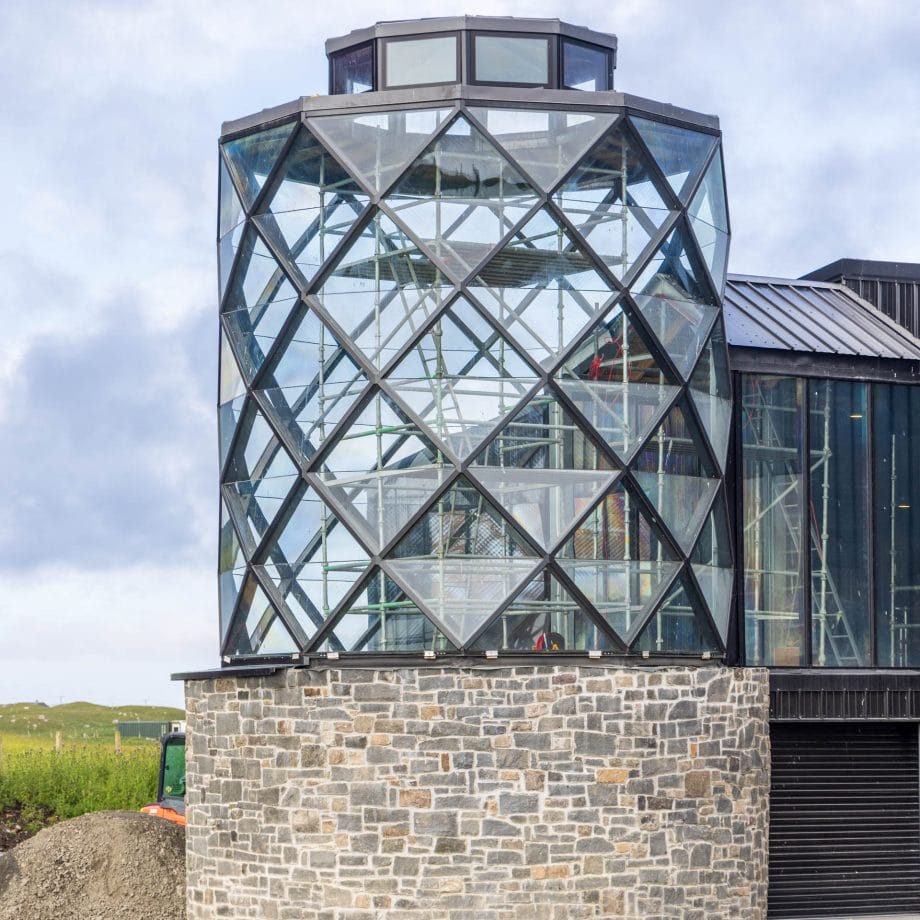
As of 2023 this distillery on Benbecula was still under construction. It sits right on the main road and stands out thanks to its lighthouse-like building. It plans to distil whisky in future.
Isle of Barra Distillers
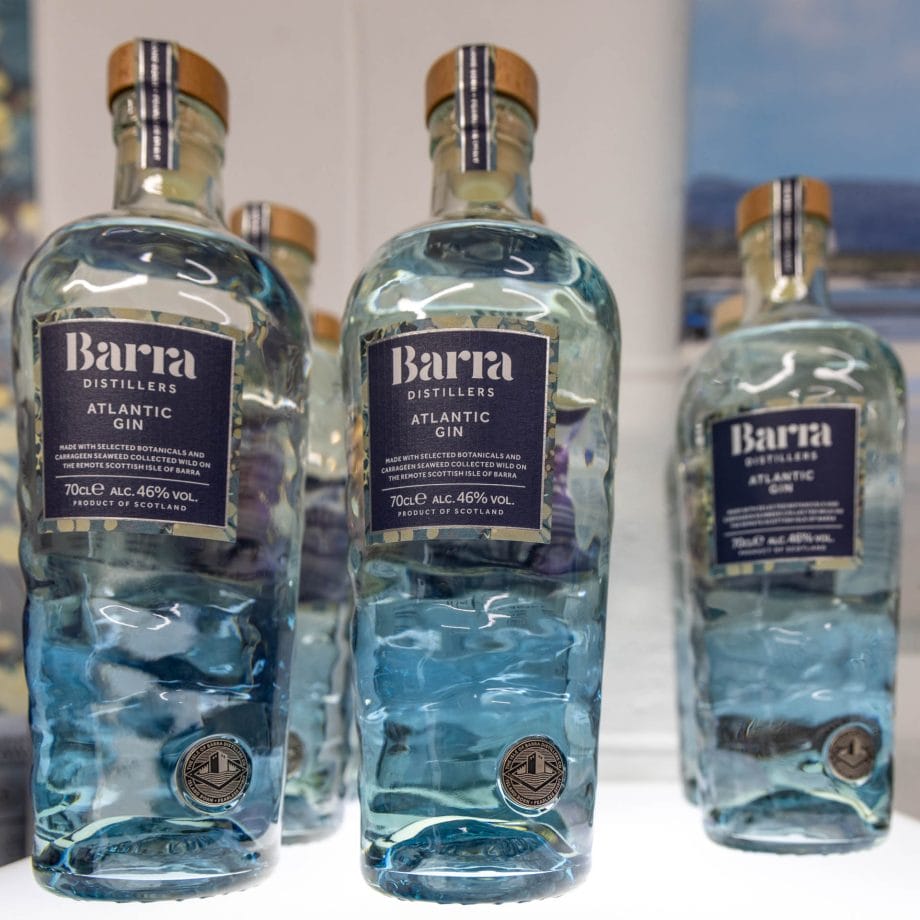
For now, Barra Distillers Ltd. is based in a shed in Castlebay, the island’s main village. A building plot for a new whisky distillery has already been chosen near Eoligarry. Until then, the shop sells Barra Gin.
The Mighty Nature of the Outer Hebrides
A unique ecosystem has developed in the moorland and along the coasts of the Outer Hebrides. Birdwatchers are thrilled by the variety of species here, some of them rare, such as the corncrake or, of course, the wonderful puffin.
At first glance, the islands’ hills and coasts might look plain, but look closer and you’ll find carnivorous plants such as sundew or butterwort. And in early summer, the machair, (German only for now), the strip of land between beach and moor, transforms into a flowering meadow.
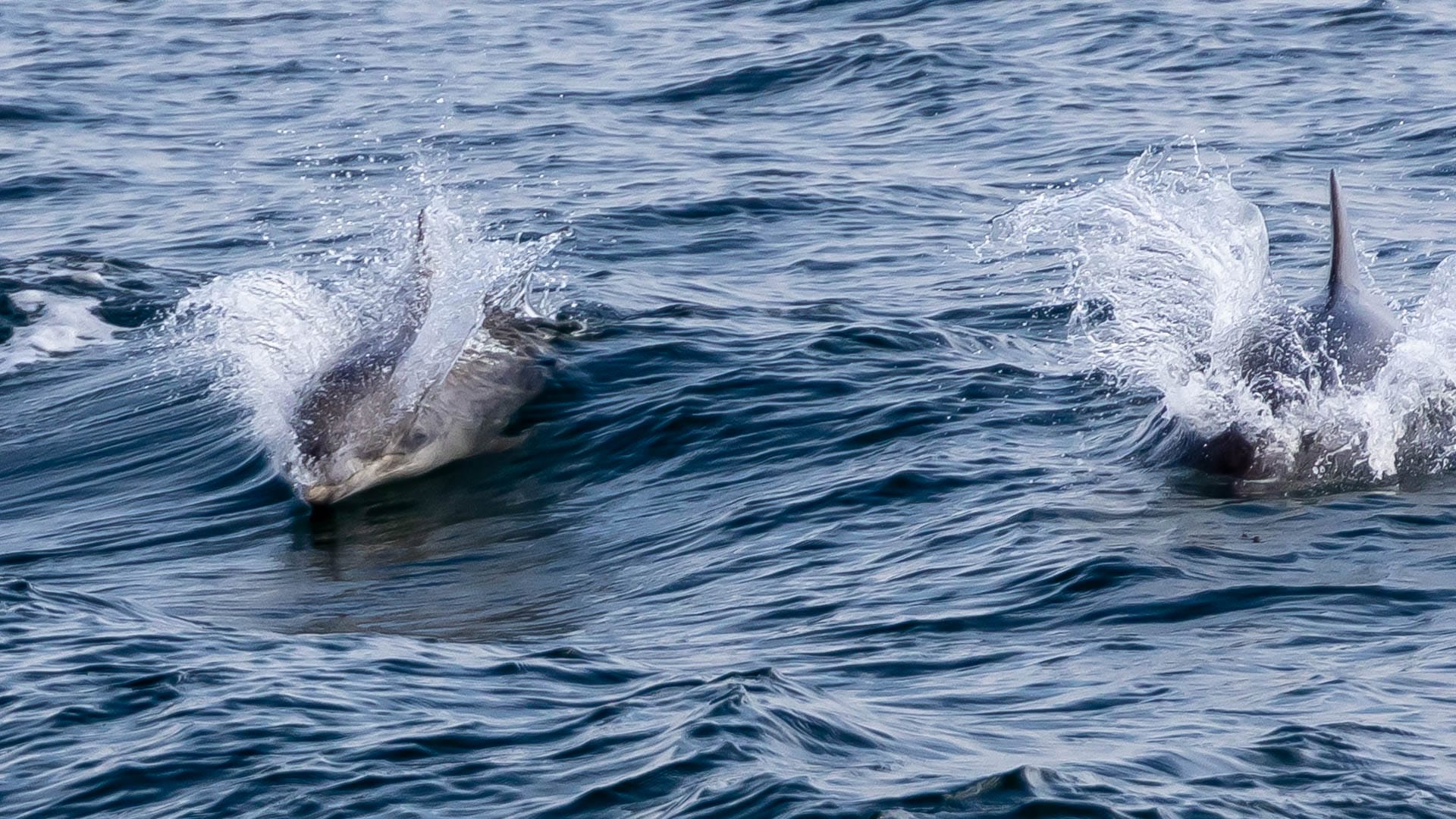
In the sea waters, seals and dolphins abound, and with a bit of luck you might even spot orcas.
Here’s an overview, with pictures, of the most interesting animals and plants of the Outer Hebrides:
Animals on Land and in the Water
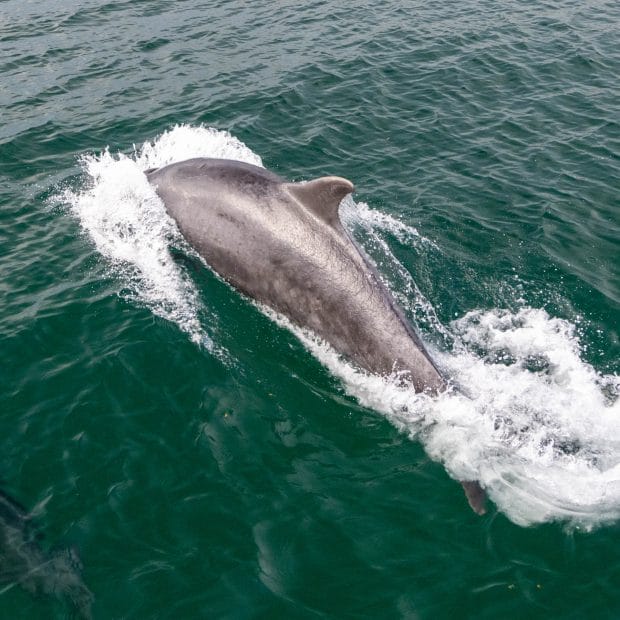
Dolphin
Along the coasts or near Barra harbour
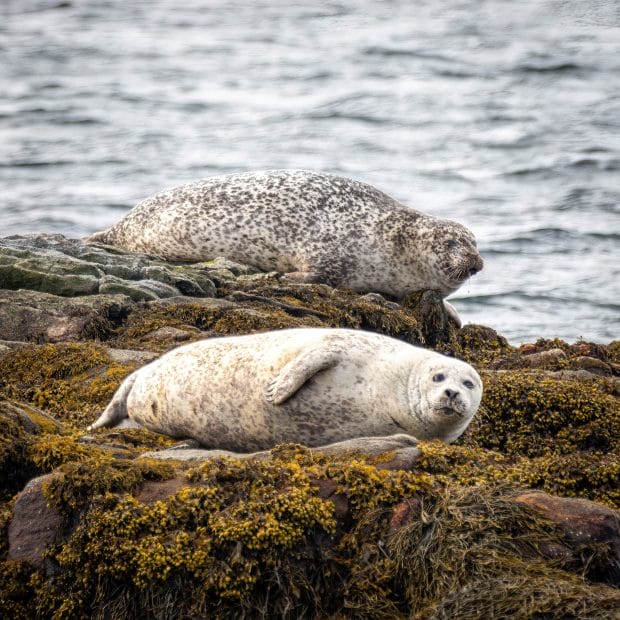
Seal
Especially easy to spot on Berneray
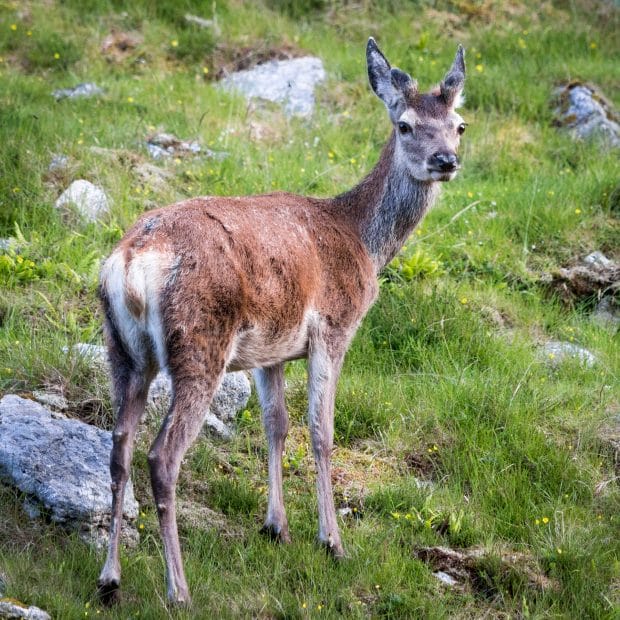
Deer
For example, in the valley of Uig on Lewis
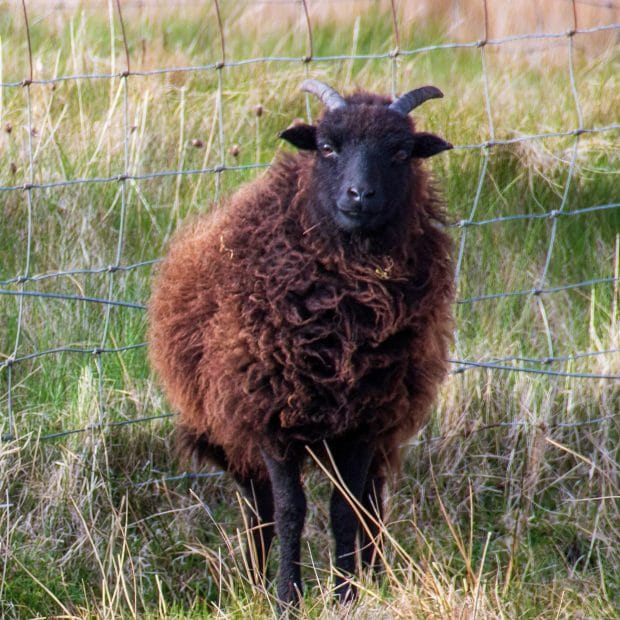
Sheep
Often seen with brown or beige coats too
Plant Life
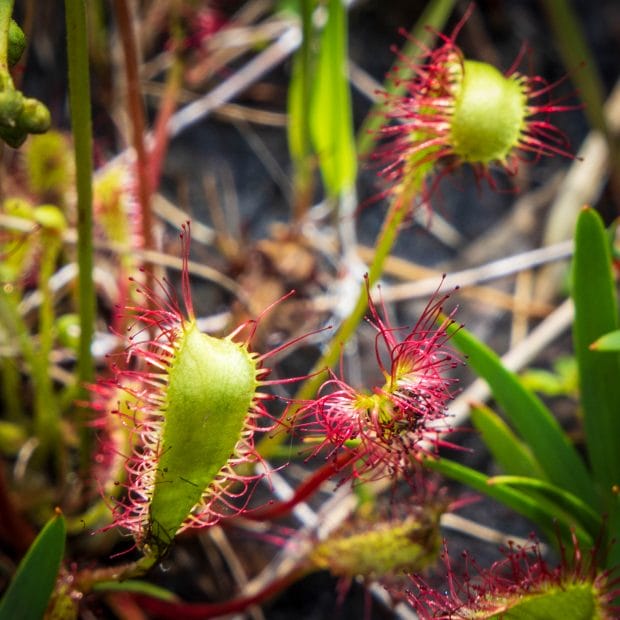
Sundew
Found in the damp ground around lochs
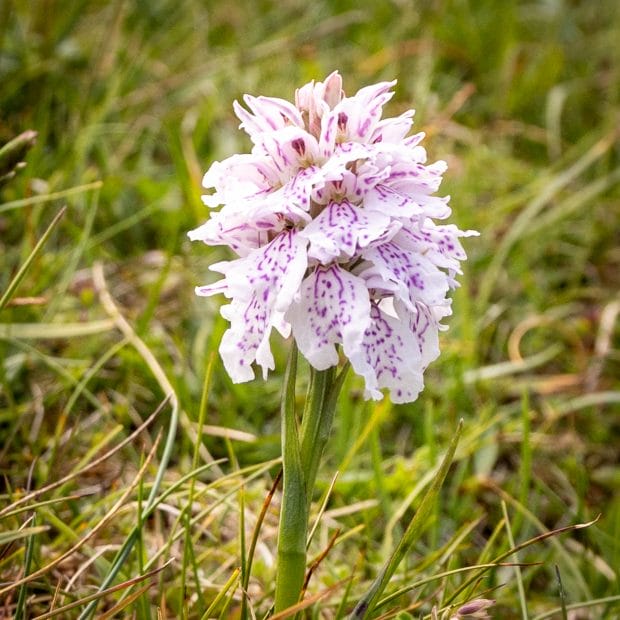
Orchid
In the meadows on islands such as Mingulay
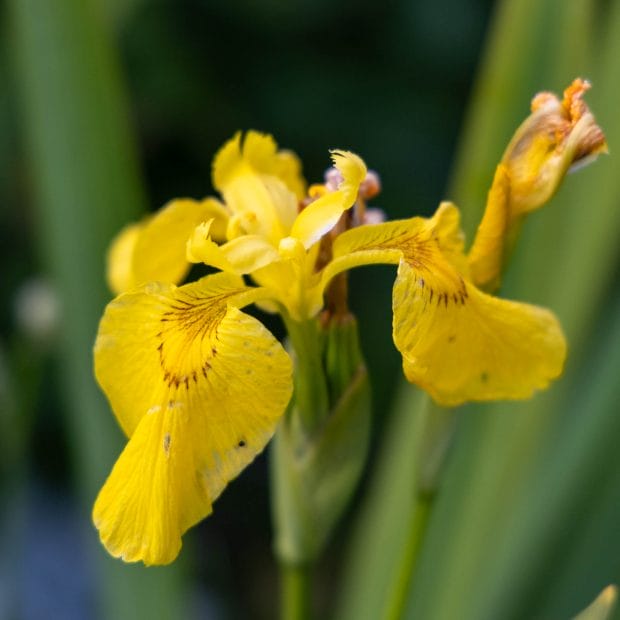
Yellow Flag Iris
Grows along the banks of freshwater lochs
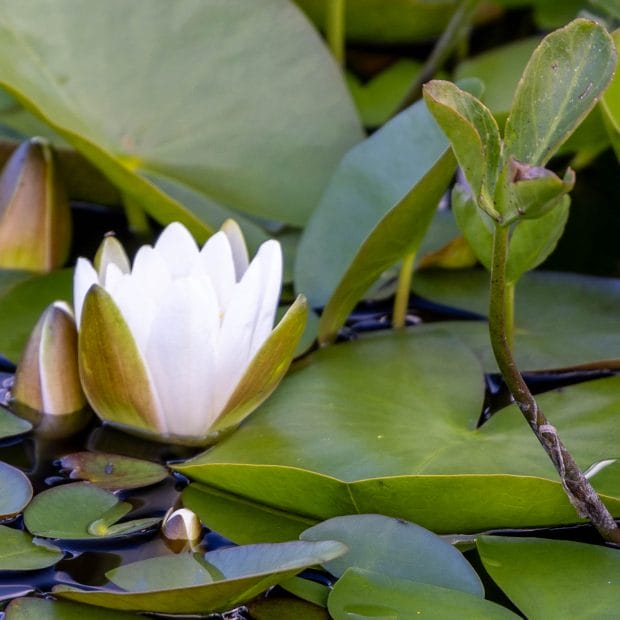
Water Lily
Especially on the lochs along the Golden Road on Harris
Birdlife
The Outer Hebrides have three bird reserves:
- Loch na Muilne, Lewis
- Balranald, North Uist, (German only for now)
- Loch Druidibeg, South Uist
But you’ll find the many bird species of the Outer Hebrides well beyond those spots too. So you know what to look out for, here’s a wider selection of interesting birds:
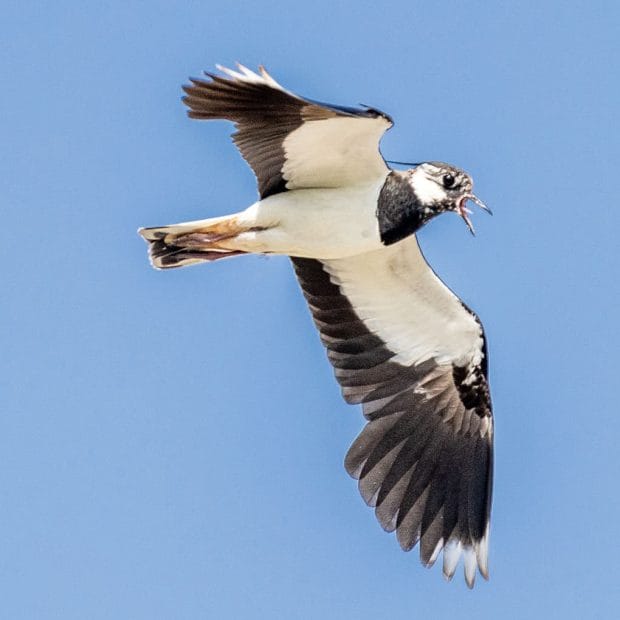
Lapwing
Usually found in the machair, for example on Berneray

Arctic Tern
Especially found at Eoligarry Beach on Barra
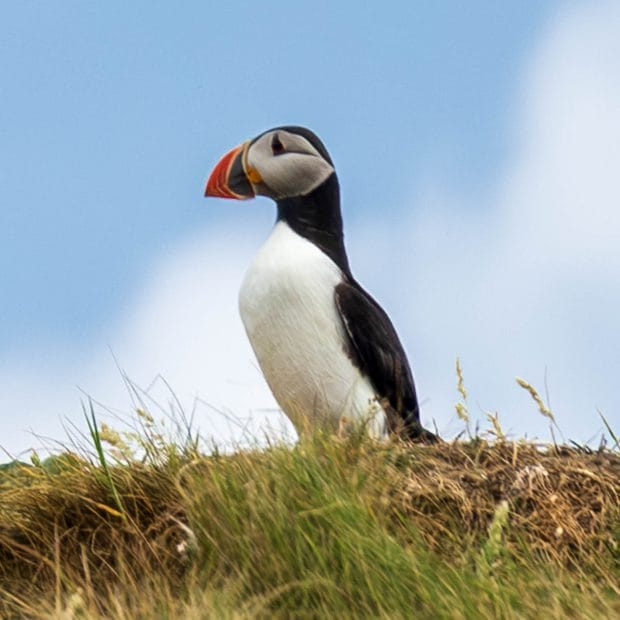
Puffin
Lives in burrows in the grass along cliffs
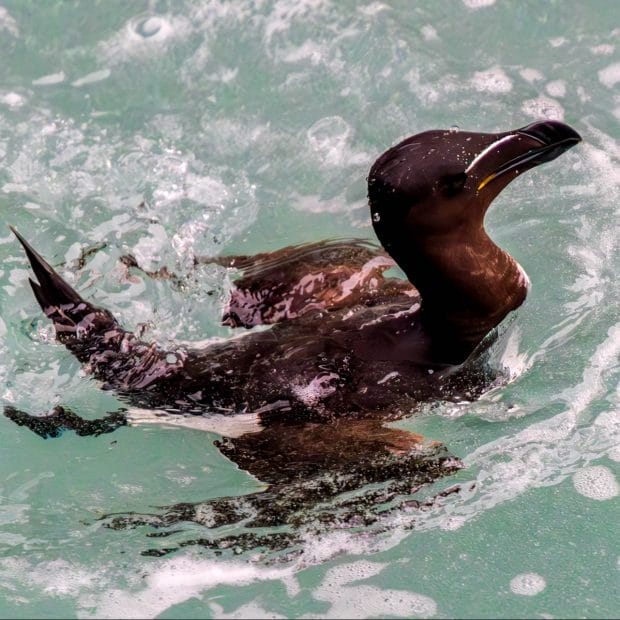
Razorbill
On cliffs and rocks along the coasts
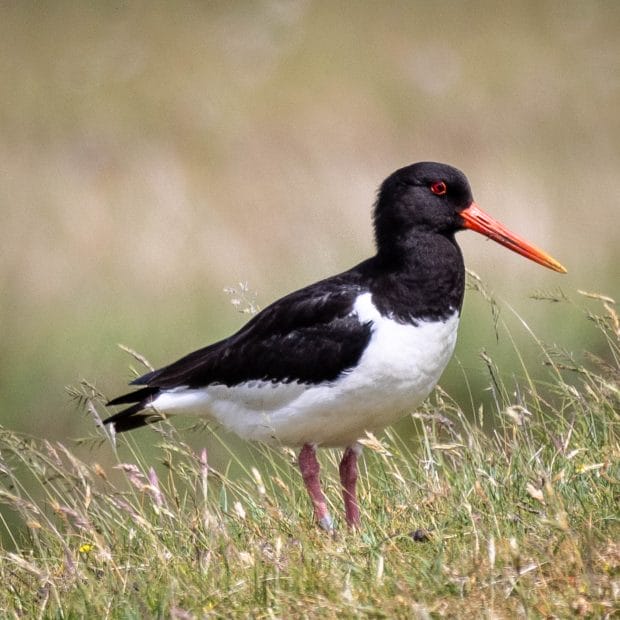
Oystercatcher
Often nests on beaches with stones and rocks
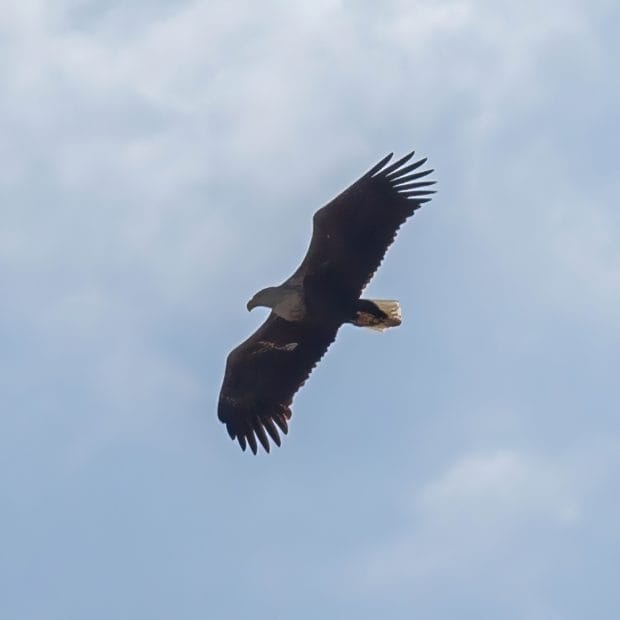
Sea Eagle
Circling over stretches of coastline
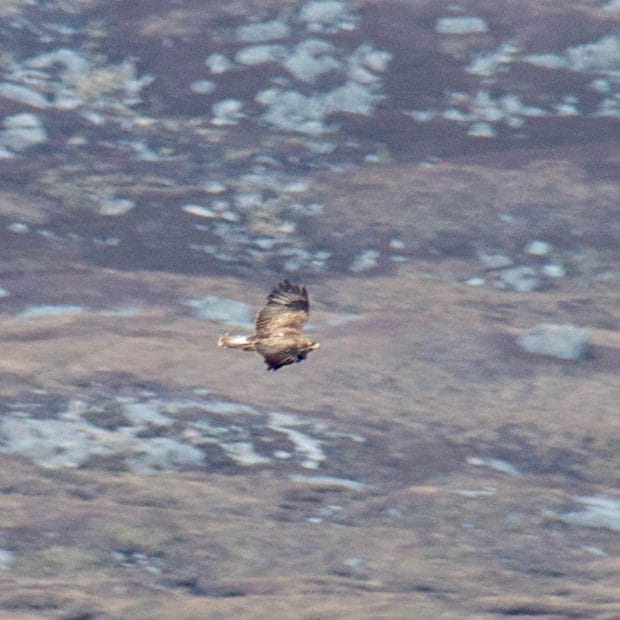
Golden Eagle
In the hills around Uig or in the mountains of Harris
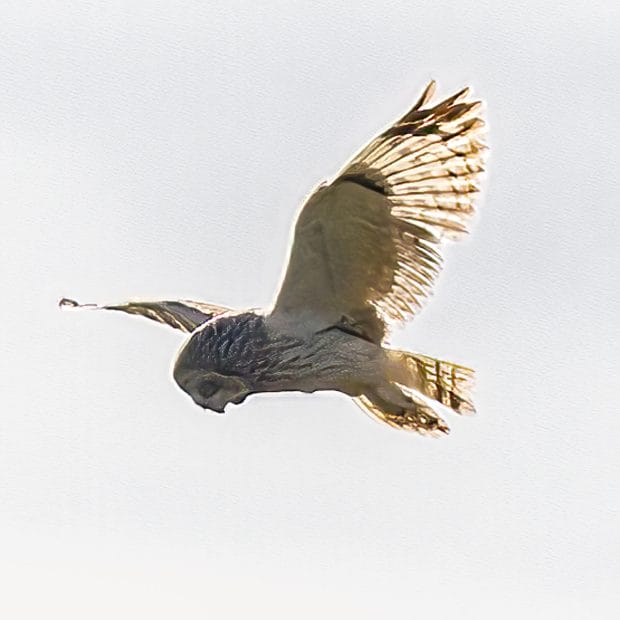
Short-Eared Owl
Can be seen over the meadows on South Uist
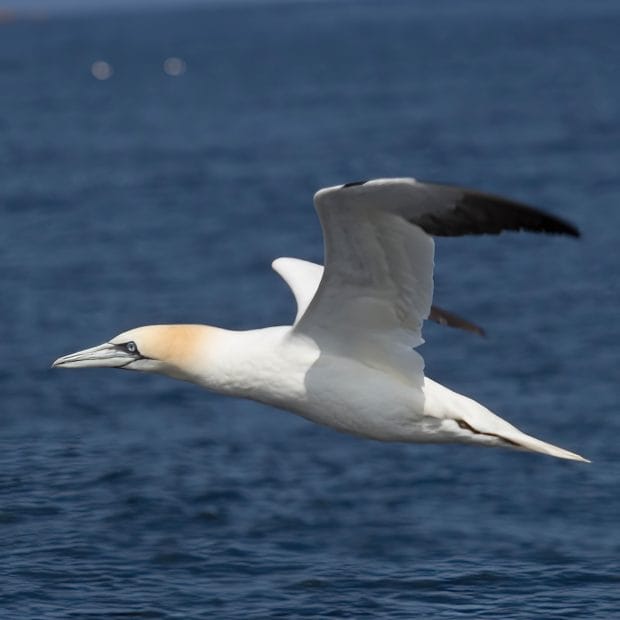
Gannet
On cliffs and rocks along the coasts
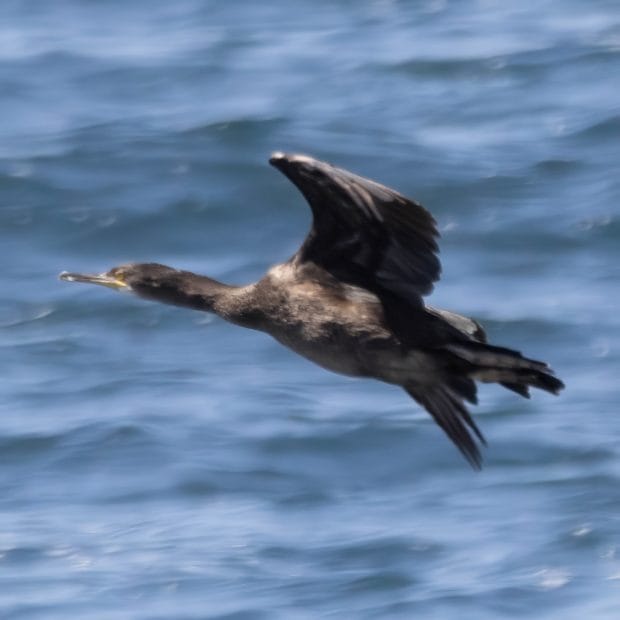
Cormorant
Often seen busily flying low over the water
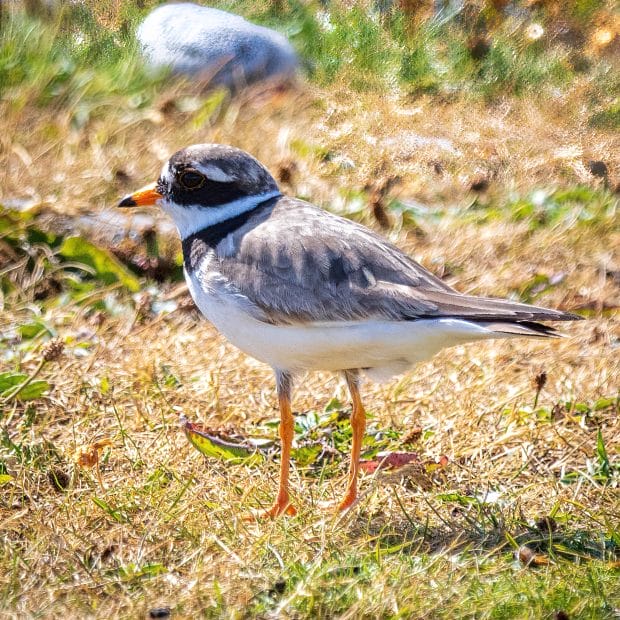
Ringed Plover
Usually found along the tideline on the beach
FAQ about the Outer Hebrides
All Sights on the Outer Hebrides
Who Writes Here?
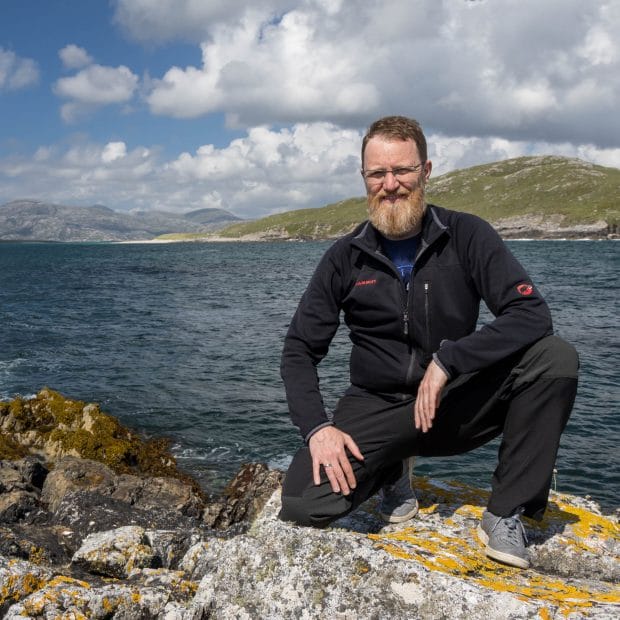
Stephan Goldmann
I run MyHighlands.de. I first visited the Outer Hebrides back in 1992, and I’ve travelled there regularly ever since. I’ve also been learning Gaelic for a few years now.
What I love most about the Outer Hebrides is the wild nature – places like St Kilda and Mingulay have a particular hold on me.
You’ll find my guidebook to the Outer Hebrides in the (German-language) shop.
History: Picts, Vikings and Jacobites
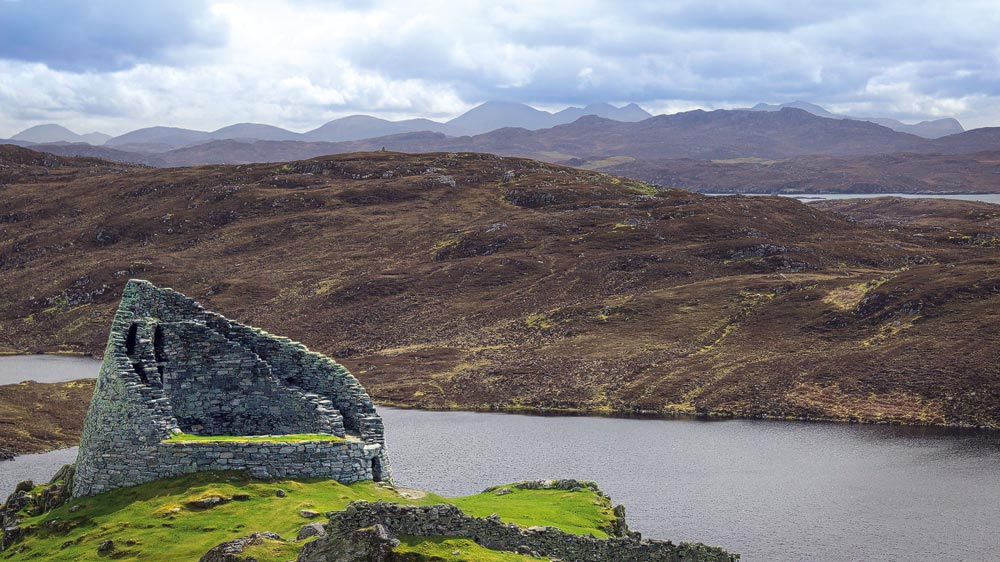
The Outer Hebrides look back on a long history. The islands were already inhabited in the Stone and Iron Ages, and the people of that era left behind one of the most impressive stone circles in the world: Calanais. They also left various remarkably well-preserved brochs, such as Dun Carloway.
After the Iron Age, the Picts took hold on the islands, until Viking rule began here too, (German only for now). The Outer Hebrides then also became part of the Lordship of the Isles, (German only for now). The clans MacLeod, MacDonald and MacNeil divided the island chain between them. The MacLeods of Lewis and the MacLeods of Harris ruled in the north, Uist was in the hands of the MacDonalds, and Barra belonged to the MacNeils.
One key moment in the islands’ history was surely the stay of the fleeing prince, Charles Edward Stuart, (German only for now). For several months the prince evaded capture here, until Flora MacDonald finally brought him across to the Isle of Skye. Strictly speaking, Flora’s actual birthplace is unknown. On the island of South Uist, itself part of the Outer Hebrides chain, there’s a monument marking her birth, though some island experts have serious doubts about that being the true location, (German only for now).
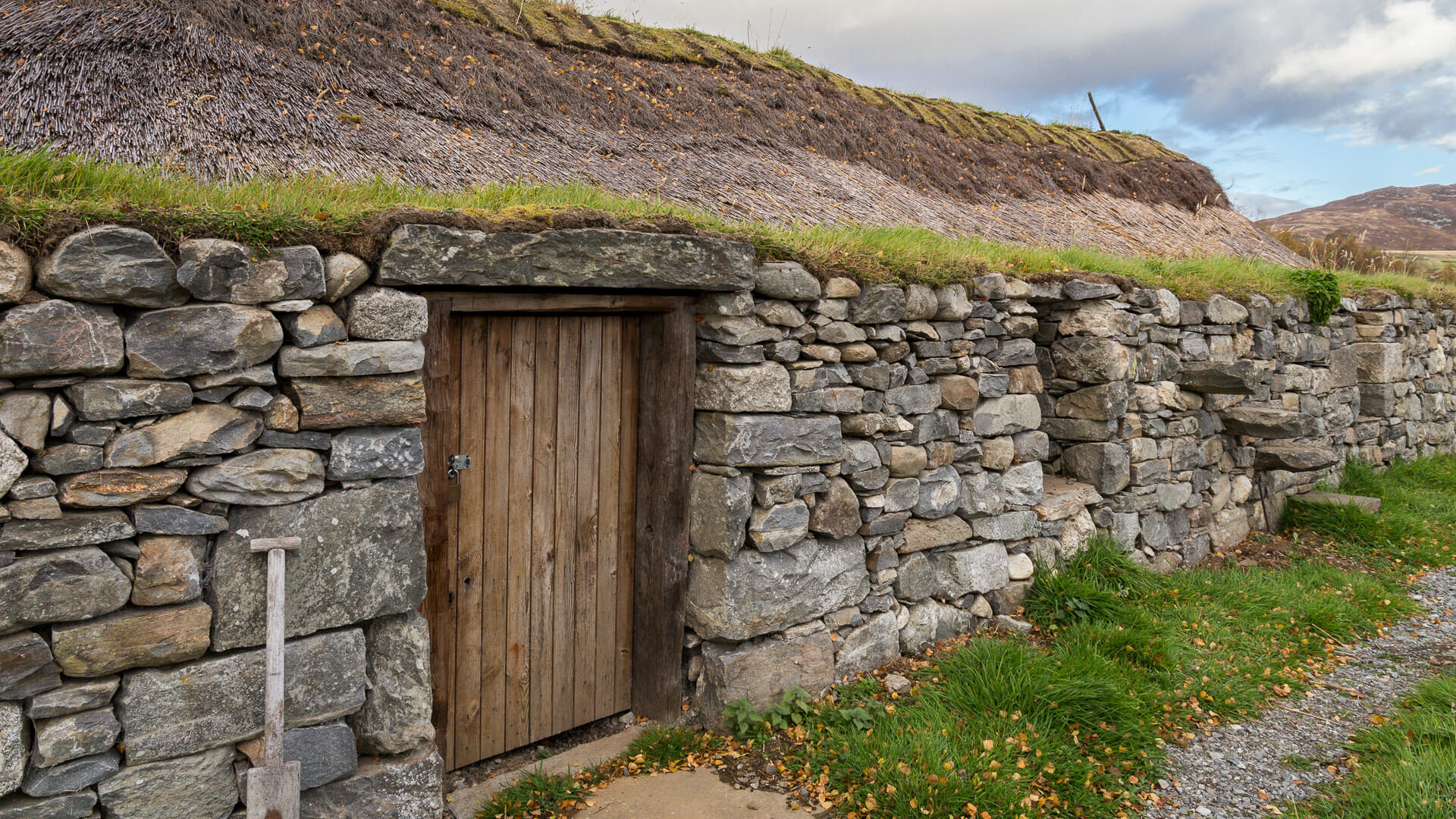
It’s not just remnants from the distant past here, either – there are also only recently abandoned dwellings that show island life from just a few decades ago. These are the blackhouse villages of Arnol and Na Gearrannan, (German only for now), where dried peat is still stacked outside the doors, and old looms inside still produce the famous Harris Tweed.
Worth a mention too is the tradition of the Guga Hunters. Every year, ten chosen individuals sail from Lewis out to the rocks of Sula Sgeir, a small islet lying around 50 kilometres to the north. There they stay for days on end amid the rough Atlantic, harvesting young gannets. They’re the only people in Britain still permitted to do so. The Guga Hunters gained a certain fame through the excellent novel “The Blackhouse” – a crime thriller from Peter May’s Lewis Trilogy.
