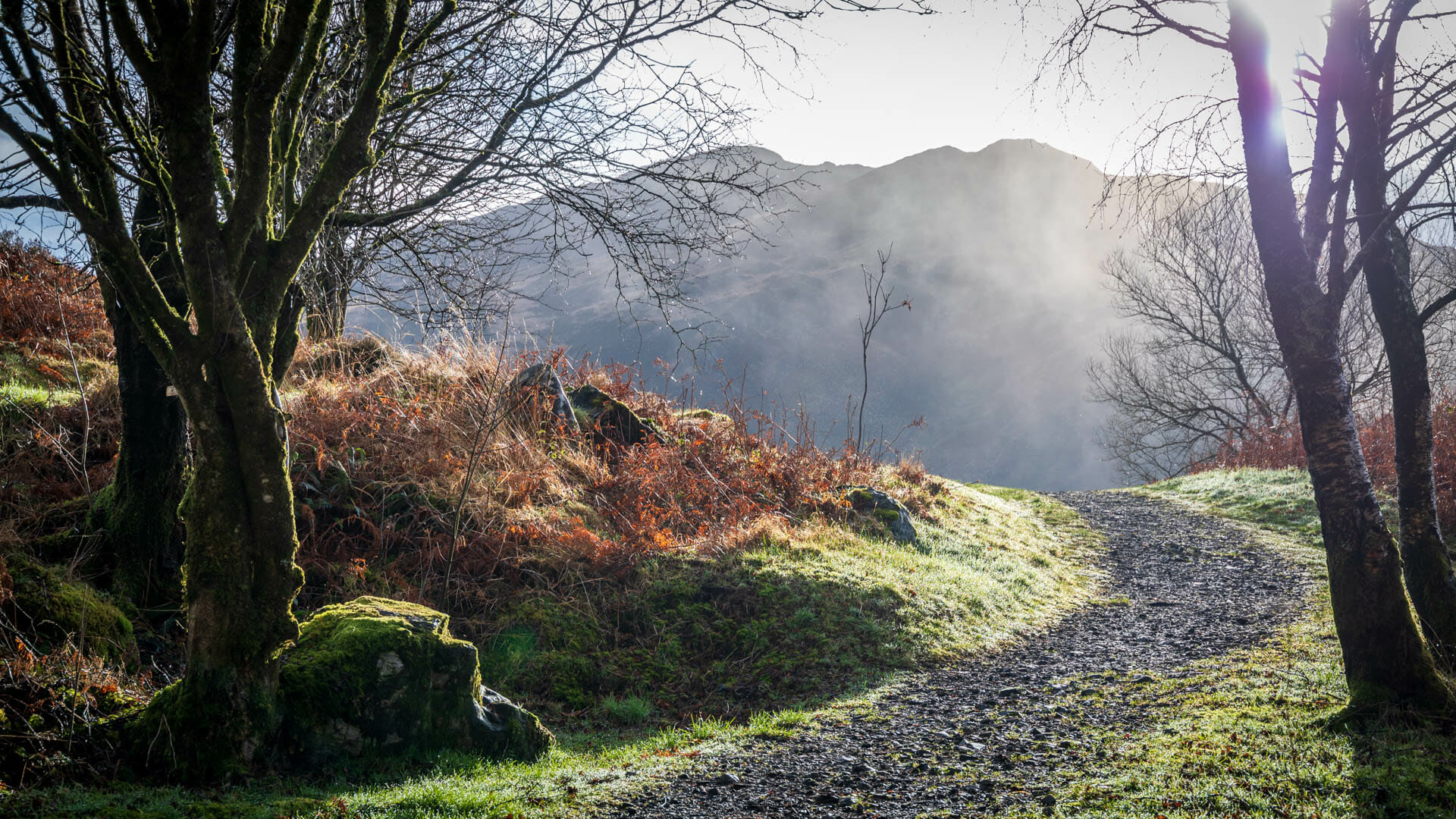
In Glen Trool, Robert the Bruce fought his first victorious battle. Bruce’s Stone commemorates that success. But there’s more to see here besides.

Things weren’t looking good for Robert the Bruce. His brother and his men had just been discovered and killed. Bruce himself had only a small band of fighters left. No new volunteers would come forward – after all, the prospects of success were slim. Unless… unless Robert the Bruce could show his subjects what he had learned in his absence. With new tactics, and with a victory against the enemy.
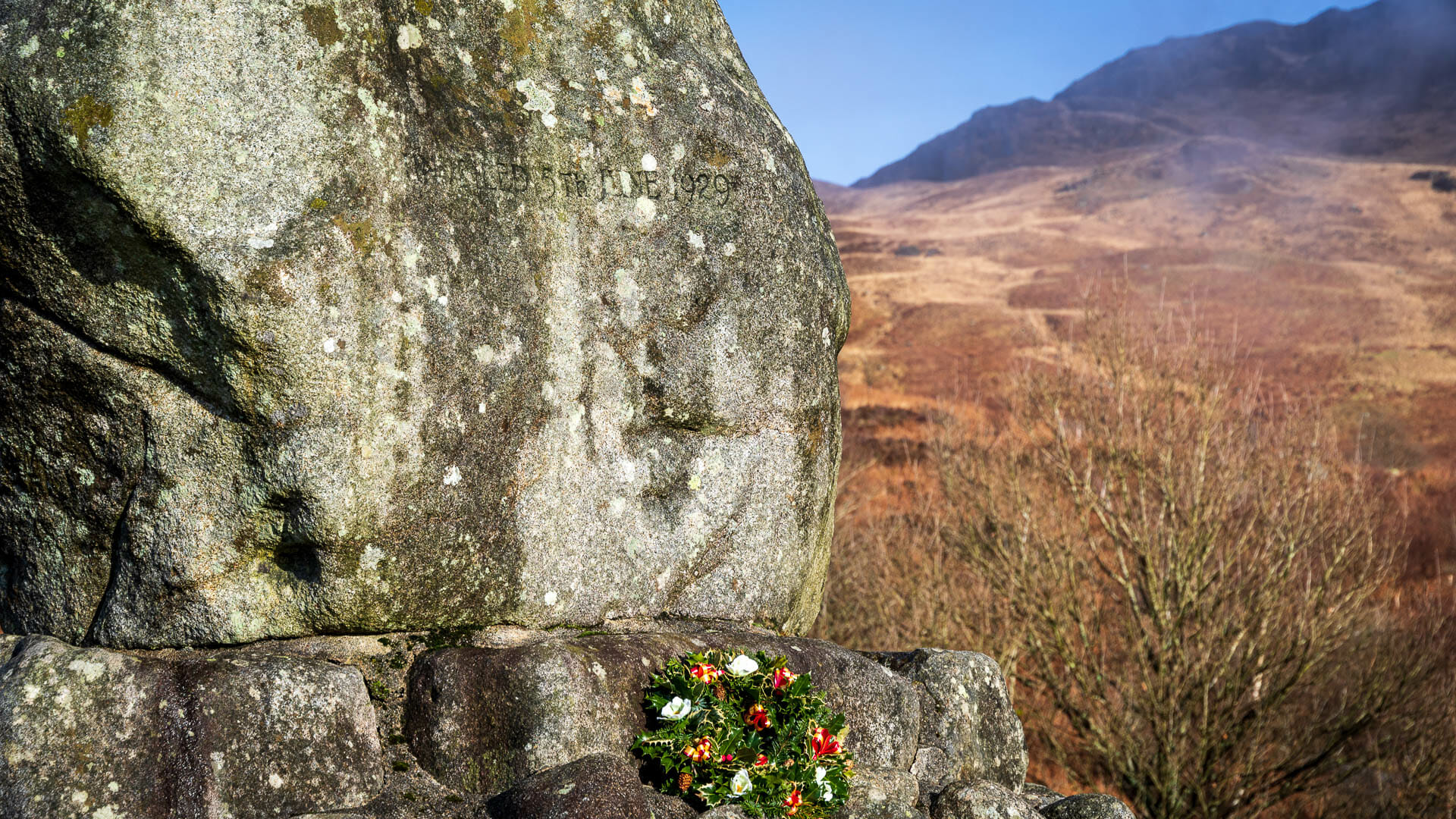
The year: 1307. Bruce chose Glen Trool, a valley in the Galloway Forest, as the site of the battle. Where Bruce’s Stone stands today, Robert is said to have once watched and directed the enemy. Indeed, this outcrop on the hillside offers a commanding view down into the valley and across Loch Trool. A truly royal view!
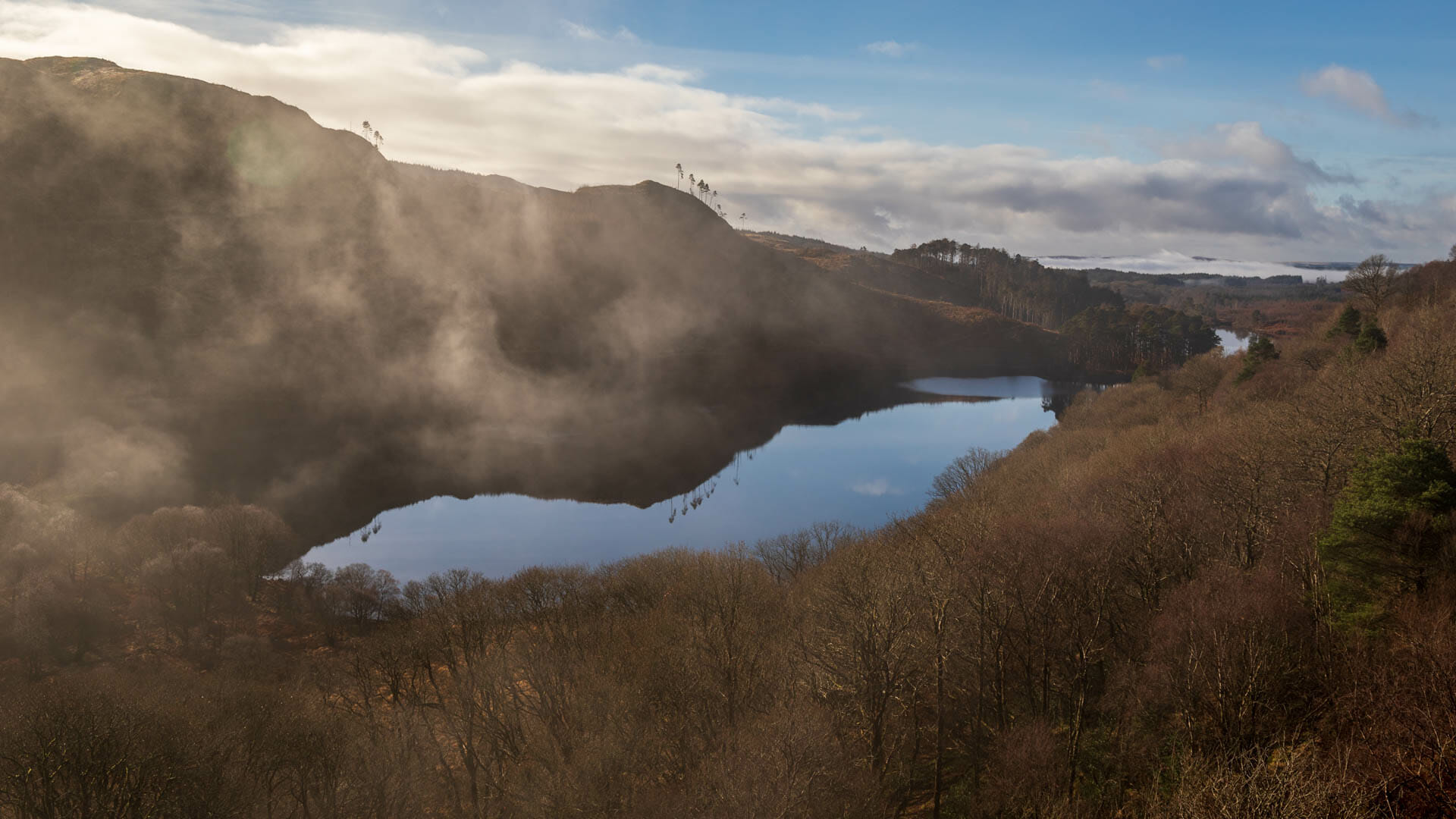
But Bruce certainly had no eye for the beauty of the landscape. What mattered to him was that only a narrow path ran along the loch below, while the slopes to the sides offered a perfect opportunity.
Bruce’s small band had made camp on the eastern shore (which is on the left if you look down from the stone towards the loch). The troops of his opponent and cousin, Aymer de Valence, advanced from the west on the opposite side of Loch Trool. And the narrow path forced them to move in a long single file – both the heavily armoured knights and the foot soldiers. Perfect! The trap was set.
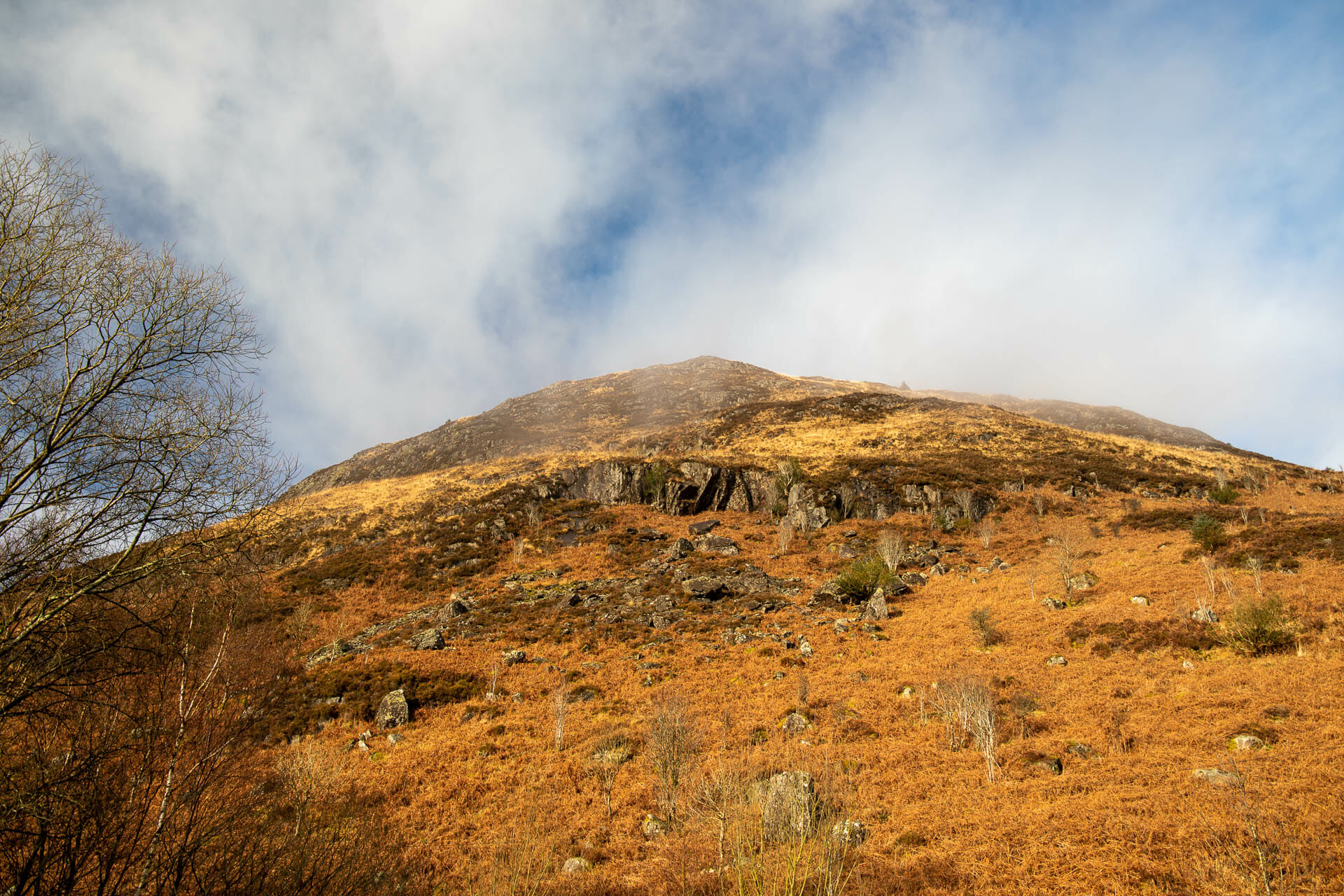
Today, walkers don’t run into any traps. A nine-kilometre circular route now runs around Loch Trool. The forest, the loch and the valley are a feast for the eyes at any time of year, and Bruce’s Stone can serve as both the start and end point of the walk. The truly adventurous, however, head away from the valley here, since the monument is also the starting point for climbing the Merrick, the 843-metre mountain rising behind the valley.
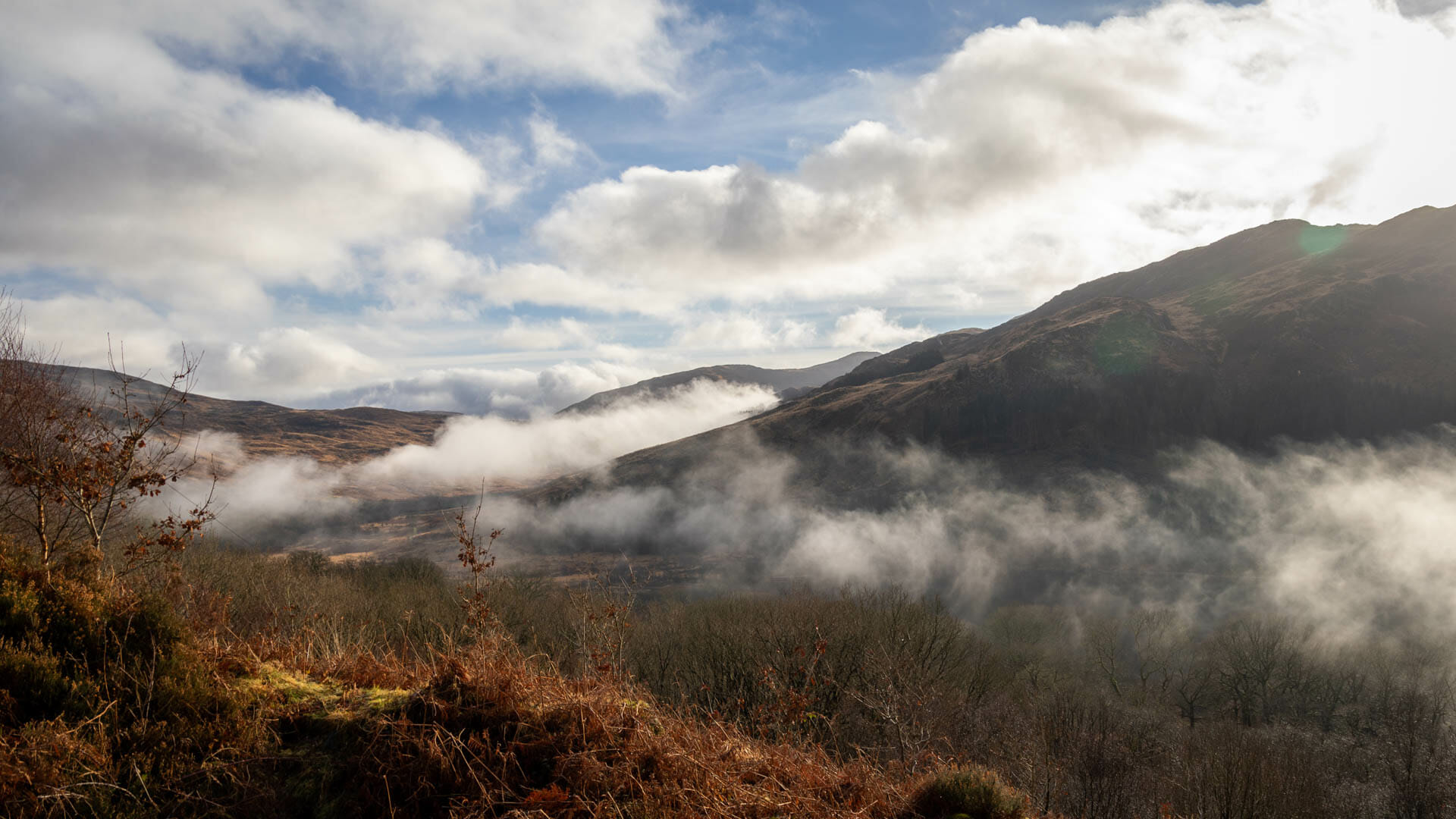
The beauty of Glen Trool and its surroundings has been carefully protected since 2012. The area forms part of the Galloway and Southern Ayrshire Biosphere Reserve – one of two UNESCO biosphere reserves in Scotland.
For de Valence’s troops, however, the road came to an end here. As they had almost reached the camp of Robert the Bruce’s men on the eastern shore of Loch Trool, Bruce gave the order to attack. His soldiers had been hiding on the hillside. Now they began hurling stones and firing arrows down into the enemy’s long, exposed flank. There was little the enemy could do in response. When Bruce’s fighters then charged down the slope and split the opposing troops in two, any organised resistance became unthinkable. And so 300 Scottish foot soldiers overcame what were said to be around 1,500 English cavalrymen.
Small as it may have been, this victory proved that Robert the Bruce had learned his lessons and could achieve success. From then on, his following grew, until seven years later he finally brought the English to their knees at the Battle of Bannockburn. The heart of his success lay here. And that is what Bruce’s Stone is meant to commemorate.
Good to know: Bruce’s Stone and Bruce’s men
The great rock that today rises over Glen Trool as a monument was erected in 1929. That year marked the 600th anniversary of the death of Scotland’s hero of independence. It’s made of granite.
It’s interesting to look at the soldiers who helped Bruce. Almost all of them came from the islands, which were ruled by Clan Donald and also the Campbells. Bruce later rewarded both clans for their support up to the Battle of Bannockburn with extensive grants of land. In doing so, he strengthened the clan under which the Lords of the Isles would later emerge as a rival power to the Scottish kings.
Getting there
With a sat nav: “DG8 6SU” will bring you into the Glen Trool area.
Without a sat nav: coming from the northwest, at the end of the village of Girvan, take the roundabout onto the A714 towards Pinmore. Follow this road until a sign points towards Glentrool. Turn left. In Glentrool, turn right towards Loch Trool. Continue on until you cross the bridge, then turn right beyond it and follow the road until the car park at Bruce’s Stone appears on the left. A short path leads from there up to the stone, passing between a few trees.