Glen Shiel is a quiet glen where, once, a mighty clash took place. What lay behind the battle there, and what makes Glen Shiel so beautiful.
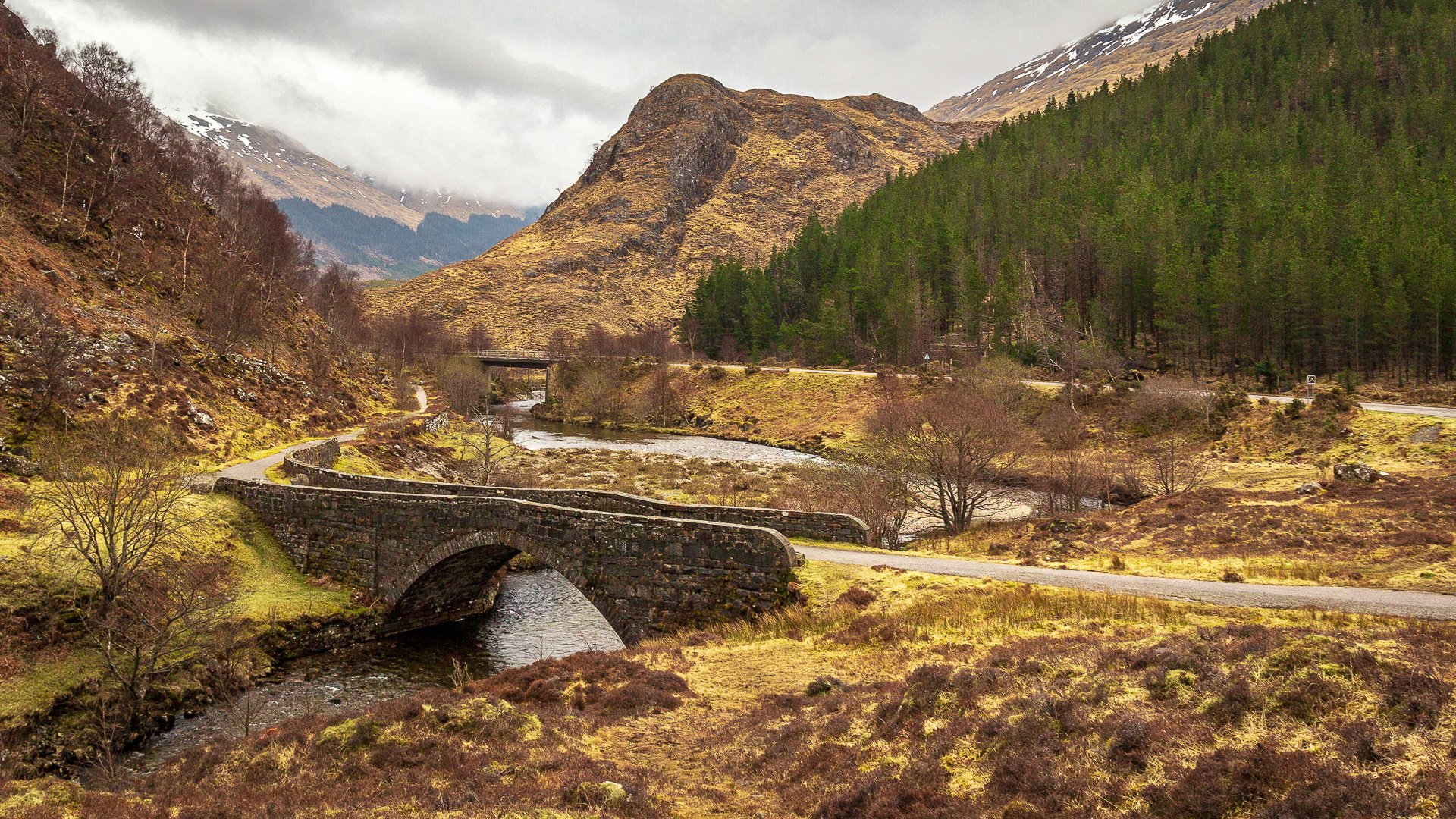
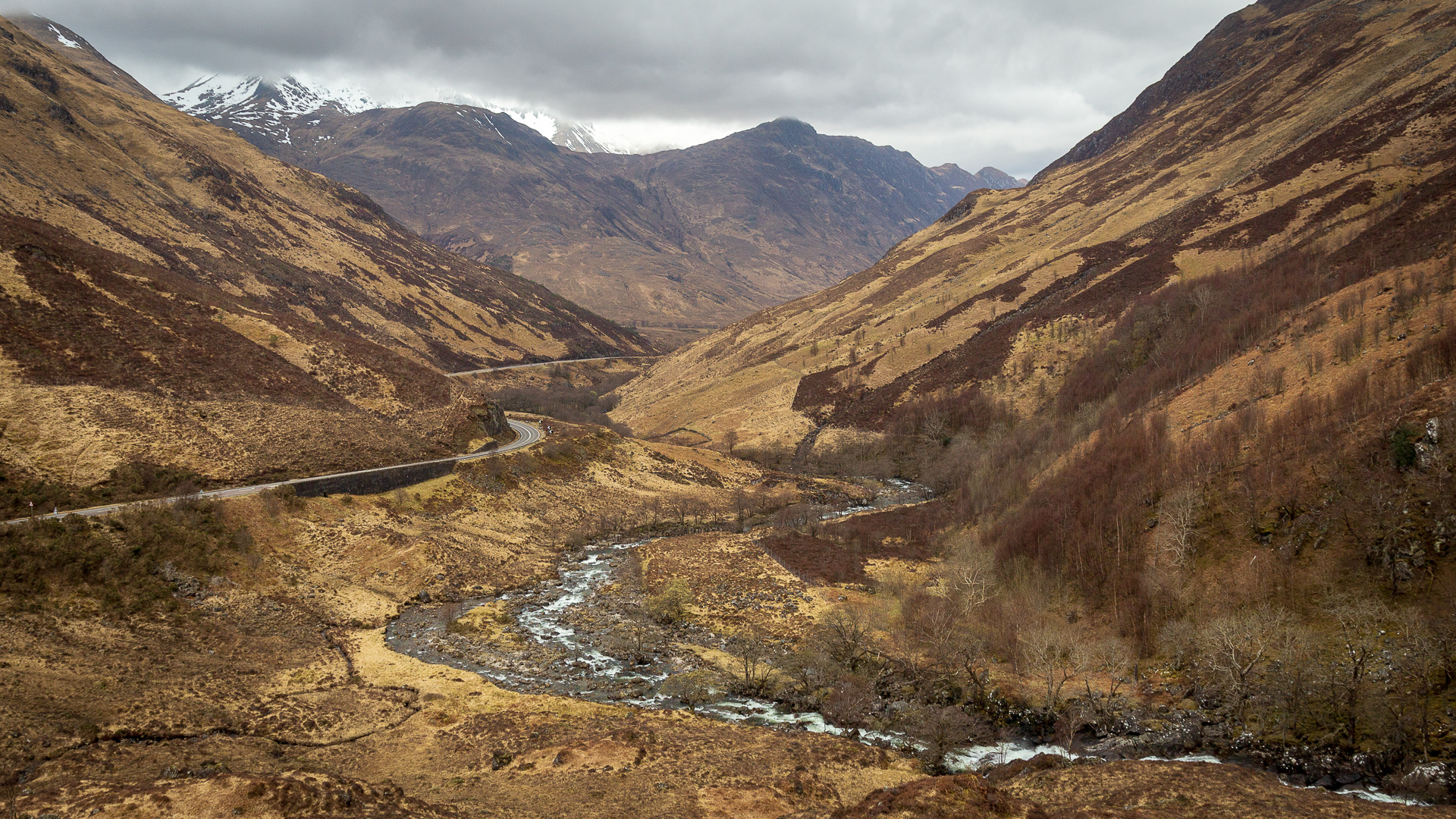
Many visitors to Scotland only know Glen Shiel from driving through it. Because the A87 runs through this high glen, the connecting road to Eilean Donan Castle and the bridge to the Isle of Skye. High mountains give the glen an oppressive narrowness, and you usually only meet other people rushing past behind the wheel of an oncoming car.
Glen Shiel feels lonely, and miles away from the rest of Europe.
And yet it was close enough to become a pawn of the European powers of the 18th century. Because in 1719, a battle took place in Glen Shiel, which memorial plaques along the roadside still commemorate today.
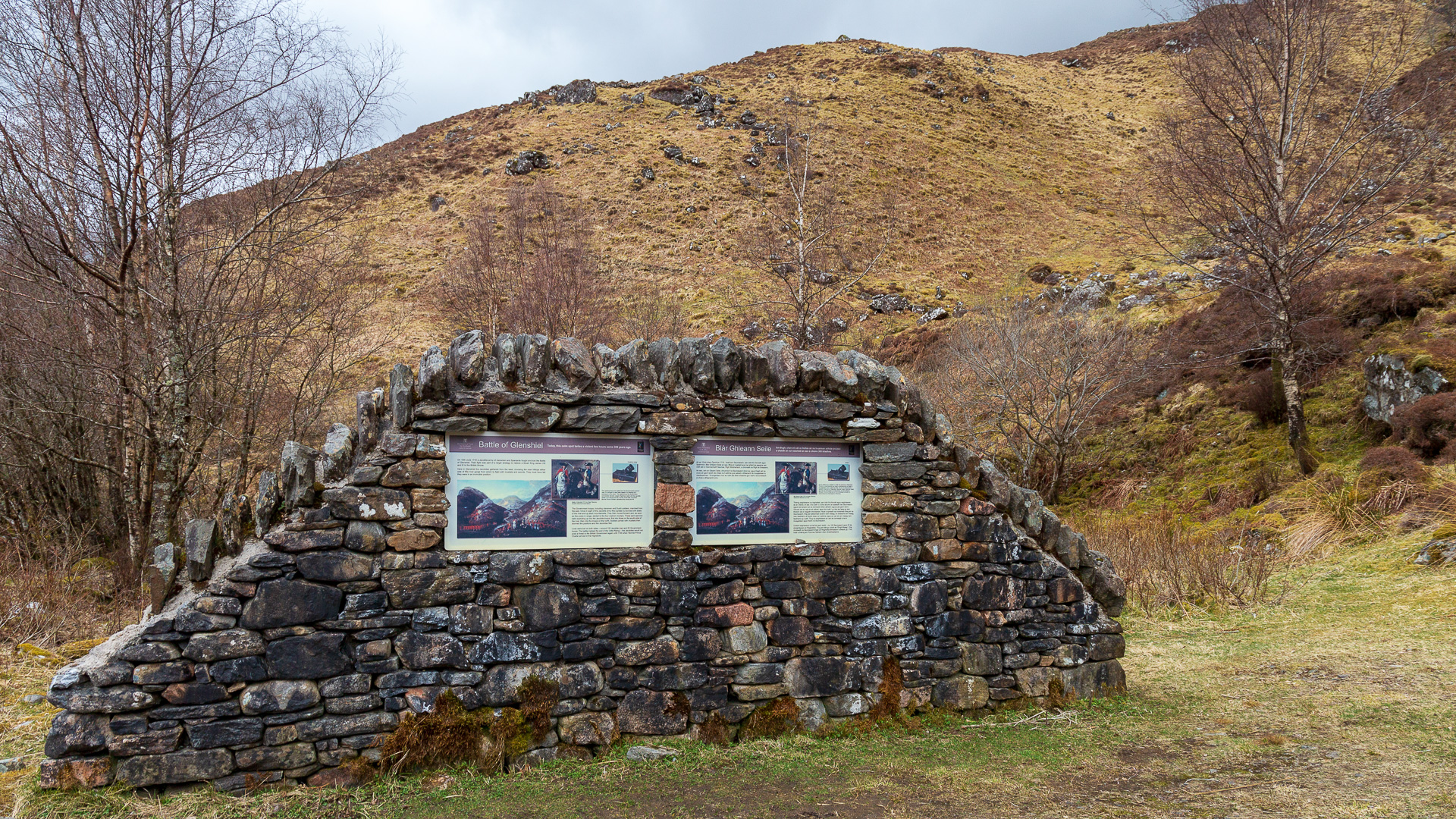
The information boards tell the story of the battle quite briefly: supporters of the deposed King James – the so-called Jacobites – had entrenched themselves on the mountain slopes on either side. Cannon fire and the government troops’ superior numbers, however, quickly scattered the Jacobites to the four winds. And so the battle at Glen Shiel sounds like little more than a footnote. Yet a much bigger story lies behind it (see further below).
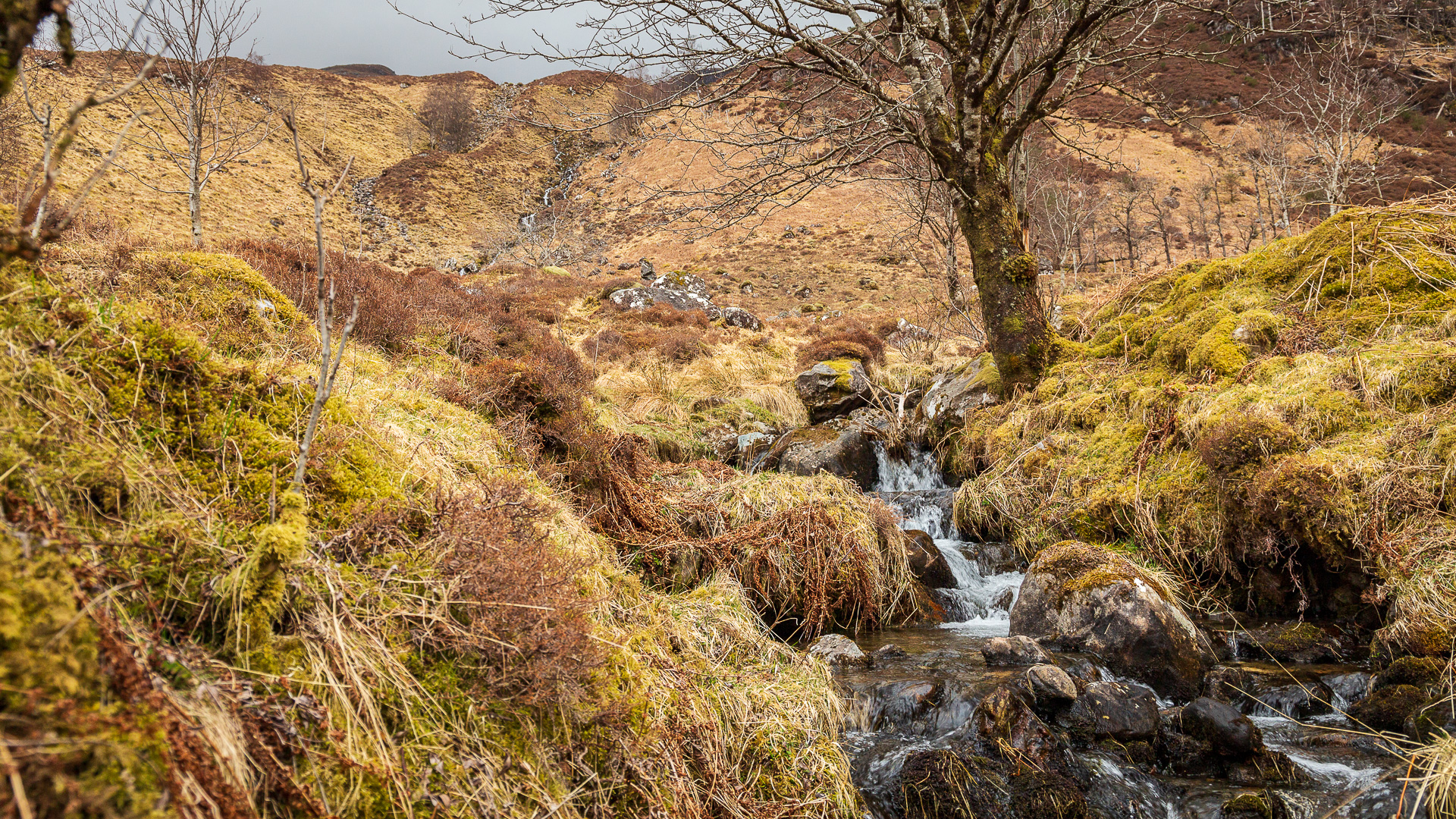
Today, calm has returned here once more. Few people stay in Glen Shiel any longer than the drive across its 15 kilometres takes. Only hillwalkers pass through more often, climbing, for instance, the famous Five Sisters of Kintail, which lie to the west of Glen Shiel. The highest peak is Sgùrr Fhuaran, at 1,068 metres.
Alongside the A87, remnants of the old military road also run through the glen, which once connected to the Bernera Barracks near the Glenelg Ferry. It was meant, after 1750, to tame the Highlanders.
With all this knowledge, perhaps more people will take the time to at least stop briefly at the battle memorial.
Know-how: The background to the Battle of Glen Shiel
In 1719, Europe once again found itself at war. On one side, the Spanish, still a world power. On the other, an alliance of four states: France, Austria, the Netherlands and Great Britain. At stake was supremacy in the Mediterranean and – more importantly still – Spain’s claim to the French crown. If Spain were also to rule France, its strength in Europe would be unrivalled.
In the Mediterranean, the Spanish had their hands full. But what if the war were also to reach Great Britain? What if the Stuart kings were to seize power once more – backed by Spain?
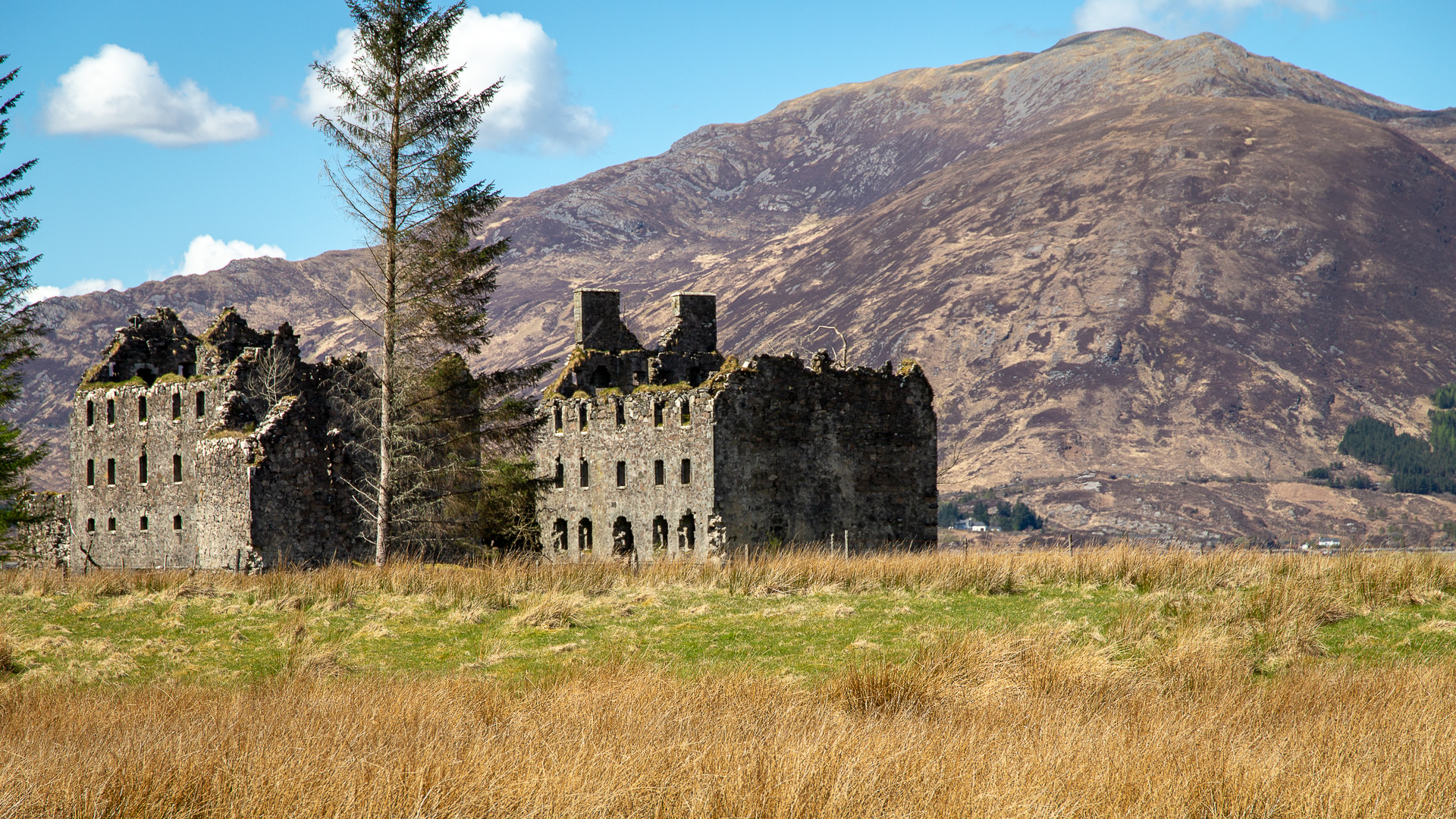
And so the Spanish king sent 300 soldiers together with Jacobite leaders George Keith and William Mackenzie. They first took the Isle of Lewis, before moving on and occupying Eilean Donan Castle. Clansmen of the Mackenzies, MacKinnons and MacGregors joined the Spanish.
A garrison was left at the castle, while the rest of the force marched towards Inverness, into Glen Shiel. They didn’t get far before taking up position to await the government troops.
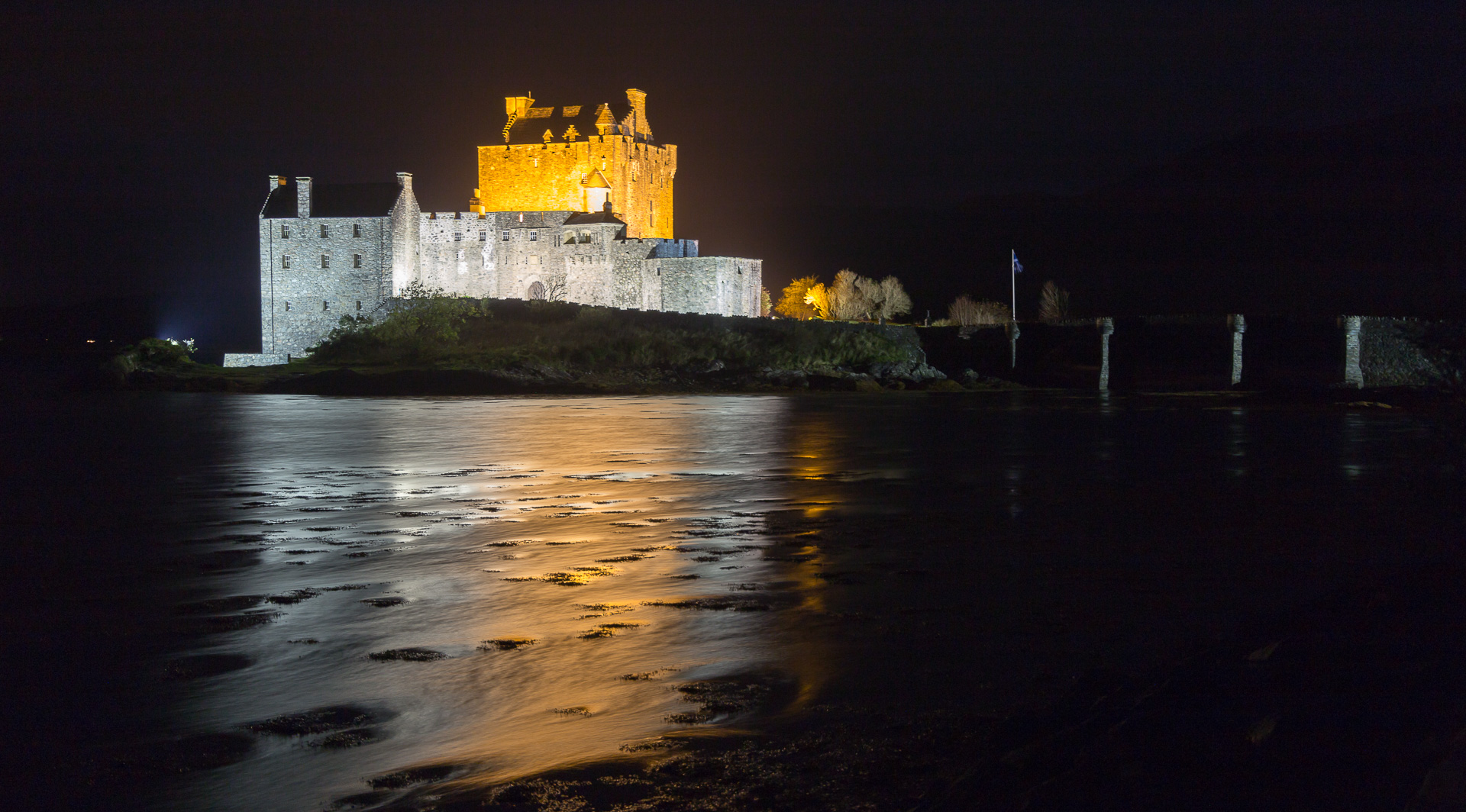
Meanwhile, Eilean Donan Castle was taken by British ships. And the battle at Glen Shiel, too, was quickly decided. The leaders at least managed to escape. Among them was Lord George Murray, who 26 years later would go on to help lead the great uprising.
Incidentally, one mountain peak is called Sgùrr nan Spainteach, “peak of the Spaniards”.
The British thanked Spain shortly afterwards with an invasion of their own.
Once more, however, a Jacobite came here: Charles Edward Stuart, during his flight through the Highlands and Islands, reached Glen Shiel, only to receive the disheartening news there that his escape ship had already sailed.
Tip: Photo spot – the old bridge
A short distance west of the memorial plaque lies the Drochaid Beul-ath Cheapain bridge, a stone bridge from 1815. A little further on stands the newer Eas-nan-Arm concrete bridge. A hill also rises here, one that’s easy to climb. From up there, you can get good shots of the glen and the bridges.
Getting there:
With satnav: “IV40 8HU” brings you into the glen.
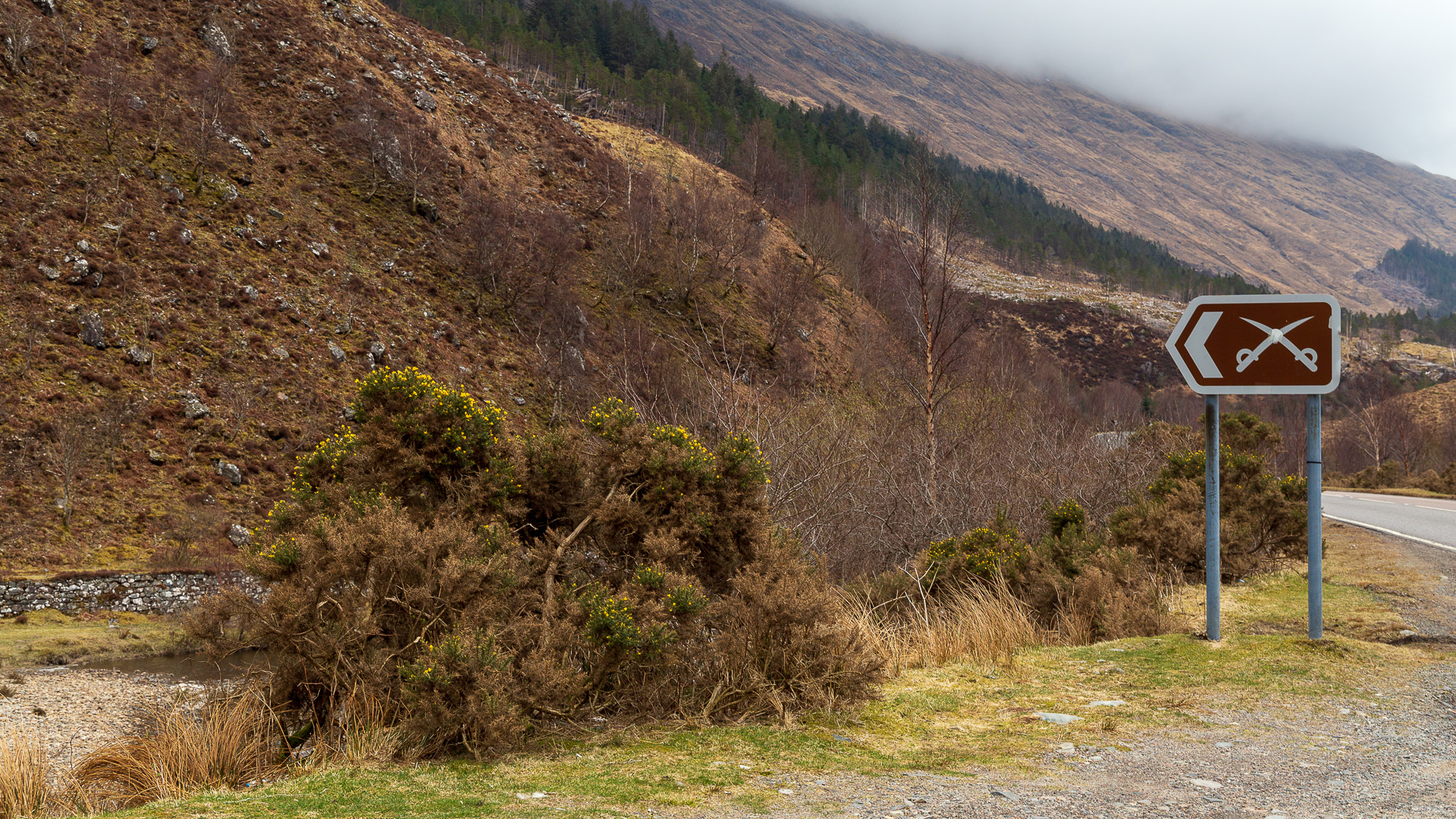
Without satnav: in the Great Glen, the A87 branches off from the A82 and leads towards the Isle of Skye. The glen begins right after the Cluanie Inn, which sits on Loch Cluanie. The site of the battle is marked by a brown sign with crossed sabres. There’s a small parking strip.
