Scotland’s Road to the Isles runs from Fort William to Mallaig. Along the way it passes some of the most beautiful sights in the Highlands.
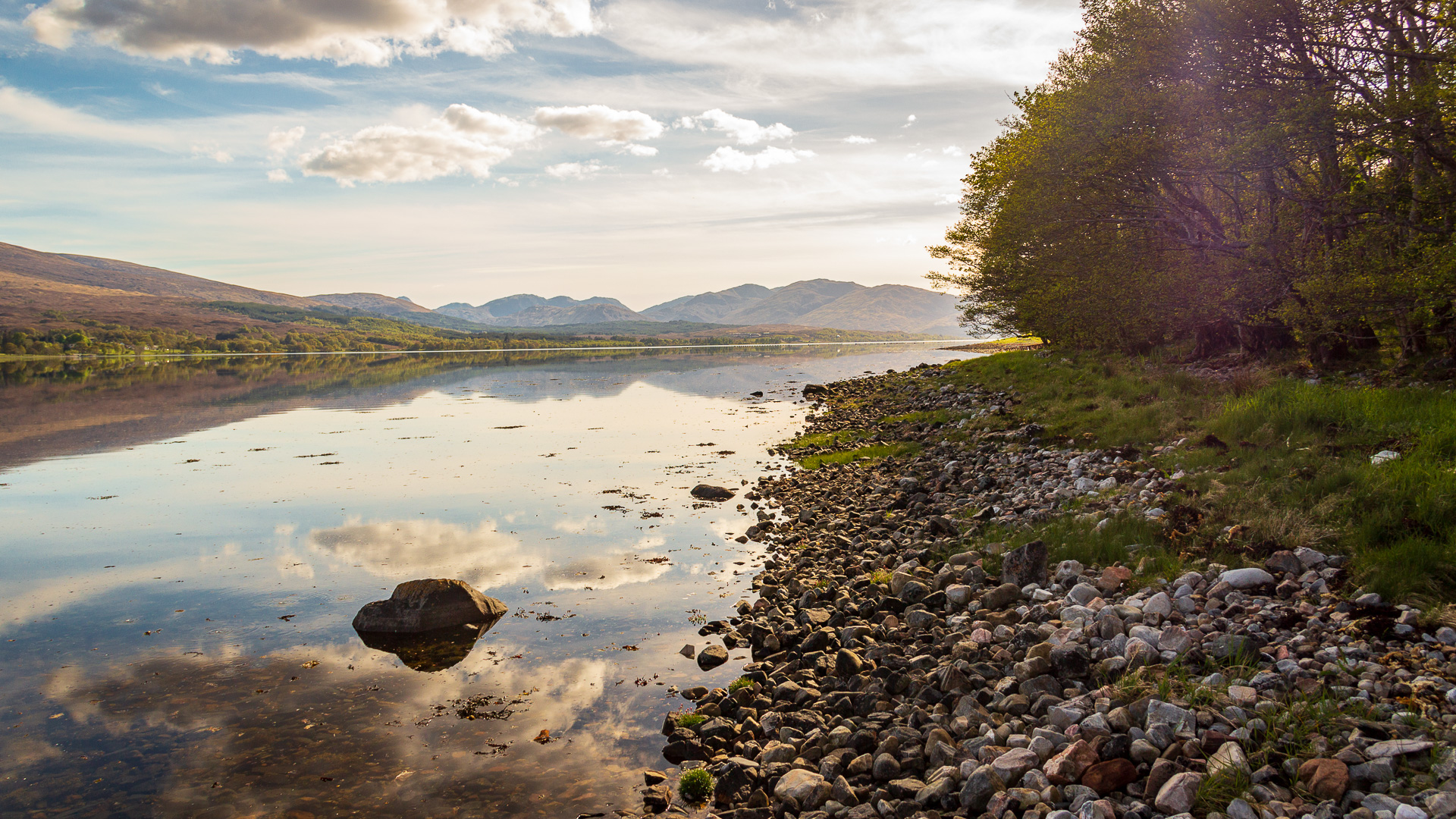
It’s a concentrated dose of romance and scenery. Starting at Fort William, the Road to the Isles first hugs the shore of Loch Eil. But no sooner has it left that behind than the Highland mountains rise up alongside it.
Passing the Glenfinnan Viaduct and Glen Shiel, the road eventually reaches the sea again, where the mountains open up the view to silver sandy beaches and the islands to the west that give the road its nickname.
The A830, as the Road to the Isles is officially known, truly ranks among the most beautiful roads in the Scottish Highlands. At only about 65 kilometres and roughly an hour’s drive, it can be worked in as an interesting scenic route on the way to the Isle of Skye (instead of taking the bridge), or as a way in towards Ardnamurchan and on to the Isle of Mull further south.
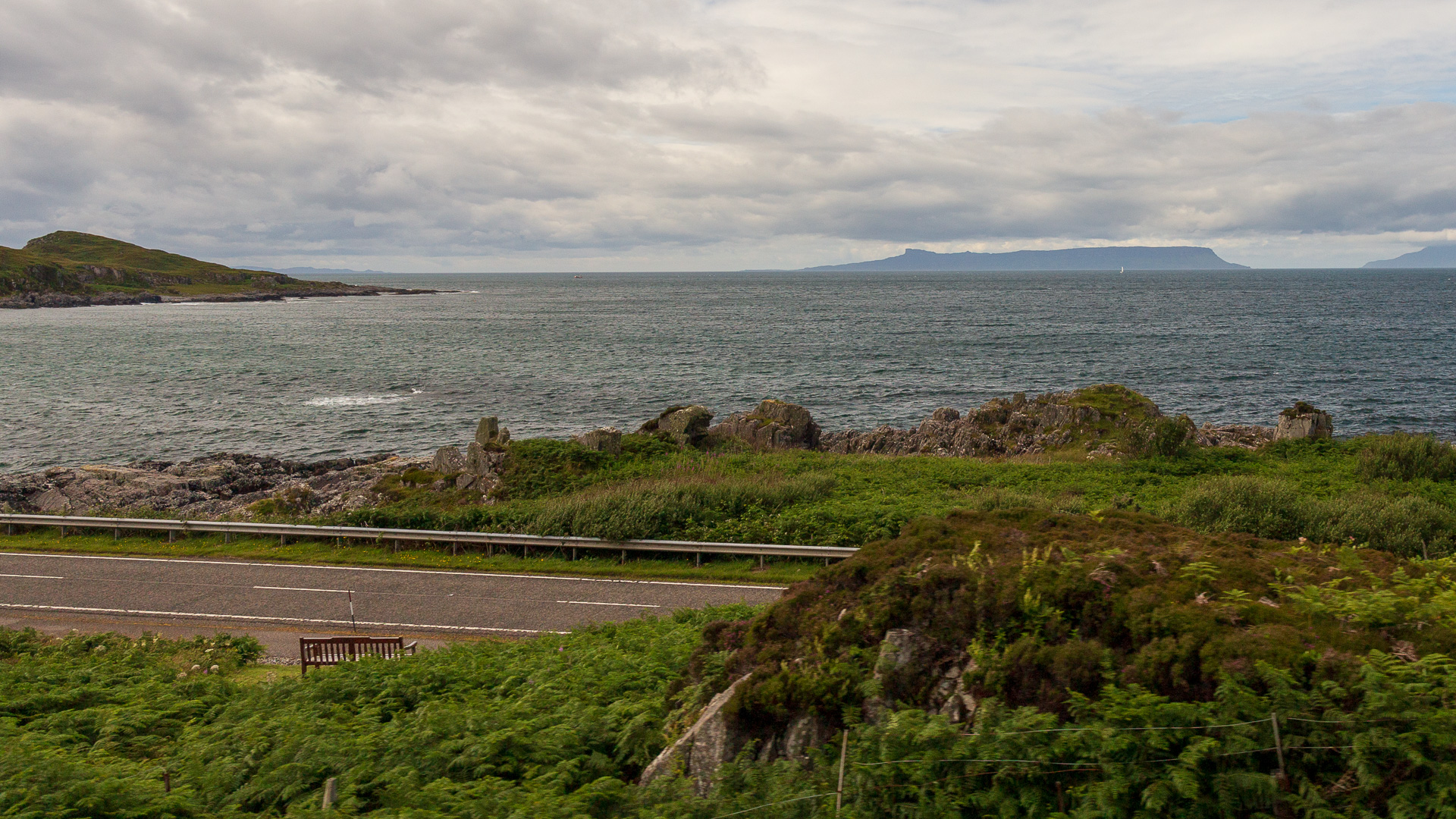
It’s equally well suited to a lovely day trip, where travellers take their time enjoying the landscape and the sights with plenty of stops.
And it’s not a difficult drive, either: since it serves as the feeder road to the ferry, it’s dual-lane throughout (except on bridges). So even the driver can enjoy it in reasonable comfort.
Anyone who’d rather not drive at all can simply board the historic steam train, the Jacobite Steam Train. Downside: you can’t just hop on and off as you please.
Road to the Isles filming locations: Harry Potter, Outlander, Highlander
The Road to the Isles is especially close to the hearts of Harry Potter fans. The density of filming locations from the young wizard’s story along this road is unbeatable: the Jacobite Steam Train, for one, is also known as the “Harry Potter train”, the Glenfinnan Viaduct appears several times as the famous curved bridge, Loch Shiel stands in for the Hogwarts lake, and on Loch Eilt you’ll find the island used for Dumbledore’s grave.
Outlander fans get a little something too, since it was at Glenfinnan that the clans once gathered under the banner of Bonnie Prince Charlie before launching the final Jacobite Rising. The location doesn’t actually feature in the series itself, though.
Instead, there’s another cult film from the 1980s that was shot here. Because it was on the waters of Loch Shiel that Sean Connery once taught “Highlander” how to keep his balance. And further west, on the Morar Silver Beaches, the two of them transformed into a stag and ran along the sandy shore.
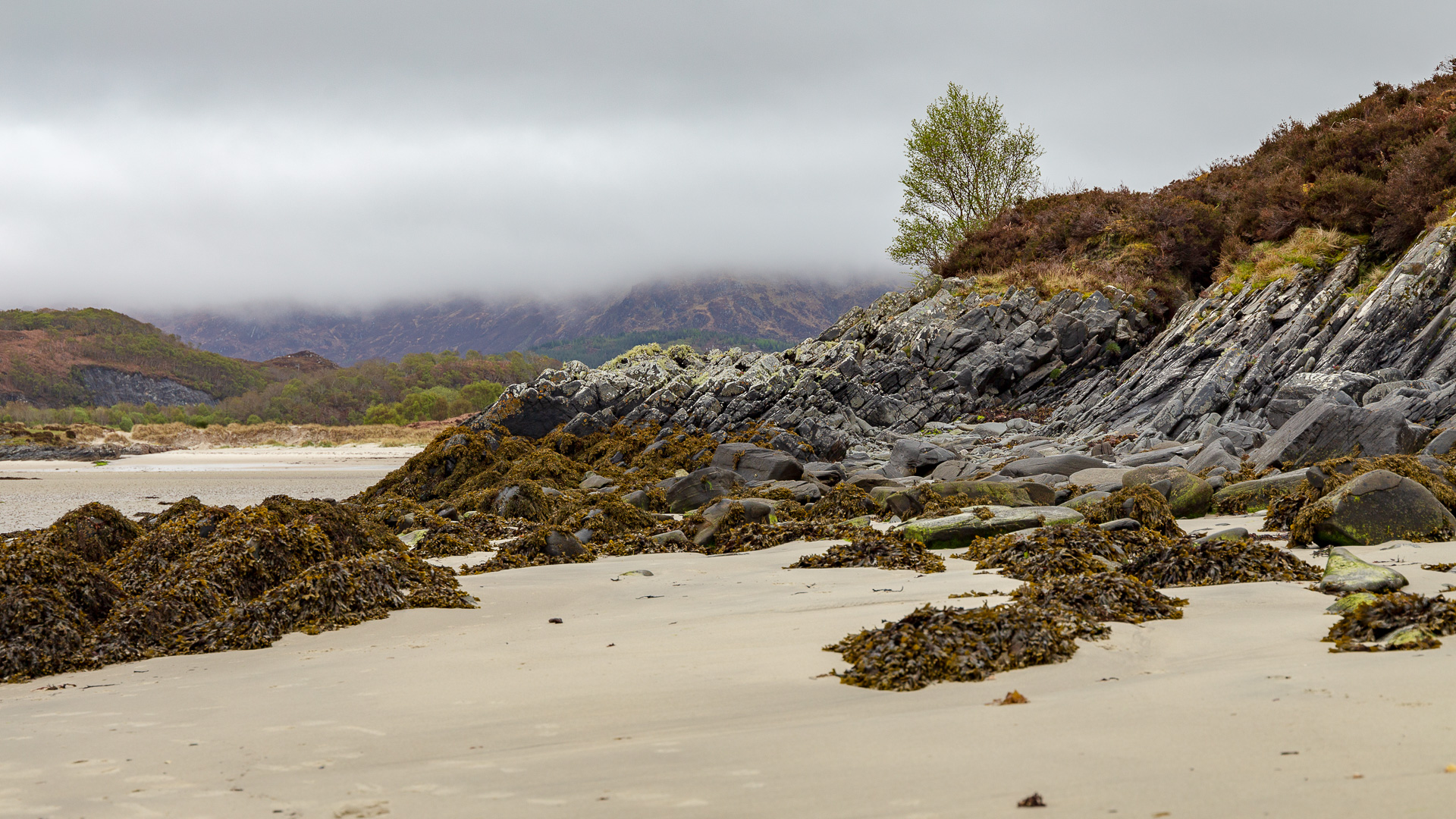
And this very beach once stood in for the beach at Ferness in the 1980s film “Local Hero” (though the actual filming location of Ferness lies on the other side of Scotland, at Pennan).
Map of the Road to the Isles
Sights along the Road to the Isles
Here we cover the sights along the road from east to west. Anyone driving west, for example to cross over to the Isle of Skye, can stop at the sights in this same order.
Day trippers, on the other hand, should plan differently, since some places close, or the Jacobite Steam Train is only visible on the line at certain times. Here, it’s worth stopping first at the Glenfinnan Monument, spending some time there, and then continuing on to Mallaig. On the way back, you can then take your time enjoying the natural, free-of-charge beauty spots.
So, here are the sights from east to west.
Neptune’s Staircase
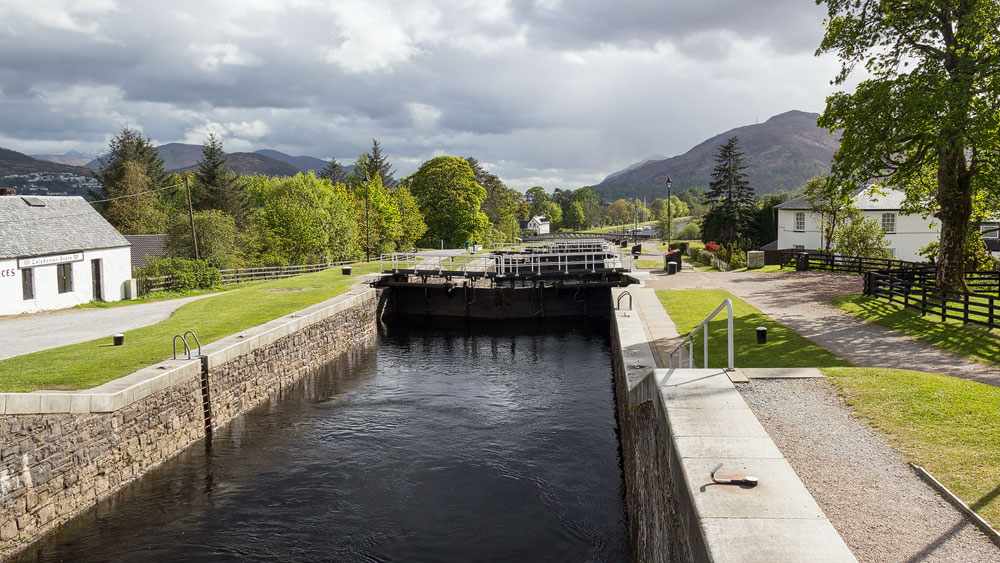
Eight lock steps mark one end of the Caledonian Canal here, which runs between Fort William and Inverness through the Great Glen. You can take a wonderful walk alongside the locks, with the mountains visible in the distance. At the right time, you can watch the locking process in action.
More on Neptune’s Staircase here.
View of Ben Nevis
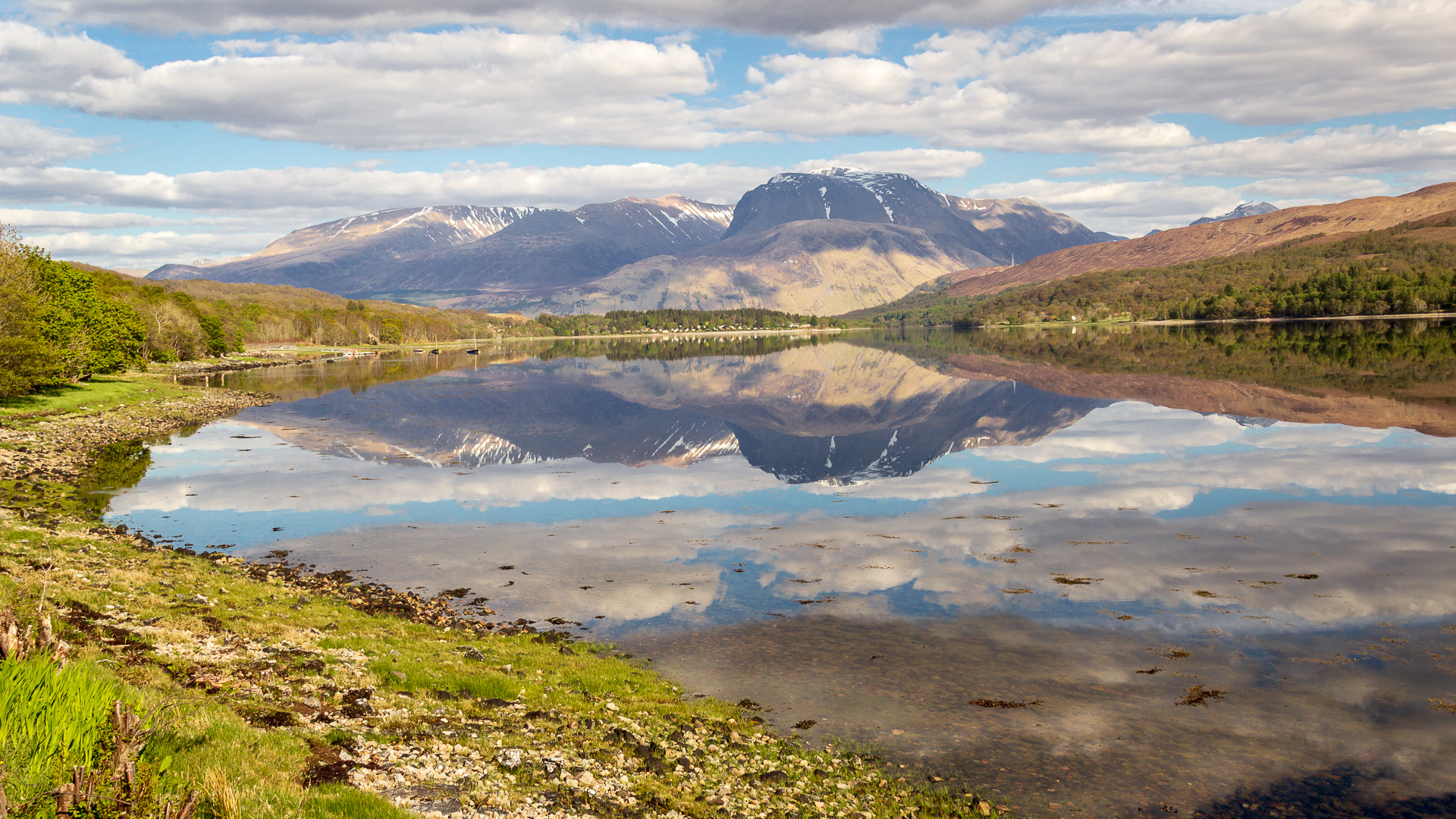
Anyone who wants to can stop a little further west along the road and walk down to the shore of Loch Eil. Caution: to do so, you have to cross the railway tracks. So do this at your own risk, and with care. That said, the view of Ben Nevis across the sea loch is well worth it.
Glenfinnan Monument and Viaduct
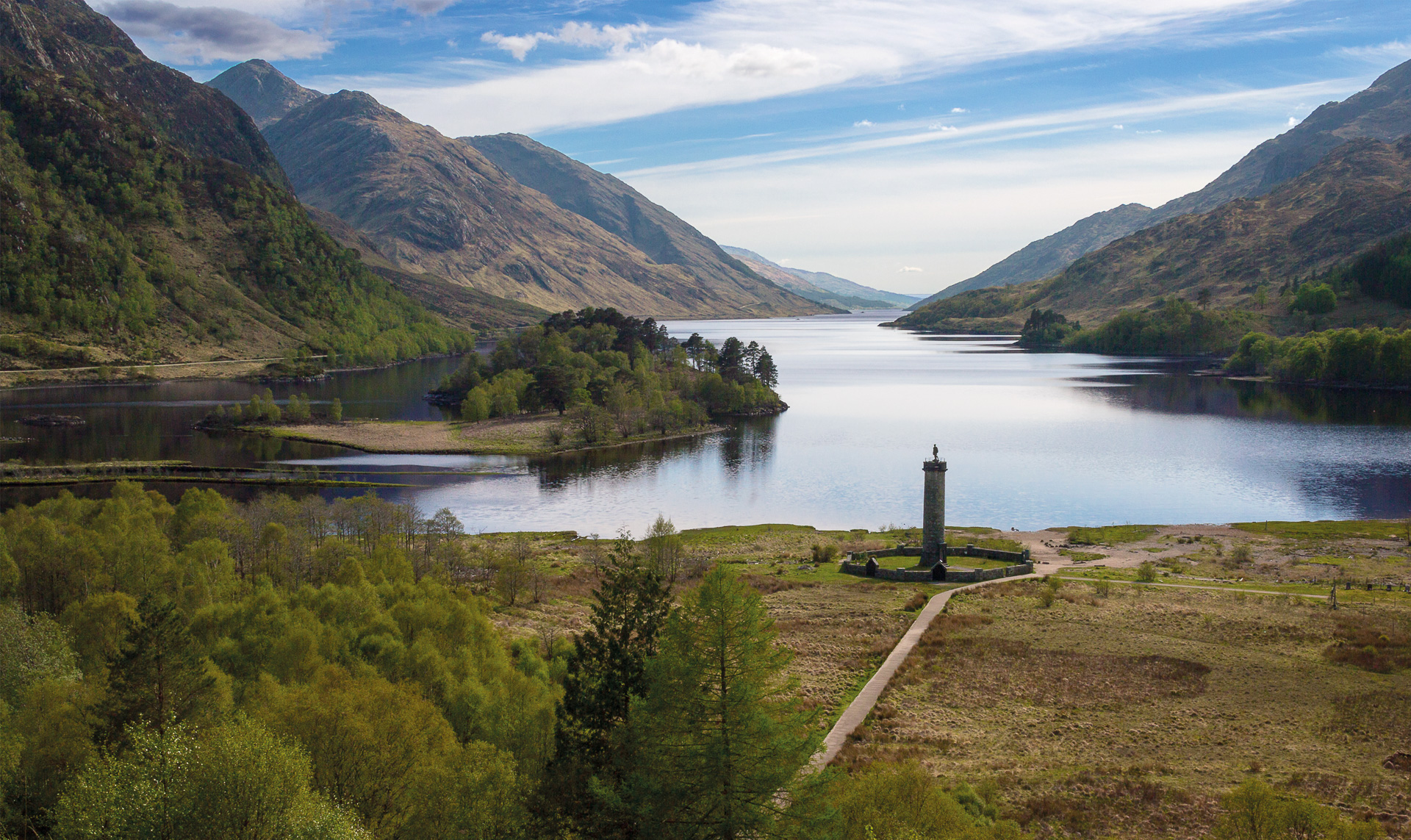
Next stop, Glenfinnan – one of the most beautiful scenes in the Highlands. It’s well worth visiting the museum here, walking down to Loch Shiel, perhaps climbing the monument (if it’s open), and waiting for the Jacobite Steam Train to cross the great viaduct.
More on the Glenfinnan Monument here. And on the viaduct here.
Glenfinnan Station Museum
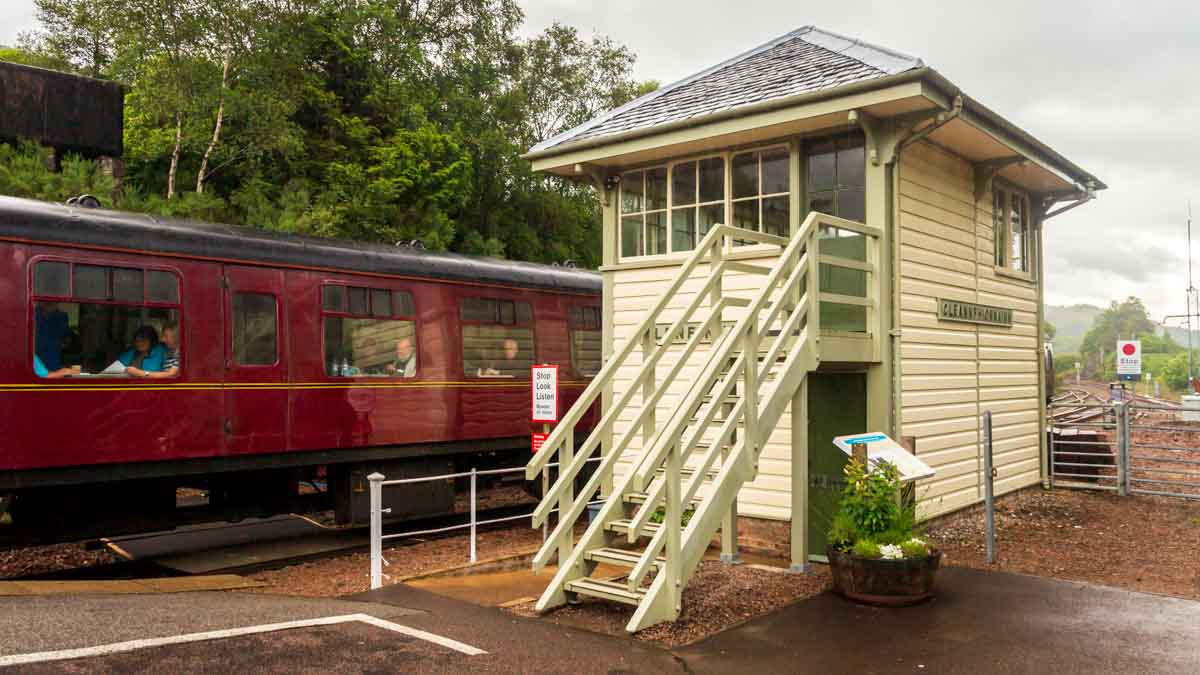
A few hundred metres further along the road lies Glenfinnan Station. This is also a stop for the Jacobite Steam Train. But even when the steam train isn’t around, a stop here is worthwhile. The station building houses a small museum telling the story of the railway line. Outside, some impressive equipment is also on display, including a snow plough. For the hungry, there’s the Dining Car in a parked railway carriage. And, incidentally, you can even stay overnight here in a sleeping car.
Loch Eilt
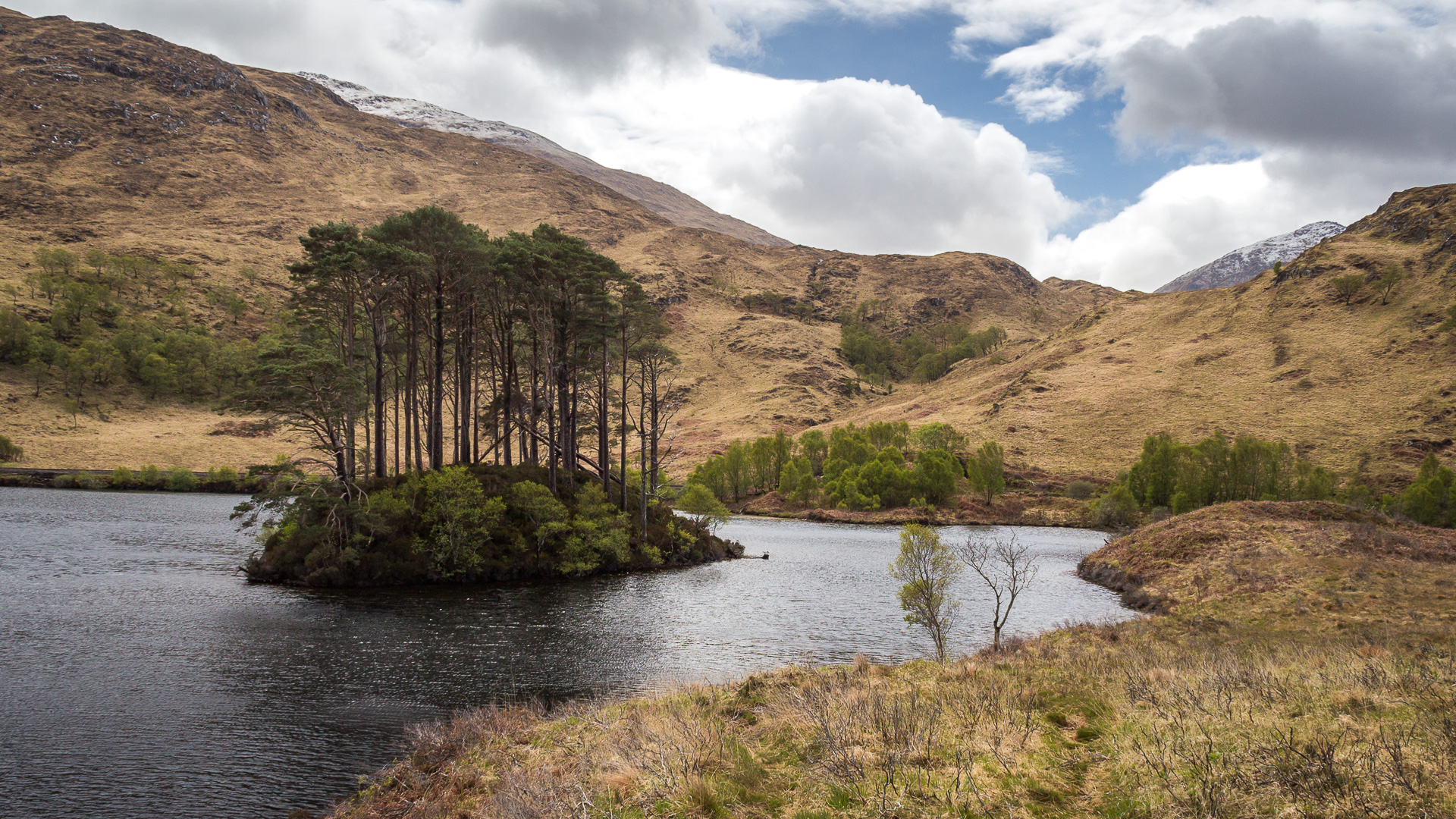
The road continues on alongside Loch Eilt, taking the shore opposite the railway line here. At the end of the loch, it’s worth stopping and walking a short way through the mud down to the water. The view across the loch with its little islands is spectacular. And the first island from this end was used as the filming location for Dumbledore’s grave.
More on Eilean na Mòine here.
Loch nan Uamh
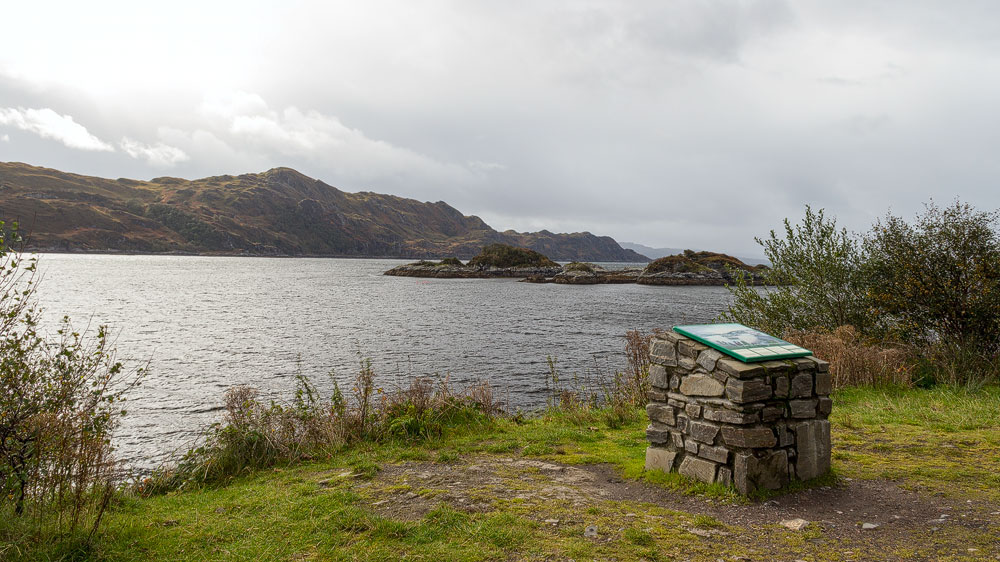
This sea loch will cast a spell over Outlander fans once again. After landing on Eriskay, Bonnie Prince Charlie sailed here and came ashore to launch his uprising. And it was from this same bay that the Stuart prince left Scotland again after his long flight.
More on Loch nan Uamh here.
Silver Sands of Morar
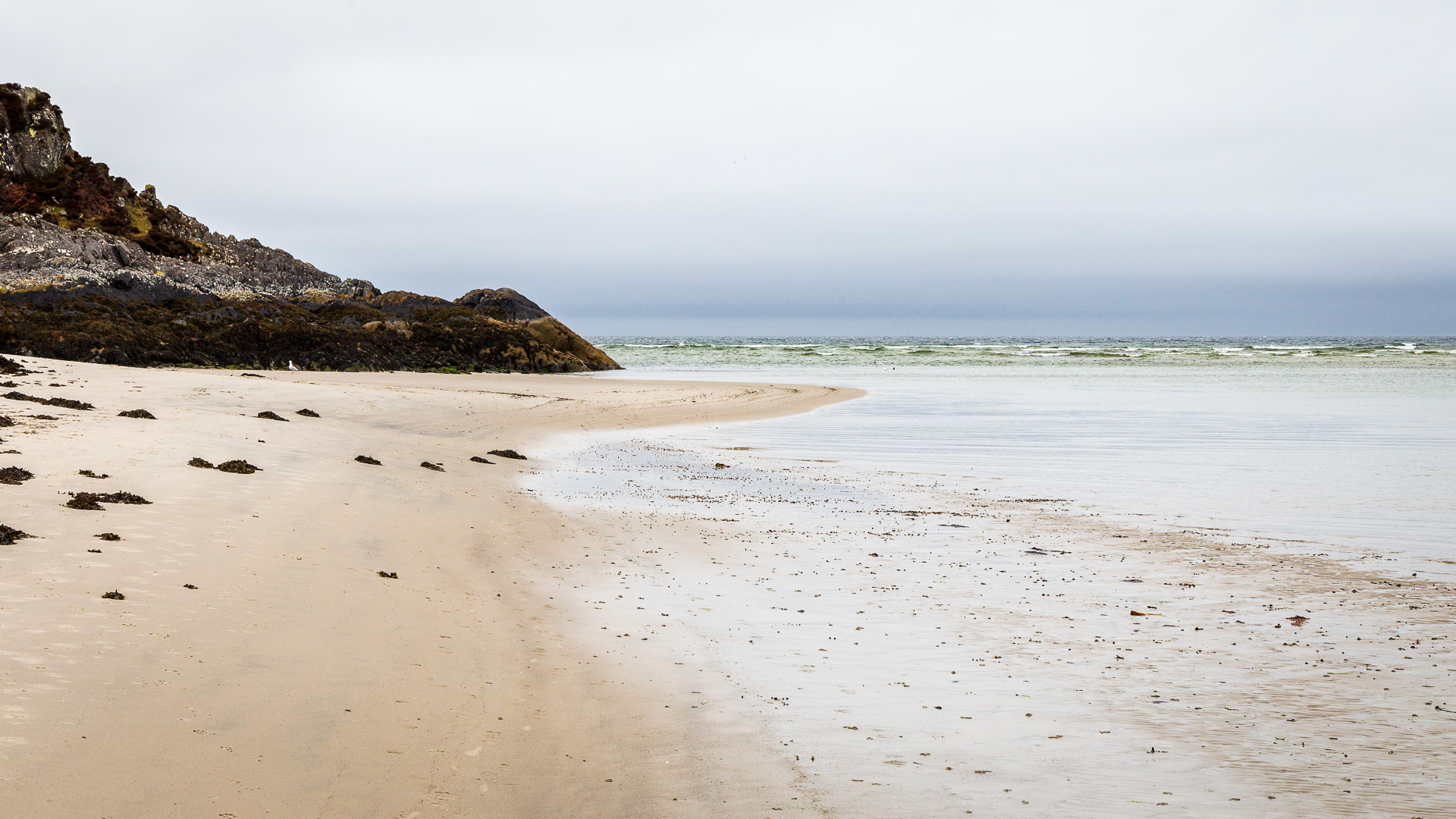
Once the road curves north past Loch nan Uamh, it runs along a coastline with wonderful sandy beaches: the Silver Sands of Morar. To reach them, though, you have to turn off the main road heading west.
More on that here.
Mallaig
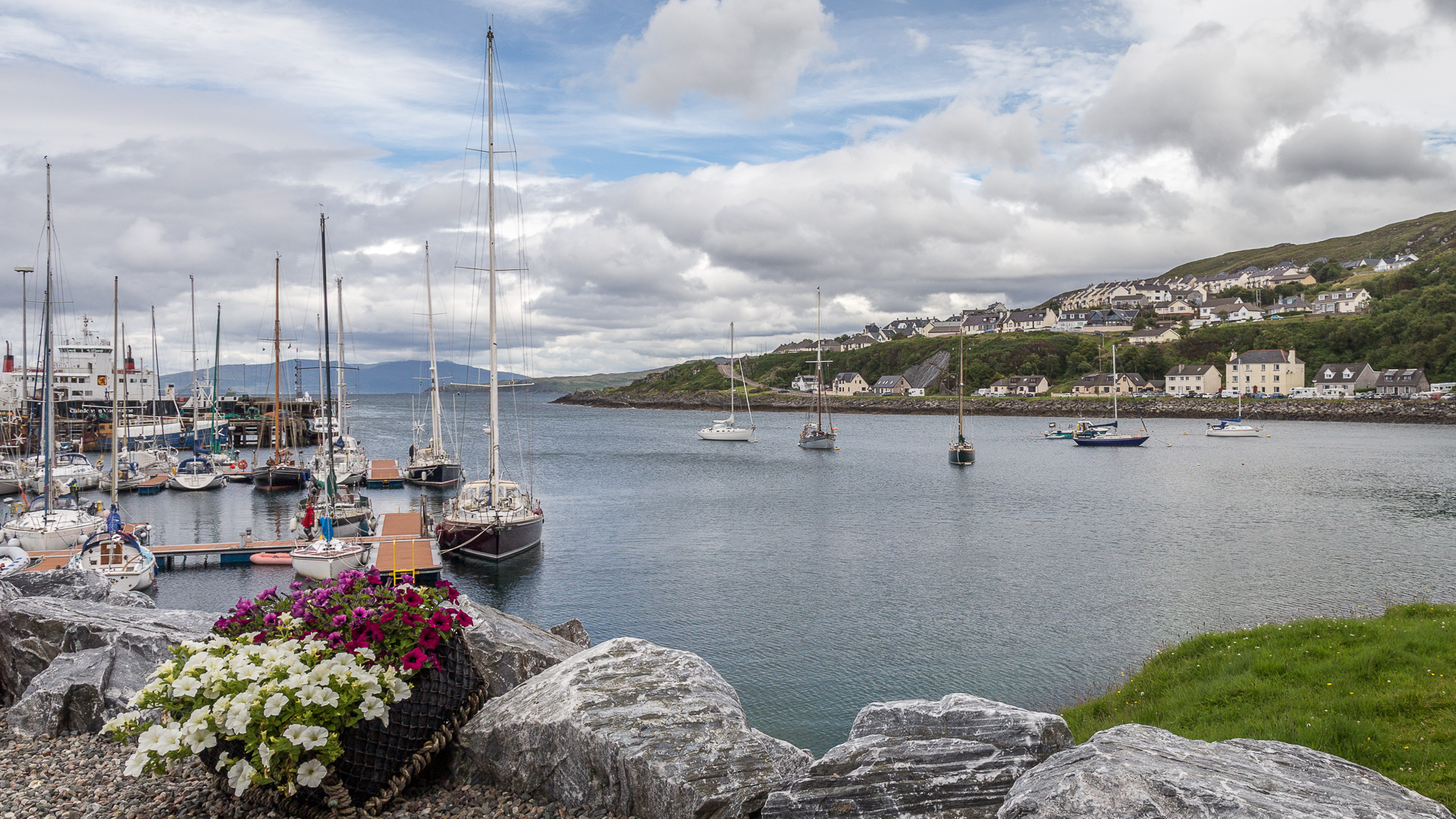
At the end of the journey lies the coastal town of Mallaig. Yachts, fishing boats and the ferries to the small isles and the Isle of Skye all sit in its harbour. There are a few restaurants and cafés here. And, if it happens to be around, you can also spot the Jacobite Steam Train at the station.